
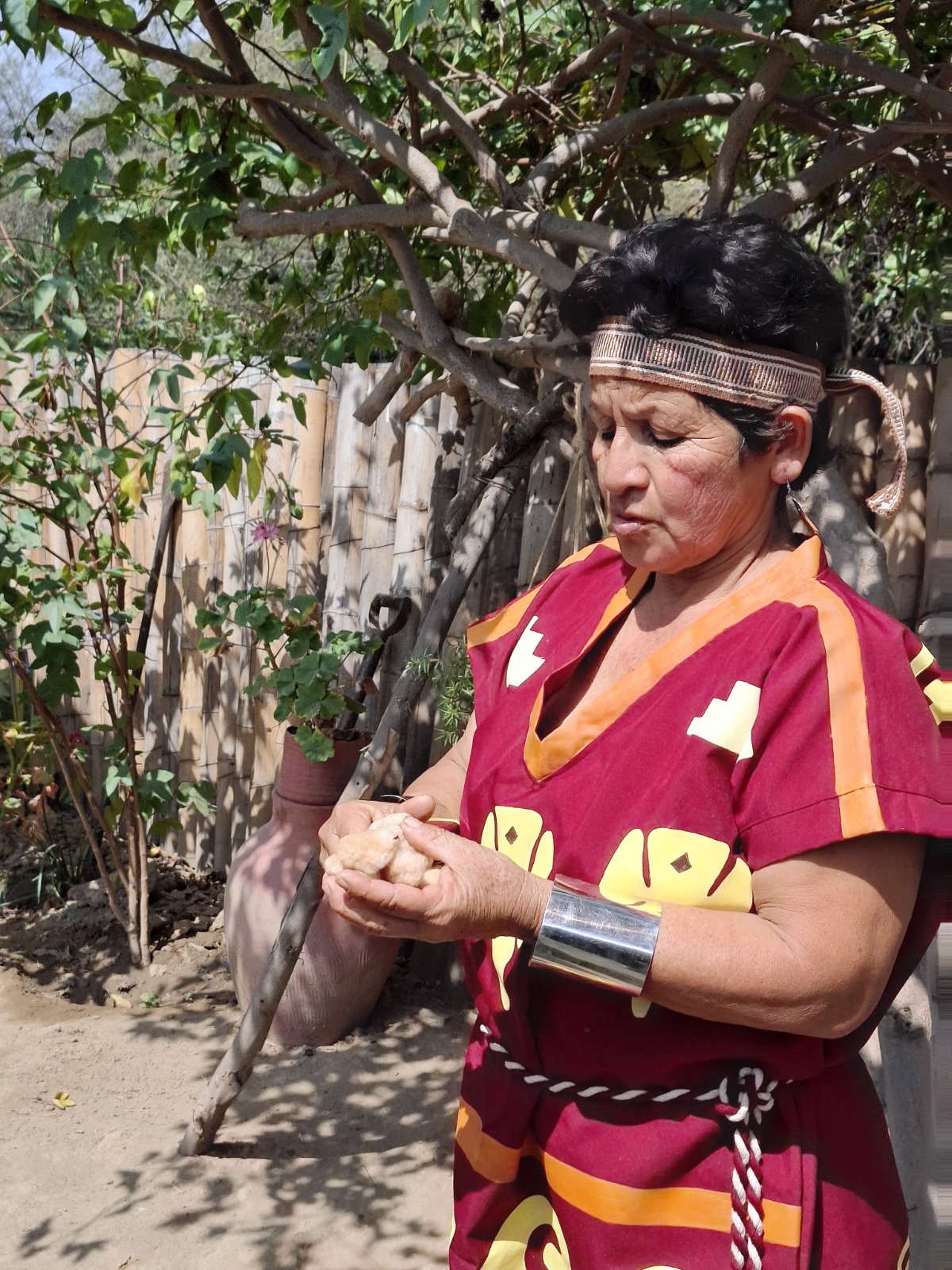
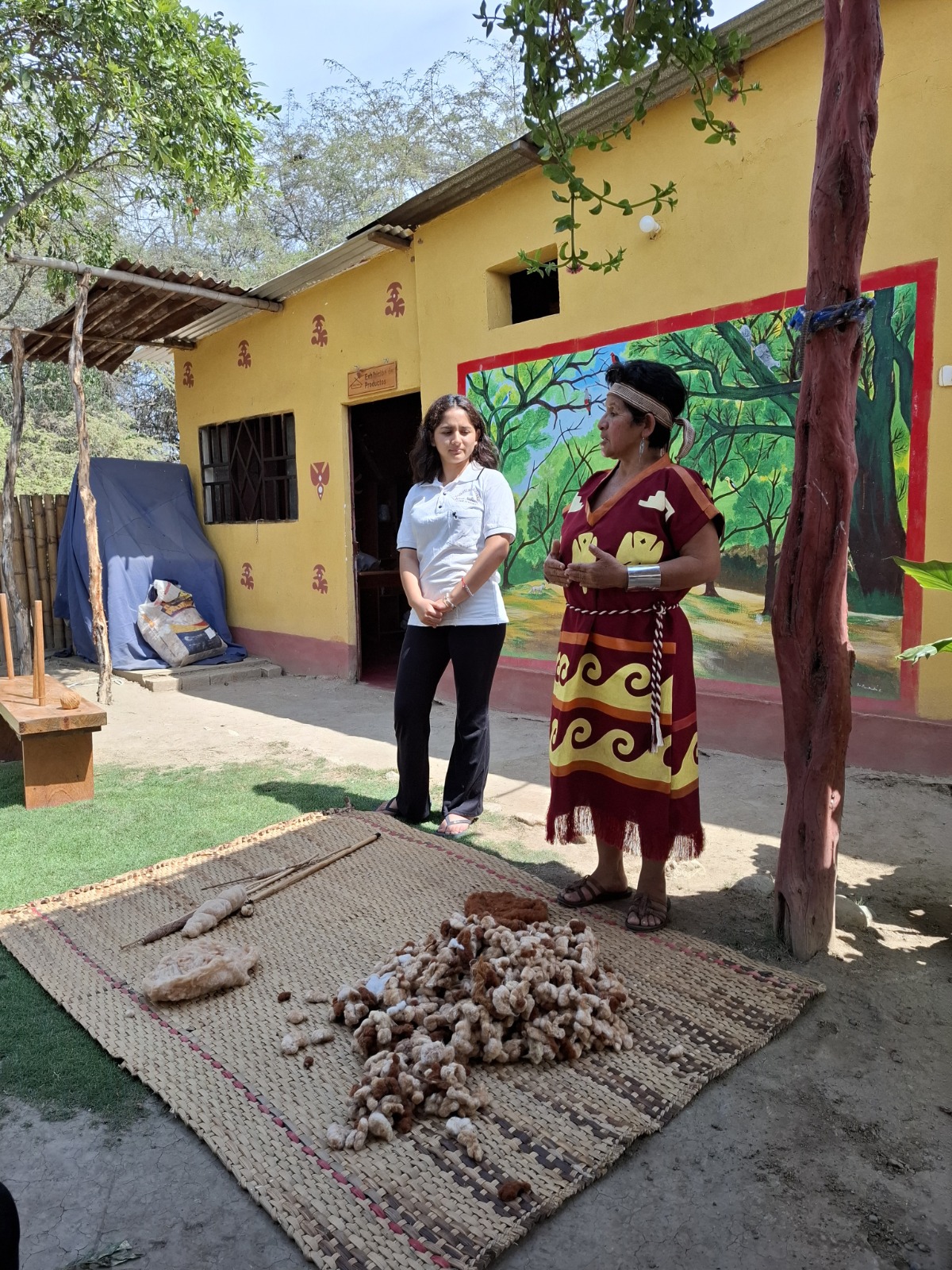
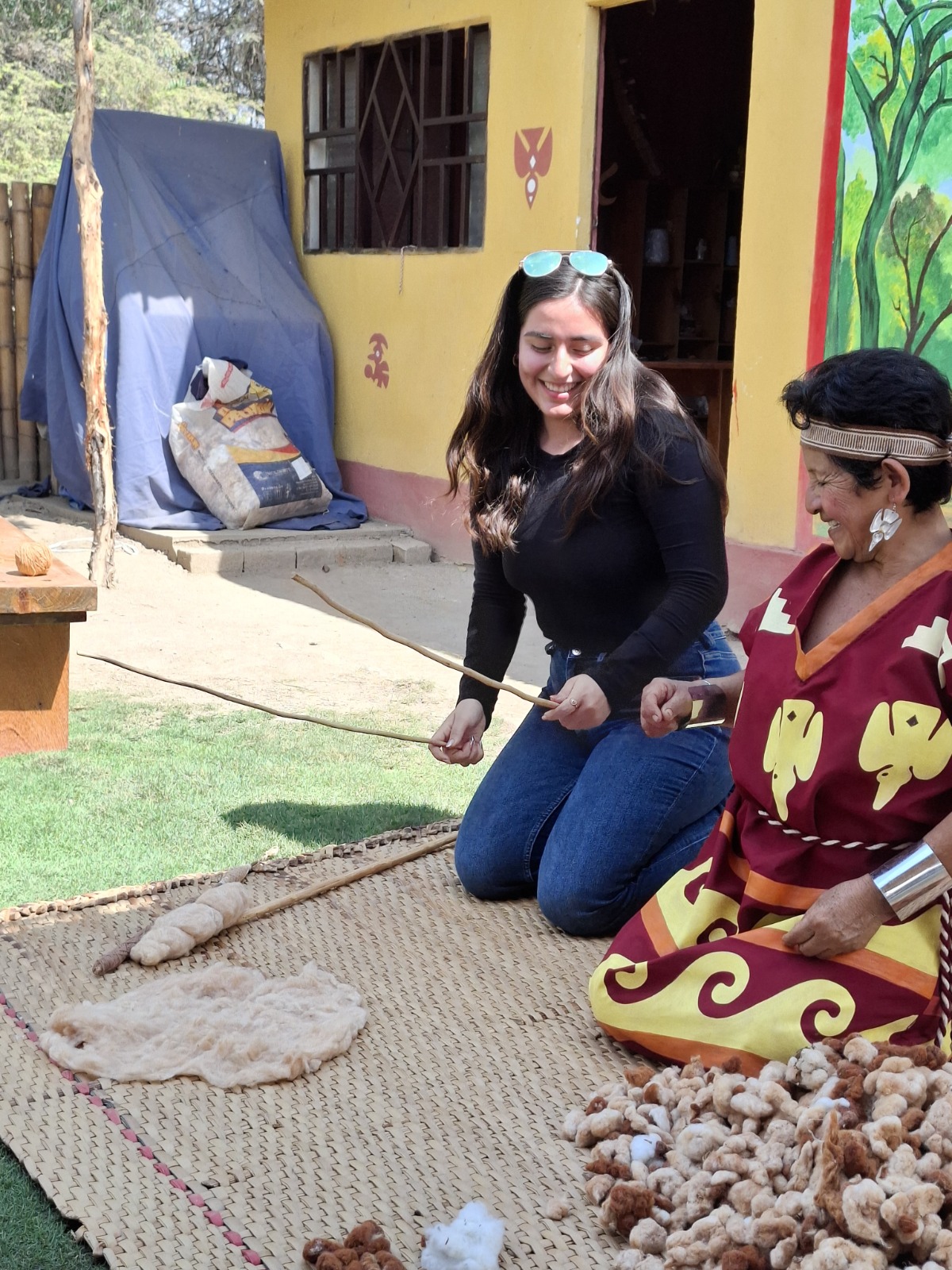
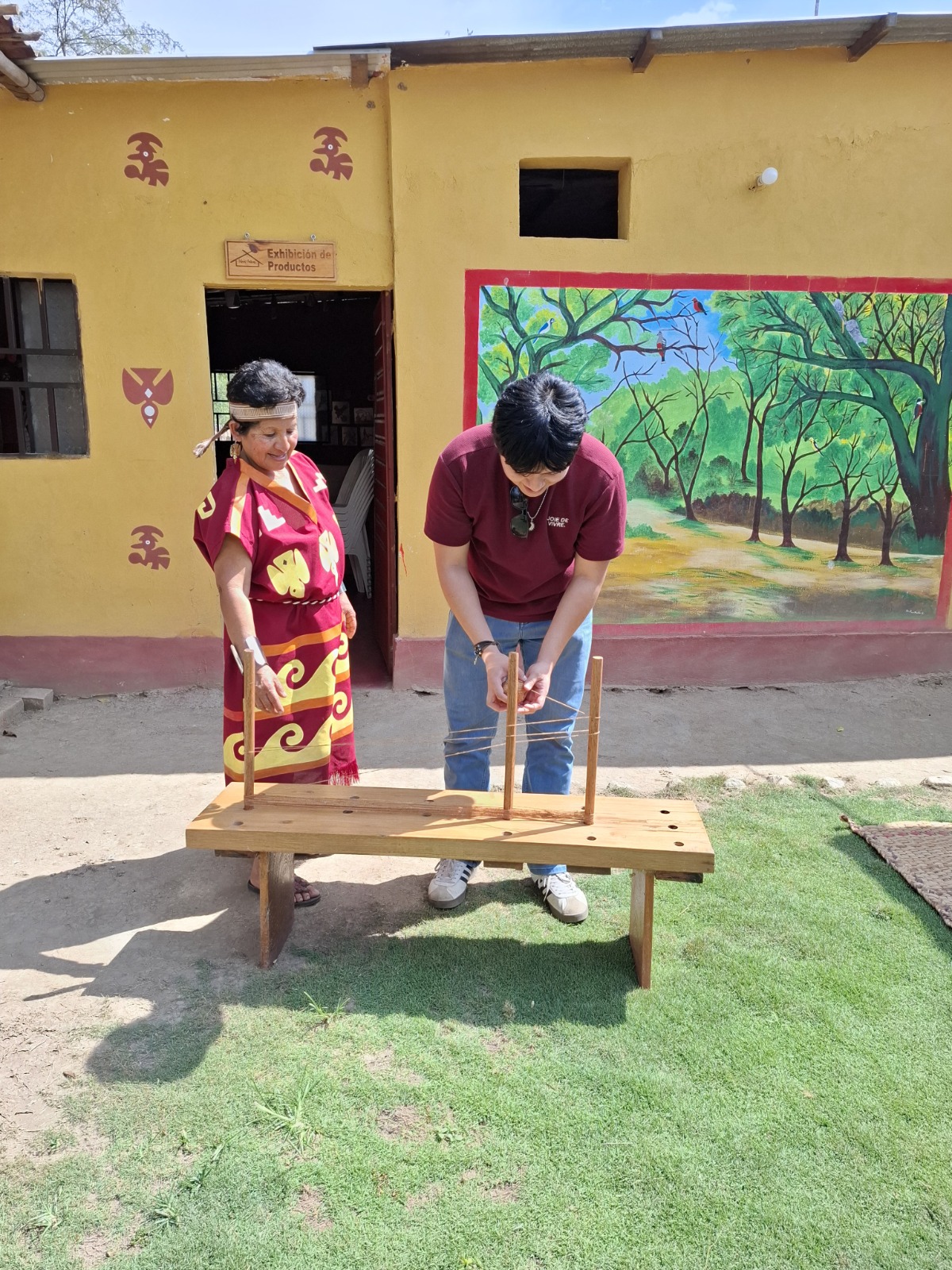
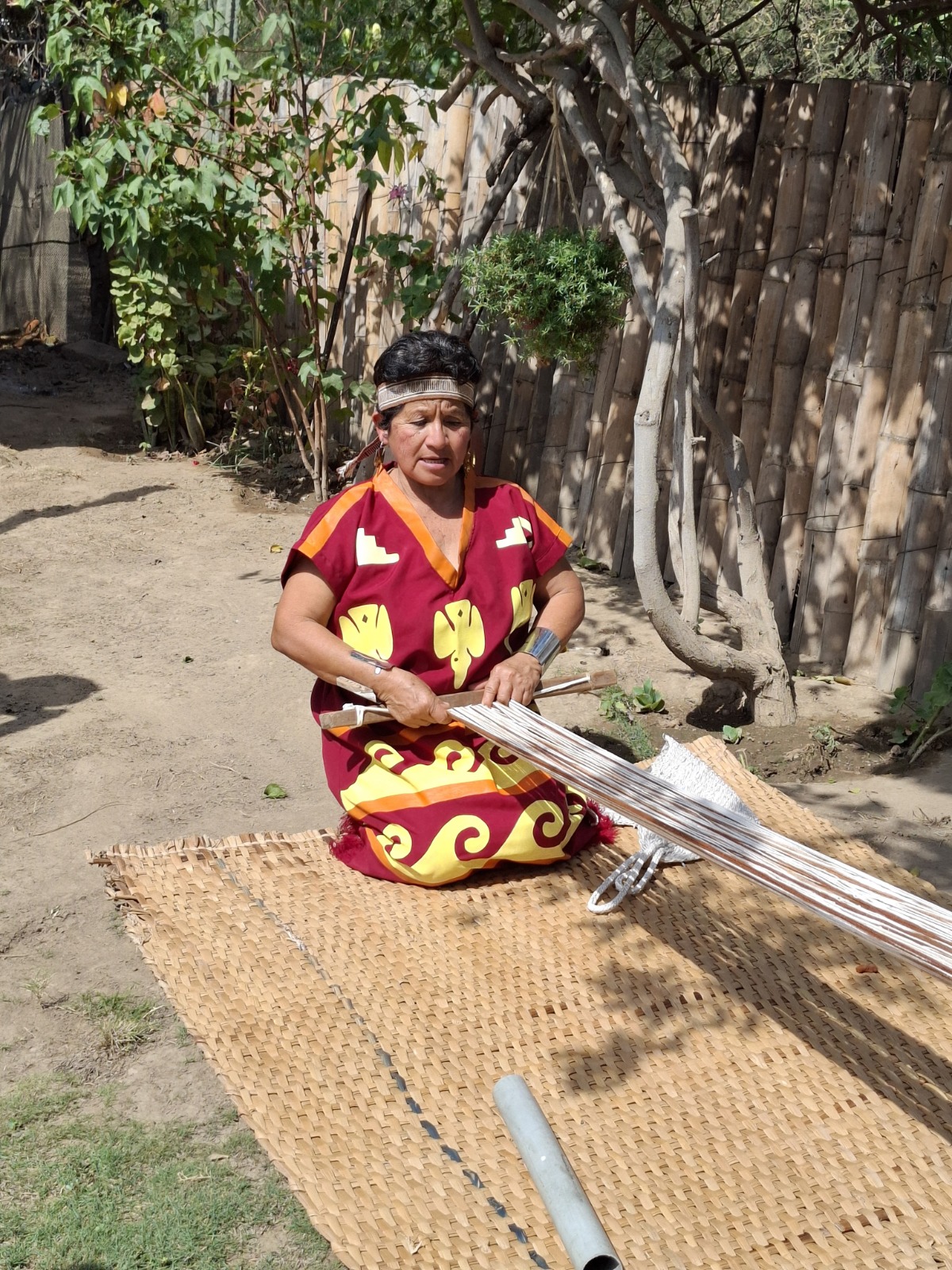
The traditional textile knowledge of native cotton in Pómac III constitutes a living cultural practice linked to the artisanal identity of Lambayeque, Peru. This practice encompasses the knowledge, preparation, and transformation of native cotton into textile pieces crafted using artisanal techniques transmitted primarily through experience, observation, and collective work.
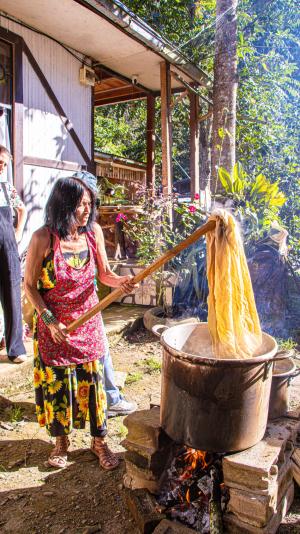
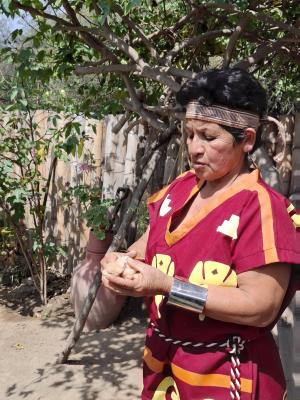
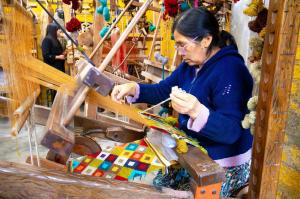
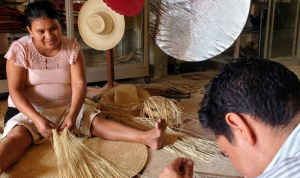
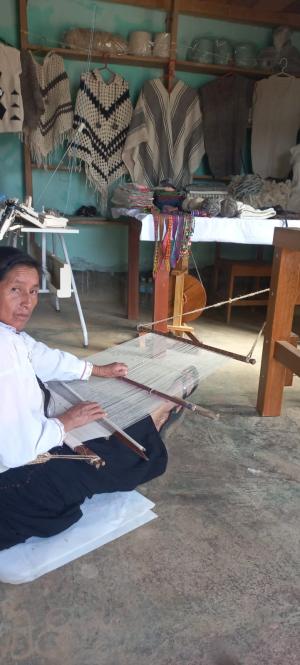
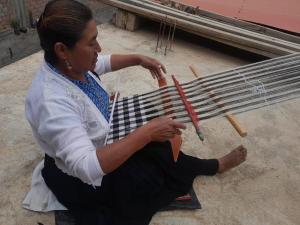
The practice is promoted by master artisan Betty Zapata Gonzales, a native of the hamlet of Pómac III, who has over 16 years of experience in the craft. Her work is carried out through the Fibras Nativas (Native Fibers) workshop, a space that promotes the use of native cotton, the creation of textile products with cultural identity, and the participation of women artisans from Pómac and other districts of Lambayeque. Textile knowledge includes fiber selection, material preparation, spinning, weaving, sewing, artisanal finishing, and the design of pieces inspired by Lambayeque's cultural memory.
This practice not only produces textile objects but also keeps alive a form of knowledge related to the territory, local history, women's work, and intergenerational transmission. Native cotton is valued as an ancestral fiber of northern Peru, linked to the memory of the Mochica, Sicán, and Lambayeque cultures. In this context, the textile practices of Betty Zapata and Fibras Nativas contribute to the safeguarding of intangible cultural heritage, the economic development of artisan families, and the appreciation of the Pómac territory as a cultural and natural space.
05-03-2026
| Institutional and human capacities | The project relies on the human capacity of Betty Zapata Gonzales, a master textile artisan, keeper of traditional knowledge, and community leader. Betty has dedicated her career to native cotton and has led artisanal organizing efforts, including her seven-year tenure as president of the "Manos con Talento" (Hands with Talent) Women Artisans Association. Through Fibras Nativas (Native Fibers), a network of women artisans from Pómac and other districts of Lambayeque is articulated. These artisans participate in the production, learning, and transmission of textile knowledge. This network strengthens the project's human capacity, ensuring that knowledge is not dependent on a single individual but remains active through collective work. At the institutional level, Betty's career has been recognized by public and cultural entities. The Regional Government of Lambayeque recognized her for her career, cultural contributions, innovation, and commitment to preserving artisanal traditions. She was also recognized as an Ambassador of the Lambayeque Brand for her contribution to strengthening regional cultural identity. | |
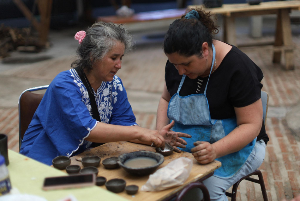
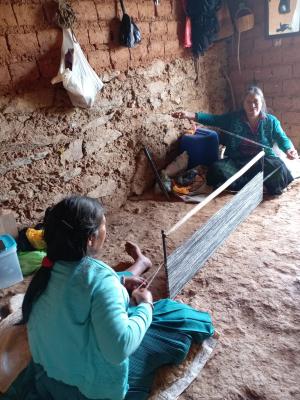
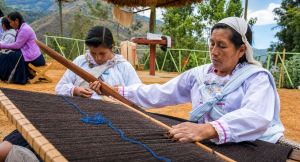
| Transmission and education | The transmission of textile knowledge is primarily carried out through an informal, community-based learning system. At the Fibras Nativas (Native Fibers) workshop, knowledge is shared through direct practice, observation, repetition, conversation, and mentorship among artisans. Betty Zapata teaches processes related to native cotton, such as fiber preparation, spinning, weaving, garment making, and handcrafted finishing. She also conveys the cultural value of native cotton as a symbol of Lambayeque identity and as part of the textile heritage of northern Peru. This transmission also takes place at fairs, demonstrations, workshop visits, tourist sites, and cultural events where the public can learn about the artisanal process. This form of education raises awareness among visitors, buyers, and new generations about the value of handcraft and the importance of preserving traditional textile techniques. | |
| Inventorying and research | Currently, the practice lacks its own official inventory registered with a public entity under the name Betty Zapata Gonzales or Fibras Nativas (Native Fibers). Therefore, this record on ichngo.net serves as an initial descriptive record to document the traditional textile knowledge of native cotton in Pómac III, Lambayeque. This inventory identifies the practice, its location, the community that practices it, materials, techniques, methods of transmission, cultural value, risks, and safeguarding measures. Its purpose is to contribute to the documentation and visibility of a living artisanal practice that forms part of Lambayeque's cultural identity. The practice is related to traditional knowledge about native cotton, artisanal textile production, and the participation of women artisans in preserving knowledge passed down from generation to generation. In the future, this record can serve as a basis for research, audiovisual documentation, artisan testimonies, and broader processes of cultural recognition. | |
| Policies as well as legal and administrative measures | This practice is linked to policies and measures aimed at promoting handicrafts, cultural development, sustainable tourism, and land conservation. In Peru, Law No. 29073, the Law of the Artisan and the Development of Handicraft Activity, recognizes artisans as builders of identity and cultural traditions, and promotes the protection, promotion, and sustainable development of handicraft activity. This legislation supports the cultural, economic, and social value of practices such as textile work with native cotton. Furthermore, Betty Zapata Gonzales was officially recognized by the Regional Government of Lambayeque for her career, cultural contributions, innovation, and commitment to preserving artisan traditions. She was also recognized as an Ambassador of the Lambayeque Brand for her contribution to strengthening regional cultural identity. In the environmental sphere, Betty was accredited as a Community Volunteer Park Ranger of the Pómac Forest Historical Sanctuary during the period 2019–2021, within the Pómac III sector committee. This background demonstrates its relationship with community actions for the conservation of the territory where the artisanal practice takes place. | |
| Role of intangible cultural heritage and its safeguarding in society | Safeguarding this practice plays a vital role in society because it strengthens cultural identity, generates economic opportunities, and promotes the continuity of traditional knowledge. Textile work with native cotton allows the community to recognize the value of its inherited knowledge and local history. Each piece created represents a connection between the past and the present, between the ancestral memory of Lambayeque and the daily lives of the women artisans. Furthermore, the practice contributes to the family economy. Through Fibras Nativas (Native Fibers), women artisans participate in production processes that allow them to generate income, strengthen their skills, and value their role within the community. In this way, intangible cultural heritage is preserved not only as a symbolic expression but as a living practice that contributes to local development. It also fulfills a social role by strengthening women's leadership, community cooperation, and pride in Lambayeque culture. | |
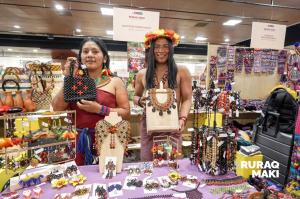
| Awareness raising | Awareness is raised through the exhibition and explanation of the artisanal process at fairs, workshops, tourist sites, workshop visits, and cultural activities. Betty Zapata and Fibras Nativas show the public that native cotton is not just a raw material, but a cultural element with history, identity, and territorial value. The finished textiles serve as a means of cultural communication. Through them, visitors and buyers learn about the manual labor, the time dedicated to each product, the traditional techniques, and the importance of paying a fair price for handicrafts. Participation in spaces such as artisan fairs, textile gatherings, and cultural promotion events allows more people to recognize the importance of preserving Lambayeque's textile heritage. This awareness helps combat the undervaluation of handicrafts compared to low-cost industrial products. | |
| Engagement of communities, groups and individuals as well as other stakeholders | The practice primarily involves Betty Zapata Gonzales, the women artisans associated with the Fibras Nativas workshop, and a network of artisans located in Pómac and other districts of Lambayeque. The participation of these women sustains artisanal production, transmits knowledge, and generates income for their families. Other stakeholders also participate, including public institutions, artisanal promotion organizations, tourist sites, cultural fairs, and buyers interested in products with a strong sense of identity. These relationships strengthen the visibility of the practice and allow the textile heritage to reach new audiences. The community of Pómac plays a vital role because the territory where the practice takes place provides cultural, historical, and environmental significance. Its proximity to the Pómac Forest Historical Sanctuary reinforces the connection between natural heritage, cultural memory, and artisanal work. | |
| International engagement | The practice has primarily had a local, regional, and national reach, through the participation of Betty Zapata and Fibras Nativas in fairs, competitions, training sessions, and cultural promotion events in Peru. However, registering this practice on ichngo.net and applying for the Jeonju International Awards for the Promotion of Intangible Cultural Heritage represent an opportunity to project the textile knowledge of native cotton from Lambayeque internationally. Participation in international platforms can contribute to generating new networks of cooperation, exchange of experiences, increased visibility for women artisans, and recognition of Lambayeque's textile heritage as part of the world's living heritage. | |
| References | Regional Government of Lambayeque. Regional Management Resolution No. 000013-2026-GR.LAMB/GERCETUR. Recognition of Betty Zapata Gonzales for her career, cultural contribution, innovation, and commitment to the preservation of artisanal traditions. Chiclayo, March 17, 2026. Regional Government of Lambayeque. Regional Executive Resolution No. 000094-2025-GR.LAMB/GR. Recognition of Betty Zapata Gonzales as Ambassador of the Lambayeque Brand. Chiclayo, March 12, 2025. SERNANP (National Service of Natural Protected Areas). Head Office Resolution No. 008-2019-SERNANP-JEF. Recognition and accreditation of Community Volunteer Park Rangers of the Pómac Forest Historical Sanctuary. Chiclayo, May 14, 2019. Fibras Nativas. Betty Zapata Gonzales' craft workshop, Pómac III, Pítipo, Ferreñafe, Lambayeque, Peru. |
|






.jpeg)


.png)




.jpeg)
.jpg)

.png)
.jpg)


_(31711258567).jpg)