
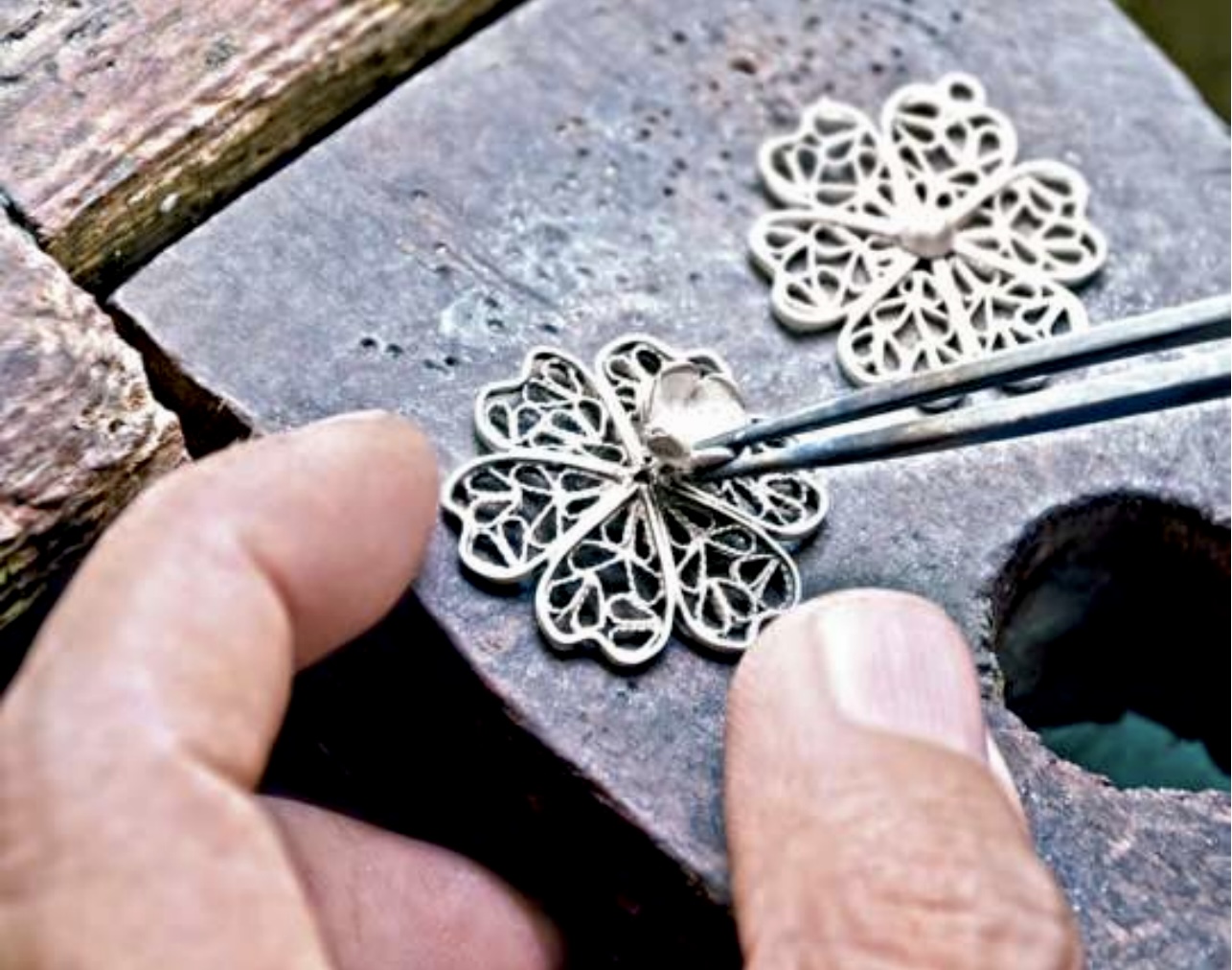
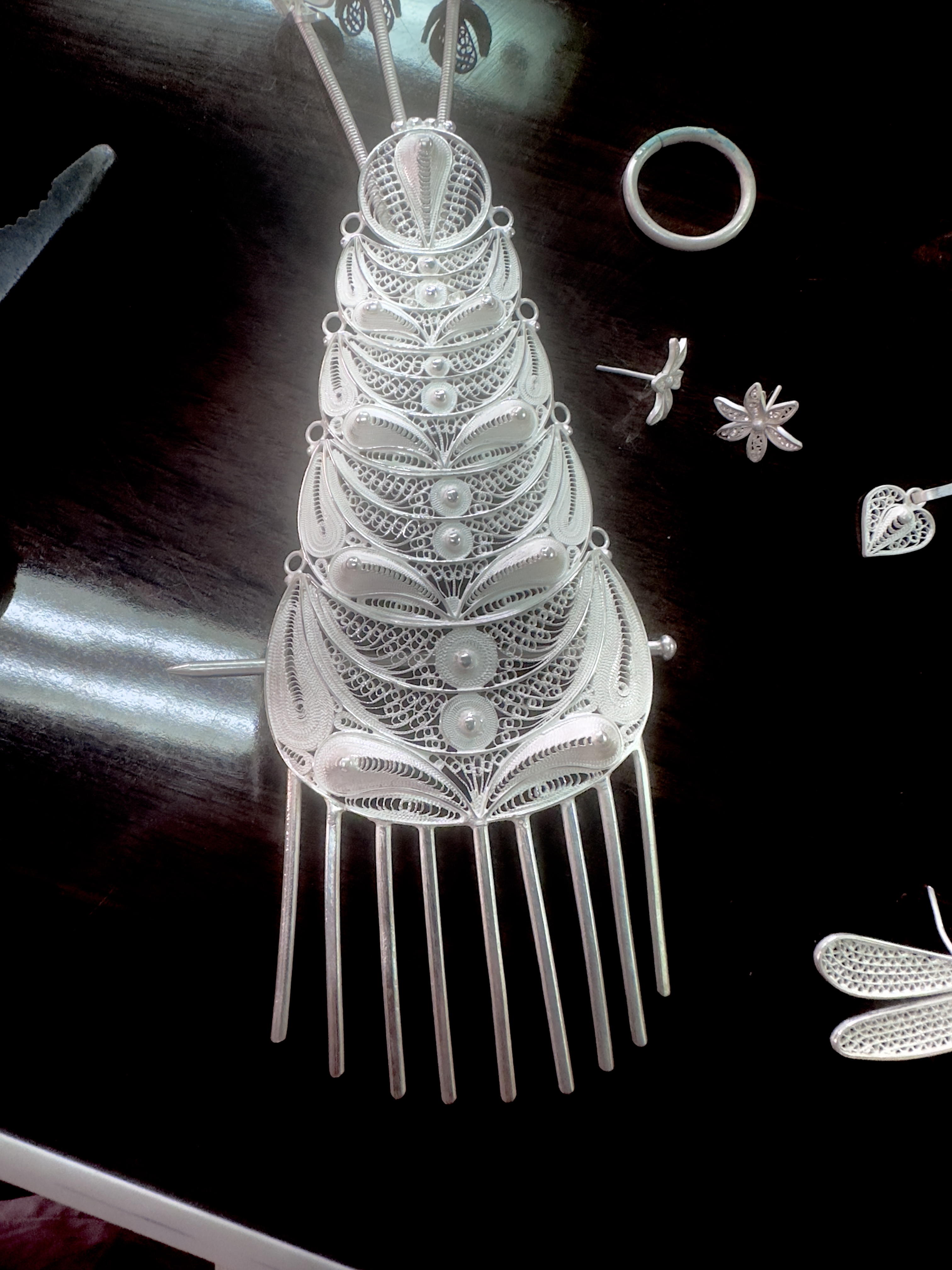
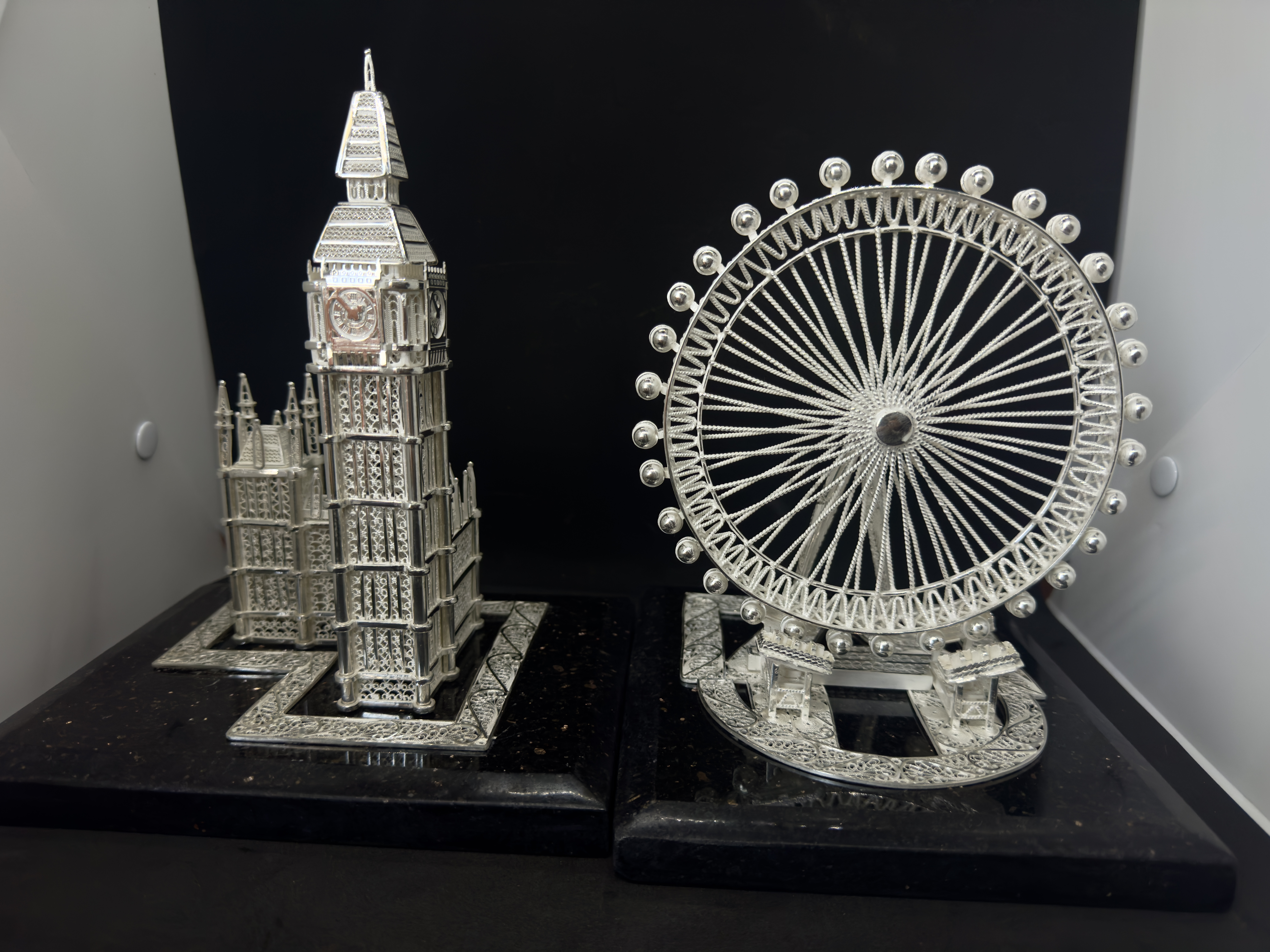
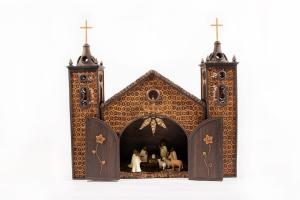
The traditional filigree technique of Catacaos is an ancestral jewelry-making practice from northern Peru. It consists of shaping and weaving fine threads of precious metals, typically silver or gold, into intricate decorative designs.
This craft is transmitted across generations and represents an important element of cultural identity in Catacaos. However, it is currently at risk due to low economic valuation and decreasing interest among younger generations.
Efforts are being developed to support its preservation through training, promotion, and access to new markets.
05-01-2026
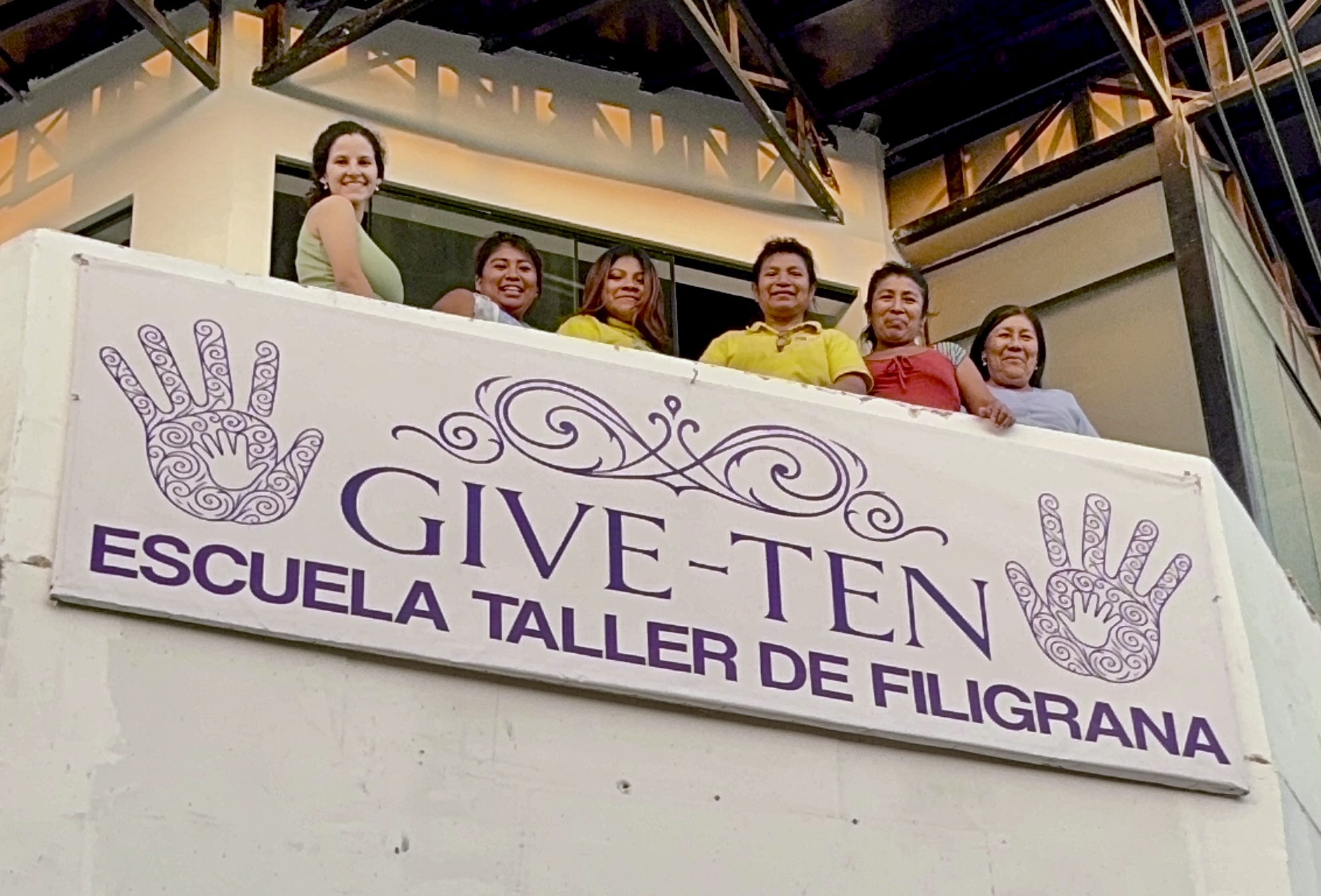
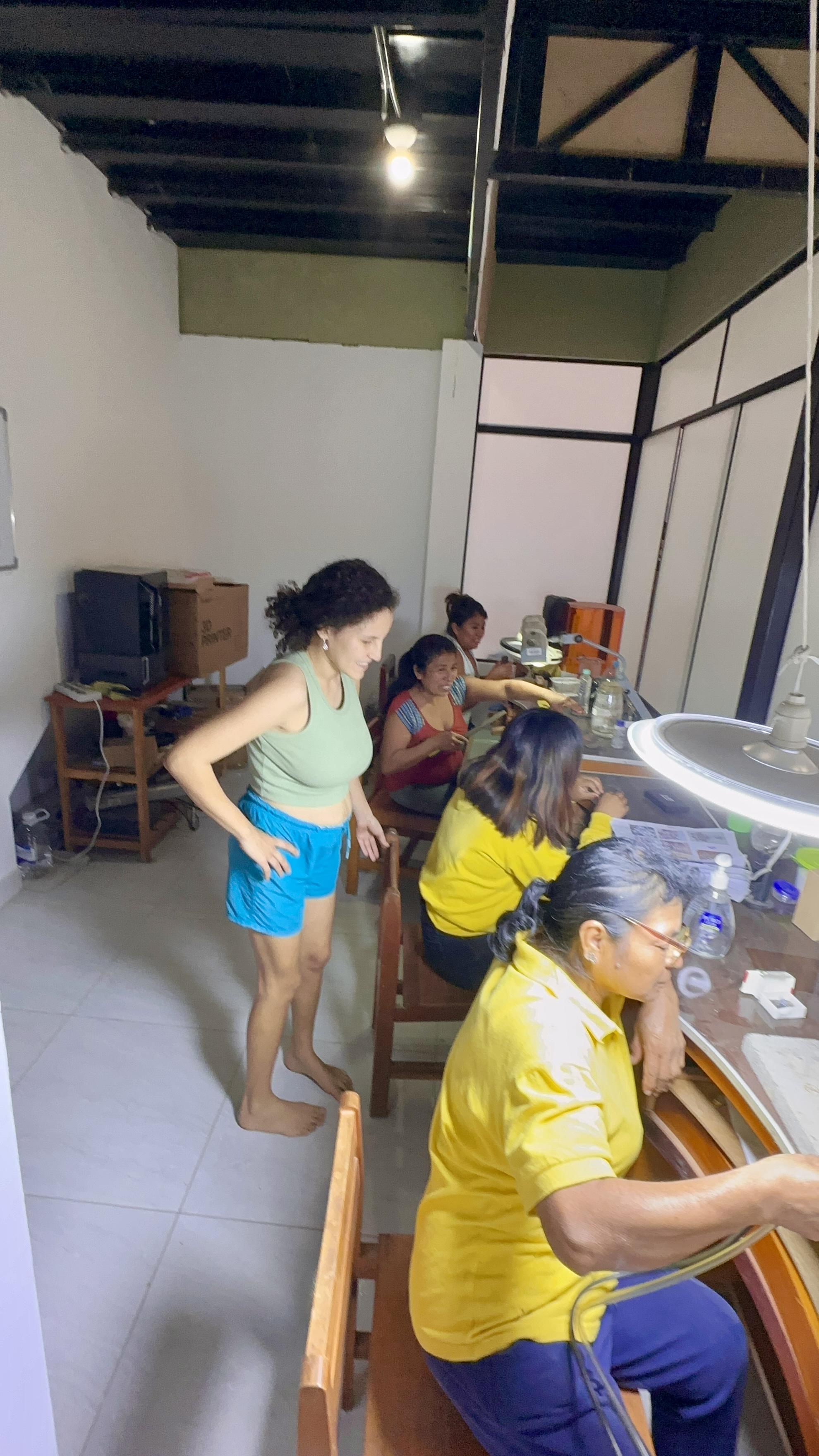
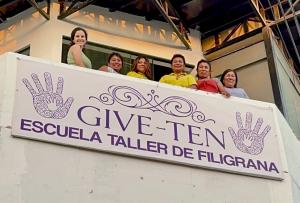
| Institutional and human capacities | The filigree tradition is sustained by artisan families who possess specialized knowledge passed down through generations. The GIVETEN Project works with approximately 20 artisans, including masters, young apprentices, and women, through a workshop in Catacaos that supports training and production activities. | |
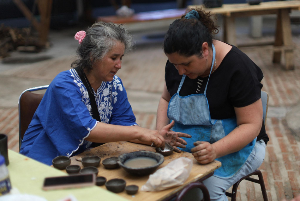
| Transmission and education | The transmission of filigree is traditionally carried out within artisan families through hands-on learning. Currently, this process is reinforced through a workshop model that provides practical training to young people and women, integrating them into real production processes. | |
| Inventorying and research | The filigree of Catacaos has been officially recognized as Intangible Cultural Heritage of the Nation by the Ministry of Culture of Peru through Resolution No. 576/INC (2010). This recognition serves as a national-level cultural inventory documenting the value of this tradition. | |
| Policies as well as legal and administrative measures | The safeguarding of filigree is supported by national cultural policies led by the Ministry of Culture of Peru. Programs such as Somos Artesanía and cultural initiatives contribute to the promotion and sustainability of traditional craftsmanship. | |
| Role of intangible cultural heritage and its safeguarding in society | Filigree plays an important role in the cultural identity and economy of Catacaos. It represents both an artistic tradition and a source of livelihood for artisan families, contributing to local cultural expression and community pride. | |
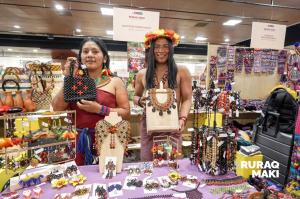
| Awareness raising | Awareness is promoted through participation in cultural events, digital platforms, and workshops that allow the public to understand and appreciate the craft. | |
| Engagement of communities, groups and individuals as well as other stakeholders | The practice involves artisan families, young people, and women who actively participate in production and learning processes, supported by collaborative initiatives. | |
| International engagement | The tradition has reached international audiences through participation in platforms such as Camden Market in London and collaborations with international partners. | |
| References |
|
|









.jpeg)


.png)




.jpeg)
.jpg)


.png)
.jpg)


_(31711258567).jpg)