
.png)
.png)
.png)
.png)
.png)
The National Center for Historical Memory (CNMH) promotes the safeguarding of intangible cultural heritage through the recognition of the historical memory of Colombia’s armed conflict as a living cultural practice and as intangible heritage in itself. This memory is not only a record of past events, but a collective and evolving heritage created and transmitted by victims and communities through narratives, rituals, artistic expressions, and everyday cultural practices. As such, it must be actively incorporated into Colombia’s cultural fabric and collective consciousness to prevent its erasure and contribute to non-repetition.
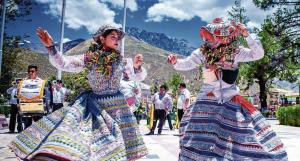
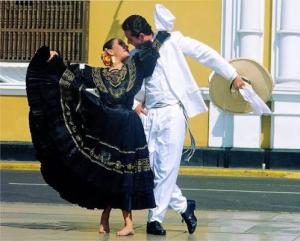
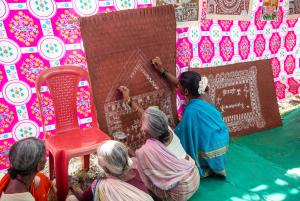
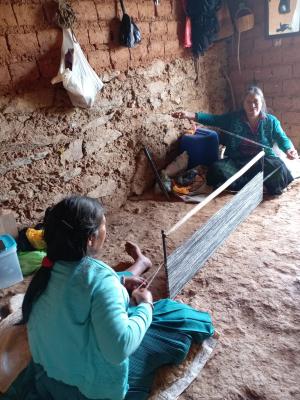
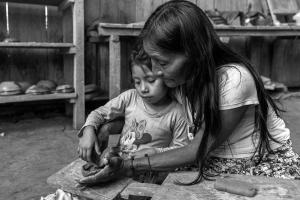
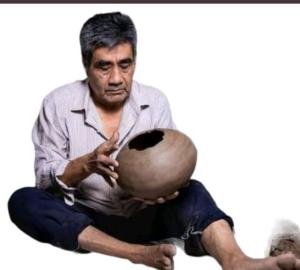
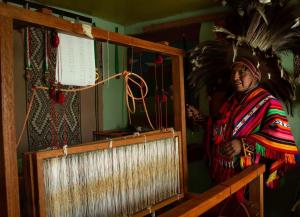
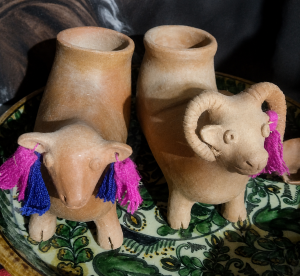
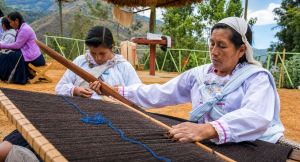
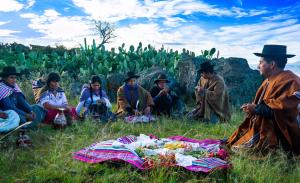
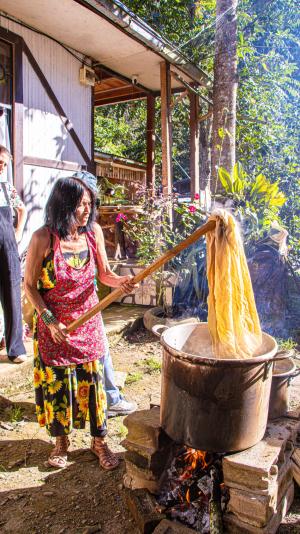
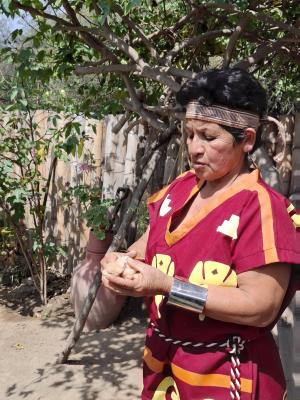
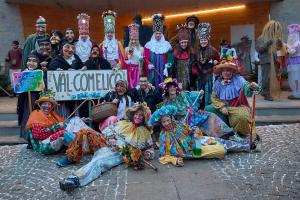
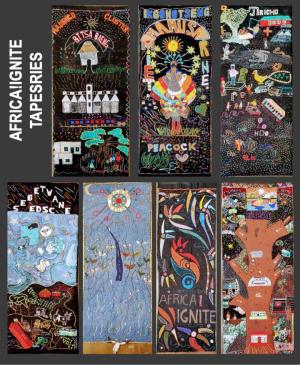
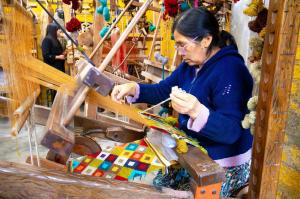
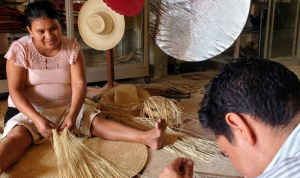
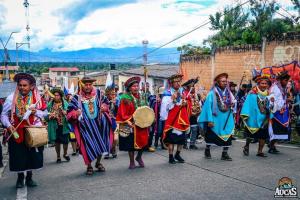
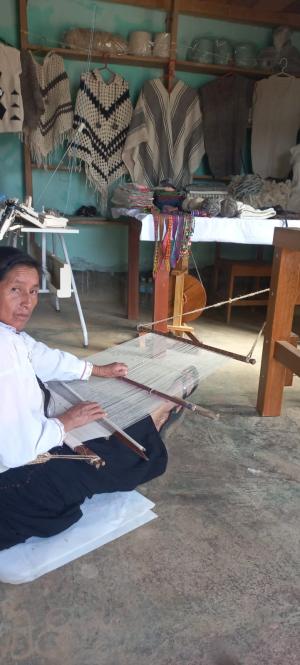
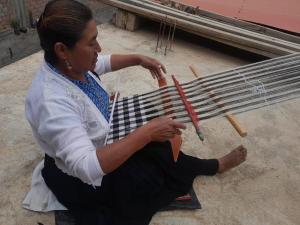
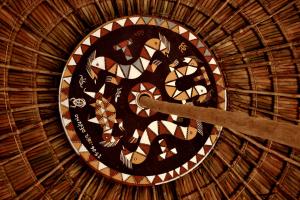
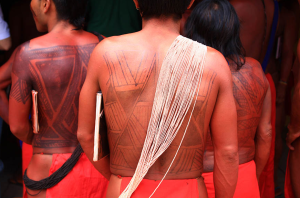
At the same time, the CNMH recognizes that the armed conflict has placed ancestral cultural practices at risk—particularly among Indigenous, Afro-descendant, and campesino communities—due to forced displacement, massacres, and enforced disappearance. These practices are not separate from memory; they are the very means through which memory is created, expressed, and transmitted. In Colombia, memory is sung, danced, woven, narrated, and expressed through native languages and collective rituals. Safeguarding historical memory therefore also contributes to preserving these cultural expressions as living forms of intangible heritage.
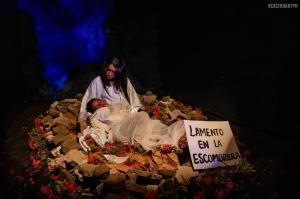
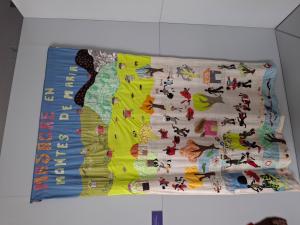
Through a decentralized and participatory model, the CNMH supports more than 700 community-based memory initiatives and strengthens nearly 300 places of memory across the country. These spaces function as living environments where memory is expressed through oral traditions, music, dance, storytelling, weaving, and collective commemorations, enabling communities to preserve identity, resist forgetting, and contribute to non-repetition.
Safeguarding is reinforced through the development of one of the largest human rights archival systems in the country, with more than 2 million records documenting experiences of violence and resistance. These archives, together with a specialized public library and more than 300 publicly accessible publications—including reports, documentaries, and digital content—ensure the preservation, accessibility, and long-term transmission of memory.
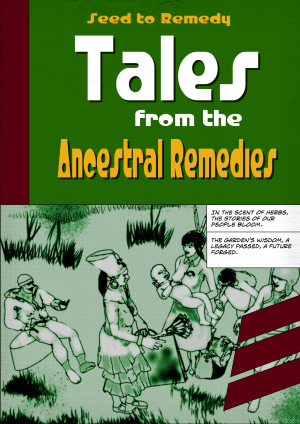
The CNMH also guarantees transmission through a comprehensive pedagogical strategy that integrates formal and non-formal education. Through tools such as the Memory Backpack, memory caravans, and community-based encounters, it promotes intergenerational dialogue and culturally grounded learning processes.
In addition, the virtual and territorial dimensions of the National Museum of Memory of Colombia strengthen visibility and access through decentralized systems, where communities act as co-custodians and “guardians of memory.”
Through community participation, cultural practices, archival preservation, and educational processes, the CNMH ensures that historical memory is actively transmitted and sustained as intangible cultural heritage, consolidating it as a shared cultural foundation for dignity, cultural diversity, and the non-repetition of conflict.
04-30-2026
| Institutional and human capacities | The National Center for Historical Memory (CNMH) has strong institutional and human capacities to ensure the safeguarding and transmission of historical memory as intangible cultural heritage at national and territorial levels. Institutionally, the CNMH operates under a clear legal mandate established by Law 1448 of 2011, which defines the State’s duty to preserve historical memory as part of symbolic reparation for victims. This mandate is supported by a stable organizational structure, specialized technical units, and an annual public budget, ensuring continuity and sustainability over time. The Center integrates key areas such as research, archives, museum development, pedagogy, and territorial engagement, allowing for a comprehensive and coordinated approach to safeguarding. The CNMH’s human capacity is reflected in a multidisciplinary team composed of historians, anthropologists, archivists, educators, artists, and social practitioners, working collaboratively with communities across the country. This team combines technical expertise with contextual knowledge, enabling culturally relevant and participatory methodologies that respect the diversity of communities and their ways of transmitting memory. A distinctive strength lies in its decentralized and community-based approach. The CNMH works with local memory leaders, victims’ organizations, and community groups who act as co-creators, transmitters, and custodians of memory. Through continuous training and technical assistance, the Center strengthens local capacities so that communities can autonomously manage their own memory processes, archives, and cultural practices. Additionally, the CNMH benefits from strong partnerships with national institutions, local governments, academic organizations, and international cooperation agencies, which provide technical, financial, and knowledge support. These alliances expand institutional reach and reinforce long-term sustainability. Through this combination of legal mandate, institutional structure, multidisciplinary expertise, and community engagement, the CNMH demonstrates a robust capacity to safeguard and transmit historical memory as a living form of intangible cultural heritage. | |
| Transmission and education | The National Center for Historical Memory (CNMH) ensures the transmission of historical memory as intangible cultural heritage through an integrated educational approach that combines formal education, community-based learning, and intergenerational exchange. A central component of this approach is its Pedagogy and Social Appropriation strategy, which promotes the active transmission of memory through participatory and culturally grounded methodologies. The CNMH develops pedagogical tools—such as the Memory Backpack and educational toolkits—that enable communities, educators, and students to engage with memory through storytelling, artistic expression, and collective reflection. In the formal education system, the CNMH works in partnership with the Ministry of Education and local authorities to integrate historical memory into schools and universities. Through teacher training processes and the Network of Teachers for Memory, educators are equipped to incorporate memory into their teaching practices, fostering critical thinking and a culture of human rights among students. In non-formal education, the CNMH recognizes that communities are the primary transmitters of memory. Through co-creation processes, it strengthens ancestral and community-based pedagogies, where memory is transmitted through oral traditions, music, dance, weaving, and rituals. These practices enable embodied and culturally meaningful forms of learning. At the territorial level, initiatives such as memory caravans and community encounters facilitate intergenerational dialogue and the circulation of knowledge between regions and generations. Through this comprehensive approach, the CNMH ensures that historical memory is continuously transmitted, socially appropriated, and sustained as a living form of intangible cultural heritage, contributing to dignity and the non-repetition of conflict. | |
| Inventorying and research | The National Center for Historical Memory (CNMH) conducts comprehensive inventorying and research processes to safeguard the historical memory of Colombia’s armed conflict as intangible cultural heritage, combining technical rigor with participatory methodologies. A central component of this work is the identification, documentation, and systematization of community-based memory initiatives and places of memory across the country. The CNMH has supported more than 700 initiatives and strengthened nearly 300 places of memory, which function as living repositories of cultural practices through which communities express and transmit memory. These processes are not limited to documentation; they recognize communities as primary producers and custodians of knowledge. The CNMH also manages one of the largest human rights archival systems in the country, with more than 2 million records documenting experiences of violence, resistance, and survival. Through the Special Register of Human Rights Archives (READH), the Center identifies, characterizes, and supports archives held by institutions, organizations, families, and individuals, ensuring their preservation and long-term accessibility. Research is a core function of the CNMH. Through more tan 320 reports, publications, audiovisual productions, and digital content, it documents patterns of violence while preserving the narratives, meanings, and cultural expressions constructed by victims. These outputs are publicly accessible, reinforcing transparency and the social appropriation of knowledge. Through this integrated approach, the CNMH ensures that historical memory is systematically identified, documented, and preserved as a living and evolving form of intangible cultural heritage, rooted in communities and transmitted across generations. | |
| Policies as well as legal and administrative measures | The safeguarding and transmission of intangible cultural heritage in Colombia, particularly in relation to the historical memory of the armed conflict, is supported by a robust legal and institutional framework that ensures its continuity as a public responsibility and a cultural imperative. The primary legal foundation is Law 1448 of 2011 (Victims and Land Restitution Law), which establishes the State’s Duty of Memory as a mechanism for symbolic reparation, the right to truth, and guarantees of non-repetition. This law recognizes memory as a collective right and creates the National Center for Historical Memory (CNMH) as the entity responsible for safeguarding and transmitting this heritage. Its mandate has been extended by Law 2078 of 2021, ensuring long-term institutional continuity. At the administrative level, Decree 4803 of 2011 defines the CNMH’s structure and functions, including the preservation of documentary and oral testimonies and the creation of the National Museum of Memory of Colombia as a key platform for public transmission. Technical preservation is governed by Law 594 of 2000 (General Archive Law) and specialized protocols for human rights archives, ensuring the protection and long-term conservation of records documenting violence and resistance. Access and protection are balanced through Law 1712 of 2014 (Transparency Law) and Law 1581 of 2012 (Data Protection Law), which regulate sensitive information while guaranteeing the public’s right to truth. Additionally, Law 1424 of 2010 authorizes the CNMH to collect non-judicial testimonies from demobilized actors, integrating plural narratives into the national historical archive. National policy frameworks also require regional and local authorities to incorporate historical memory into development plans, ensuring that safeguarding efforts are decentralized and sustained over time. Together, these measures establish a comprehensive system through which historical memory is protected, transmitted, and consolidated as a sustainable form of intangible cultural heritage. | |
| Role of intangible cultural heritage and its safeguarding in society | The National Center for Historical Memory (CNMH) understands the historical memory of Colombia’s armed conflict as a form of intangible cultural heritage that plays a fundamental role in shaping social identity, collective consciousness, and democratic values. In a context marked by more than eight decades of violence, safeguarding this memory is essential to prevent its erasure and to ensure that society recognizes and learns from the experiences of victims. Historical memory contributes to dignity by making visible the voices, narratives, and cultural expressions of those affected by the conflict, allowing their experiences to become part of the country’s shared heritage. This heritage also strengthens cultural diversity. Memory is expressed through oral traditions, music, dance, weaving, storytelling, and rituals, particularly among Indigenous, Afro-descendant, and campesino communities. By safeguarding these practices, the CNMH contributes not only to preserving memory but also to protecting cultural expressions that have been threatened by violence, displacement, and social fragmentation. Furthermore, the safeguarding of historical memory fosters social cohesion and dialogue. By creating spaces for encounter, reflection, and recognition of diverse narratives, memory becomes a tool for building trust and promoting coexistence in a society that continues to face the impacts of conflict. Ultimately, the role of this intangible cultural heritage goes beyond preservation: it is a cultural foundation for the non-repetition of violence. By being actively transmitted and incorporated into everyday cultural life, historical memory contributes to building a more inclusive, conscious, and resilient society. | |
| Awareness raising | The National Center for Historical Memory (CNMH) promotes awareness of historical memory as intangible cultural heritage through a comprehensive strategy that combines public visibility, open access, cultural activation, and community engagement. A central component of this strategy is ensuring public access to memory. The CNMH makes its archives, publications, and research outputs freely available through digital platforms, allowing citizens, researchers, and communities to engage with historical memory. With more than 2 million archival records and over 300 publicly accessible publications, the Center ensures that knowledge about the conflict is widely disseminated and socially appropriated. The CNMH also develops public-facing initiatives that bring memory into everyday social life. Through participation in national book fairs, public events, school-based activities, and cultural programs, the Center promotes dialogue and reflection on memory across diverse audiences. Digital communication and social media further expand reach, particularly among younger generations. At the territorial level, awareness is strengthened through initiatives such as memory caravans and community-based encounters, which create spaces for direct engagement with local memory practices. These activities allow communities to share their experiences, cultural expressions, and narratives, reinforcing the visibility of memory as a collective heritage. The virtual dimension of the National Museum of Memory of Colombia also plays a key role by providing access to memory content and connecting hundreds of places of memory across the country, strengthening a decentralized system of visibility. Through these actions, the CNMH ensures that historical memory is not only preserved, but widely recognized, valued, and integrated into Colombia’s cultural life as a form of intangible cultural heritage. | |
| Engagement of communities, groups and individuals as well as other stakeholders | The National Center for Historical Memory (CNMH) places communities, groups, and individuals at the center of its safeguarding approach, recognizing them as the primary creators, bearers, and transmitters of historical memory as intangible cultural heritage. Through a decentralized and participatory model, the CNMH works directly with victims, community organizations, and local leaders across the country, supporting more than 700 community-based memory initiatives and strengthening nearly 300 places of memory. These processes are based on co-creation, ensuring that communities define their own narratives, methodologies, and forms of expression according to their cultural contexts and lived experiences. The engagement of diverse groups is ensured through differential approaches that recognize ethnic, territorial, gender, and generational diversity. Indigenous, Afro-descendant, and campesino communities, as well as women, youth, and LGBTQI+ groups, actively participate in the creation and transmission of memory through oral traditions, artistic practices, rituals, and collective actions. A key component of this engagement is capacity-building. Through training processes, technical assistance, and pedagogical strategies, the CNMH strengthens local memory leaders and community organizations, enabling them to manage their own archives, sustain their initiatives, and transmit memory autonomously over time. The CNMH also collaborates with a wide range of stakeholders, including national and local government institutions, academic entities, cultural organizations, and international cooperation partners. These alliances provide technical expertise, resources, and platforms for exchange, expanding the reach and sustainability of safeguarding efforts. Through this inclusive and collaborative approach, the CNMH ensures that historical memory is collectively constructed, actively transmitted, and sustained as a living form of intangible cultural heritage. | |
| International engagement | The National Center for Historical Memory (CNMH) actively contributes to international efforts for the safeguarding of intangible cultural heritage by positioning the historical memory of Colombia’s armed conflict as a globally relevant experience and a source of shared learning. Through strategic partnerships and cooperation frameworks, the CNMH engages with international organizations, academic institutions, museums, and cultural networks to exchange knowledge, methodologies, and best practices. It has developed collaborations with entities such as UNESCO, international cooperation agencies, and institutions in Europe, Latin America, and other regions, strengthening global dialogue on memory, human rights, and cultural heritage. A key dimension of this engagement is participation in international forums, conferences, and networks dedicated to memory, museums, and intangible cultural heritage. Through these platforms, the CNMH shares its experience in safeguarding memory in contexts of ongoing conflict, contributing to global discussions on resilience, non-repetition, and community-based heritage practices. The CNMH also promotes South–South and triangular cooperation, facilitating exchanges with countries that have experienced armed conflict or systemic human rights violations. These exchanges enable mutual learning and the adaptation of culturally relevant approaches to safeguarding memory as intangible heritage. Additionally, the CNMH works with diaspora and exile communities, ensuring that their memories are integrated into national and international narratives through exhibitions, research, and cultural initiatives. Through these actions, the CNMH contributes to the international recognition of historical memory as intangible cultural heritage and strengthens global cooperation for its safeguarding and transmission. | |
| References |
● Sustained production of knowledge on the armed conflict, available on the official website, with free and open access: https://share.google/1OBI75Rs3ipvaHZ9H ● Public viewer of historical memory initiatives developed nationwide in Colombia https://accioneseiniciativas.centrodememoriahistorica.gov.co/s/inicio/page/ia ● Development of the largest human rights archive in the country, incorporated by UNESCO into the Memory of the World Register – Latin America and the Caribbean: https://www.archivodelosddhh.gov.co/saia_release1/ws_client_oim/menu_usuario.php ● Meta-search engine of the virtual human rights archive: https://www.archivodelosddhh.gov.co/saia_release1/ws_client_oim/metabuscador/ ● Establishment of a specialized public library on human rights: https://www.archivodelosddhh.gov.co/saia_release1/ws_client_oim/biblioteca.php ● Data portal of the Non-Judicial Mechanism for Contribution to the Truth: https://www.archivodelosddhh.gov.co/saia_release1/ws_client_oim/portaldatos.html ● Viewer of memory initiatives supported by the CNMH: https://accioneseiniciativas.centrodememoriahistorica.gov.co/s/inicio/page/ia Dashboard of supported initiatives: https://accioneseiniciativas.centrodememoriahistorica.gov.co/s/inicio/page/tablero ● Observatory of Memory and Conflict: https://micrositios.centrodememoriahistorica.gov.co/observatorio/ ● Territorial Memory Plans: https://centrodememoriahistorica.gov.co/planes-territoriales-de-memoria/ ● “Relatos pa’l desolvido” (Stories Against Oblivion): https://centrodememoriahistorica.gov.co/relatos-pal-desolvido/ ● Partnerships with public libraries for the dissemination of historical memory publications: https://centrodememoriahistorica.gov.co/el-centro-nacional-de-memoria-historica-fortalece-la-apropiacion-social-de-la-memoria-historica-en-la-red-nacional-de-biblioteca-publicas-del-pais/ ● Video tours of the National Museum of Memory of Colombia: ● Memory Complex: https://youtu.be/Jz6SgKjquIY |
|

























.jpeg)





.png)








.jpeg)
.jpg)



.png)
.jpg)


_(31711258567).jpg)