
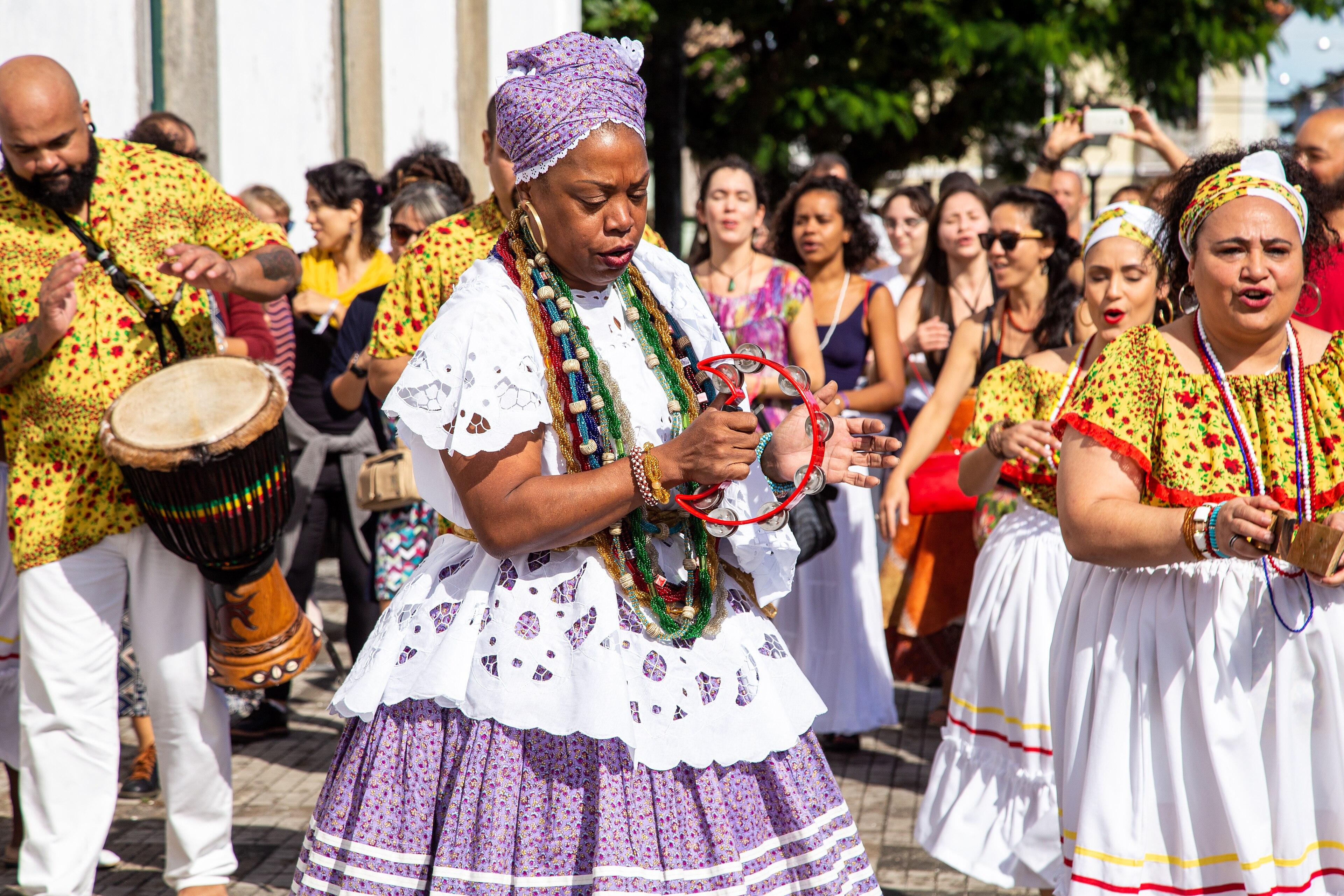
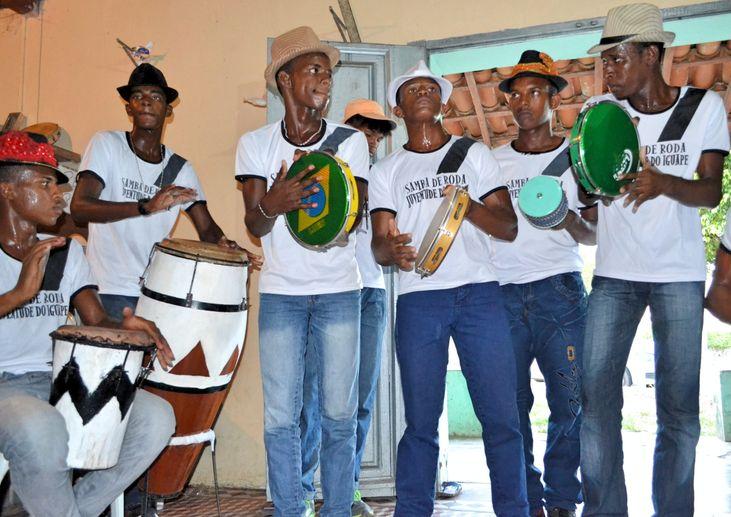
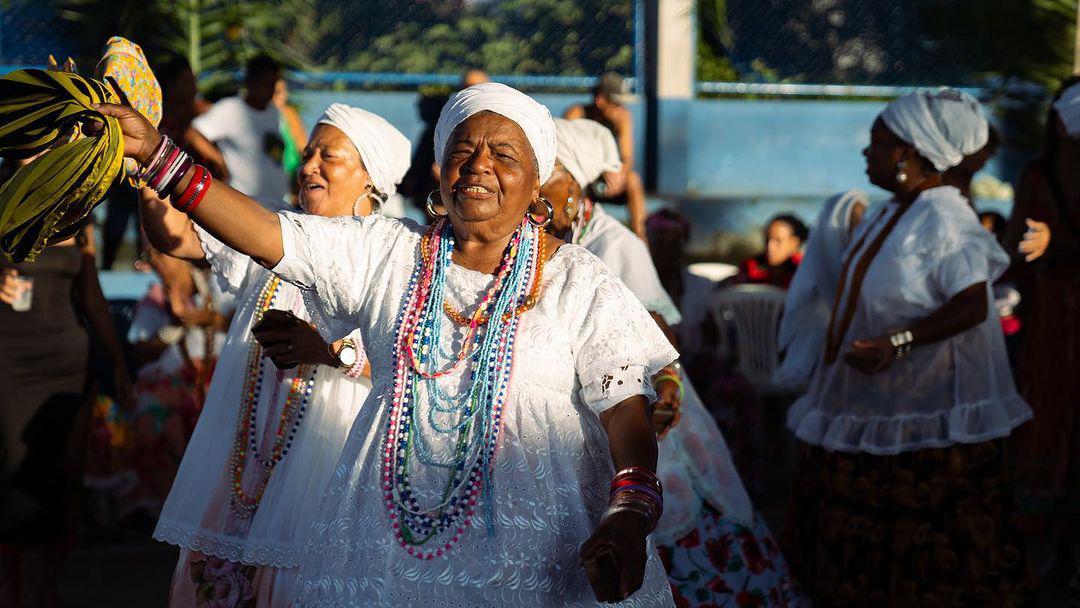
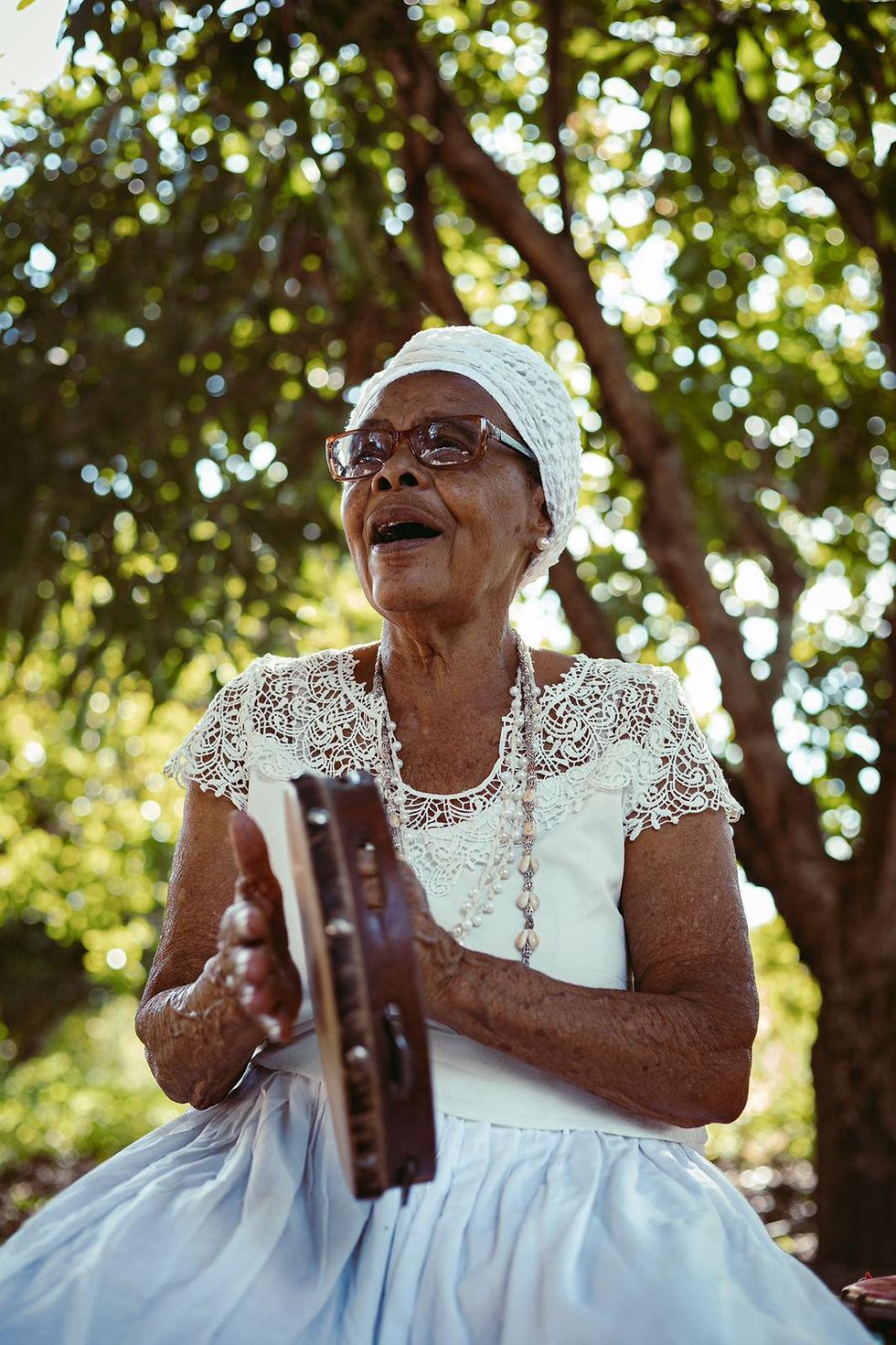
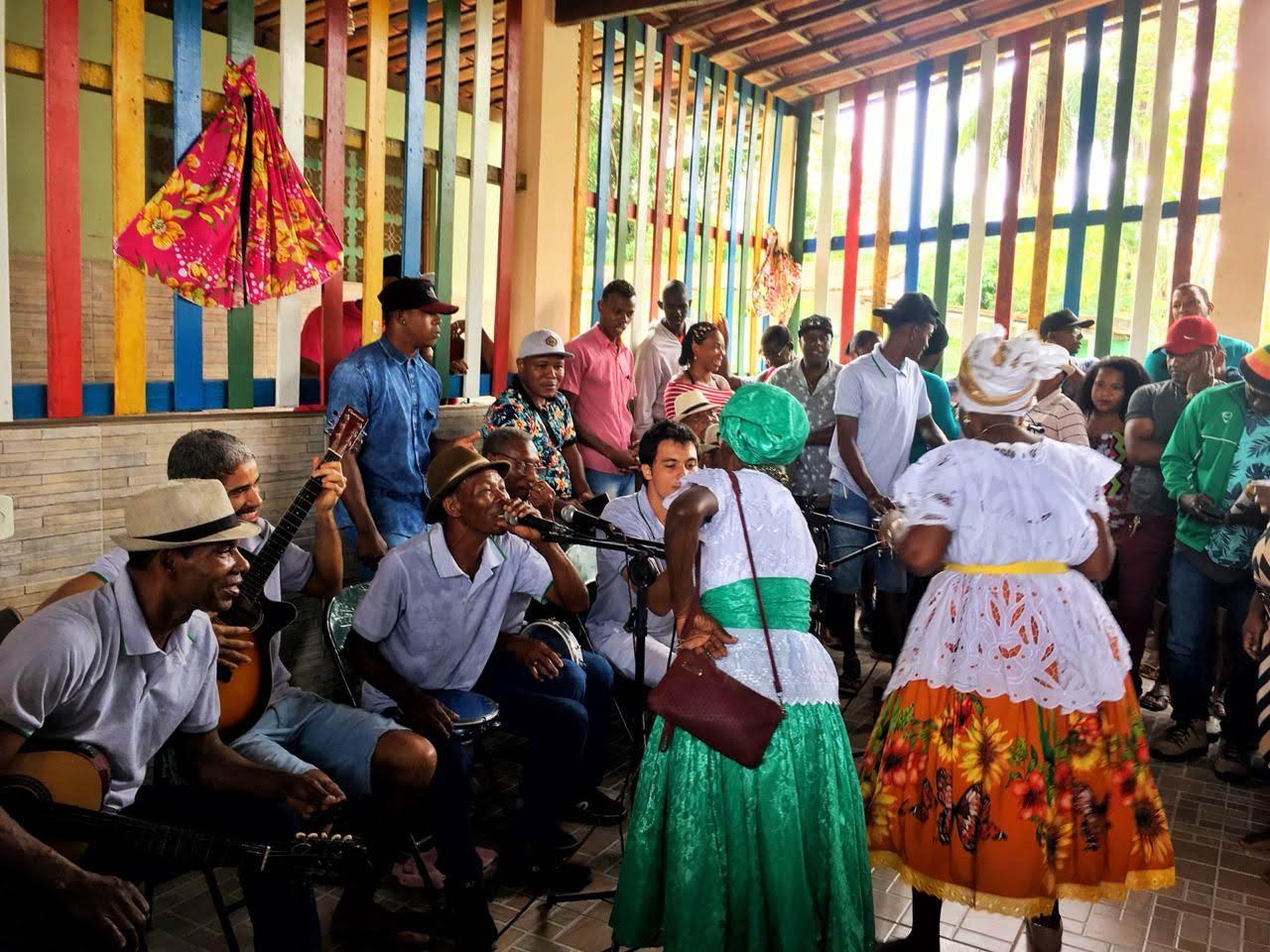
Samba de Roda is a communal musical and dance tradition rooted in the Recôncavo region of Bahia, where singing, percussion, handclapping and dance come together in a circular gathering. Participants form a roda while musicians establish the rhythm with instruments such as the pandeiro, atabaque and viola, accompanied by collective singing. One or more dancers enter the center of the circle to perform, often inviting another participant through gestures and movement before returning to the roda.
The tradition encompasses more than a musical performance. Its repertoire carries verses, memories, humor and social commentary, while the gathering itself creates a space for celebration, interaction and belonging. Samba de Roda is practiced during religious celebrations, festivities, family gatherings and other community occasions, with variations in rhythm, repertoire and performance according to locality and occasion.
09-30-2026
| Institutional and human capacities | The principal bearers of Samba de Roda are the sambadores and sambadeiras whose knowledge encompasses singing, dancing, percussion, repertoire, instruments, performance etiquette and the organization of the roda. This knowledge is not concentrated in a single specialist role: singers, instrumentalists, dancers, elders, young participants and organizers each contribute to keeping the tradition active. In Bahia, community associations and cultural groups have become important spaces for organizing performances, rehearsals and safeguarding initiatives. The Instituto do Patrimônio Histórico e Artístico Nacional (IPHAN) has supported the communities through safeguarding actions, documentation, training and the creation of spaces such as the Casas do Samba, which provide places for groups to meet, rehearse, preserve materials and transmit knowledge. | |
| Transmission and education | Samba de Roda is learned primarily through participation. Children and young people encounter the tradition in family gatherings, community celebrations and local groups, gradually learning songs, rhythms, dances and the social conventions of entering and responding within the roda. Observation is followed by imitation and active participation, allowing knowledge to develop through repeated experience rather than classroom instruction alone. Contemporary safeguarding initiatives have complemented this informal transmission with workshops, youth activities and organized training. Community groups have created opportunities for younger generations to learn percussion, singing and dance while remaining connected to older practitioners. This combination of everyday participation and organized educational activity helps maintain the tradition while allowing younger sambadores and sambadeiras to develop their own forms of expression. | |
| Inventorying and research | The documentation of Samba de Roda has been closely connected with Brazil's national system for safeguarding intangible cultural heritage. The tradition was researched and documented through studies of communities, repertories, instruments, performance practices and social contexts before its recognition as Brazilian cultural heritage and its subsequent UNESCO recognition. Research continues through community documentation, audiovisual records, interviews and inventories of groups and practitioners. Rather than treating documentation as a replacement for the living practice, safeguarding efforts use records to strengthen community memory and support transmission. The continued involvement of sambadores and sambadeiras is essential because much of the tradition's knowledge is embedded in performance, oral repertoire and practical experience. | |
| Policies as well as legal and administrative measures | Samba de Roda was recognized by Brazil as intangible cultural heritage through IPHAN's heritage system and was proclaimed by UNESCO in 2005 as a Masterpiece of the Oral and Intangible Heritage of Humanity, before being incorporated into the Representative List of the Intangible Cultural Heritage of Humanity in 2008. Following this recognition, safeguarding measures have focused on strengthening the communities that sustain the practice. IPHAN and community organizations have supported documentation, cultural spaces, training, publications, events and networks connecting different Samba de Roda groups. The renewal of the cultural-heritage registration in 2024 demonstrates that safeguarding is understood as an ongoing process rather than a one-time recognition. | |
| Role of intangible cultural heritage and its safeguarding in society | Samba de Roda provides a social space in which music, movement and collective memory are continually renewed. The roda brings together generations and creates opportunities for people to participate according to their abilities, whether by singing, playing instruments, dancing, clapping or simply joining the gathering. Through these interactions, cultural knowledge becomes part of everyday community relationships. The tradition also reflects the historical cultural formation of Bahia, particularly the profound contribution of Afro-Brazilian communities to the region's musical and social life. Safeguarding Samba de Roda therefore involves maintaining not only its musical structures but also the communal spaces, relationships and memories through which the practice continues to have meaning. | |
| Awareness raising | Public performances, cultural festivals, exhibitions, audiovisual productions and educational activities have expanded awareness of Samba de Roda beyond the communities where it is practiced. The Casas do Samba provide important spaces where visitors and younger generations can encounter the tradition, while community groups continue to present rodas during local celebrations and cultural events. Awareness raising increasingly emphasizes the people behind the tradition. Presenting sambadores and sambadeiras as bearers of knowledge helps audiences understand that Samba de Roda is not simply a musical genre or stage performance, but a living community practice. Documentation, cultural programming and digital media further allow songs, memories and performances from the Recôncavo to reach audiences beyond Bahia. | |
| Engagement of communities, groups and individuals as well as other stakeholders | Community participation is fundamental because the roda depends on interaction between its participants. Experienced sambadores and sambadeiras guide younger members, musicians respond to dancers, singers exchange verses, and participants collectively maintain the rhythm through clapping and movement. The boundaries between performer and audience can therefore remain fluid, with people entering the circle as their participation develops. Safeguarding initiatives have increasingly sought to strengthen this community-centered structure rather than separating the tradition from its practitioners. Networks of Samba de Roda groups encourage exchange between communities, while local associations organize rehearsals, celebrations and educational activities. The continued participation of women, men, elders and young people keeps the roda socially active and allows the tradition to evolve without losing its communal foundation. | |
| International engagement | Samba de Roda's international recognition began with UNESCO's 2005 proclamation and its subsequent inscription on the Representative List in 2008. This recognition placed the Bahia tradition within international discussions on safeguarding living heritage while drawing attention to the cultural knowledge maintained by communities of the Recôncavo. International visibility has also created opportunities for cultural exchange and research concerning Afro-Brazilian heritage, music, dance and community traditions. At the same time, international engagement remains connected to the principle that the tradition belongs to its living communities. Exchanges, documentation and public presentation are most meaningful when they strengthen recognition of the sambadores and sambadeiras whose participation keeps the roda alive. | |
| References |
|
|




.jpeg)


.png)

.jpeg)
.jpg)
.png)
.jpg)


_(31711258567).jpg)