
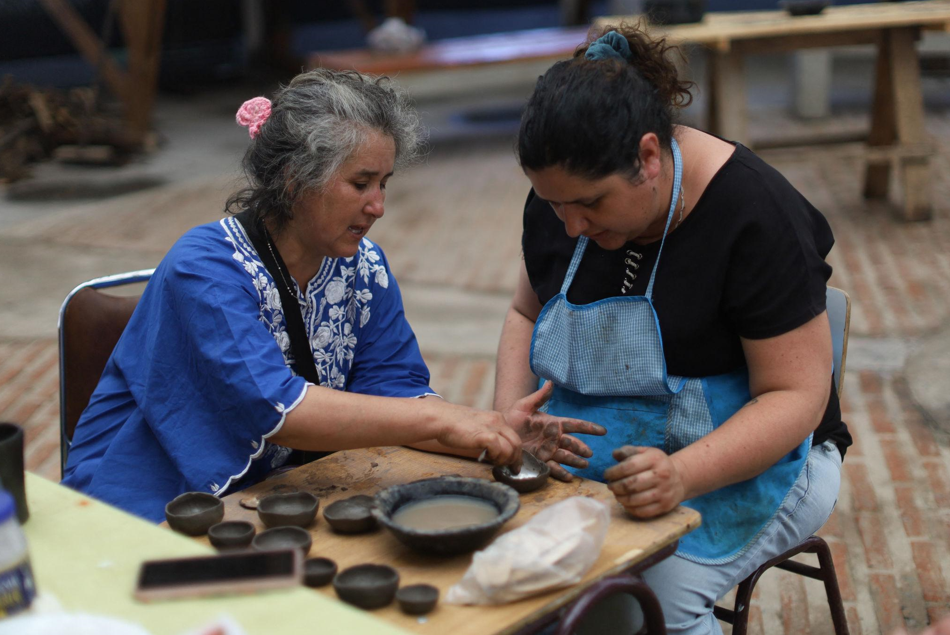
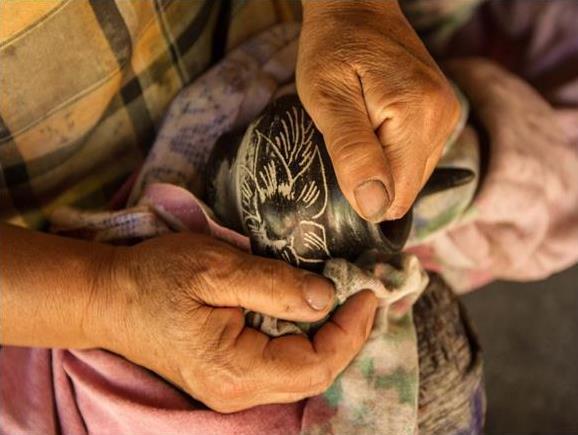
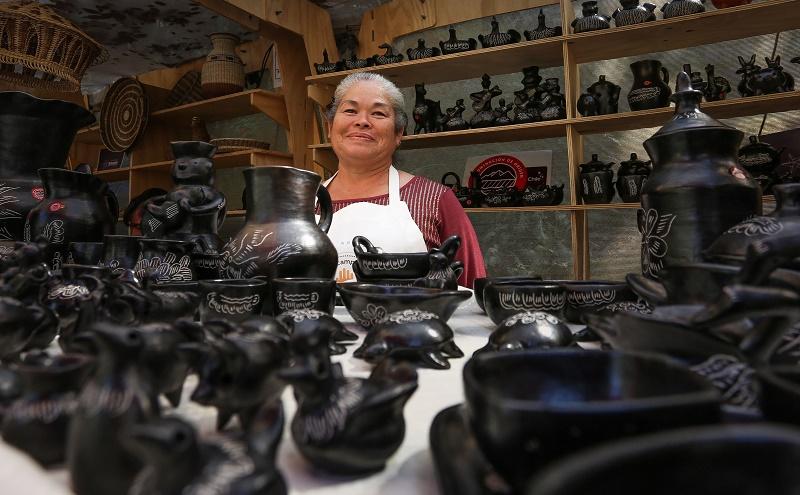
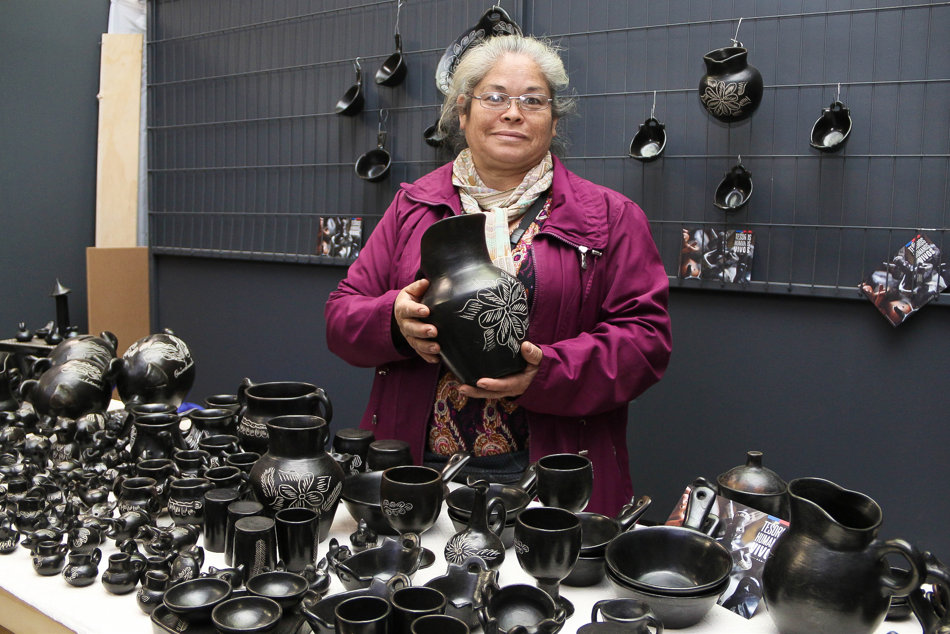
In Quinchamalí and Santa Cruz de Cuca, clay is transformed through a body of knowledge shaped by generations of practice. The distinctive pottery is recognized for its deep black surfaces, white decorative details and forms that range from household vessels to figures associated with rural life. Pieces such as the guitarrera and the three-legged pig carry local memories into clay, connecting the work of the potter with the cultural landscape and everyday imagery of central Chile.
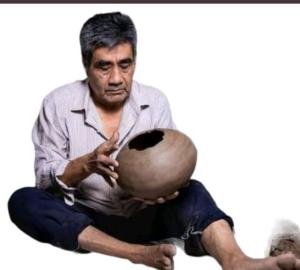
The making of each piece involves far more than shaping an object. Potters must know where to obtain suitable clay and other materials, how to prepare and work them, how to shape the desired form and how to control the processes that produce the characteristic black finish. The white designs are then added by hand, making each object a material expression of both inherited technique and individual creativity.
09-08-2026
| Institutional and human capacities | The greatest capacity for sustaining this tradition remains with the potters themselves, particularly the women through whom much of the knowledge has historically been transmitted. Mothers, grandmothers and other experienced practitioners have played a central role in introducing younger generations to the materials, techniques and meanings associated with black clay pottery. This accumulated knowledge includes not only making objects but also understanding the local environment from which the materials are obtained. The community is supported by Chile's cultural heritage institutions, including the bodies responsible for the country's Intangible Cultural Heritage Inventory and safeguarding processes. The UNESCO inscription also emerged through collaboration with the practitioner community, demonstrating the importance of involving the people who carry the knowledge in decisions concerning its future. | |
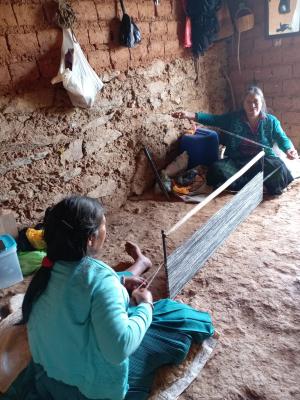
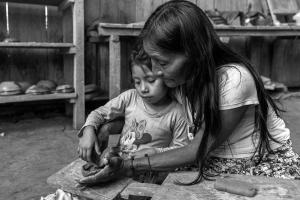
| Transmission and education | Transmission traditionally takes place through close participation in the work itself. Younger generations learn by observing experienced potters, becoming familiar with clay and gradually participating in the stages of preparation and production. This process allows technical knowledge to be transmitted together with stories, memories and an understanding of the cultural significance of the objects being made. Today, intergenerational transmission has become one of the most important concerns for safeguarding. The number of active practitioners and the challenges faced by younger generations make it essential to create opportunities for children and new learners to engage directly with experienced potters. Supporting transmission means ensuring that the knowledge can continue to be learned through hands-on practice rather than surviving only in documentation. | |
| Inventorying and research | The pottery was incorporated into Chile's Intangible Cultural Heritage Inventory in 2017. Its inventorying process involves collaborative assessment and diagnosis, bringing together research teams, heritage institutions and representatives of the practitioner community. This approach recognizes that the pottery must be documented as a living practice whose conditions can change over time. Research has become particularly important for understanding the environmental and social challenges affecting the practice. Recent work has documented the knowledge surrounding the black clay, the experiences of practitioners and the transformations caused by changes in natural resources and local conditions. Recording these experiences helps preserve not only information about finished pottery, but also the knowledge and memories embedded in the process of making it. | |
| Policies as well as legal and administrative measures | The inclusion of the pottery on UNESCO's Urgent Safeguarding List in 2022 established an important framework for supporting its continued practice. Chile's commitment to safeguarding recognizes that the tradition faces challenges requiring active measures rather than relying on its historical importance alone. The element is also protected through its inclusion in the national inventory system. Environmental conditions are particularly important within this safeguarding framework. UNESCO's decision specifically encouraged Chile to address the environmental effects associated with the practice and to develop measures that reduce pollution and protect the health and well-being of the communities involved. Protecting the tradition therefore requires attention to both cultural knowledge and the physical environment on which the craft depends. | |
| Role of intangible cultural heritage and its safeguarding in society | For the communities of Quinchamalí and Santa Cruz de Cuca, the pottery represents a connection between inherited knowledge, rural memory and local identity. Each stage of production depends on experience accumulated over generations, while the finished objects preserve forms and images that remain connected to the cultural life of the region. Safeguarding the practice therefore means protecting the relationship between people, knowledge, materials and place. The urgent safeguarding status also makes clear that recognition alone cannot guarantee continuity. Safeguarding must strengthen the ability of practitioners to continue working, transmitting their knowledge and accessing the natural resources required for production. The long-term future of the tradition depends on keeping the knowledge active in the hands of the communities rather than treating the pottery only as a collection of objects. | |
| Awareness raising | The distinctive appearance of the pottery has made it one of the most recognizable craft traditions associated with the Ñuble Region and Chile more broadly. Exhibitions, cultural events, publications and media coverage provide opportunities for wider audiences to encounter the work of the potters and learn about the cultural knowledge behind the black surfaces and white decorations. Awareness raising is particularly meaningful when it makes the practitioners themselves visible. Understanding the pottery only through famous figures or decorative objects can obscure the work, knowledge and environmental challenges involved in producing them. Greater visibility should therefore help audiences recognize the living hands, family histories and cultural relationships that make every piece possible. | |
| Engagement of communities, groups and individuals as well as other stakeholders | Community participation has been fundamental to the recognition and safeguarding of the pottery. The UNESCO nomination and safeguarding processes involved direct dialogue with the practitioner community, and dozens of artisans explicitly expressed their consent and support for the inscription. This participation reflects the principle that the future of the tradition should be shaped with the people who continue to practice it. Within the communities, participation also occurs through the sharing of knowledge, family relationships and collective cultural activities. The pottery is sustained not by isolated individuals but by networks of practitioners and families who have preserved knowledge of the craft across generations. Strengthening these relationships can help create conditions in which new practitioners feel able to continue the tradition. | |
| International engagement | The 2022 UNESCO inscription brought the pottery of Quinchamalí and Santa Cruz de Cuca into an international conversation about safeguarding endangered forms of intangible cultural heritage. Its placement on the Urgent Safeguarding List highlights both its cultural importance and the challenges that threaten its continuity, creating opportunities for international cooperation and support. International engagement can also support exchanges between practitioners and communities facing similar challenges in traditional craftsmanship. Dialogue concerning access to natural resources, intergenerational transmission, environmental change and the economic sustainability of handmade traditions could provide valuable opportunities while allowing the communities of Quinchamalí and Santa Cruz de Cuca to share their own experience of safeguarding knowledge carried through generations of hands. | |
| References |
|
|












.jpeg)




.png)









.jpeg)
.jpg)


.png)
.jpg)


_(31711258567).jpg)