
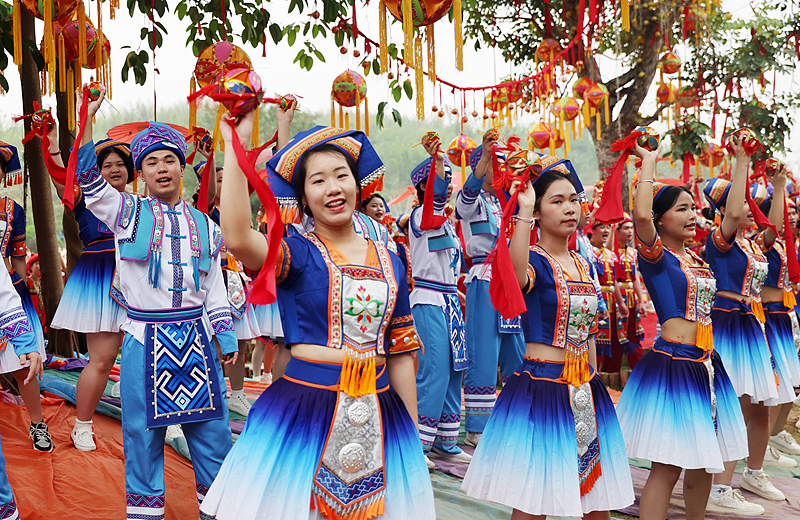
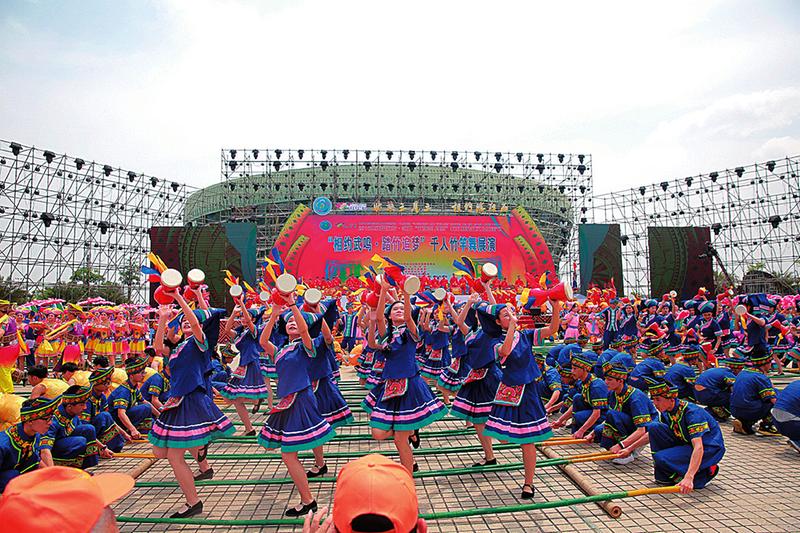
Each year, on the third day of the third lunar month, Sanyuesan brings together some of the most important folk traditions of Wuming's Zhuang communities. The festival is rooted in the collective cultural life of the people, creating a shared space in which folk songs, ancestral remembrance, food preparation, games, social interaction and seasonal celebration come together. Rather than being defined by a single ceremony or performance, Sanyuesan is formed through the participation of the community and the many folk practices that people continue to share and renew each spring.
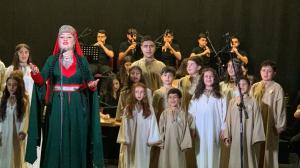
Folk singing occupies a central place within this cultural space. Through the tradition of the song fair, people gather to exchange songs, respond to one another and demonstrate their creativity and cultural knowledge through spontaneous expression. Singing traditionally creates opportunities for people to meet, form friendships, express affection and interact through a shared language of melody and poetic verse. A song is not simply performed for an audience; it invites another voice to answer. Through this exchange, the song fair becomes a living form of folk communication in which knowledge, creativity and social relationships circulate directly among participants.
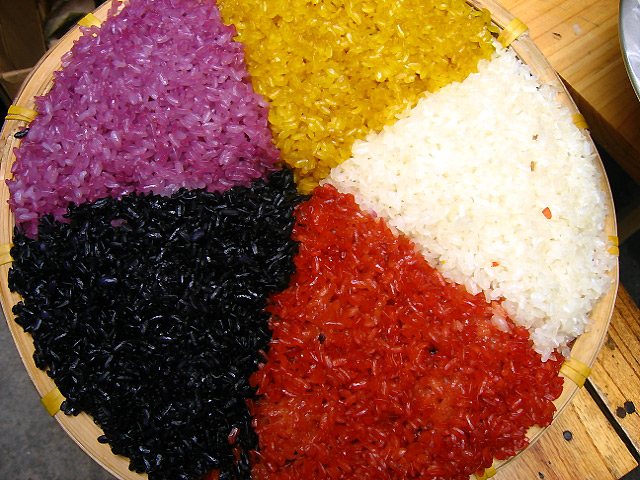
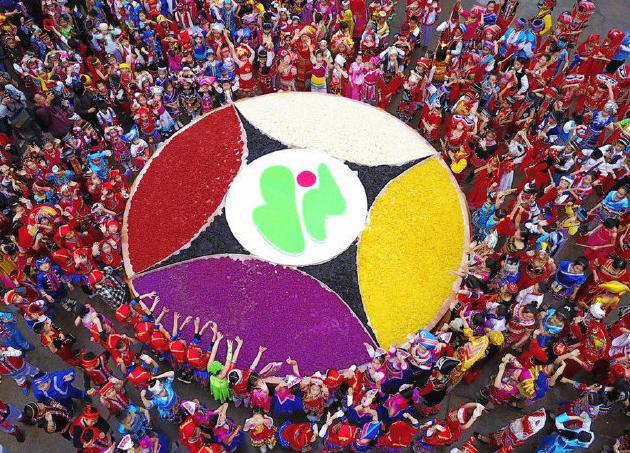
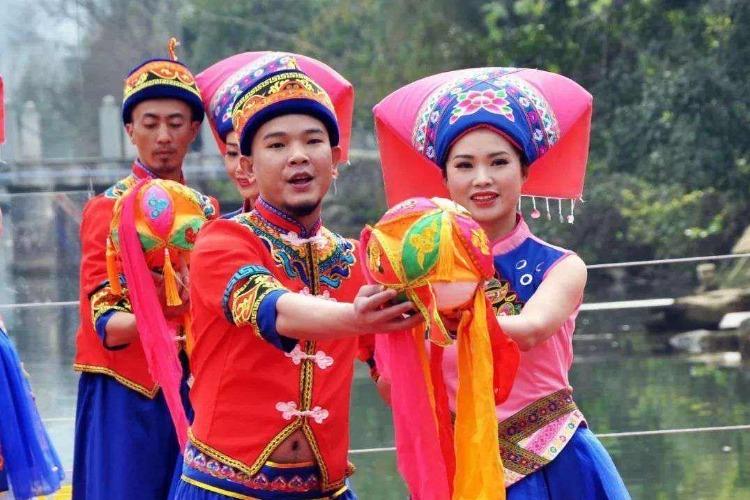
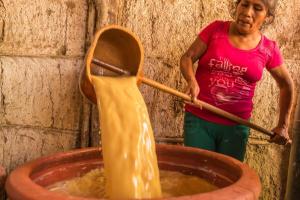
The folk character of Sanyuesan is also expressed through the many practices surrounding the song gatherings. Families and communities prepare five-colored glutinous rice, traditionally associated with ancestral offerings, while festive activities such as embroidered-ball throwing and other traditional games bring people together through shared participation. Historical and spiritual practices, including traditions associated with Xuantian and the Dragon Mother, add further layers of meaning to the celebration.
Together, these practices make Sanyuesan a living folk festival rather than simply a public cultural event. Its vitality comes from the ways in which songs are exchanged, foods are prepared, traditions are remembered and people gather as members of a community. Each return of the third lunar month provides an opportunity for these practices to move once again from individual and family knowledge into a shared cultural experience, renewing the relationships that have long connected the people of Wuming with their traditions and with one another.
09-03-2026
| Institutional and human capacities | The continued life of Sanyuesan in Wuming depends first and foremost on the people who practice and transmit it. Village communities, singers, ritual specialists, elders, families and younger participants all contribute different forms of knowledge to the festival. Because the celebration brings together several traditions, its safeguarding requires attention not only to the large public song fair but also to the smaller community practices through which its cultural meaning is maintained. Folk singers play a particularly important role. Their knowledge includes the ability to remember traditional songs, respond to other singers and, in many cases, compose verses spontaneously according to the situation. The national ICH database identifies representative inheritors associated with the Wuming tradition, including singers who learned mountain songs within their families and later became active in organizing celebrations and teaching others. The Wuming District Cultural Center serves as the designated protection institution for the national ICH element. Its role complements the knowledge maintained within communities by supporting documentation, transmission and cultural activities. This combination of community-based practice and institutional support provides an important foundation for safeguarding the festival without separating it from the people who give it meaning. | |
| Transmission and education | The transmission of Sanyuesan has traditionally taken place through participation. Children grow up hearing songs, observing festive preparations, joining family and community gatherings and gradually becoming familiar with the practices associated with the third day of the third lunar month. Knowledge is therefore transmitted not only through formal instruction but also through repeated participation in the seasonal rhythm of community life. Song is especially dependent on direct learning. Younger singers learn from parents, grandparents and experienced song masters, gradually becoming familiar with melodies, poetic structures and the cultural knowledge expressed through the songs. The ability to respond creatively to another singer develops through practice, listening and participation in real social situations. The experience of recognized bearers in Wuming demonstrates how this knowledge can move from family learning into wider community transmission. Contemporary safeguarding has also created additional opportunities for transmission through schools, cultural programs and organized song activities. These initiatives can introduce younger generations to the festival while encouraging them to understand Sanyuesan as something they can actively participate in rather than simply observe. The greatest strength of transmission remains the festival itself: every return of the third lunar month creates another opportunity for people to gather and renew their relationship with the tradition. | |
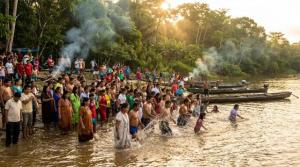
| Inventorying and research | Wuming's Sanyuesan has been documented through historical records, ethnographic research and China's official intangible cultural heritage system. The national ICH inventory identifies the festival as a distinct cultural space that brings together ancestral worship, spiritual practices, social interaction and song traditions. It also documents historical references to the preparation of colored glutinous rice and the development of local religious and festive practices. Historical sources provide important evidence of the long development of the festival in the Wuming area. Records from the Ming and Qing periods describe local customs connected with the third day of the third lunar month, including ancestral offerings and song gatherings. Historical descriptions also record gatherings in which young people met along local rivers and exchanged songs over several days. These records provide valuable context for understanding the historical depth of the living practices maintained today. Contemporary inventorying increasingly places attention on the people who carry the tradition. Representative bearers, local singers and ritual practitioners provide important knowledge that cannot be fully captured through written records alone. Their experiences, repertoires and memories form an essential part of documenting the festival as living heritage. | |
| Policies as well as legal and administrative measures | The recognition of Sanyuesan (Zhuang Sanyuesan) as a national representative intangible cultural heritage element in 2014 provides an important safeguarding framework for the tradition. The designation formally recognizes Wuming's cultural contribution and supports the continued protection, transmission and documentation of the festival. Safeguarding is also supported through broader cultural policies and activities related to the protection of intangible cultural heritage in Guangxi. Public programs have increasingly combined community participation, educational activities and cultural presentation, creating additional opportunities for the traditions associated with Sanyuesan to remain visible and accessible. An important safeguarding challenge is ensuring that policy support continues to strengthen the practices themselves. As Sanyuesan becomes increasingly visible through large-scale celebrations and tourism, protection must continue to support the singers, families, ritual practitioners and local communities whose participation maintains the festival's cultural depth. | |
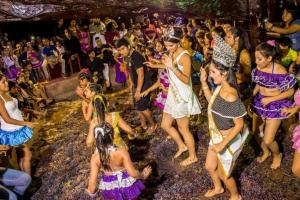
| Role of intangible cultural heritage and its safeguarding in society | Sanyuesan provides an important moment for communities in Wuming to renew their cultural relationships. During the festival, knowledge that may normally be practiced in families, villages or smaller social settings becomes visible within a wider shared celebration. Songs are exchanged publicly, traditional foods are prepared and shared, and cultural practices associated with ancestors and local spiritual traditions are renewed. The festival also strengthens community identity through participation. People do not simply attend Sanyuesan as spectators; they sing, prepare food, organize gatherings, participate in games and share cultural knowledge with one another. This collective character is one of the central reasons the tradition has remained active over generations. The official ICH documentation specifically describes its transmission as being collectively supported by key members of village communities and local populations. Safeguarding Sanyuesan therefore means protecting the conditions that allow these practices to continue. Song traditions require spaces for singers to meet. Food traditions require knowledge of ingredients and preparation. Ritual practices depend on the people who understand their meanings and procedures. By supporting these interconnected elements, safeguarding can help ensure that Sanyuesan remains a living cultural practice rather than becoming only a staged representation of Zhuang culture. | |
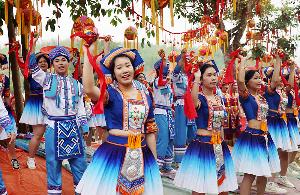
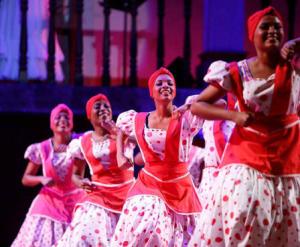
| Awareness raising | The annual celebration of Sanyuesan is itself one of the most important ways in which awareness of the tradition is maintained. Each spring, the festival brings cultural practices into public view and allows residents and visitors to encounter the songs, clothing, foods and social activities associated with Zhuang cultural life. Public cultural activities have also helped introduce Sanyuesan to wider audiences. Song performances, ICH exhibitions and educational programs create opportunities for people outside individual communities to learn about the festival. At the same time, awareness raising is most meaningful when it helps audiences understand the cultural knowledge behind the celebration rather than presenting its practices merely as entertainment. The growing visibility of the festival provides opportunities to share Wuming's cultural traditions beyond the district. However, this visibility also reinforces the importance of community participation. The most distinctive image of Sanyuesan is not simply a stage performance, but the continuing practice of people gathering and using song, food and shared celebration to express their cultural relationships. | |
| Engagement of communities, groups and individuals as well as other stakeholders | Community participation remains at the heart of Wuming's Sanyuesan. The festival has historically been sustained through village and family participation, with different members of the community contributing according to their knowledge and roles. Singers lead or participate in song exchanges, families prepare food, ritual specialists conduct ceremonies, and younger generations join the social and festive activities. The tradition of antiphonal singing is particularly participatory. A song is not complete as an isolated expression; it invites a response. The exchange requires listening, creativity and interaction, making the song fair a space where cultural participation is created collectively. This interactive quality helps explain why singing remains one of the strongest symbols of Sanyuesan in Wuming. Contemporary celebrations have expanded the number of people able to participate in the festival, but local community involvement remains essential. The continued presence of village-based customs alongside larger public celebrations helps preserve the diversity of ways in which Sanyuesan is practiced. This balance between community traditions and wider cultural participation will remain important for the future safeguarding of the festival. | |
| International engagement | Although Sanyuesan is deeply rooted in the cultural life of Wuming and the wider Zhuang communities of Guangxi, its recognition as national intangible cultural heritage creates opportunities for international cultural exchange. The festival provides an accessible way to share Zhuang traditions of song, seasonal celebration and community participation with audiences beyond China. The strongest potential for international engagement lies in the exchange of living cultural practices, rather than simply presenting Sanyuesan as a cultural spectacle. Folk singers, researchers, cultural institutions and young practitioners can share knowledge about antiphonal singing, oral creativity, community festivals and the transmission of seasonal traditions. Sanyuesan also offers opportunities for dialogue with other communities around the world that maintain spring festivals, song traditions and forms of cultural transmission based on communal gathering. Such exchanges can highlight both the distinctive character of Wuming's heritage and the broader ways in which communities use seasonal celebrations to renew social relationships and transmit cultural knowledge. For Wuming, international engagement should therefore support a deeper understanding of the festival's living cultural context: a springtime space in which people gather to remember, sing, meet, celebrate and carry their traditions into another generation. | |
| References |
|
|





.jpeg)



.png)

.jpeg)
.jpg)

.png)
.jpg)


_(31711258567).jpg)