
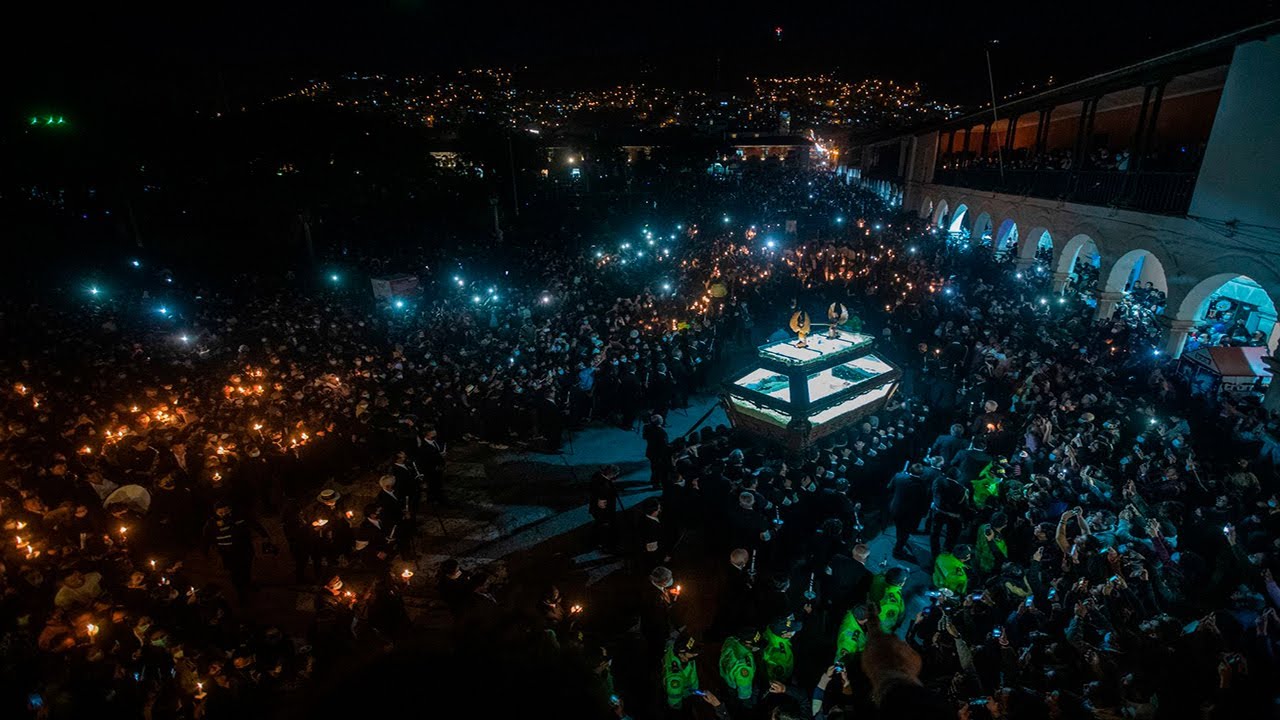
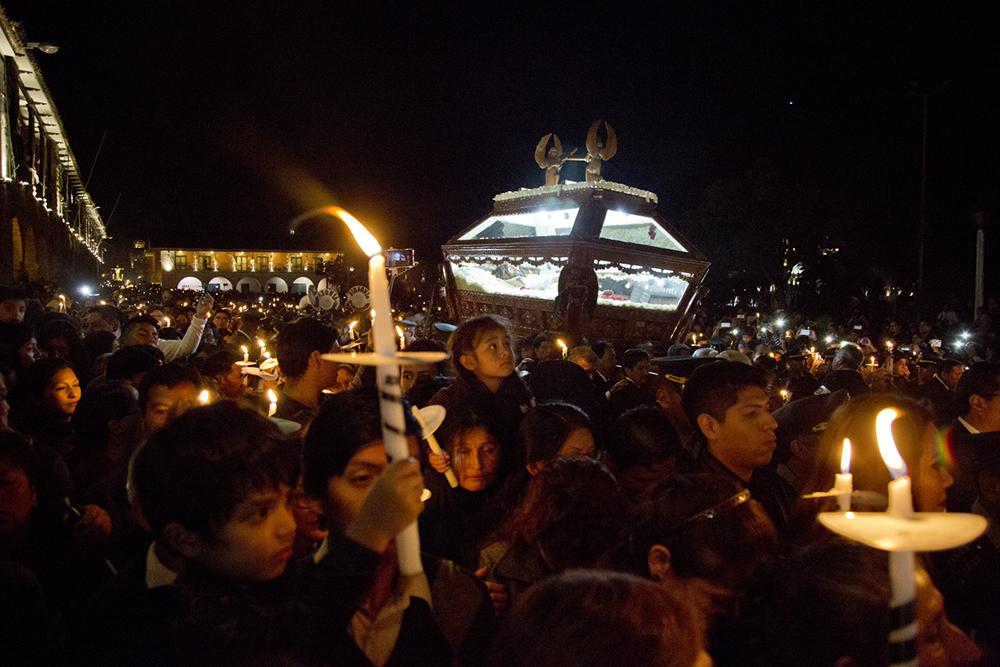
Semana Santa de Ayacucho is one of the most significant religious and cultural celebrations in Peru. Held annually according to the movable Catholic calendar, the celebration extends across eleven central days between March and April and brings processions, liturgical ceremonies, music, devotional practices, collective meals, festive gatherings and the decoration of religious images into the streets and churches of Ayacucho. The celebration has been associated with the city's colonial religious history, while its contemporary form is particularly connected to a continuity of more than 150 years. In 2022, the Ministry of Culture declared it Cultural Heritage of the Nation, recognizing it as the most important expression of faith and cultural identity within Ayacucho's festive calendar.
What makes Ayacucho's Semana Santa especially significant as intangible cultural heritage is the way Catholic liturgy has become intertwined with popular forms of devotion and local cultural expression. The celebration is not experienced solely inside churches: streets, plazas, households, workshops and neighborhoods become part of the ritual landscape. Religious images are carried through the city by organized groups, while musicians, artisans, mayordomos, cargadores, families and other participants contribute knowledge and labor to a celebration that is renewed each year. The Ministry of Culture describes this convergence of liturgical and popular religiosity as a form of syncretism that brings together different sectors of Ayacuchan society and strengthens its social fabric.
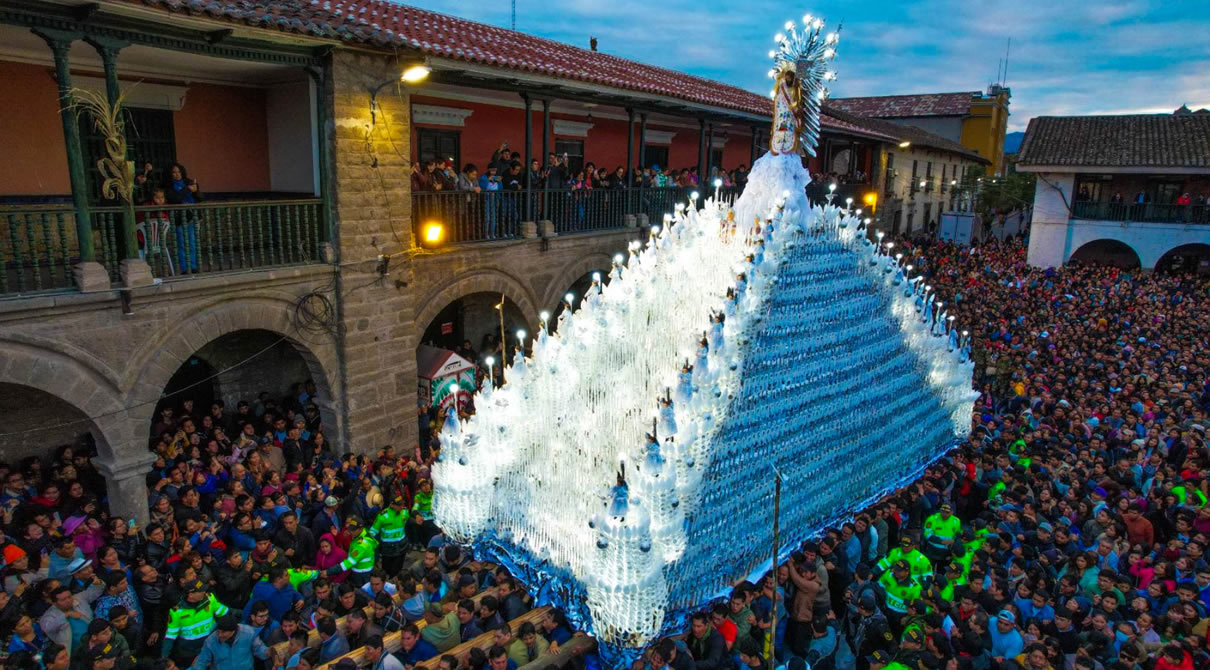
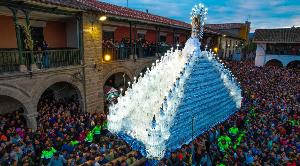
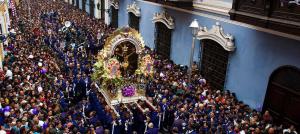
The celebration unfolds as a gradual movement from anticipation and solemnity toward mourning and finally resurrection. Among its best-known moments are the Señor de Ramos procession on Palm Sunday, the processions of the Señor del Huerto and Señor de la Sentencia, the deeply symbolic Encuentro on Holy Wednesday, the visitation of seven temples on Holy Thursday, the Santo Sepulcro procession on Good Friday, the construction of the enormous Easter float on Holy Saturday, and the spectacular procession of the Señor de Pascua de Resurrección on Easter Sunday.
08-21-2026
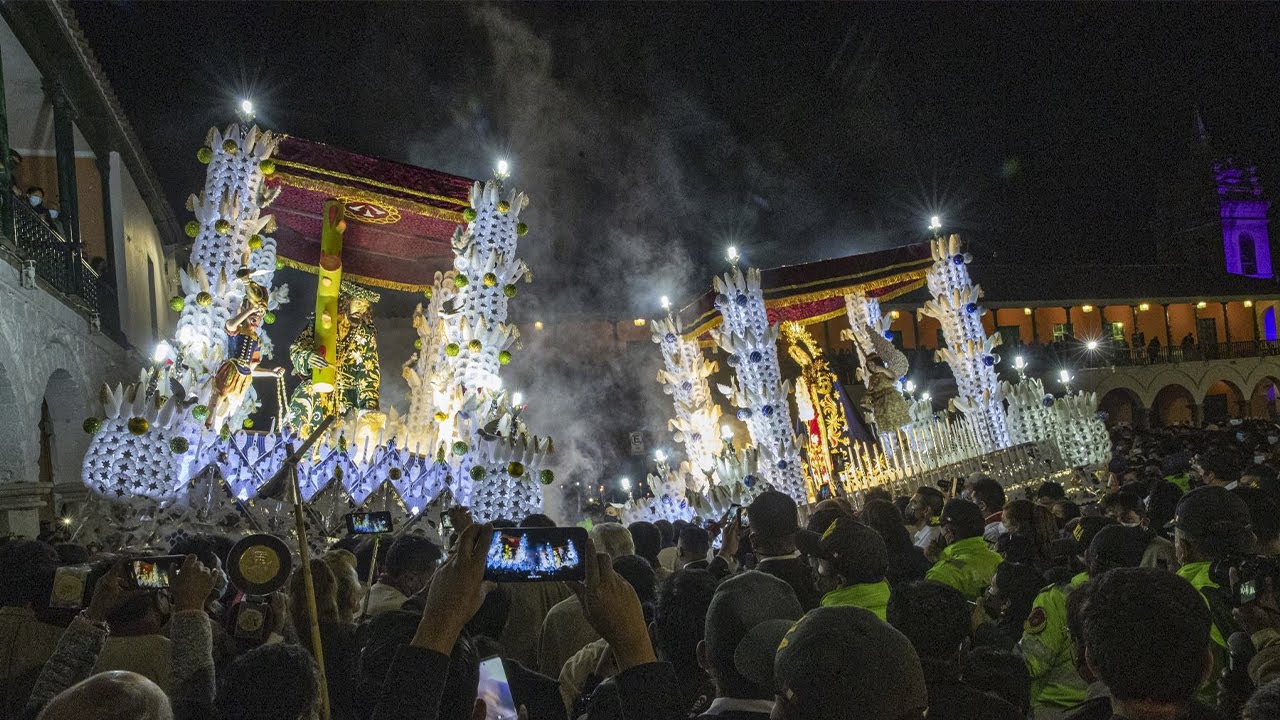
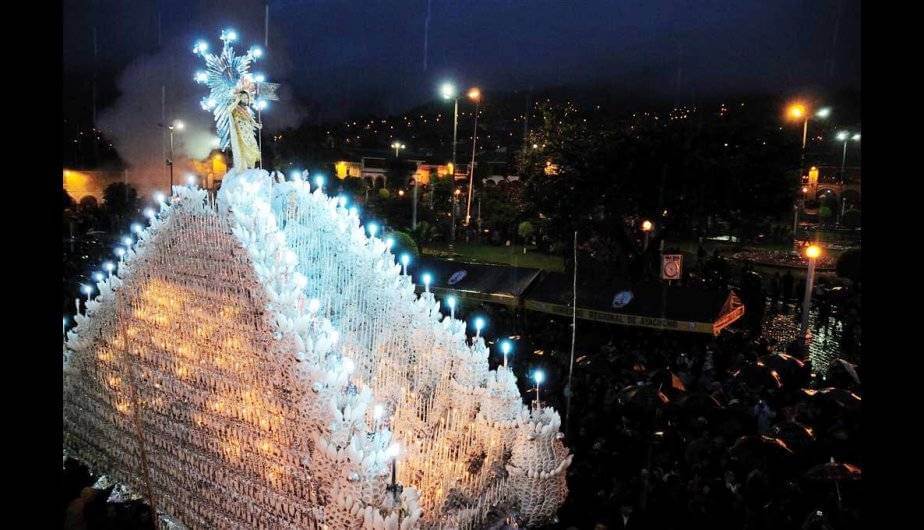
| Institutional and human capacities | Semana Santa is sustained by a complex network of religious and community participants. Mayordomos assume responsibility for particular celebrations and devotional images, while hermandades organize groups of bearers who carry the processional images through the streets. Priests and religious institutions conduct liturgical activities, while musicians, artisans, adornistas, decorators, vendors, families and other residents contribute to the broader celebration. One of the most striking examples of collective capacity appears during the Easter procession. The enormous processional structure for the Señor de Pascua de Resurrección is assembled collectively and subsequently carried by hundreds of people. The Ministry of Culture describes the structure as approximately 15 meters long, with a pyramidal section reaching around 9 meters in height and weighing more than three tonnes once decorated. | |
| Transmission and education | Knowledge associated with Semana Santa is transmitted principally through participation. Children and young people encounter the celebration through their families, neighborhoods, churches and community activities, gradually learning how processions are organized, how devotional objects are prepared, how particular images are accompanied and how collective responsibilities are assumed. This transmission is particularly evident in the specialized crafts associated with the celebration. The ornaments placed on processional platforms are produced through techniques learned within family workshops. The Ministry of Culture identifies traditional wax-making as a specialized craft practiced by family workshops and notes that the finest examples are prepared for Semana Santa. The transmission of religious knowledge is therefore inseparable from the transmission of practical skills. A participant may learn not only prayers and devotional meanings, but also how to prepare candles, decorate an anda, participate in a procession, contribute food or assume responsibilities within a mayordomía. | |
| Inventorying and research | The cultural complexity of Ayacucho's Semana Santa has been documented through historical, anthropological, religious and cultural research. The Ministry of Culture's 2022 declaration provides an important official inventory of the celebration's principal processions, rituals, participants and material expressions. Research and documentation also reveal that the celebration cannot be understood through its processions alone. The heritage encompasses the organization of mayordomías and hermandades, devotional practices, music, traditional food, waxwork, floral decoration, religious imagery and the transformation of public spaces into temporary ritual environments. The relationship between Semana Santa and other recognized Ayacuchan cultural expressions is particularly significant. The Art of Cerería in Ayacucho, for example, was independently declared Cultural Heritage of the Nation in 2020, with its declaration explicitly recognizing its importance in decorating the processional images of Holy Week. | |
| Policies as well as legal and administrative measures | The principal national recognition is Resolution Viceministerial No. 226-2022-VMPCIC-MC, issued on 17 October 2022, which declared Semana Santa de Ayacucho Cultural Heritage of the Nation. The declaration identifies the celebration as a major expression of regional faith and identity and emphasizes the coexistence of Catholic liturgy, popular religiosity and syncretic practices. The declaration also establishes an important heritage principle: the celebration depends upon the continued participation of its communities of bearers. The Ministry has emphasized the responsibility of authorities and communities to address problems that could threaten the continuity of the celebration and, consequently, its recognized heritage status. The recognition of associated practices strengthens this cultural framework. Traditional Ayacuchan cerería, for instance, received its own Cultural Heritage declaration in 2020, acknowledging the specialized knowledge of family workshops and its importance to religious celebrations. | |
| Role of intangible cultural heritage and its safeguarding in society | Semana Santa creates a temporary social world in which the city itself becomes part of religious practice. Streets, plazas and churches acquire ritual functions as processions pass through them, while residents participate as bearers, musicians, artisans, organizers, devotees or spectators. The celebration also creates relationships between generations and social groups. Responsibilities associated with mayordomías, hermandades, family workshops and processional activities require cooperation and reinforce connections between people. This is precisely why the Ministry of Culture considers the celebration important for the social fabric of Ayacucho. The transition from mourning to resurrection is particularly important. The solemnity of Good Friday gives way to the extraordinary collective energy of Easter Sunday. The same community that accompanies Christ through suffering participates only two days later in an enormous public celebration of resurrection. | |
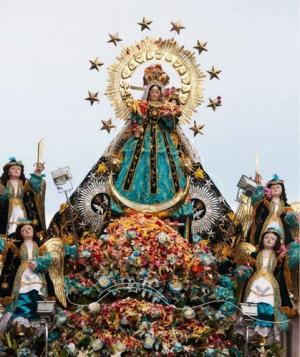
| Awareness raising | Semana Santa makes Ayacucho's cultural identity highly visible both to its inhabitants and to visitors. Religious images, processions, music, candles and elaborate decorations transform the historic center into a highly recognizable cultural landscape during the celebration. The processional arts are particularly powerful forms of cultural communication. The decorated anda does not merely transport a religious image: its candles, flowers, wax figures and agricultural motifs communicate devotion while also displaying local artistic knowledge. In the traditional cerería, motifs such as maize and parrots appear among the wax decorations, connecting Catholic devotion with symbolic references to agricultural life and the land. The festival therefore communicates cultural knowledge through movement, sound, material objects and collective participation, rather than through formal explanation alone. | |
| Engagement of communities, groups and individuals as well as other stakeholders | The celebration depends upon a wide range of participants whose responsibilities complement one another. Mayordomos organize particular devotional celebrations; hermandades and cargadores carry the images; religious authorities conduct liturgical ceremonies; musicians accompany processions; artisans produce decorations; and families participate in devotional and social activities. The relationship between mayordomía and continuity is particularly significant. On Easter Sunday, after the principal procession, the responsibility of the celebration is ceremonially transferred to the mayordomo who will assume responsibility for the following year. This creates an annual cycle through which responsibility for the celebration passes between generations and households. The celebration thus depends upon more than individual devotion. It requires an organized community capable of reproducing a complex sequence of rituals, skills and responsibilities year after year. | |
| International engagement | Ayacucho's Semana Santa has become internationally recognized as one of Peru's major expressions of religious and popular culture. Visitors from other parts of Peru and abroad participate in the celebration, particularly during the central days of Holy Week. Its international visibility has also contributed to the broader recognition of Ayacucho as a center of religious art, traditional craftsmanship and popular culture. However, the international presence remains secondary to the community-based character of the celebration: the festival's cultural significance derives fundamentally from the people of Ayacucho who organize and perform it. | |
| References |
|
|




.jpeg)



.png)

.jpeg)
.jpg)

.png)
.jpg)


_(31711258567).jpg)