
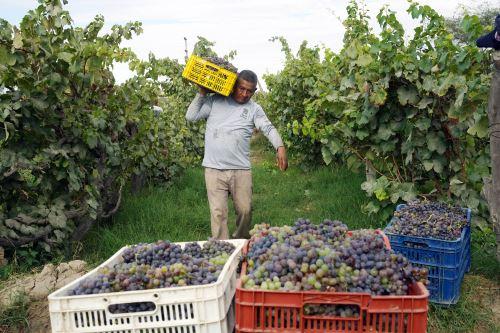
Pisco is a distilled spirit made from grapes and one of the most recognizable cultural products associated with Peru. Its identity is closely connected to the country's history of viticulture, coastal agriculture and distillation, but also to the people who have cultivated grapes, maintained bodegas and transmitted production knowledge across generations. Unlike a beverage defined only by its ingredients, pisco encompasses a wider body of knowledge concerning grape varieties, harvesting, fermentation, distillation, maturation, sensory evaluation and the appropriate conditions for producing the spirit.
In Peru, pisco has acquired significance far beyond its role as an alcoholic beverage. It is present in national celebrations, gastronomy, hospitality, tourism and regional identity, and has become an important symbol through which Peruvians represent their cultural heritage. Its production also connects different periods of Peruvian history: the introduction of European grapevines during the colonial period, the development of viticulture in the coastal valleys, the emergence of grape distillation, and the continuing work of contemporary producers.
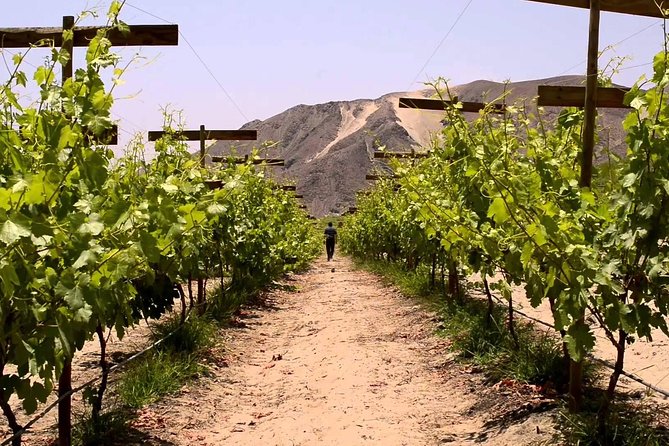
For the people of Ica, however, pisco has a more immediate and local meaning. The relationship with pisco begins in the vineyards and continues through the bodegas where grapes are transformed into spirit. Families, agricultural workers, producers and distillers participate in a productive cycle shaped by Ica's dry climate, irrigation systems and agricultural landscape. Pisco therefore forms part of the region's everyday economic and cultural life, while also serving as a source of family memory, local identity and pride.
08-21-2026
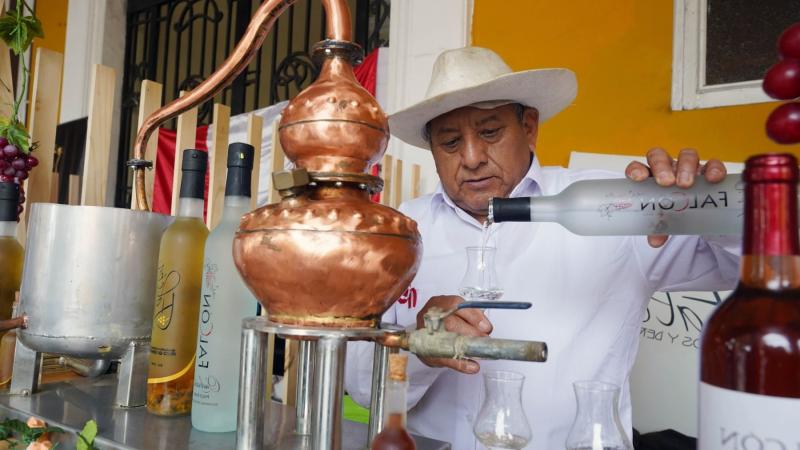
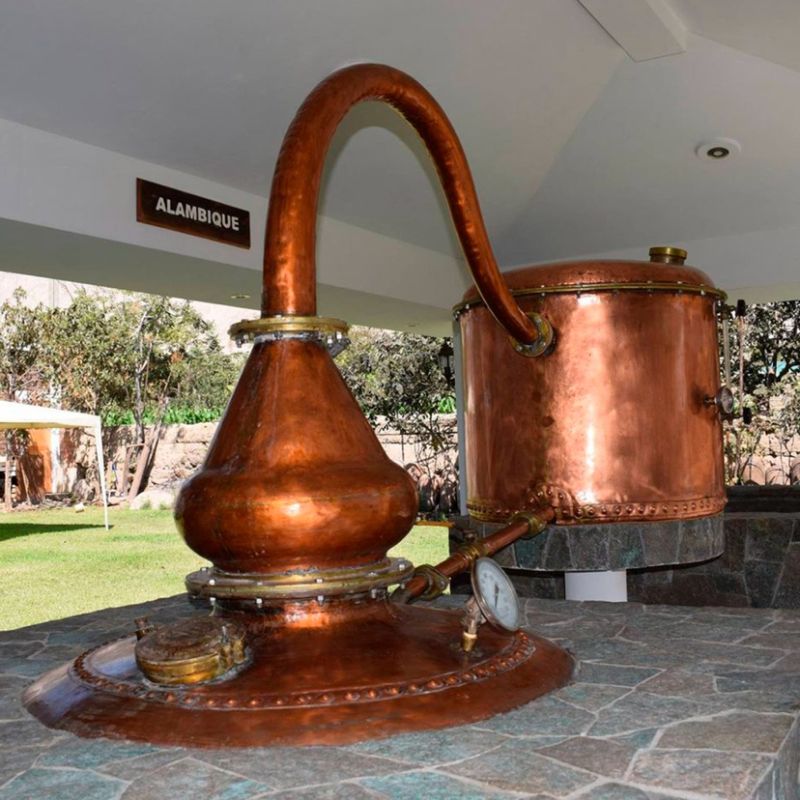
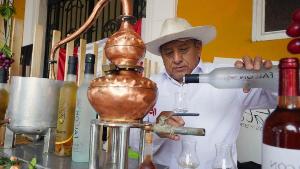
| Institutional and human capacities | The living tradition is maintained by a broad community of vineyard workers, grape growers, traditional producers, distillers, cellar workers and families connected to the production of pisco. In many traditional bodegas, knowledge is organized around the relationship between vineyard and production space, with the same family or household maintaining knowledge across several stages of the process. Ica contains numerous traditional bodegas in which older infrastructure and equipment remain associated with contemporary production. A documented example in the district of Tate preserves a bodega dating to 1821, an alambique made of copper from 1864, lagares, fermentation vessels and other elements associated with artisanal pisco production. The bodega's production knowledge has been maintained through several generations. | |
| Transmission and education | Knowledge of pisco production is transmitted through practical participation. The cultivation of vines, recognition of grape maturity, harvesting, pressing, fermentation and distillation require experience acquired through repeated observation and participation in the production cycle. Family transmission is particularly important in traditional bodegas. Knowledge is also embodied in sensory abilities. Producers continuously observe the aroma, taste, colour and consistency of the product throughout its transformation, developing a practical understanding that cannot be reduced to written instructions. The Ministry of Culture specifically identifies this sensory expertise as an important component of the cultural knowledge surrounding traditional pisco production. | |
| Inventorying and research | The historical record of pisco production in Ica extends to the sixteenth century. The documentary collection known as “Los orígenes del Pisco, manuscritos del siglo XVI y XVII” contains public records concerning vineyards, wine and aguardiente production, commercial partnerships and the circulation of these products. UNESCO included this documentary heritage in the Regional Memory of the World Register for Latin America and the Caribbean in 2024. The continuity of production is also reflected in the physical landscape. Traditional bodegas preserve lagares, botijas, tinajas, falcas and alambiques, while contemporary producers continue to work with grape varieties and production stages inherited through local practice. In Ica, Quebranta is particularly prominent among the varieties used for pisco. | |
| Policies as well as legal and administrative measures | The cultural status of pisco has developed through both heritage recognition and the legal protection of its denomination of origin. The Peruvian State established the Denomination of Origin Pisco in 1990, defining the geographical territories in which the product may be produced. The recognized territory includes the coast of Ica as well as designated areas of Lima, Arequipa, Moquegua and Tacna. In 2025, the Ministry of Culture declared the knowledge, techniques and values associated with traditional pisco production systems to be Cultural Heritage of the Nation. The declaration recognizes the agricultural, technical, sensory, social and ritual dimensions of the production process and identifies the different producing valleys as cultural environments in which distinct local expressions of the tradition have developed. | |
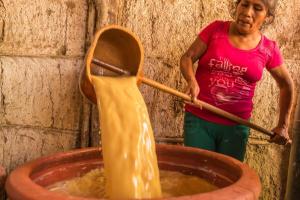
| Role of intangible cultural heritage and its safeguarding in society | The traditional production system connects agriculture with transformation, craftsmanship and social life. The annual cycle begins in the vineyard, with pruning and cultivation, and continues through irrigation, harvesting, pressing, fermentation and distillation. The resulting pisco then enters practices of tasting, celebration, hospitality and consumption. In Ica, the vineyard and bodega can form part of the same household and productive environment. The Ministry of Culture describes traditional pisco production not simply as an economic activity but as a way of life in which producers maintain a close relationship with the geographical and climatic conditions that make production possible. The tradition also contains ceremonial dimensions. Vendimia, grape pressing, distillation and consumption may be accompanied by festive practices, prayers and forms of religious syncretism. In some traditional bodegas, production is associated with saints, Marian devotions, ancestors and offerings to the land, reflecting the coexistence of Catholic and older Andean cultural elements within the coastal production environment. | |
| Awareness raising | Pisco has become one of the most recognizable cultural symbols of Peru, but within Ica its significance is more closely connected to local identity. The knowledge of production gives meaning to the vineyards, bodegas, traditional vessels and seasonal activities that constitute the pisco landscape. The annual grape harvest and the festivities associated with the Vendimia provide an important public expression of this identity. Production, tasting and celebration bring together agricultural work, family memory and regional pride, allowing the culture surrounding pisco to remain visible in contemporary Ica. | |
| Engagement of communities, groups and individuals as well as other stakeholders | The tradition involves multiple groups whose knowledge is interconnected. Grape growers cultivate and select the raw material; workers participate in harvesting and pressing; producers supervise fermentation and distillation; and experienced tasters evaluate the resulting spirit through sight, aroma, taste and consistency. Traditional production also creates relationships between households and the wider community. The Ministry of Culture's research emphasizes that many producers maintain an intimate relationship with their bodegas and vineyards, while the knowledge associated with production is often connected to family memory and inherited experience. The documented case of Tate illustrates this intergenerational character particularly clearly, with a family tradition of artisanal pisco production extending across five generations and continuing to use a historic bodega and traditional equipment. | |
| International engagement | Pisco has long been connected to commercial circulation beyond the Ica valley. Historical records document the movement of aguardiente from the port of Pisco toward Lima and other destinations, while eighteenth and nineteenth century sources demonstrate the increasingly established association between the beverage and the name Pisco. Its historical documentation has also acquired international recognition. In 2024, UNESCO's Regional Memory of the World Register for Latin America and the Caribbean included the documentary collection “Los orígenes del Pisco, manuscritos del siglo XVI y XVII,” preserved by Peru's Archivo General de la Nación. | |
| References |
|
|
































.jpeg)













.png)



















.jpeg)

.jpg)




.png)
.jpg)


_(31711258567).jpg)