
Some meals are prepared in kitchens.
Others are prepared over fire.
Pachamanca begins with the earth itself.
Practiced for centuries throughout the Peruvian Andes and now celebrated across many regions of the country, pachamanca is a traditional method of cooking food beneath the ground using stones heated by fire. Its name derives from the Quechua words pacha (earth, world, or universe) and manka (pot), often interpreted as "earth oven." More than a culinary technique, pachamanca represents a living body of knowledge that integrates agriculture, ecology, engineering, seasonal cycles, and collective celebration. Families, neighbors, farmers, cooks, and entire communities continue preparing it during festivals, harvests, patron saint celebrations, family reunions, and other important social occasions where sharing food strengthens social bonds.
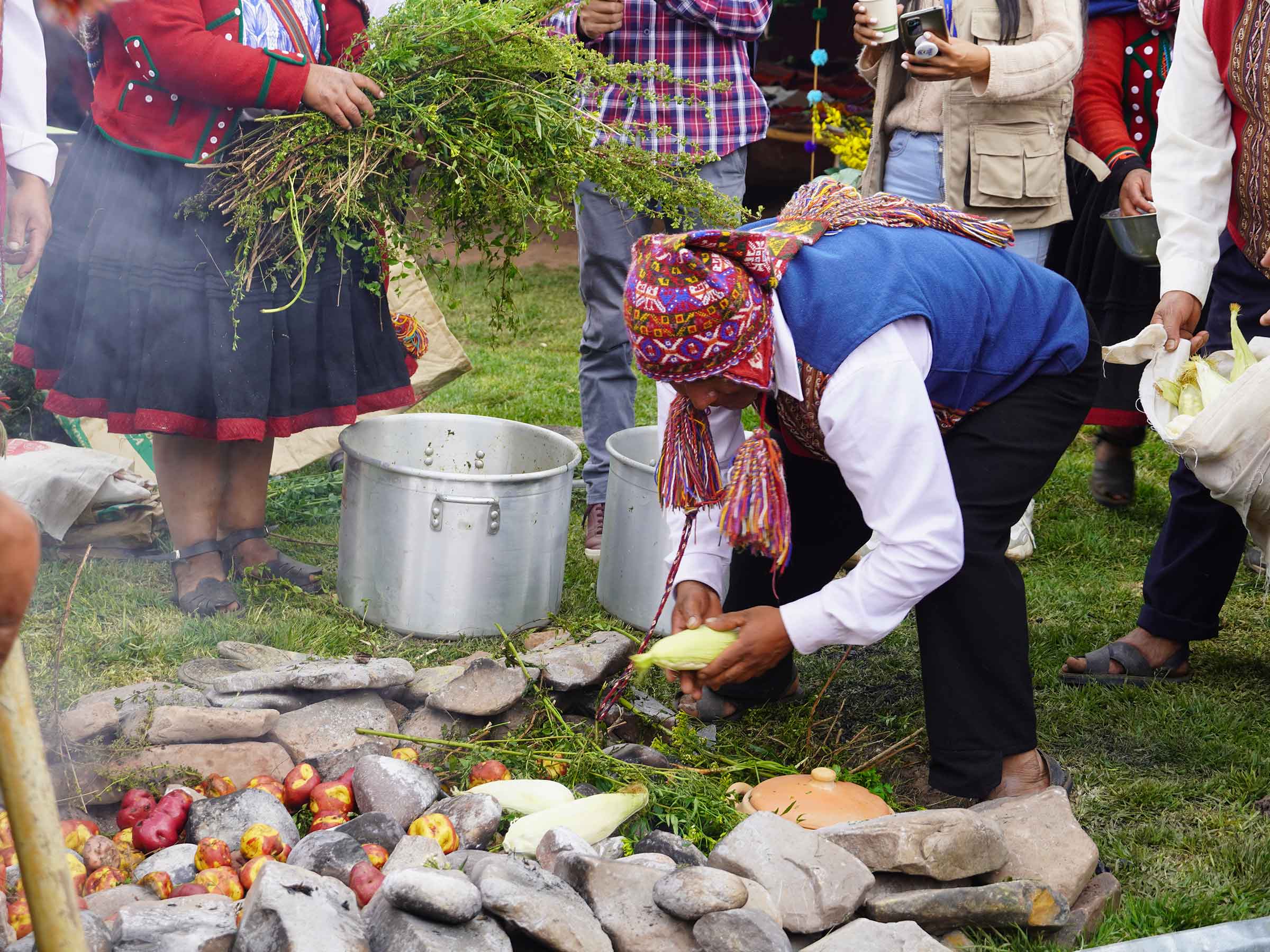
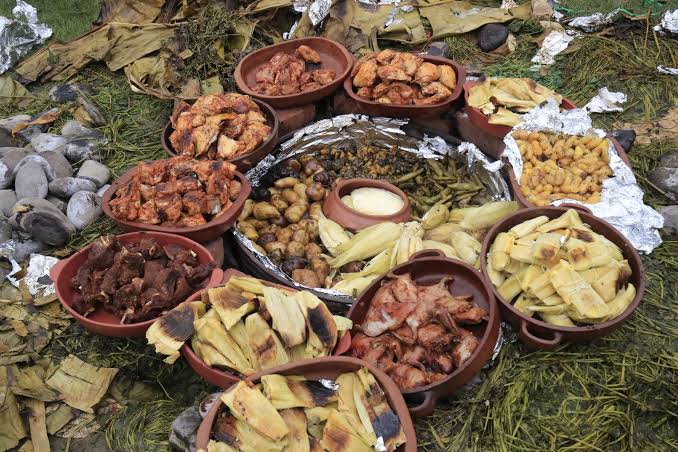
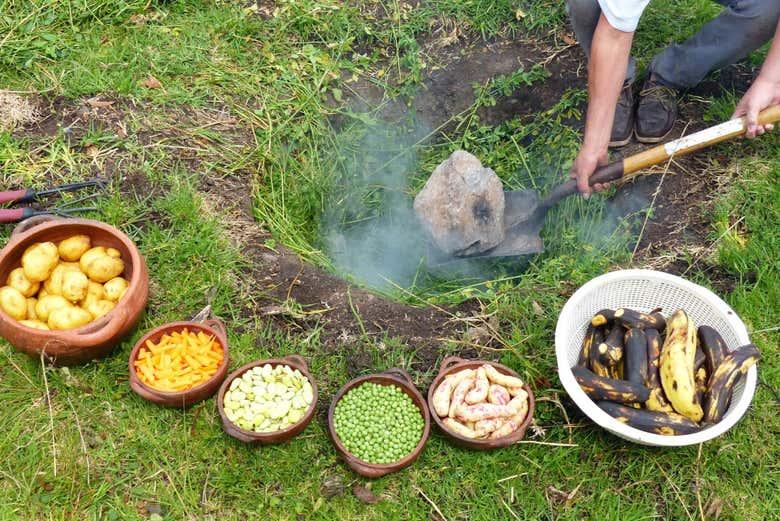
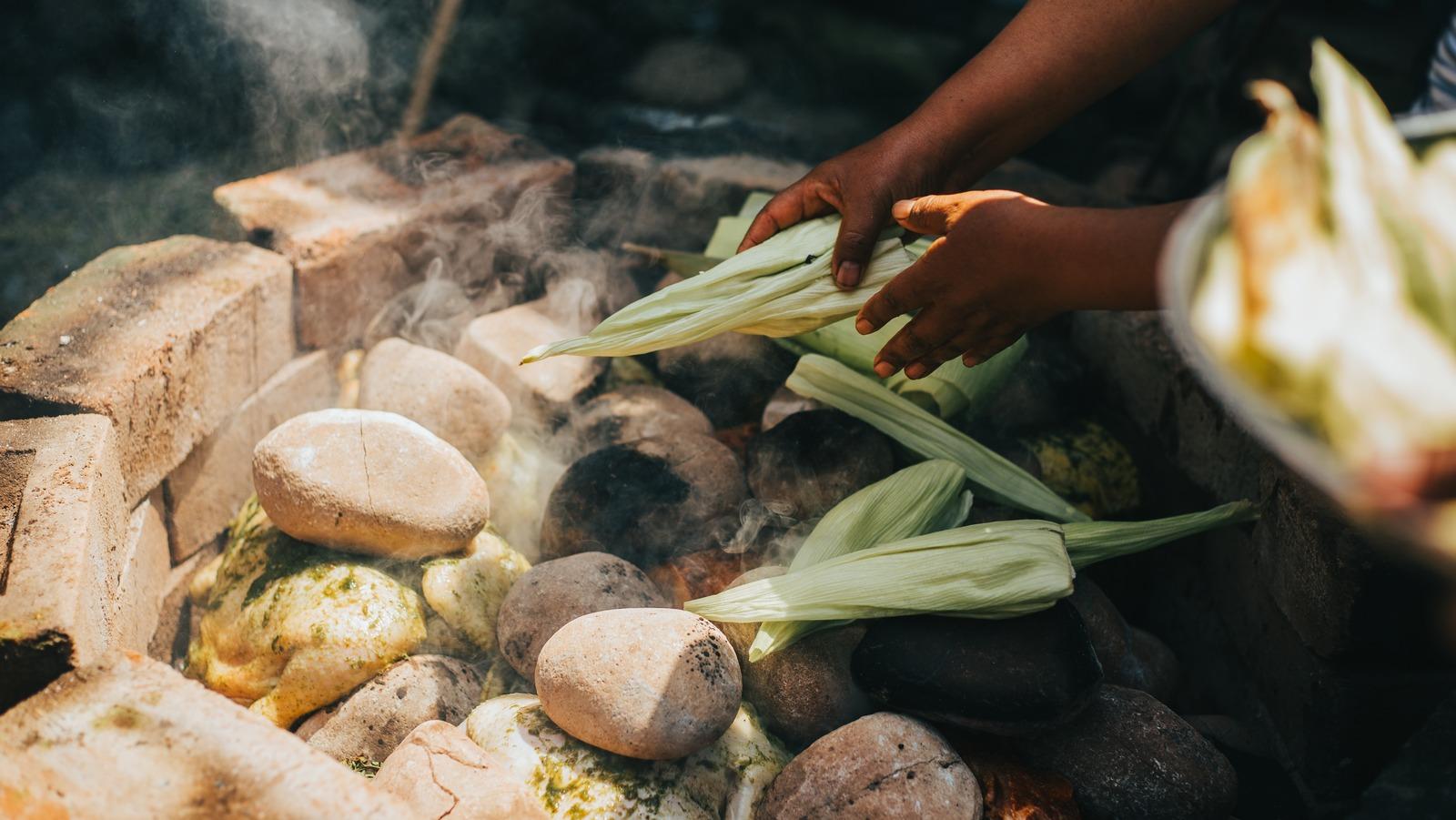
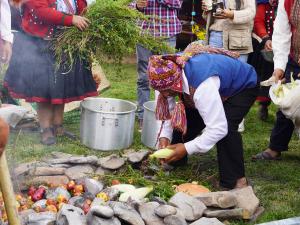
Preparing a pachamanca begins long before cooking. Suitable stones must be carefully selected because not every type can safely withstand intense heat. A pit is prepared in the ground, firewood is arranged, and stones are heated until they retain sufficient thermal energy. Meat, potatoes, native tubers, maize, broad beans, and other regional ingredients are seasoned, often with herbs such as huacatay and chincho, then carefully layered among the hot stones. The food is covered with leaves, cloths, and earth, allowing the natural heat to cook every ingredient slowly without direct flames. Success depends not upon mechanical equipment but upon accumulated experience, observation, and an intimate understanding of the landscape.
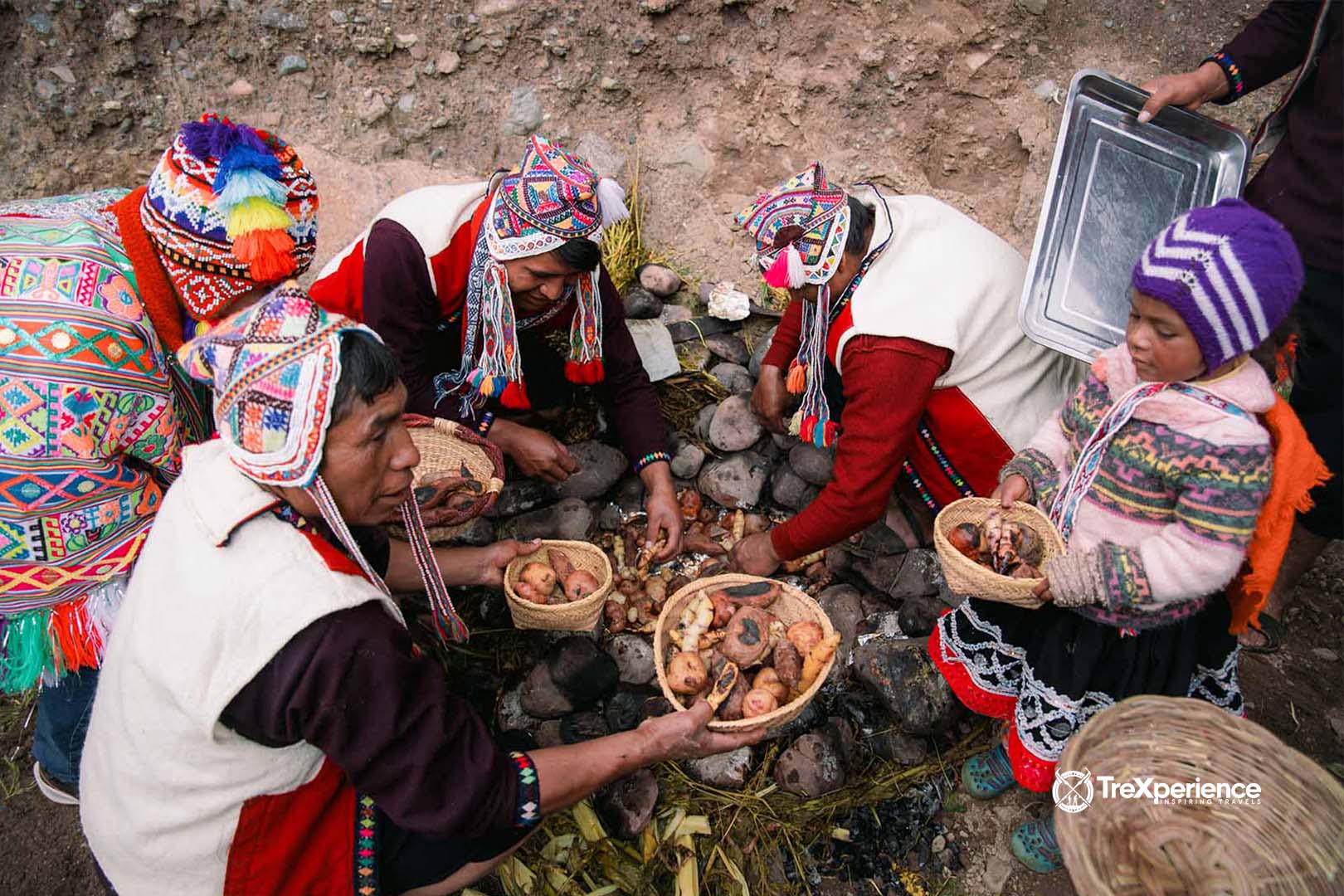
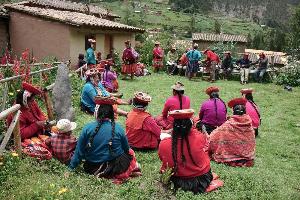
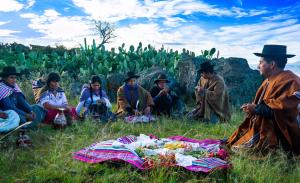
Today, pachamanca continues to embody values that extend far beyond gastronomy. Every preparation requires cooperation: some gather firewood, others prepare ingredients, others build the earth oven, while family members and neighbors work together throughout the process. The meal is therefore not simply consumed; it is collectively created. In many communities, the act of opening the earth oven becomes a moment of celebration itself, reminding participants that nourishment is not only produced by nature but also by the relationships that people cultivate with one another and with the land that sustains them.
08-04-2026
| Institutional and human capacities | The continuity of pachamanca depends upon farming families, traditional cooks, elders, community members, agricultural producers, herbal knowledge holders, local markets, and artisans who continue preserving the practical knowledge required to prepare the earth oven. Their expertise includes selecting appropriate stones, recognizing suitable soils, understanding seasonal ingredients, preparing traditional seasonings, organizing collective work, and adapting recipes to local ecosystems without losing the essence of the tradition. Municipal governments, universities, culinary institutes, agricultural organizations, museums, Peru's Ministry of Culture, gastronomy schools, and cultural festivals increasingly contribute to documenting regional preparation methods and promoting traditional food heritage. Their efforts help preserve not only recipes but also the environmental knowledge and social practices that distinguish pachamanca from conventional cooking methods. | |
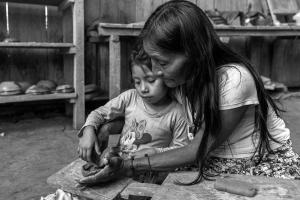
| Transmission and education | Learning pachamanca resembles an apprenticeship with both people and nature. Children often participate from an early age by collecting herbs, washing vegetables, arranging leaves, preparing ingredients, or observing the careful construction of the earth oven. Rather than following written instructions, they gradually learn through participation, discovering how experienced cooks judge the temperature of stones, identify appropriate soils, and coordinate the timing of every stage. This education extends beyond cooking. Young participants come to understand that preparing pachamanca requires patience, collaboration, and respect for natural processes that cannot be hurried. They learn that the earth is not merely the place where food grows, it also becomes an essential partner in transforming harvests into a shared meal. | |
| Inventorying and research | Pachamanca has been documented through archaeology, anthropology, gastronomy, agronomy, ethnobotany, geology, nutrition, and environmental studies. Researchers have examined archaeological evidence of ancient earth-oven cooking techniques, regional culinary variations, native ingredients, traditional seasoning practices, and the social role of communal meals throughout Andean history. Scientific studies have also explored the thermal properties of cooking stones, the nutritional characteristics of traditional ingredients, and the sustainable qualities of underground cooking methods. Together, these investigations demonstrate that pachamanca represents not only culinary heritage but also a sophisticated body of empirical knowledge developed through centuries of interaction with the natural environment. | |
| Policies as well as legal and administrative measures | Safeguarding pachamanca involves preserving the cultural landscapes that make the tradition possible. Native crops, aromatic herbs, traditional agricultural practices, access to suitable natural materials, and community gathering spaces all contribute to the continuity of the practice. Policies that support local agriculture, biodiversity, traditional gastronomy, and cultural festivals therefore strengthen the living heritage surrounding pachamanca. Public institutions increasingly collaborate with culinary schools, municipalities, agricultural organizations, tourism initiatives, and local communities to promote responsible cultural tourism while respecting regional preparation methods. These efforts encourage wider appreciation without reducing the tradition to a commercial attraction detached from its cultural context. | |
| Role of intangible cultural heritage and its safeguarding in society | Pachamanca teaches a lesson rarely found in modern life: nourishment begins long before eating. Every stage of its preparation reminds participants that food depends upon healthy soils, seasonal knowledge, biodiversity, cooperation, and gratitude toward the natural world. The earth does not merely produce the meal; it also cooks it. Few cultural practices illustrate this relationship so vividly. Safeguarding pachamanca therefore preserves far more than an ancient recipe. It protects a worldview in which people understand themselves as participants within nature rather than separate from it. In an era increasingly shaped by industrial food systems, pachamanca continues to demonstrate that preparing a meal can also become an act of environmental respect, collective memory, and cultural continuity. | |
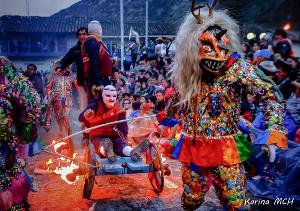
| Awareness raising | Food festivals, community celebrations, gastronomy fairs, educational workshops, culinary schools, documentaries, museums, and cultural tourism initiatives have contributed to increasing public appreciation of pachamanca throughout Peru and abroad. These activities encourage audiences to recognize the practice as an expression of traditional knowledge rather than simply as a regional dish. Educational programs increasingly highlight the agricultural origins of the ingredients, the environmental knowledge required to prepare the earth oven, and the social values embedded within communal cooking. By presenting pachamanca as both gastronomy and heritage, these initiatives encourage new generations to appreciate the broader cultural meaning of the tradition. | |
| Engagement of communities, groups and individuals as well as other stakeholders | The safeguarding of pachamanca depends upon collaboration among farming communities, traditional cooks, families, municipalities, gastronomy schools, universities, agricultural specialists, researchers, tourism professionals, cultural authorities, environmental organizations, and local markets. Each contributes to preserving different aspects of the tradition, from cultivating native crops to documenting regional preparation techniques. Community participation remains the foundation of the practice because pachamanca is inherently collective. Preparing the earth oven, gathering ingredients, tending the fire, arranging the food, and sharing the meal all require cooperation. Every successful pachamanca therefore strengthens social relationships while renewing the cultural knowledge that makes future gatherings possible. | |
| International engagement | Pachamanca contributes to international discussions on sustainable gastronomy, traditional ecological knowledge, Indigenous food systems, biodiversity conservation, and cultural landscapes. Through culinary exchanges, academic research, gastronomy festivals, and cultural heritage initiatives, it demonstrates how traditional cooking methods can promote environmental responsibility while preserving cultural identity. As global interest in sustainable food practices continues to grow, pachamanca offers valuable insights into low-impact cooking techniques developed long before modern environmental debates. Its integration of local ingredients, seasonal knowledge, natural materials, and collective participation illustrates how ancestral traditions can continue inspiring contemporary approaches to food and sustainability. | |
| References |
|
|










.jpeg)






.png)








.jpeg)

.jpg)




.png)
.jpg)


_(31711258567).jpg)