
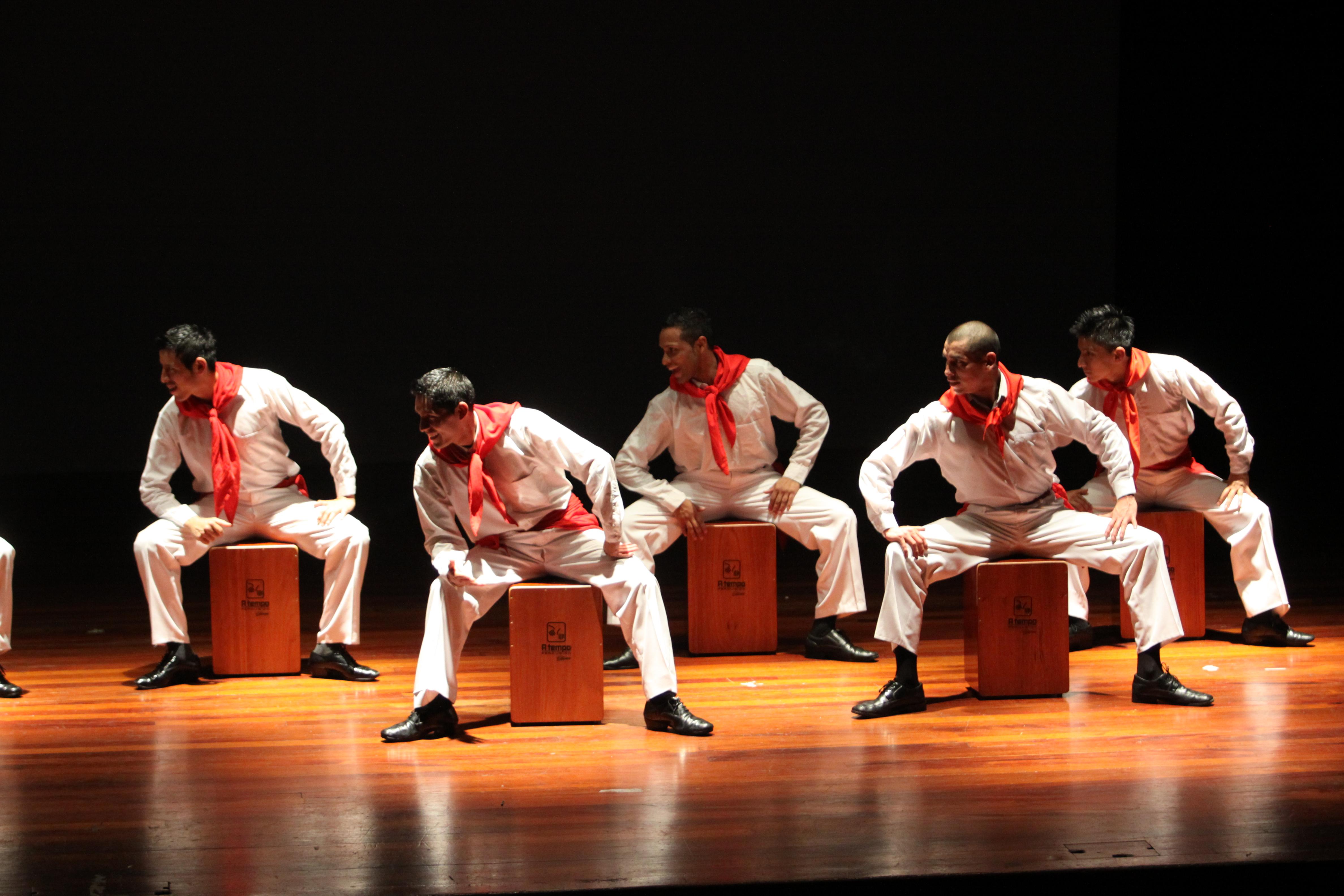
Among Peru's most recognizable cultural symbols, the Peruvian cajón occupies a unique place because its origins reflect both resilience and artistic ingenuity. Today it accompanies concerts, family celebrations, dance performances, schools, and international stages, yet its history began with Afro-Peruvian communities that transformed ordinary wooden crates and shipping boxes into instruments capable of expressing identity, memory, and joy. From these humble beginnings emerged a musical tradition that demonstrates how creativity can flourish even under difficult historical circumstances.
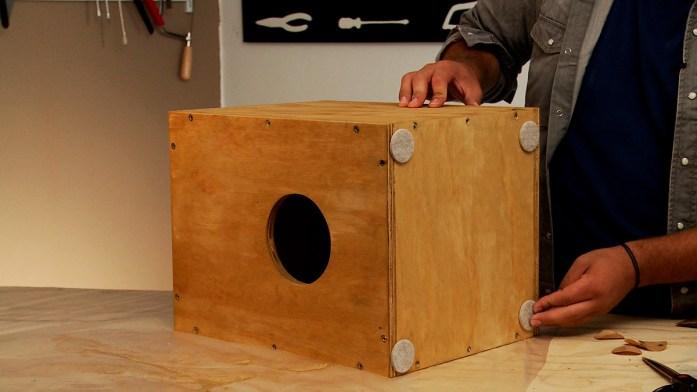
The cajón developed primarily along Peru's central and southern coast, where Afro-Peruvian communities cultivated rich musical traditions through singing, dancing, improvisation, and percussion. Without relying on elaborate instruments, musicians discovered that everyday wooden boxes could produce a remarkable range of sounds through different striking techniques, body position, and rhythmic patterns. Over generations, these practical solutions evolved into refined craftsmanship. Instrument makers gradually standardized dimensions, wood selection, internal construction, and acoustic qualities while preserving the simplicity that continues to define the cajón today.
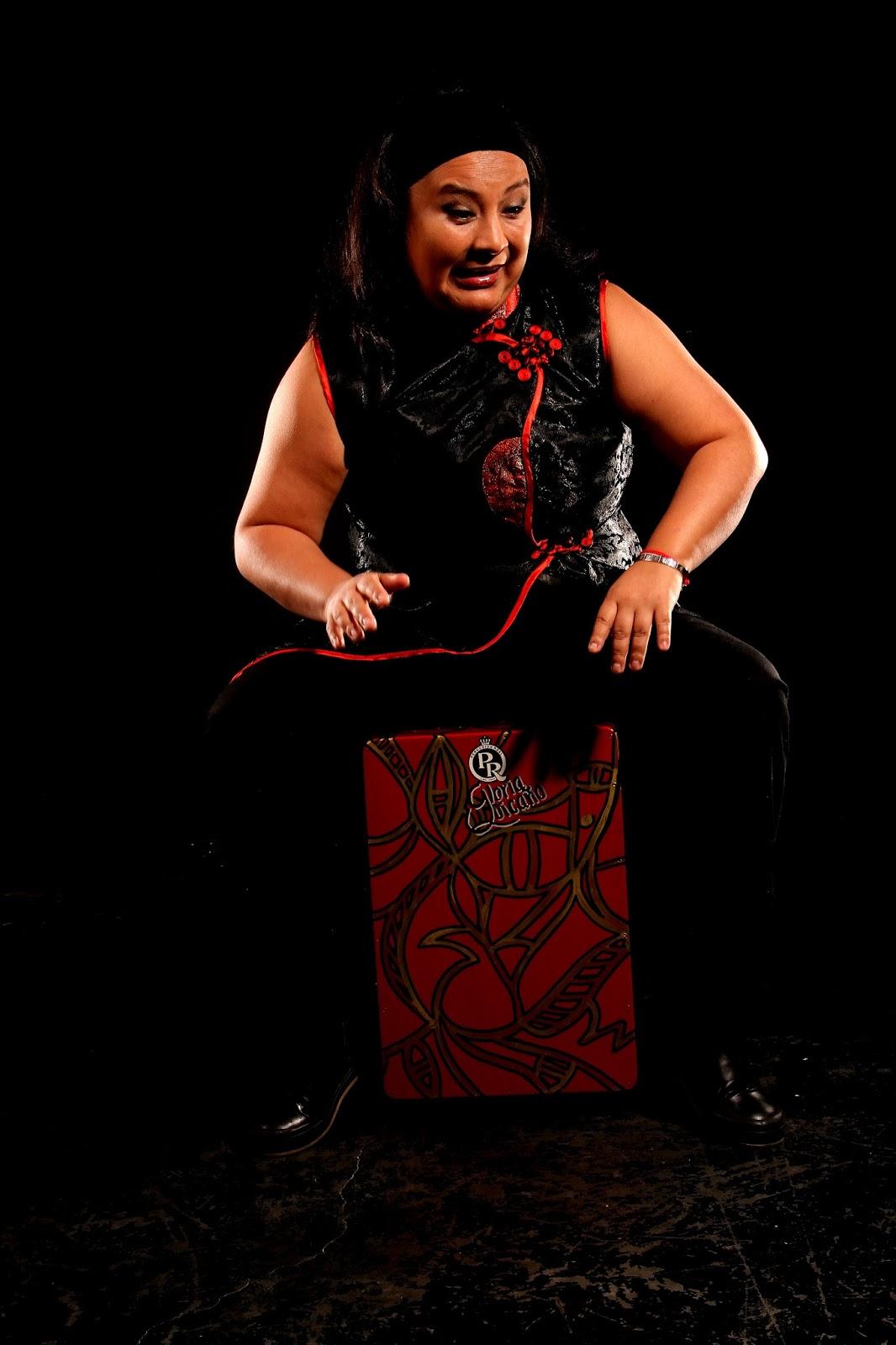
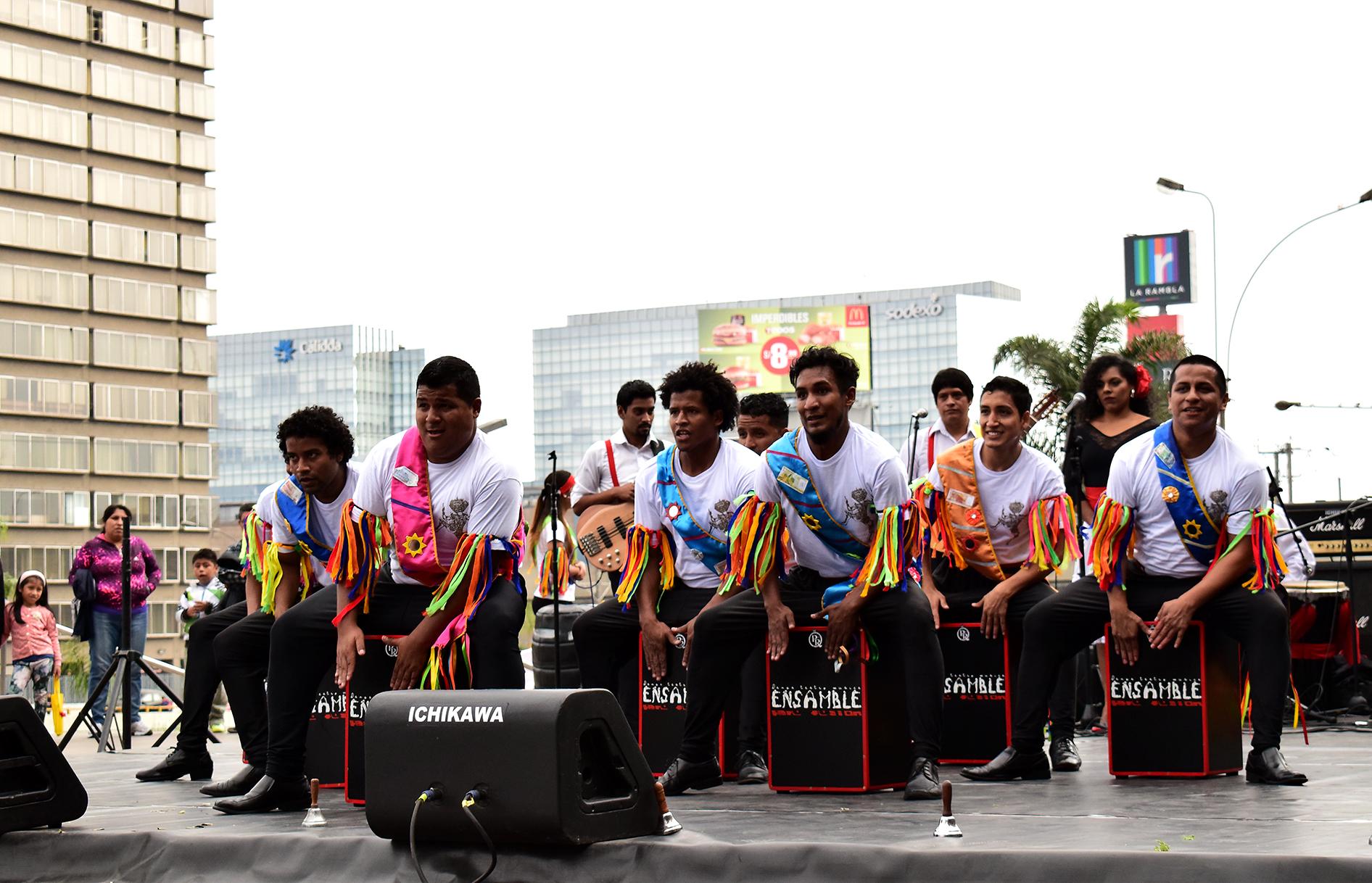
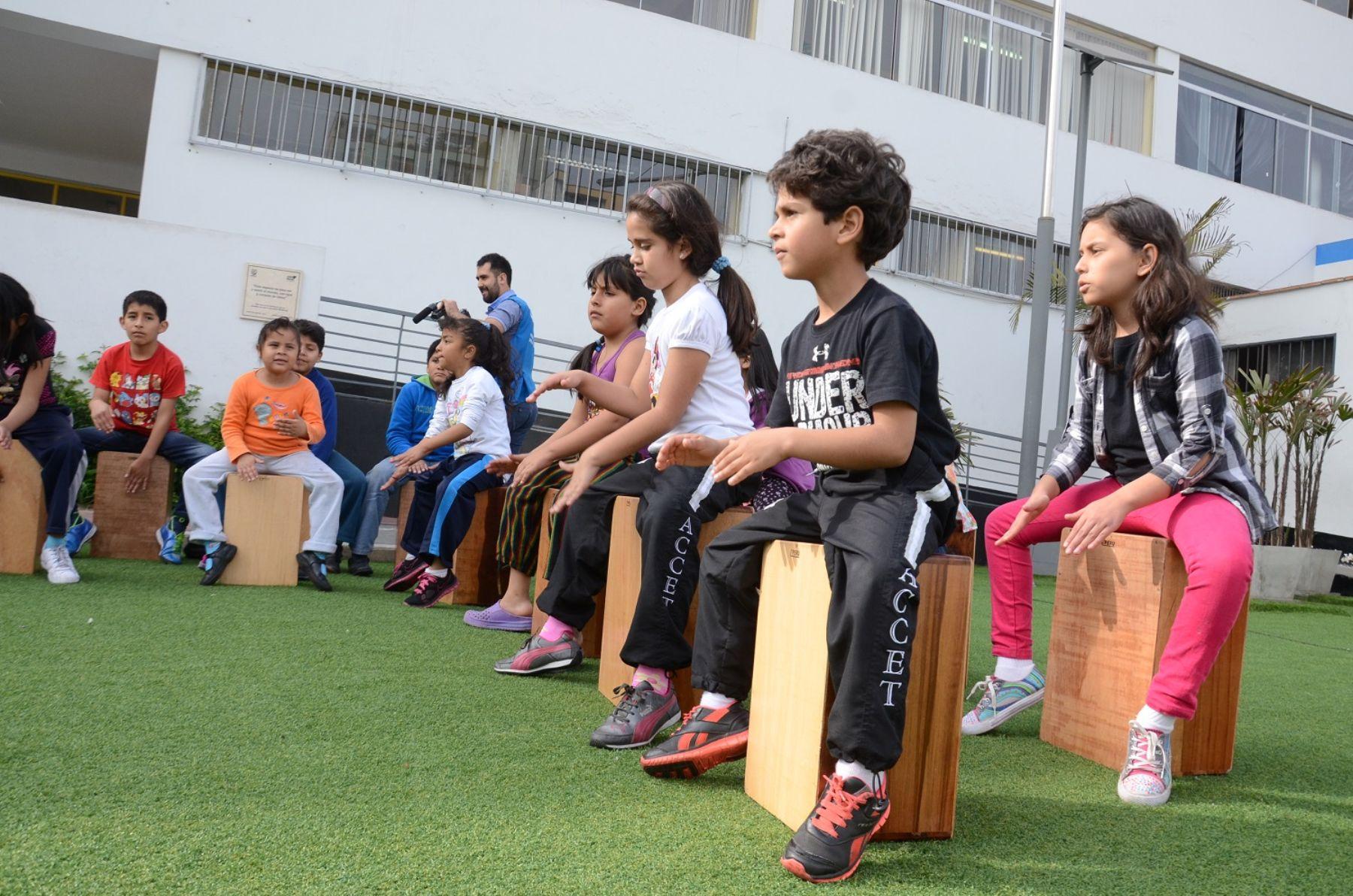
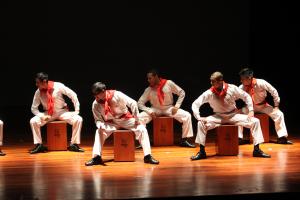
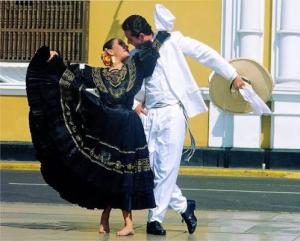
The living tradition of the Peruvian cajón now extends far beyond professional musicians. It is practiced by children learning their first rhythms, experienced performers accompanying dances such as Festejo and Zamacueca, instrument makers preserving traditional woodworking techniques, music teachers transmitting Afro-Peruvian repertoire, and communities celebrating cultural identity through collective performance. Its enduring significance lies not only in the instrument itself, but in its ability to transform rhythm into a shared language that unites generations, honors history, and invites participation.
08-04-2026
| Institutional and human capacities | The continuity of the Peruvian cajón tradition depends upon musicians, instrument makers, music teachers, dancers, singers, composers, cultural promoters, researchers, festival organizers, families, and Afro-Peruvian communities who continue preserving its performance techniques and cultural meaning. Their knowledge encompasses woodworking, rhythm, ensemble performance, oral teaching, improvisation, and the close relationship between music and dance. Music conservatories, schools, universities, museums, cultural centers, municipalities, Peru's Ministry of Culture, and organizations dedicated to Afro-Peruvian heritage contribute through educational programs, festivals, documentation projects, exhibitions, and musical training. These collaborative efforts strengthen both artistic excellence and public appreciation of the cajón as a living expression of Peru's cultural diversity. | |
| Transmission and education | Learning the cajón begins with listening. Before mastering complex rhythms, beginners learn to recognize pulse, silence, accents, and coordination by observing experienced musicians during rehearsals, celebrations, and performances. Teaching often takes place through demonstration and repetition rather than written notation, allowing rhythm to be understood through the body as much as through the ear. Transmission also includes cultural memory. Students learn that every rhythm accompanies stories, dances, celebrations, and historical experiences that shaped Afro-Peruvian communities. As technical ability grows, performers gradually understand that playing the cajón is not simply producing sound, it is participating in a musical conversation that has connected generations for centuries. | |
| Inventorying and research | The Peruvian cajón has been studied through ethnomusicology, anthropology, history, acoustics, woodworking, cultural studies, and performance research. Scholars have examined its historical development, construction techniques, rhythmic vocabulary, role within Afro-Peruvian musical traditions, and contribution to Peru's national cultural identity. Contemporary research also investigates the instrument's international influence, including its incorporation into flamenco, jazz, Latin American music, and world music ensembles. At the same time, researchers continue documenting regional performance styles, oral teaching methods, and artisan knowledge to ensure that the tradition's cultural roots remain visible as its popularity expands worldwide. | |
| Policies as well as legal and administrative measures | Safeguarding the Peruvian cajón involves supporting both the instrument and the cultural ecosystem that sustains it. Educational initiatives, music festivals, artisan workshops, cultural centers, and documentation projects contribute to preserving traditional construction techniques, performance practices, and Afro-Peruvian musical heritage. Public institutions and cultural organizations increasingly promote opportunities for young musicians to learn traditional repertoire while encouraging collaboration between experienced performers, instrument makers, educators, and researchers. These measures help maintain authenticity while allowing the tradition to continue evolving through contemporary artistic expression. | |
| Role of intangible cultural heritage and its safeguarding in society | The Peruvian cajón demonstrates that cultural heritage often emerges from human ingenuity rather than abundance. What began as a practical adaptation eventually became one of the country's most celebrated musical traditions, illustrating how creativity can transform ordinary materials into extraordinary artistic expression. Every rhythm played today carries the memory of communities that found in music a means of preserving identity, strengthening solidarity, and celebrating life. Safeguarding the cajón therefore protects more than a percussion instrument. It preserves an enduring lesson about resilience. Its history reminds society that cultural innovation frequently arises from the ability to reimagine everyday objects, transforming them into vehicles of memory, communication, and collective joy. In every performance, the cajón continues to express not only rhythm, but also the resilience and creativity that shaped Afro-Peruvian cultural life. | |
| Awareness raising | Concerts, cultural festivals, educational workshops, museum exhibitions, documentaries, music schools, and international performances have significantly increased public recognition of the Peruvian cajón. These initiatives encourage audiences to appreciate the instrument not merely for its distinctive sound, but for the cultural history and craftsmanship that sustain it. Awareness programs increasingly highlight the contributions of Afro-Peruvian communities to Peru's national identity while promoting respect for the historical origins of the instrument. By connecting performance with historical context, these activities help ensure that the cajón continues to be understood as a living expression of cultural heritage rather than simply a popular percussion instrument. | |
| Engagement of communities, groups and individuals as well as other stakeholders | The safeguarding of the Peruvian cajón depends upon close collaboration among musicians, dancers, instrument makers, cultural associations, music schools, universities, museums, municipalities, researchers, recording artists, festival organizers, and local communities. Together, they preserve traditional repertoires, encourage new performers, and document the diverse knowledge associated with both instrument making and musical performance. Community participation remains fundamental because the tradition thrives through collective practice. Families introduce children to rhythm at an early age, experienced musicians mentor younger performers, artisans continue refining handcrafted instruments, and festivals create opportunities where audiences actively participate rather than simply observe. Through these interactions, the cajón remains a dynamic and evolving expression of Peru's living heritage. | |
| International engagement | The Peruvian cajón has become one of Peru's most internationally recognized musical contributions. Today it is performed by musicians across the world and has been incorporated into genres ranging from flamenco and jazz to folk, pop, and acoustic music. This remarkable global journey demonstrates the instrument's versatility while increasing international appreciation of Afro-Peruvian musical traditions. Its international success also creates new opportunities for cultural exchange, research, artistic collaboration, and educational initiatives. At the same time, safeguarding efforts emphasize the importance of recognizing Peru as the birthplace of the cajón and preserving the historical context that gave rise to this extraordinary musical tradition. | |
| References |
|
|









.jpeg)


.png)






.jpeg)
.jpg)

.png)
.jpg)


_(31711258567).jpg)