
Long before the rise of the Inca Empire, communities across the central Andes had already discovered that maize could be transformed through fermentation into a beverage that nourished not only the body, but also social relationships. Known in Quechua as aqha, chicha de jora emerged from centuries of accumulated agricultural knowledge, observation of natural fermentation, and an intimate understanding of maize cultivation. Archaeological evidence demonstrates that fermented maize beverages were already prepared by pre-Hispanic societies long before the Incas, making chicha one of the oldest continuously practiced culinary traditions in Peru.
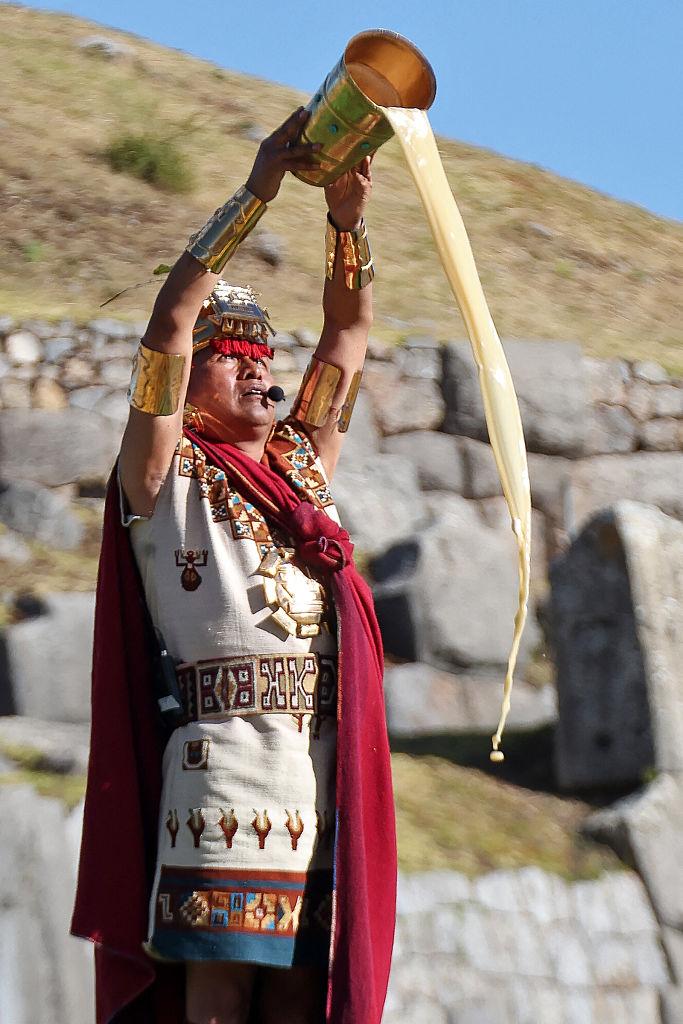
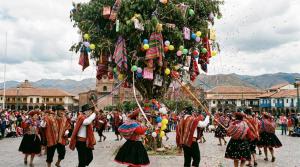
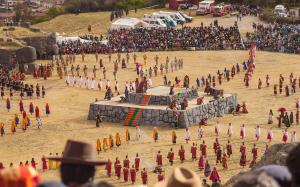
Rather than remaining an everyday drink, chicha de jora gradually became one of the most significant ceremonial beverages of the Andes. During the Inca period, its preparation, distribution, and consumption acquired important religious, political, and social functions. It accompanied major state ceremonies such as Inti Raymi, agricultural rituals, communal work, diplomatic gatherings, and offerings dedicated to Pachamama and Inti. Historical accounts also associate the preparation of ceremonial chicha with the Acllas, women specially selected to prepare offerings and ceremonial foods for important religious and state occasions. Through these practices, the beverage became a symbol of reciprocity, hospitality, gratitude, and collective identity rather than simply a fermented product.
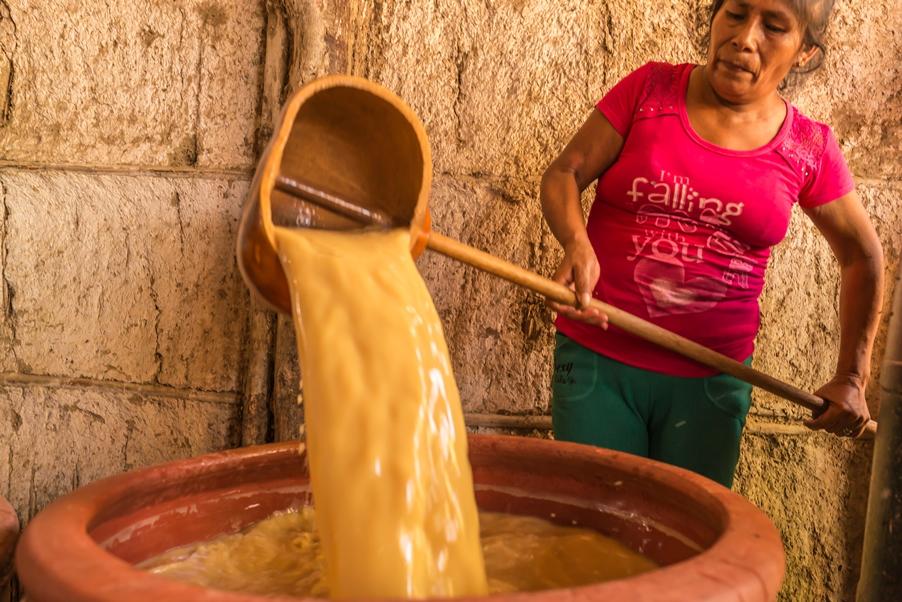
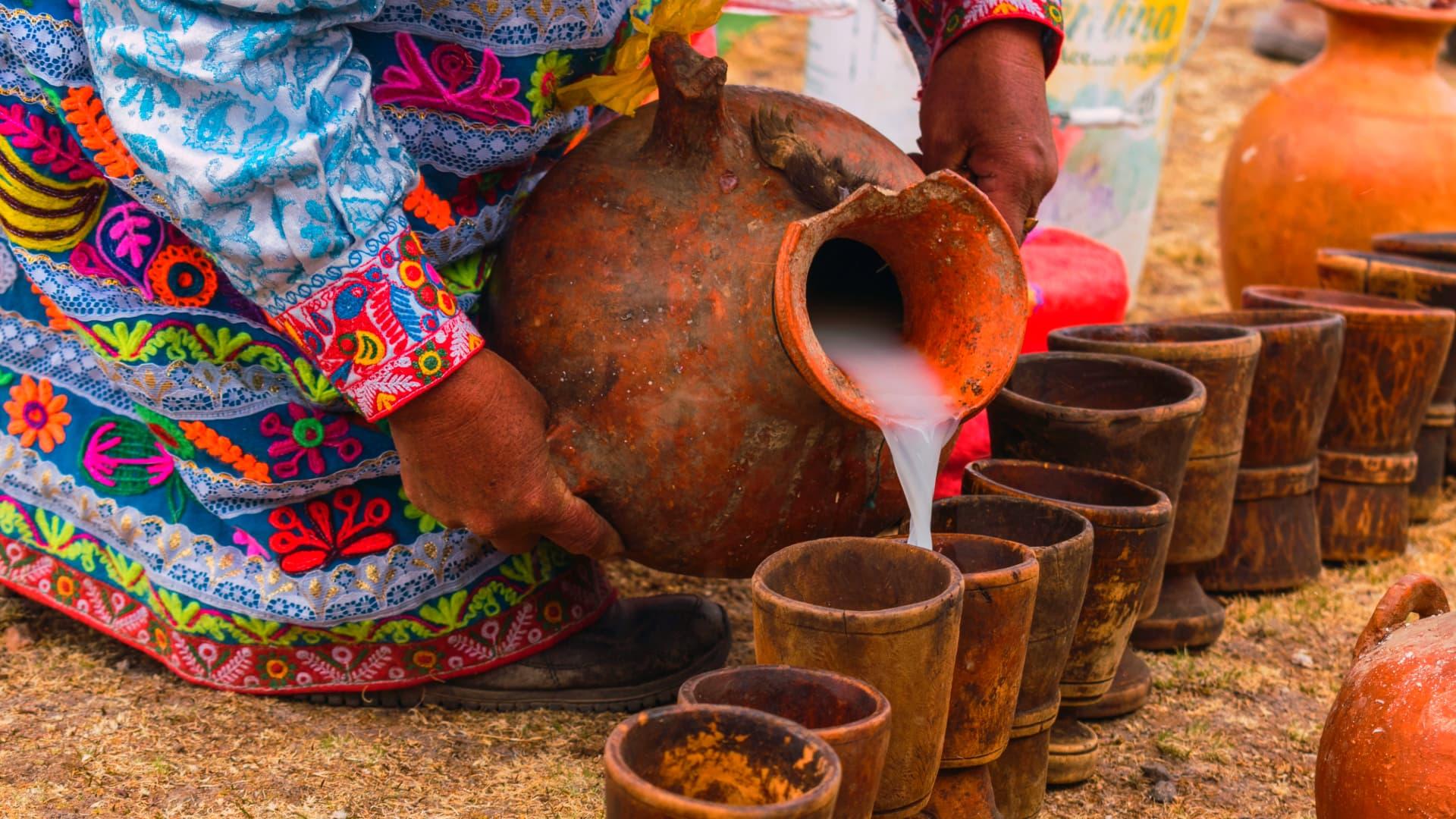
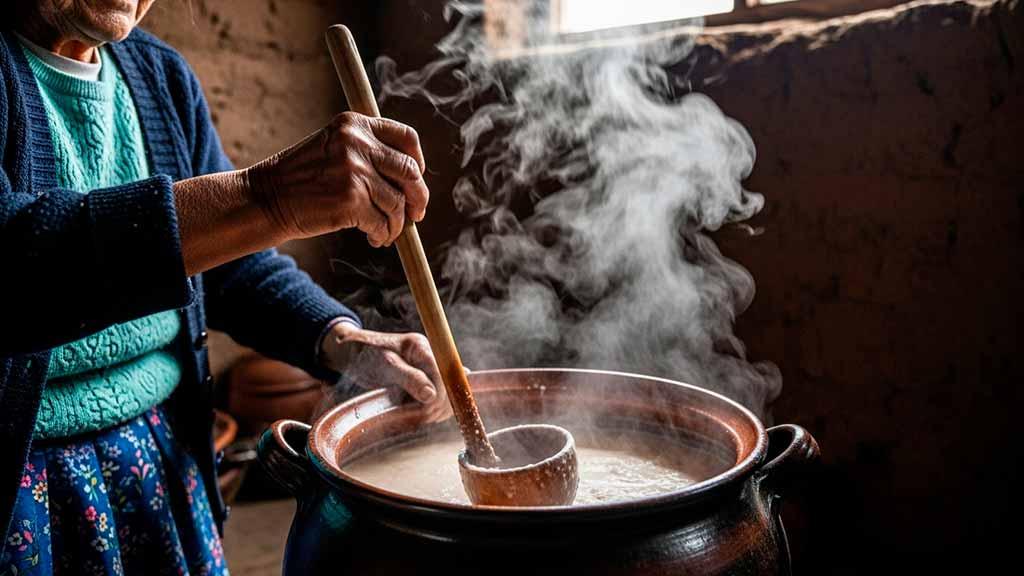
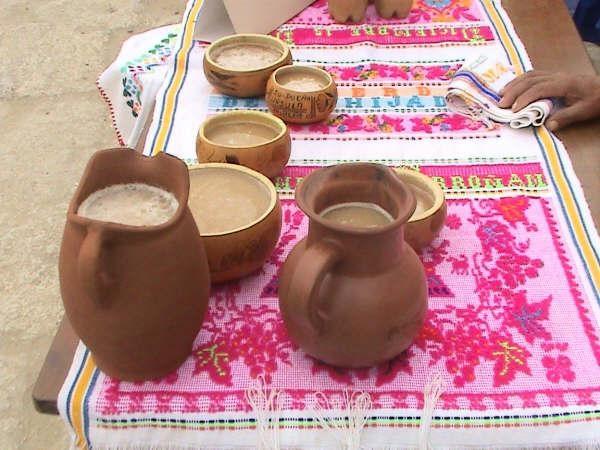
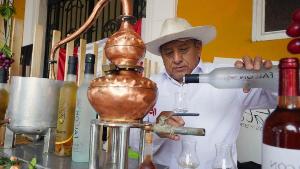
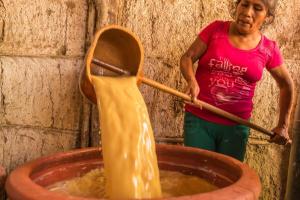
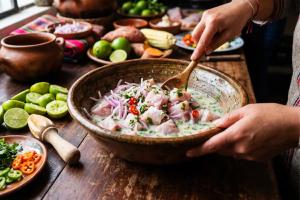
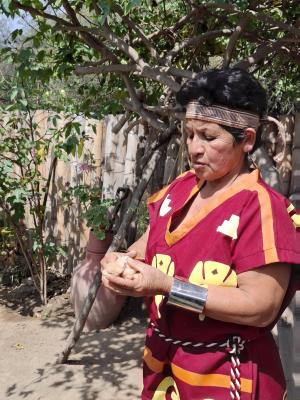
Today, the tradition remains alive in numerous regions of Peru, especially in the northern coast and the Andes, where families, traditional brewers, picanterías, chicherías, cooks, and farming communities continue preparing chicha de jora using techniques refined over generations. Although modern production methods have appeared in some places, many communities continue valuing the slow process of germinating maize, preparing the malt, boiling the mixture in large vessels, and allowing fermentation to occur naturally. Every shared cup continues to represent far more than refreshment: it symbolizes welcome, trust, friendship, gratitude, and the enduring belief that food and drink acquire their greatest meaning when they are shared.
08-04-2026
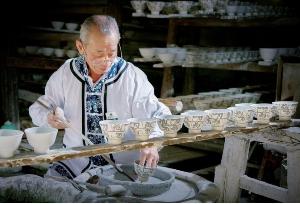
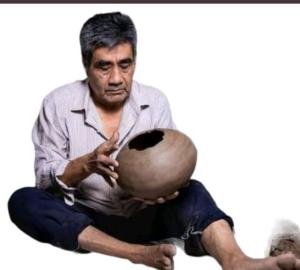
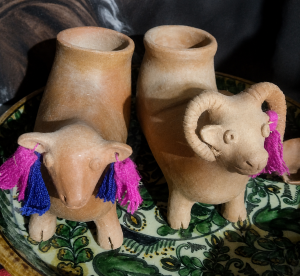
| Institutional and human capacities | The living tradition of chicha de jora is sustained through the combined knowledge of maize farmers, traditional brewers (chicheras and chicheros), cooks, pottery artisans, market vendors, families, picanterías, and chicherías that continue producing and serving the beverage according to local customs. Each participant contributes specialized knowledge, from selecting native maize varieties and monitoring fermentation to preparing traditional clay vessels and preserving serving etiquette that has remained remarkably consistent across generations. Public institutions, universities, municipalities, Peru's Ministry of Culture, gastronomy schools, agricultural organizations, museums, and cultural researchers contribute by documenting traditional preparation methods, promoting native maize biodiversity, supporting regional festivals, and encouraging the safeguarding of culinary practices. The Ministry of Culture has also recognized traditional picanterías and chicherías in several regions as important cultural spaces where culinary knowledge, music, oral traditions, and community relationships continue to be transmitted. | |
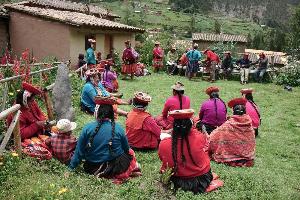
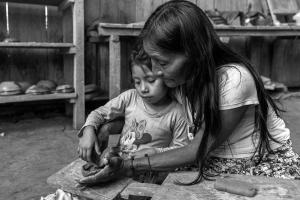
| Transmission and education | Learning to prepare chicha de jora begins long before fermentation. Younger generations accompany experienced brewers while selecting maize, observing germination, grinding the malt, controlling cooking times, recognizing the appropriate stages of fermentation, and understanding how climate influences every step of the process. This knowledge is rarely transmitted through written recipes; instead, it is acquired through observation, repetition, and daily practice within families and communities. Equally important is the transmission of cultural etiquette. Children learn that serving chicha is an act of hospitality, respect, and generosity. During festivals, communal work, family celebrations, and traditional meals, they observe how a shared cup welcomes visitors, celebrates collective achievements, and strengthens social relationships. In this way, every generation inherits not only technical knowledge but also an understanding that sharing food and drink is an essential expression of community life. | |
| Inventorying and research | Chicha de jora has attracted the attention of archaeologists, anthropologists, ethnobotanists, microbiologists, food historians, gastronomy specialists, and historians of the Andes. Archaeological discoveries of brewing vessels, ceremonial containers, and residues of fermented maize demonstrate that the preparation of chicha predates the Inca Empire by many centuries. These findings position the beverage among the oldest surviving culinary traditions in South America. Contemporary research extends beyond archaeology. Scientists study the natural fermentation process, microbial diversity, nutritional characteristics, and biodiversity of native maize varieties, while anthropologists continue examining the beverage's role in ceremonies, reciprocity, hospitality, and social organization. Together, these investigations reveal that chicha de jora represents both sophisticated traditional science and a living cultural institution. | |
| Policies as well as legal and administrative measures | Safeguarding the tradition of chicha de jora requires protecting far more than a recipe. It also involves supporting native maize cultivation, traditional fermentation techniques, family knowledge, culinary spaces, and community festivals where the beverage continues to fulfill important social functions. Public policies that encourage local gastronomy, traditional agriculture, and cultural documentation contribute directly to maintaining these living practices. The recognition of picanterías and chicherías as cultural heritage spaces demonstrates that safeguarding extends beyond the beverage itself to include the environments where preparation, conversation, music, storytelling, and hospitality naturally coexist. These establishments continue serving as places where culinary knowledge is practiced daily while reinforcing local identity and social cohesion. | |
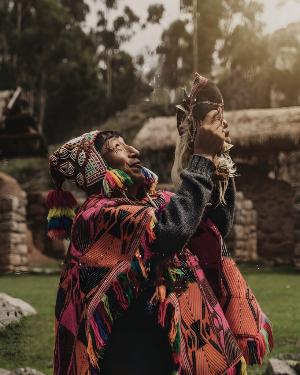
| Role of intangible cultural heritage and its safeguarding in society | The cultural importance of chicha de jora has never depended solely on fermentation. Throughout Andean history, the beverage has functioned as a social bridge, accompanying sowing, harvests, communal labor, religious ceremonies, political gatherings, family celebrations, and moments of reconciliation. Sharing chicha has long symbolized mutual trust and the willingness to participate in collective life. Its continued preparation reminds contemporary society that heritage often survives through ordinary gestures. Offering a guest a cup of chicha, preparing it for a local festival, or pouring the first drops onto the earth in gratitude reflects enduring concepts of reciprocity that continue connecting people with one another and with nature. Safeguarding the tradition therefore preserves not simply an ancient beverage but an enduring philosophy of coexistence. | |
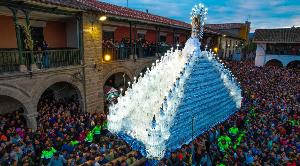
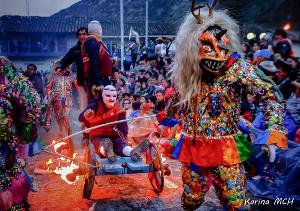
| Awareness raising | Interest in chicha de jora has grown through gastronomy festivals, educational workshops, museum exhibitions, documentaries, culinary schools, regional fairs, and cultural tourism initiatives that present the beverage within its broader historical and cultural context. Increasingly, public programs seek to overcome the misconception that chicha is merely an alcoholic drink by emphasizing its archaeological, agricultural, and ceremonial significance. Regional celebrations dedicated to chicha de jora have also contributed to strengthening public appreciation, encouraging dialogue between traditional brewers, researchers, students, chefs, and younger generations. These initiatives help ensure that the beverage continues to be understood as a living expression of Peruvian cultural heritage rather than simply as a traditional product. | |
| Engagement of communities, groups and individuals as well as other stakeholders | The continuity of this tradition depends upon cooperation among farming families, traditional brewers, cooks, pottery artisans, restaurant owners, picanterías, educational institutions, gastronomy schools, researchers, municipalities, agricultural agencies, museums, and cultural authorities. Each contributes to preserving different aspects of the practice, from cultivating native maize and preparing clay vessels to organizing festivals and documenting traditional knowledge. Communities remain the principal custodians of the tradition. Every family recipe, every fermentation method, every regional variation, and every local celebration enriches the diversity of chicha de jora throughout Peru. Rather than seeking uniformity, safeguarding efforts recognize that this diversity reflects the adaptability and vitality of living cultural heritage. | |
| International engagement | The tradition of preparing and sharing chicha de jora contributes to international discussions on Indigenous food systems, traditional fermentation, agricultural biodiversity, and sustainable gastronomy. Academic collaborations, culinary exchanges, museum exhibitions, and cultural festivals increasingly recognize the beverage as an example of how food heritage integrates environmental knowledge, social organization, and historical continuity. Its long history also offers valuable perspectives for global conversations about safeguarding intangible cultural heritage. While many fermented beverages around the world are appreciated primarily for their flavor or commercial value, chicha de jora demonstrates that a beverage can simultaneously function as ritual offering, agricultural expression, social institution, and symbol of hospitality. This multidimensional character makes it a distinctive contribution to the world's living heritage. | |
| References |
|
|







.jpeg)



.png)








.jpeg)

.jpg)



.png)
.jpg)


_(31711258567).jpg)