
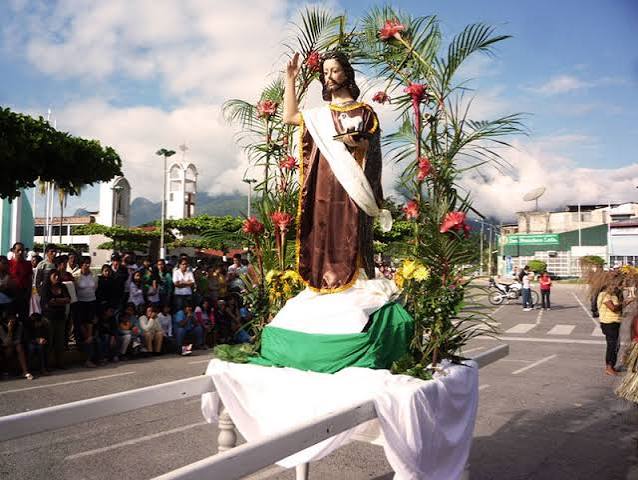
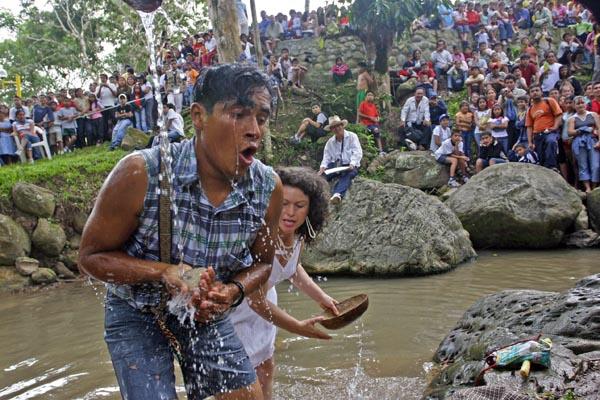
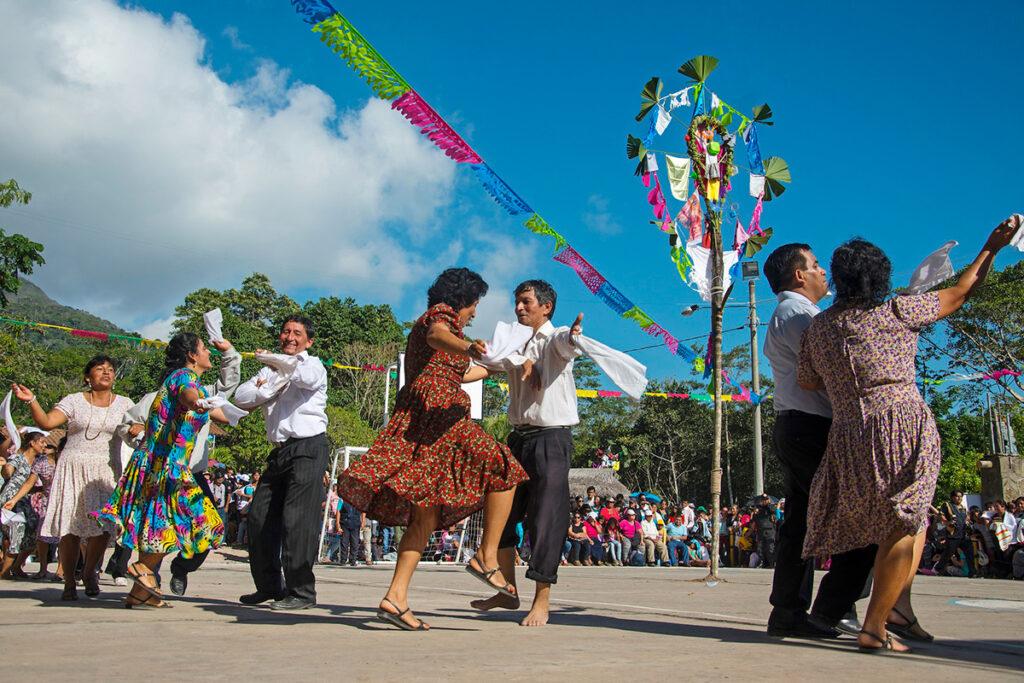
Every year on 24 June, communities throughout the Peruvian Amazon celebrate the Feast of San Juan, one of the region's most significant cultural events. Observed in Loreto, San Martín, Ucayali, Amazonas, Huánuco, and Madre de Dios, the celebration combines religious devotion, community gatherings, music, dance, traditional foods, and river rituals that reflect the close relationship between Amazonian societies and the waterways that sustain them. While honoring Saint John the Baptist, the festival has also become a broader celebration of life, nature, and community identity in the Amazon.
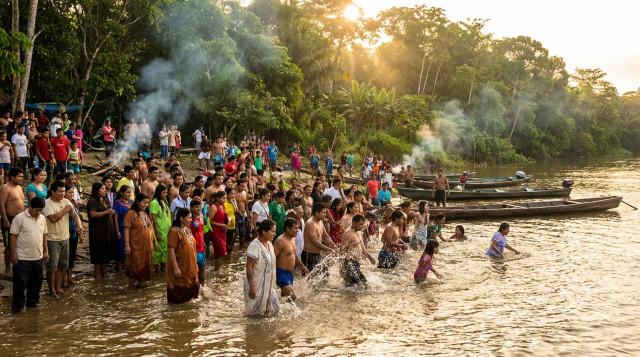
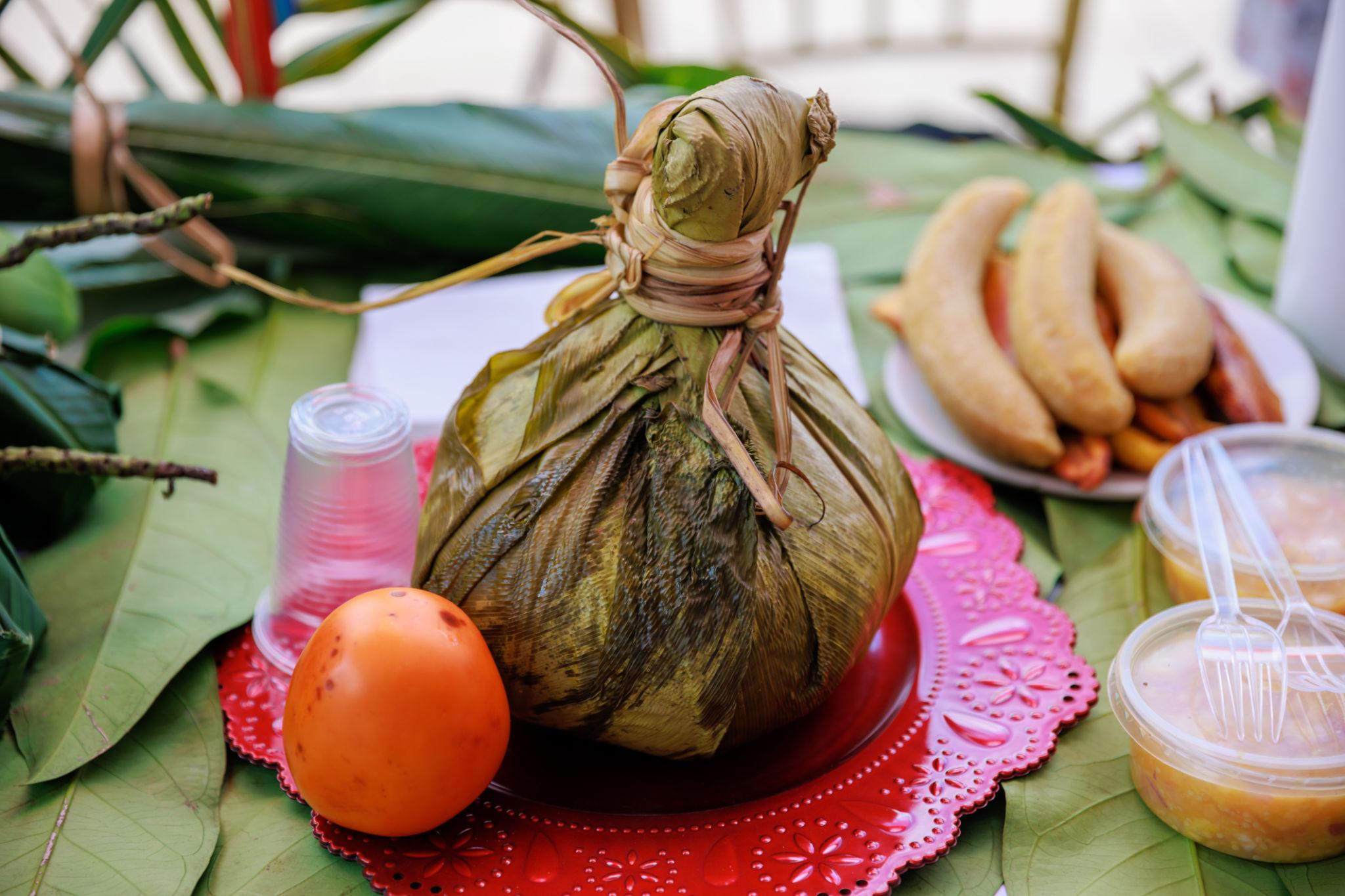
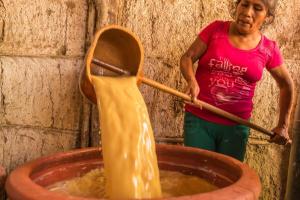
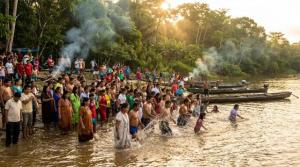
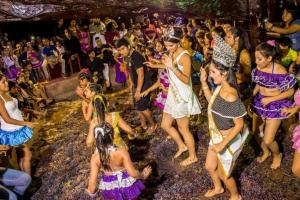
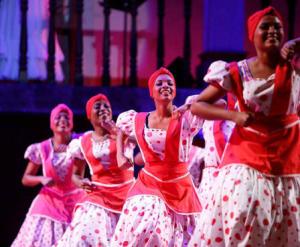
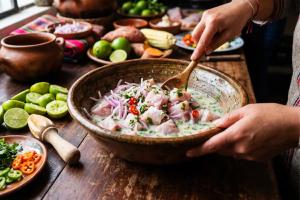
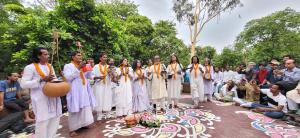
The celebration involves families, neighborhood associations, Indigenous communities, musicians, cooks, artisans, market vendors, religious groups, and local authorities. One of its most recognizable traditions is the preparation and sharing of juane, a festive dish made of rice, chicken, spices, and other ingredients wrapped in bijao leaves. Rivers also play a central role in the festivities. Many participants gather along riverbanks or springs for symbolic bathing, inspired by the association of Saint John the Baptist with water, while music, dances, canoe activities, and communal meals continue throughout the day.
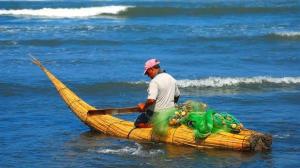
The Feast of San Juan reflects an understanding that, in the Amazon, rivers are far more than geographical features. They are roads, markets, meeting places, sources of food, and spaces of social life. Through annual celebration, communities reaffirm their connection with the waterways that shape everyday existence. The festival therefore safeguards not only religious traditions but also an entire river-based way of life that has defined Amazonian societies for generations.
07-31-2026
| Institutional and human capacities | The continuity of the Feast of San Juan depends upon families, Indigenous communities, neighborhood organizations, musicians, cooks, artisans, religious leaders, canoe operators, cultural promoters, educators, and local authorities who organize celebrations adapted to the traditions of each locality. Their collective participation ensures that the festival remains rooted in community life while reflecting the diversity of the Peruvian Amazon. Municipal governments, regional cultural institutions, educational centers, Peru's Ministry of Culture, tourism organizations, and community associations contribute by supporting cultural programming, documenting local expressions, promoting traditional gastronomy, and facilitating activities that encourage broad community participation. | |
| Transmission and education | Children experience the Feast of San Juan long before they understand its religious symbolism. They help prepare juane, decorate public spaces, accompany relatives to rivers, participate in music and dance, and observe how the entire community prepares for the celebration. Knowledge is transmitted naturally through participation in family and neighborhood activities. The celebration also teaches respect for Amazonian environments. Younger generations learn that rivers are not merely physical resources but central elements of cultural identity, community mobility, food production, and daily life. In this way, cultural education becomes inseparable from environmental awareness. | |
| Inventorying and research | The Feast of San Juan has been studied through anthropology, ethnography, religious studies, food heritage, cultural geography, and Amazonian history. Researchers examine how Christian traditions became intertwined with regional customs, producing celebrations that reflect both religious devotion and the environmental realities of Amazonian life. Recent research increasingly approaches the festival as an expression of river culture. Rather than focusing solely on religious ceremonies, scholars analyze the ways in which waterways influence social organization, mobility, gastronomy, music, and communal celebrations throughout the Amazon Basin. | |
| Policies as well as legal and administrative measures | Safeguarding measures encourage the preservation of traditional festivities while supporting community participation, regional gastronomy, local music, public celebrations, and responsible use of natural spaces during the festival. Public institutions also promote documentation of local variations and educational initiatives that highlight the cultural significance of the celebration. Administrative coordination among municipalities, cultural authorities, environmental agencies, and local communities seeks to ensure that festivities respect both cultural traditions and the ecological importance of Amazonian rivers and surrounding ecosystems. | |
| Role of intangible cultural heritage and its safeguarding in society | The Feast of San Juan demonstrates that cultural celebrations can strengthen relationships between communities and their natural environment. Through shared meals, music, river gatherings, and collective festivities, the celebration renews social ties while reinforcing appreciation for the waterways that sustain Amazonian life. The festival also highlights the diversity of Peru's cultural heritage by expressing forms of identity that have developed within tropical forests rather than the Andes or the coast. Safeguarding the celebration therefore contributes to greater recognition of the Amazon as one of the country's most dynamic cultural regions. | |
| Awareness raising | Public awareness of the Feast of San Juan has expanded through regional festivals, educational activities, museums, culinary events, documentaries, tourism initiatives, and cultural exchanges that present the celebration as one of the defining traditions of the Peruvian Amazon. These efforts encourage wider appreciation of Amazonian cultural diversity and traditional ways of life. Educational initiatives increasingly connect the celebration with environmental education, emphasizing the importance of protecting rivers, forests, and biodiversity while preserving the cultural practices that depend upon them. | |
| Engagement of communities, groups and individuals as well as other stakeholders | The safeguarding of the Feast of San Juan depends upon cooperation among families, Indigenous communities, neighborhood organizations, musicians, cooks, artisans, educational institutions, religious groups, municipalities, environmental organizations, researchers, and cultural authorities. Each contributes to preserving different aspects of the celebration while respecting local customs and regional diversity. Community participation remains the foundation of the festival. Every shared meal, musical performance, canoe activity, and river gathering reflects the collective effort of people who continue to recreate the celebration according to their own traditions and cultural values. | |
| International engagement | The Feast of San Juan contributes to international appreciation of Amazonian cultural heritage through cultural exchanges, academic research, gastronomy festivals, and sustainable tourism initiatives. Its rich combination of religious traditions, environmental knowledge, and community celebrations offers valuable perspectives on the cultural diversity of tropical forest societies. The festival also contributes to broader international discussions on safeguarding river cultures and biocultural heritage. By illustrating how waterways shape identity, food traditions, mobility, and social life, the celebration demonstrates that protecting cultural heritage and protecting river ecosystems are closely interconnected objectives. | |
| References |
|
|




.jpeg)



.png)



.jpeg)
.jpg)

.png)
.jpg)


_(31711258567).jpg)