
Every year, as the vineyards of the Ica Valley reach maturity, communities gather to celebrate one of the most anticipated moments of the agricultural calendar: the Vendimia, or grape harvest. More than a seasonal festival, the celebration marks the culmination of months of cultivation, irrigation, pruning, and patient care devoted to the vineyards that have shaped the cultural landscape of southern Peru for centuries. Farmers, winemakers, families, artisans, musicians, and visitors come together to celebrate not only the harvest itself but also the collective effort that made it possible.
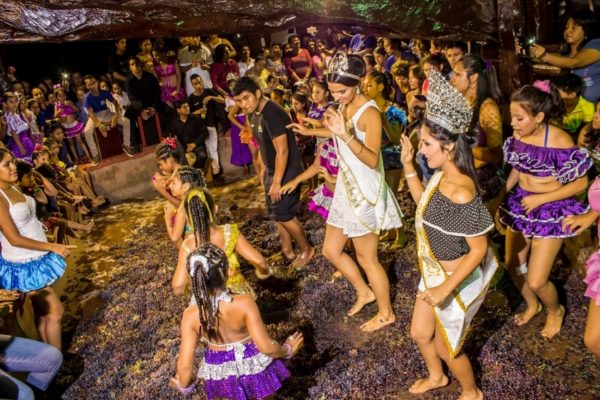
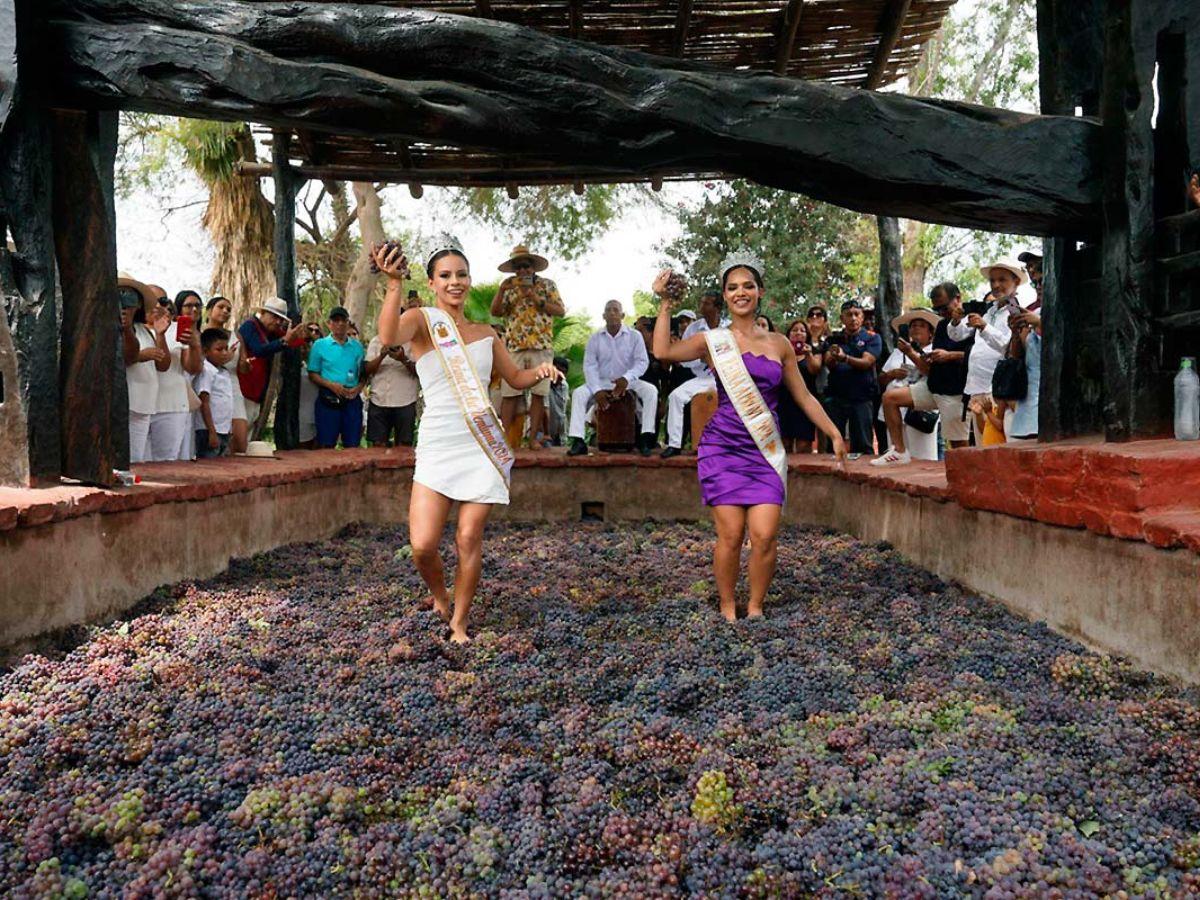
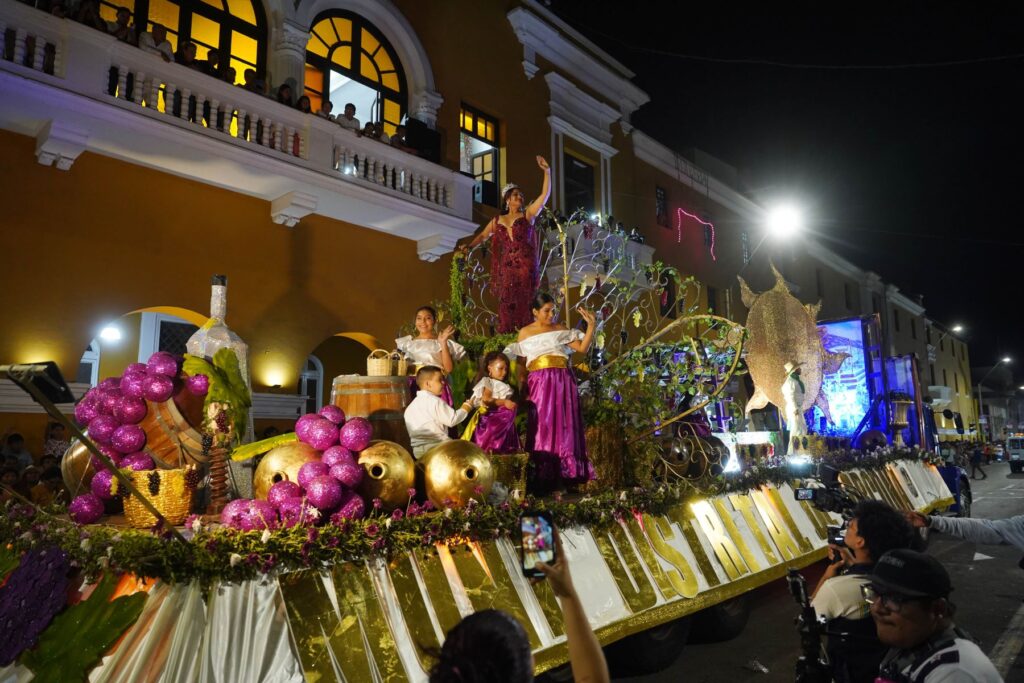
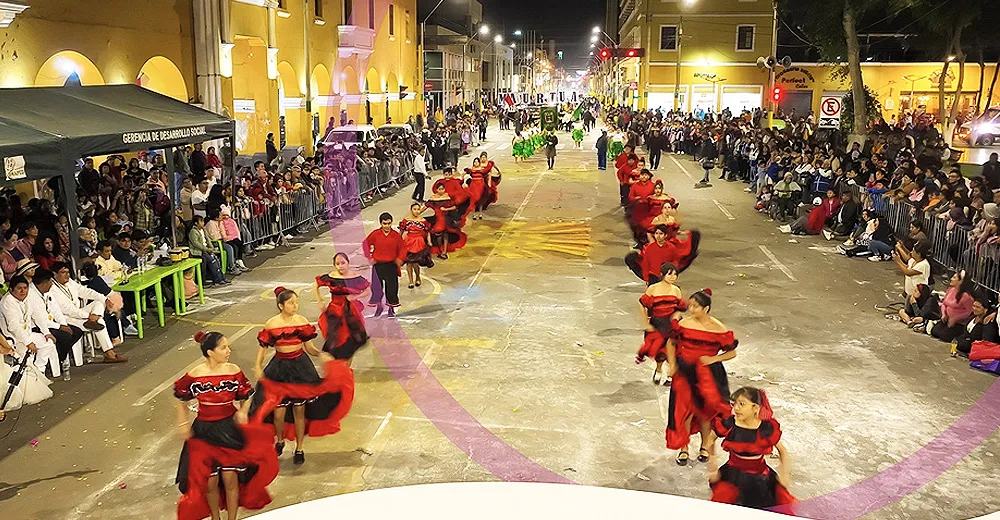
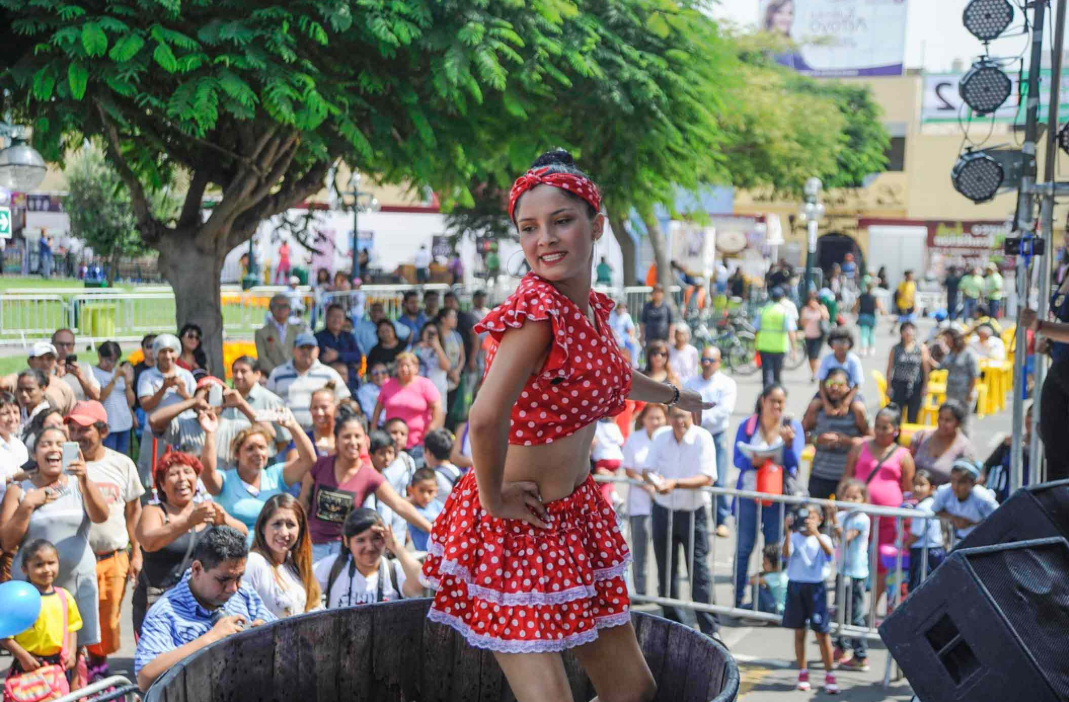
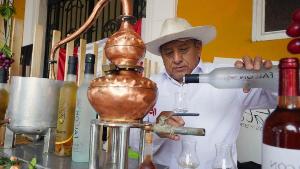
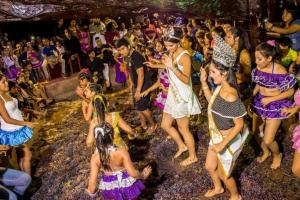
The Vendimia is celebrated throughout the Ica Region, particularly in areas with a long tradition of grape cultivation and pisco production. Among its most emblematic moments is the traditional grape stomping, during which participants enter large wooden vats and crush freshly harvested grapes using their feet, recalling one of the oldest methods of extracting juice before modern technology. Music, dance, parades, local gastronomy, artisan fairs, and cultural performances accompany the festivities, transforming agricultural work into a public celebration that reinforces regional identity and community participation.
Beyond its festive atmosphere, the Vendimia preserves knowledge associated with viticulture, seasonal cycles, and the relationship between people and the fertile desert valleys of the Peruvian coast. The celebration honors the labor of generations of vineyard workers while demonstrating that agriculture is not only an economic activity but also a source of memory, identity, and shared celebration. In this way, the harvest itself becomes part of the cultural heritage of the region.
07-31-2026
| Institutional and human capacities | The continuity of the Vendimia relies upon vineyard workers, grape growers, winemakers, pisco producers, artisans, musicians, chefs, cultural organizers, local authorities, and families who collectively prepare the annual celebration. Their knowledge ranges from traditional vineyard management and harvesting techniques to the organization of public festivities that bring communities together around the agricultural calendar. Municipal governments, regional authorities, cultural institutions, agricultural organizations, tourism agencies, educational institutions, and Peru's Ministry of Culture contribute through cultural promotion, documentation, technical support, and educational activities that recognize the Vendimia as both an agricultural and cultural expression. | |
| Transmission and education | Knowledge associated with the Vendimia is transmitted through participation in vineyard work and harvest activities. Younger generations accompany experienced growers during pruning, irrigation, harvesting, grape selection, and traditional processing methods, gradually understanding the seasonal rhythm that governs agricultural life in the Ica Valley. The celebration also teaches respect for agricultural labor. Children and young people experience firsthand that the joyful atmosphere of the festival represents months of dedication, cooperation, and environmental knowledge. The grape stomping ceremony, therefore, becomes both a festive activity and a symbolic lesson about the value of collective work. | |
| Inventorying and research | The Vendimia has been documented through studies in agricultural history, ethnography, cultural geography, gastronomy, rural sociology, and heritage studies. Researchers examine the evolution of grape cultivation, traditional harvesting techniques, festive practices, and the role of vineyards in shaping the identity of Peru's southern coast. Recent research increasingly explores the Vendimia as part of a broader cultural landscape, recognizing that vineyards, agricultural knowledge, culinary traditions, and seasonal celebrations form an interconnected heritage system that cannot be understood by examining any single element in isolation. | |
| Policies as well as legal and administrative measures | Safeguarding measures encourage the preservation of traditional harvest celebrations while supporting local viticulture, regional gastronomy, artisanal production, and cultural tourism. Public initiatives promote responsible management of cultural events, documentation of traditional practices, and educational activities that strengthen awareness of the region's agricultural heritage. Administrative cooperation among municipalities, vineyard associations, cultural institutions, tourism organizations, and local communities contributes to balancing economic development with the safeguarding of traditional knowledge and festive customs. | |
| Role of intangible cultural heritage and its safeguarding in society | The Vendimia demonstrates that harvest celebrations do more than commemorate agricultural success—they strengthen the social relationships that sustain rural life. The festival publicly recognizes the contribution of vineyard workers, farming families, artisans, musicians, and local producers whose combined efforts shape the region's identity. The tradition also reminds society that food and beverages originate in landscapes shaped by generations of human knowledge. By celebrating the harvest collectively, communities reaffirm their connection to the land and acknowledge the cultural value of agricultural work. | |
| Awareness raising | Public appreciation of the Vendimia has expanded through cultural festivals, agricultural fairs, educational programs, museums, tourism initiatives, culinary events, and media coverage that highlight the historical significance of grape cultivation in Ica. These activities encourage visitors to appreciate the harvest not simply as entertainment but as a reflection of the region's living agricultural heritage. Educational initiatives increasingly connect the festival with environmental stewardship, sustainable agriculture, and regional history, helping younger generations understand the relationship between landscape, cultivation, and cultural identity. | |
| Engagement of communities, groups and individuals as well as other stakeholders | The safeguarding of the Vendimia depends upon collaboration among grape growers, vineyard workers, families, wineries, pisco producers, musicians, artisans, chefs, educational institutions, researchers, municipalities, tourism organizations, and cultural authorities. Together they preserve the knowledge, celebrations, and seasonal practices associated with the grape harvest while adapting responsibly to contemporary circumstances. Community participation remains central because the festival reflects the shared achievements of an entire agricultural region rather than the work of any single producer or institution. | |
| International engagement | The Vendimia contributes to Peru's international cultural visibility by showcasing the close relationship between agriculture, gastronomy, and community celebrations. Through cultural exchanges, wine and pisco events, agricultural cooperation, and responsible tourism, the festival introduces international audiences to the traditions that have shaped one of Peru's most distinctive cultural landscapes. The celebration also encourages dialogue on the safeguarding of agricultural heritage, demonstrating that traditional farming knowledge, seasonal festivities, and local identity can remain relevant while adapting to changing environmental and economic conditions. | |
| References |
|
|





.jpeg)



.png)



.jpeg)
.jpg)

.png)
.jpg)


_(31711258567).jpg)