
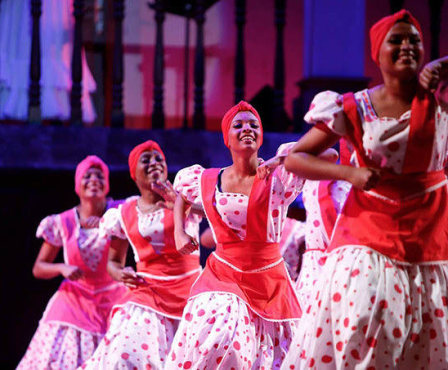
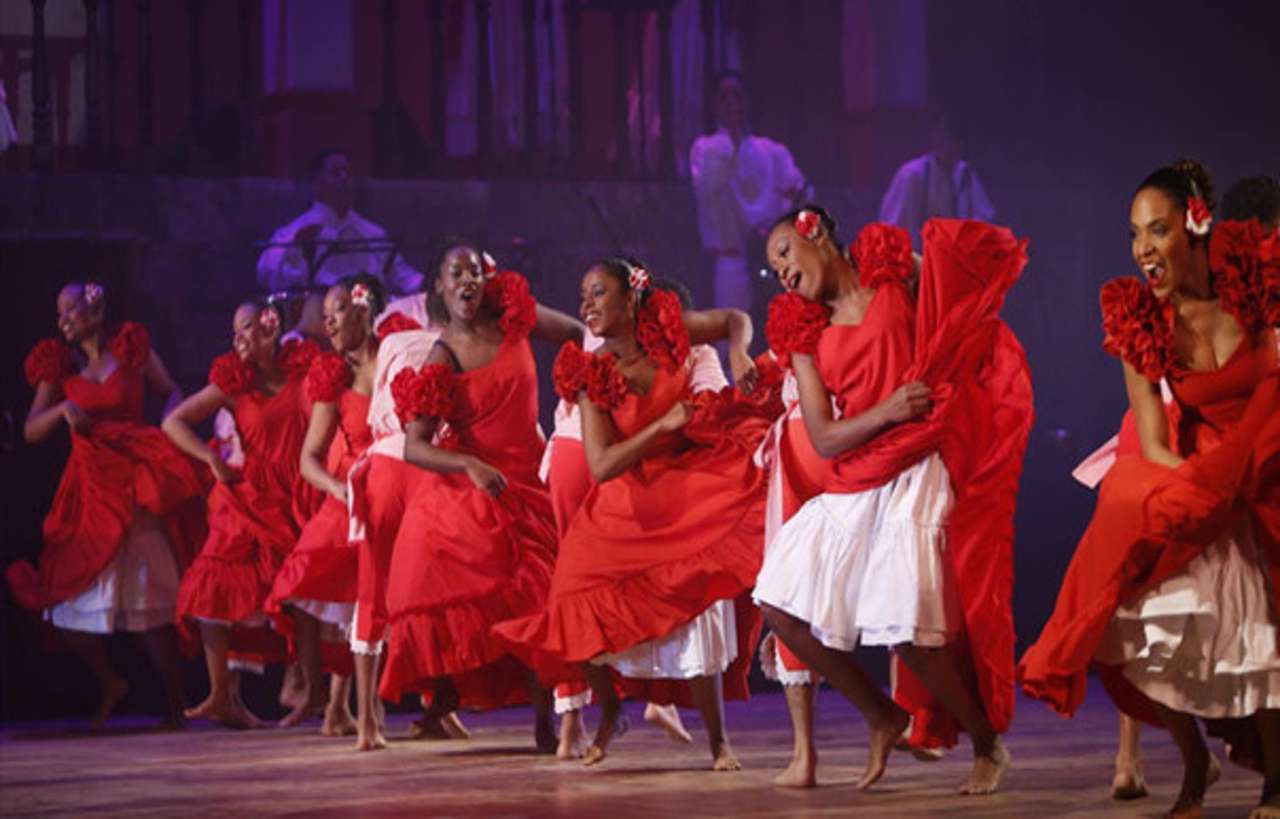
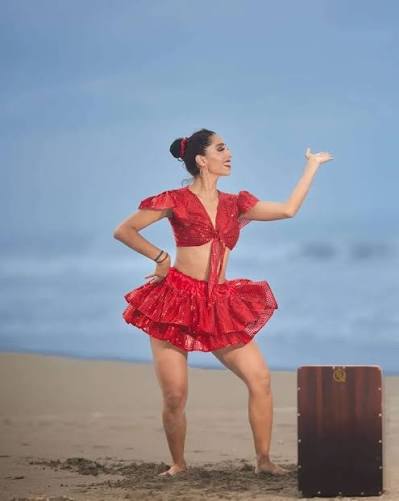
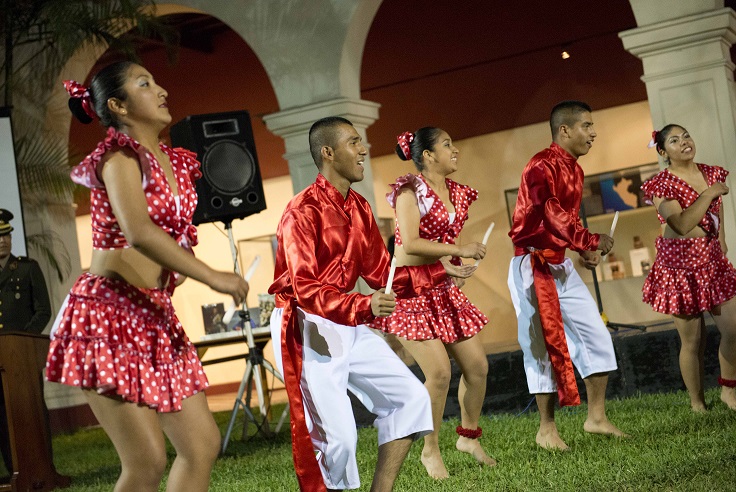
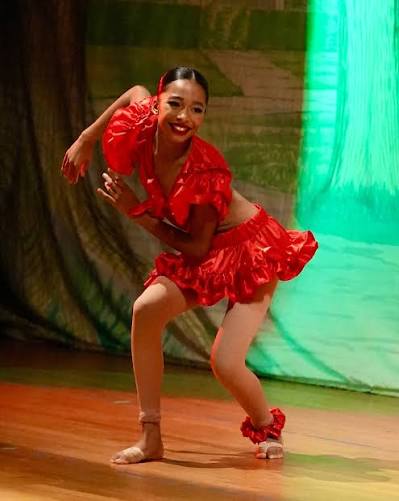
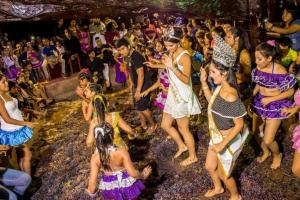
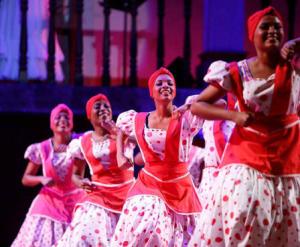
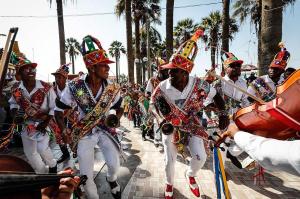
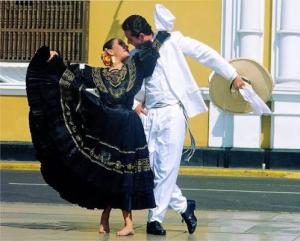
Along Peru's central and southern coast, particularly in the regions of Ica and Lima, the Festejo stands as one of the most vibrant expressions of Afro-Peruvian cultural heritage. Combining energetic dance, percussion, singing, improvisation, and communal celebration, the Festejo reflects centuries of cultural creativity developed by Afro-descendant communities. More than a performance, it is a living expression of identity that has accompanied family gatherings, local festivities, cultural events, and artistic celebrations while preserving memories, values, and traditions that continue to shape Peru's cultural diversity.
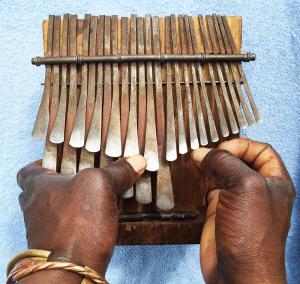
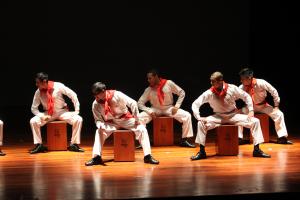
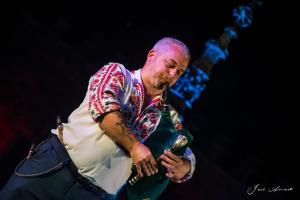
The Festejo is practiced by musicians, dancers, cultural groups, families, educators, and community members, particularly in historic Afro-Peruvian communities such as El Carmen in the Chincha Valley and other coastal localities. Its characteristic rhythm is created through the interaction of traditional instruments including the cajón peruano, the quijada (made from the jawbone of a donkey or horse), the cajita, hand percussion, and expressive vocals. Dancers respond to the music with dynamic footwork, playful improvisation, and expressive body movements that encourage interaction rather than rigid choreography, allowing every performance to reflect the personality and creativity of its participants.
Beyond its artistic beauty, the Festejo represents the resilience and cultural vitality of Afro-Peruvian communities. Emerging from historical experiences marked by slavery, social exclusion, and cultural adaptation, the tradition transformed music and dance into spaces of affirmation, dignity, and collective celebration. Rather than dwelling on hardship, the Festejo expresses optimism, creativity, and the enduring capacity of communities to preserve their heritage through joy. In doing so, it has become one of Peru's most recognizable symbols of Afro-Peruvian cultural identity.
07-31-2026
| Institutional and human capacities | Along Peru's central and southern coast, particularly in the regions of Ica and Lima, the Festejo stands as one of the most vibrant expressions of Afro-Peruvian cultural heritage. Combining energetic dance, percussion, singing, improvisation, and communal celebration, the Festejo reflects centuries of cultural creativity developed by Afro-descendant communities. More than a performance, it is a living expression of identity that has accompanied family gatherings, local festivities, cultural events, and artistic celebrations while preserving memories, values, and traditions that continue to shape Peru's cultural diversity. The Festejo is practiced by musicians, dancers, cultural groups, families, educators, and community members, particularly in historic Afro-Peruvian communities such as El Carmen in the Chincha Valley and other coastal localities. Its characteristic rhythm is created through the interaction of traditional instruments including the cajón peruano, the quijada (made from the jawbone of a donkey or horse), the cajita, hand percussion, and expressive vocals. Dancers respond to the music with dynamic footwork, playful improvisation, and expressive body movements that encourage interaction rather than rigid choreography, allowing every performance to reflect the personality and creativity of its participants. Beyond its artistic beauty, the Festejo represents the resilience and cultural vitality of Afro-Peruvian communities. Emerging from historical experiences marked by slavery, social exclusion, and cultural adaptation, the tradition transformed music and dance into spaces of affirmation, dignity, and collective celebration. Rather than dwelling on hardship, the Festejo expresses optimism, creativity, and the enduring capacity of communities to preserve their heritage through joy. In doing so, it has become one of Peru's most recognizable symbols of Afro-Peruvian cultural identity. | |
| Transmission and education | The Festejo is learned through participation rather than formal instruction alone. Children and young people grow up attending family celebrations, rehearsals, festivals, and community gatherings where they observe musicians, imitate dance movements, recognize rhythmic patterns, and gradually become active participants in performances. Transmission also preserves historical consciousness. Alongside artistic skills, younger generations inherit stories of Afro-Peruvian communities, the evolution of traditional musical instruments, and the cultural importance of maintaining a joyful expression that honors the resilience of previous generations. Learning the Festejo therefore involves understanding both rhythm and history. | |
| Inventorying and research | The Festejo has been documented extensively through ethnomusicology, anthropology, dance studies, oral history, cultural history, and Afro-Peruvian studies. Researchers have examined its musical structure, choreographic evolution, improvisational elements, traditional instruments, and its role in shaping contemporary Peruvian cultural identity. Current research increasingly recognizes the Festejo as a dynamic expression of cultural resilience. Rather than interpreting it solely as folklore, scholars explore how music and dance became creative responses to historical adversity, allowing communities to strengthen social cohesion while preserving distinctive cultural traditions. | |
| Policies as well as legal and administrative measures | Safeguarding initiatives encourage the preservation of Afro-Peruvian performing arts through cultural festivals, artistic education, documentation projects, community workshops, and support for traditional musicians and dancers. Public policies also promote the visibility of Afro-Peruvian heritage within broader national cultural programs. Administrative cooperation among cultural authorities, municipalities, educational institutions, and community organizations strengthens opportunities for performances, research, and intergenerational learning while encouraging respectful representation of Afro-Peruvian traditions in public cultural life. | |
| Role of intangible cultural heritage and its safeguarding in society | The Festejo illustrates how intangible cultural heritage can transform historical experience into collective celebration. Through rhythm, movement, and improvisation, communities affirm dignity, creativity, and belonging while creating spaces where cultural memory is expressed through joy rather than silence. The tradition also enriches Peru's multicultural identity by recognizing the enduring contributions of Afro-Peruvian communities to the nation's music, dance, language, and artistic expression. Safeguarding the Festejo therefore strengthens cultural diversity while encouraging broader appreciation of Peru's plural historical narratives. | |
| Awareness raising | Awareness of the Festejo has expanded through cultural festivals, schools, universities, museums, documentaries, artistic workshops, television programs, and international performances that showcase Afro-Peruvian music and dance. These initiatives encourage audiences to understand the tradition as a living cultural expression rooted in community history rather than simply as stage entertainment. Educational activities increasingly highlight the historical context of the Festejo alongside its artistic qualities, promoting greater recognition of Afro-Peruvian heritage and encouraging dialogue about cultural diversity, inclusion, and historical memory within contemporary society. | |
| Engagement of communities, groups and individuals as well as other stakeholders | The continuity of the Festejo depends upon collaboration among musicians, dancers, instrument makers, families, community organizations, cultural educators, researchers, municipalities, educational institutions, and cultural authorities. Festivals, rehearsals, workshops, and local celebrations provide opportunities for participants of all ages to actively contribute to the transmission of the tradition. Community leadership remains fundamental. Many of the most significant initiatives emerge from Afro-Peruvian communities themselves, whose members continue to teach, perform, document, and reinterpret the tradition while preserving its essential cultural values. | |
| International engagement | The Festejo has become one of the most internationally recognized expressions of Afro-Peruvian culture through artistic tours, cultural exchanges, academic research, music festivals, and educational collaborations. Its dynamic rhythms and distinctive musical traditions have introduced international audiences to the diversity of Peru's cultural heritage while fostering dialogue on the contributions of Afro-descendant communities throughout Latin America. International collaborations have also encouraged comparative research on African diasporic musical traditions, highlighting shared histories of resilience, creativity, and cultural adaptation. In this broader context, the Festejo contributes to global appreciation of how communities transform historical experience into enduring artistic expression. | |
| References |
|
|









.jpeg)



.png)


.jpeg)
.jpg)

.png)
.jpg)


_(31711258567).jpg)