
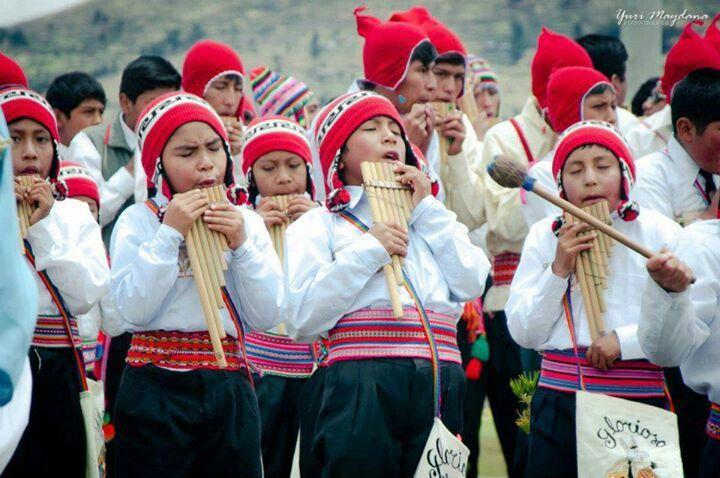
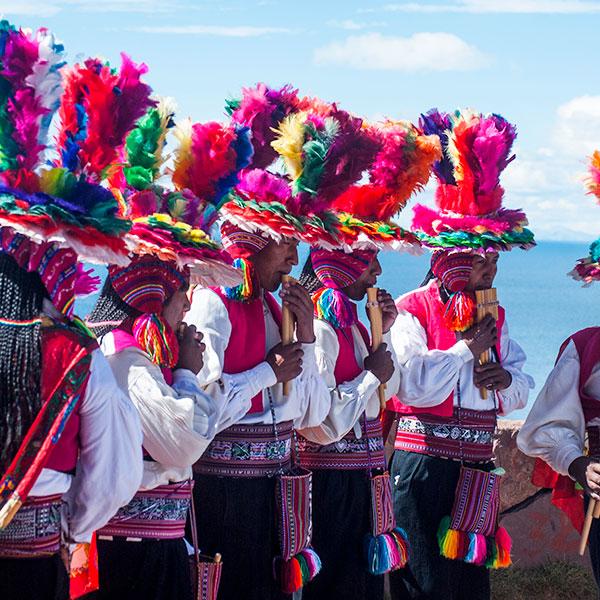
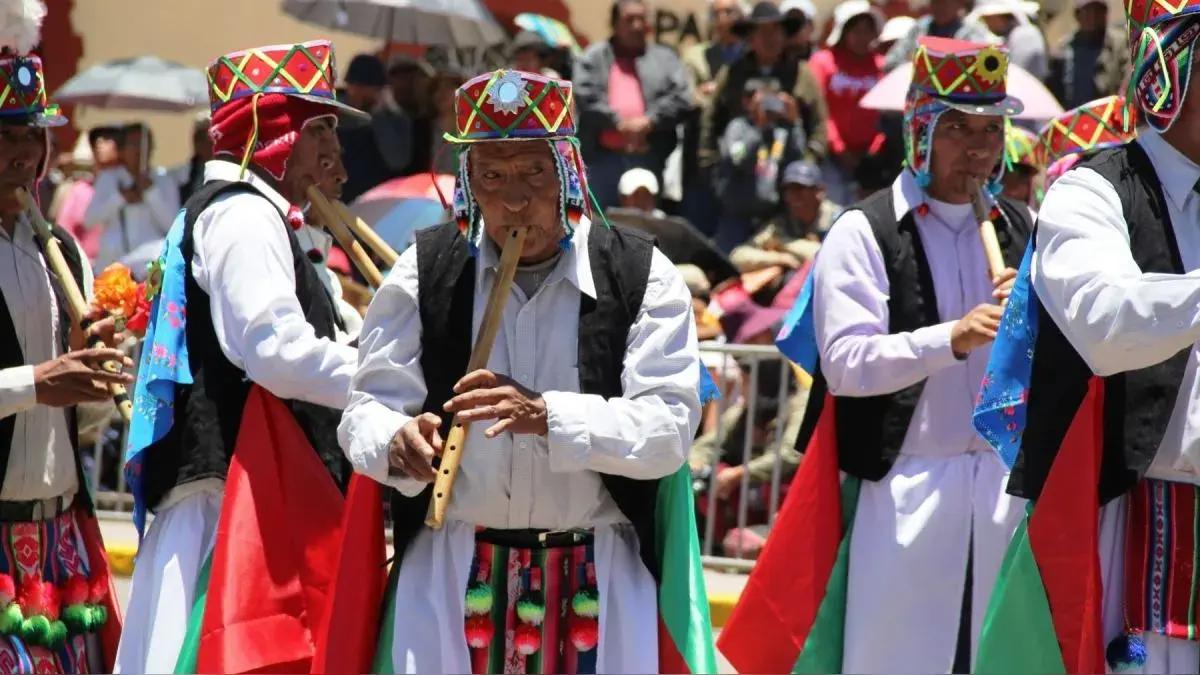
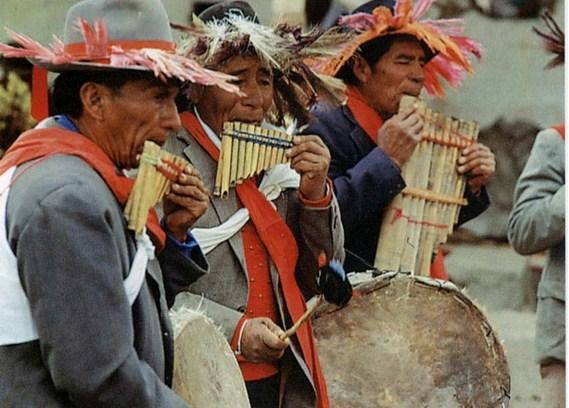
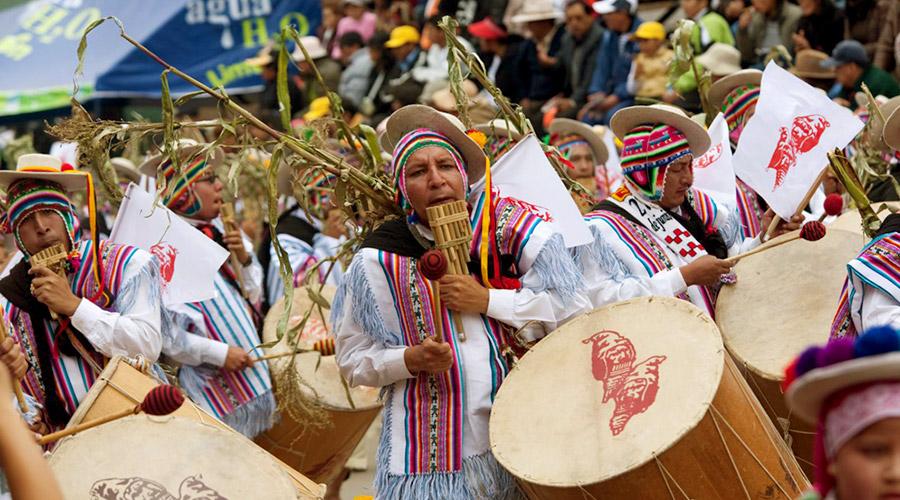
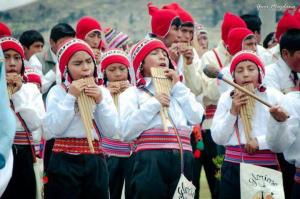
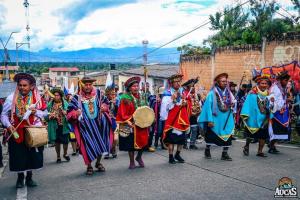
Across the highlands surrounding Lake Titicaca and throughout southern Peru, the sound of the siku, the traditional Andean panpipe, has accompanied community celebrations, agricultural cycles, religious festivities, and social gatherings for centuries. The musical tradition known as Sikuri is practiced in regions such as Puno, Cusco, Moquegua, Tacna, and parts of Arequipa, where groups of musicians perform collectively during festivals and communal events. More than a musical genre, Sikuri represents a distinctive philosophy of making music together, in which harmony can only be achieved through cooperation among performers.
Unlike many musical traditions where one performer is capable of playing an entire melody, Sikuri is based on a complementary system. The notes of a melody are divided between two different types of panpipes, commonly known as ira and arka. Each musician performs only part of the musical phrase, requiring constant coordination with others to complete the melody. This interdependence transforms performance into an exercise in listening, reciprocity, and collective responsibility, where no individual can replace the contribution of the ensemble.
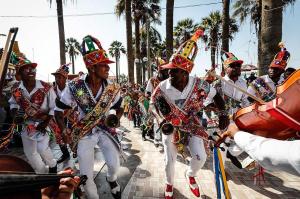
Today, Sikuri continues to be practiced by community musicians, cultural associations, students, families, and local ensembles during patron saint festivals, civic celebrations, agricultural ceremonies, and cultural gatherings. Beyond preserving traditional music, the practice reinforces values of solidarity, mutual respect, and collective participation that have long characterized Andean society. Through every performance, Sikuri reminds participants that harmony is not achieved through individual virtuosity, but through collaboration.
07-31-2026
| Institutional and human capacities | The continuity of Sikuri depends upon experienced musicians, instrument makers, community leaders, cultural instructors, elders, youth groups, and local ensembles that preserve both musical techniques and the collaborative philosophy underlying the tradition. Their knowledge extends beyond instrumental performance to include ceremonial contexts, repertoire, and community organization. Municipal governments, educational institutions, cultural organizations, Peru's Ministry of Culture, music schools, and researchers contribute through documentation, workshops, festivals, and educational initiatives that encourage new generations to participate while respecting traditional performance practices. | |
| Transmission and education | Learning Sikuri begins by joining an ensemble rather than practicing alone. New musicians gradually develop their skills by listening attentively to more experienced performers, learning to coordinate rhythm, breathing, and timing while recognizing that each individual contributes only one part of a larger musical expression. Transmission therefore teaches more than music. Participants develop patience, cooperation, discipline, and mutual trust, understanding that successful performance depends upon careful communication and collective effort rather than individual performance. | |
| Inventorying and research | Researchers have documented Sikuri through studies in ethnomusicology, anthropology, acoustics, Indigenous music, performance studies, and cultural history. Documentation examines musical structures, instrument construction, ceremonial contexts, regional repertoires, and the social organization of performing groups. Recent research increasingly interprets Sikuri as a model of collective knowledge. Scholars explore how musical interdependence reflects broader Andean concepts of reciprocity, complementarity, and communal cooperation, demonstrating that musical practice can also express social philosophy. | |
| Policies as well as legal and administrative measures | Safeguarding initiatives encourage the preservation of traditional musical repertoires, support instrument-making knowledge, and promote educational opportunities for community ensembles. Cultural policies also facilitate festivals, workshops, and exchanges that strengthen the visibility of Andean musical traditions within Peru. Administrative efforts increasingly recognize the importance of supporting community-based music groups, ensuring that safeguarding extends beyond performances to include the transmission of craftsmanship, teaching methods, and cultural values associated with Sikuri. | |
| Role of intangible cultural heritage and its safeguarding in society | Sikuri demonstrates that music can serve as a model for social organization. Because every melody depends upon multiple performers, the tradition teaches that cooperation, reciprocity, and attentive listening are essential for achieving harmony both in music and in community life. The tradition also strengthens intergenerational relationships by bringing together children, adults, and elders within the same ensembles. Musical performance becomes a space where technical skills, cultural identity, and community values are transmitted simultaneously. | |
| Awareness raising | Public appreciation of Sikuri has expanded through regional festivals, cultural exchanges, educational concerts, museums, documentaries, academic research, and music schools. These initiatives encourage audiences to understand the tradition not only as Andean music but also as an expression of collective creativity and social cooperation. Awareness activities increasingly emphasize the collaborative nature of the performance, allowing new audiences to appreciate that every melody emerges through dialogue among musicians rather than individual execution. | |
| Engagement of communities, groups and individuals as well as other stakeholders | The safeguarding of Sikuri depends upon collaboration among musicians, instrument makers, community organizations, educational institutions, cultural authorities, researchers, local governments, and festival organizers. Together they support the documentation, transmission, and continued practice of the tradition while respecting regional variations and community leadership. Families also play an important role by encouraging children to join local ensembles from an early age. Through participation in rehearsals and public performances, younger generations become active contributors to the continuity of the tradition. | |
| International engagement | Sikuri has gained international visibility through cultural festivals, academic exchanges, Andean music ensembles, and collaborations among musicians across South America and beyond. These exchanges have contributed to broader recognition of the richness and diversity of Andean musical heritage while fostering intercultural dialogue through performance. International interest has also encouraged research into Indigenous musical systems that differ fundamentally from Western concepts of solo performance. In this context, Sikuri offers a distinctive example of how collective participation itself can become the foundation of artistic creation and cultural transmission. | |
| References |
|
|











.jpeg)


.png)


.jpeg)
.jpg)

.png)
.jpg)


_(31711258567).jpg)