
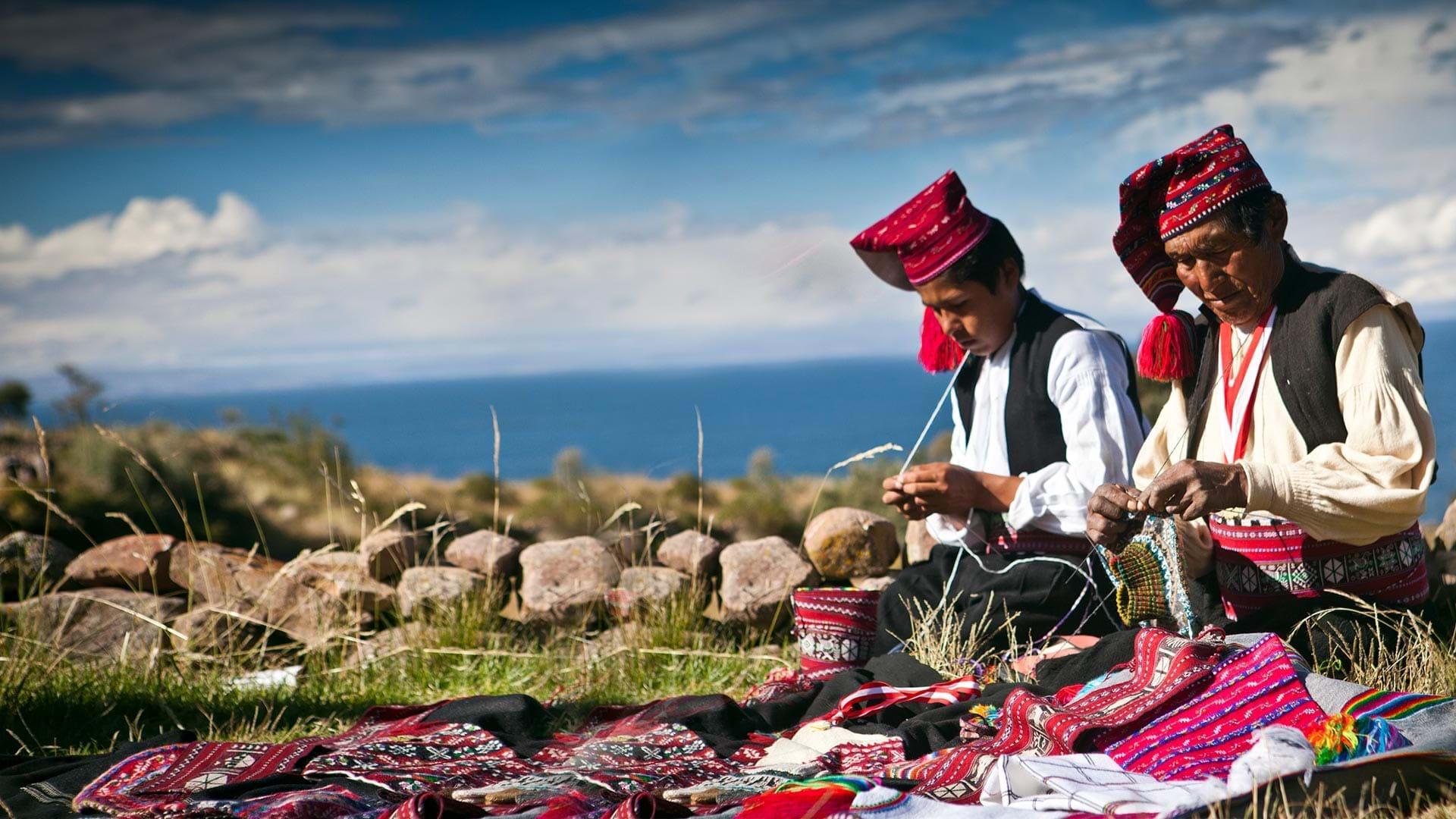
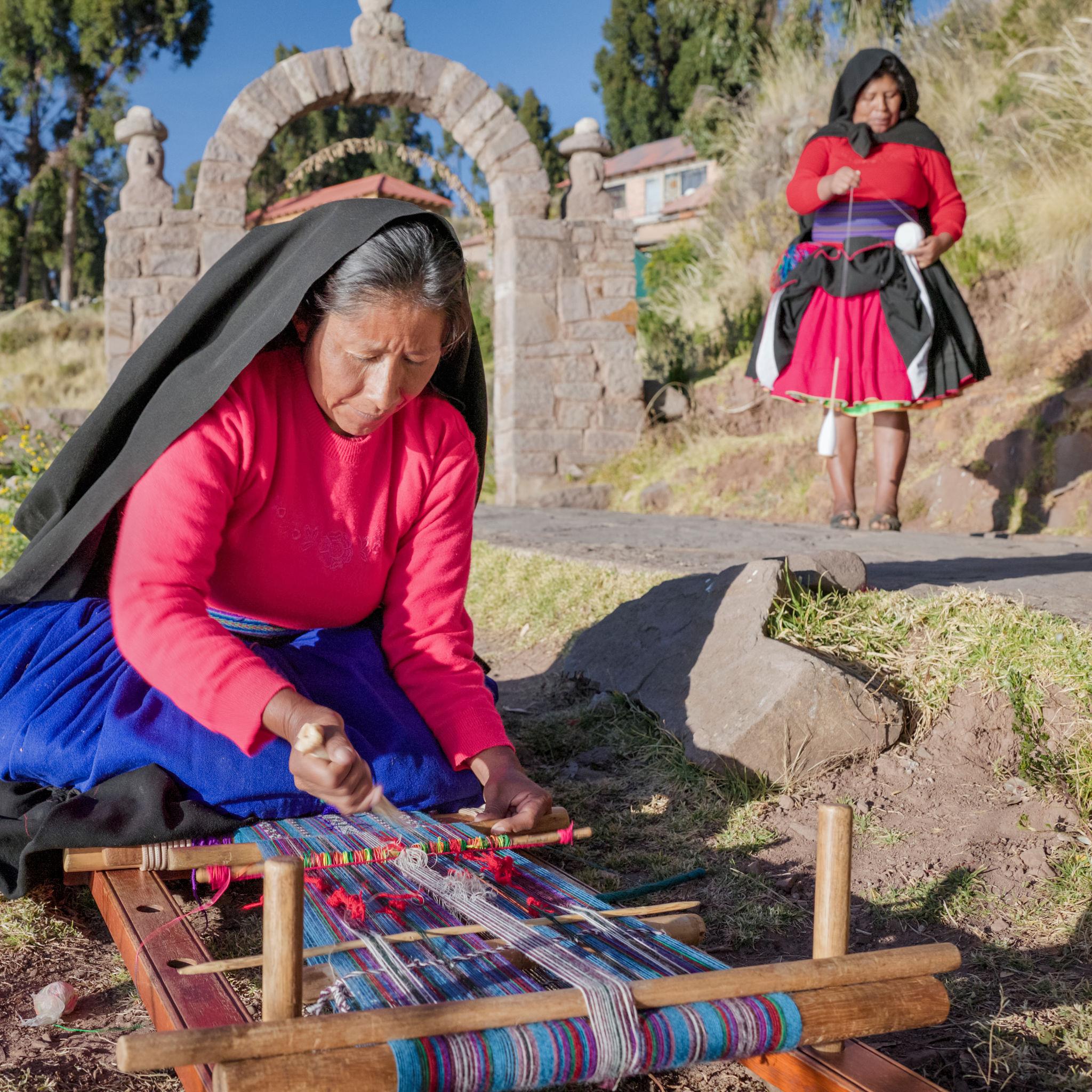
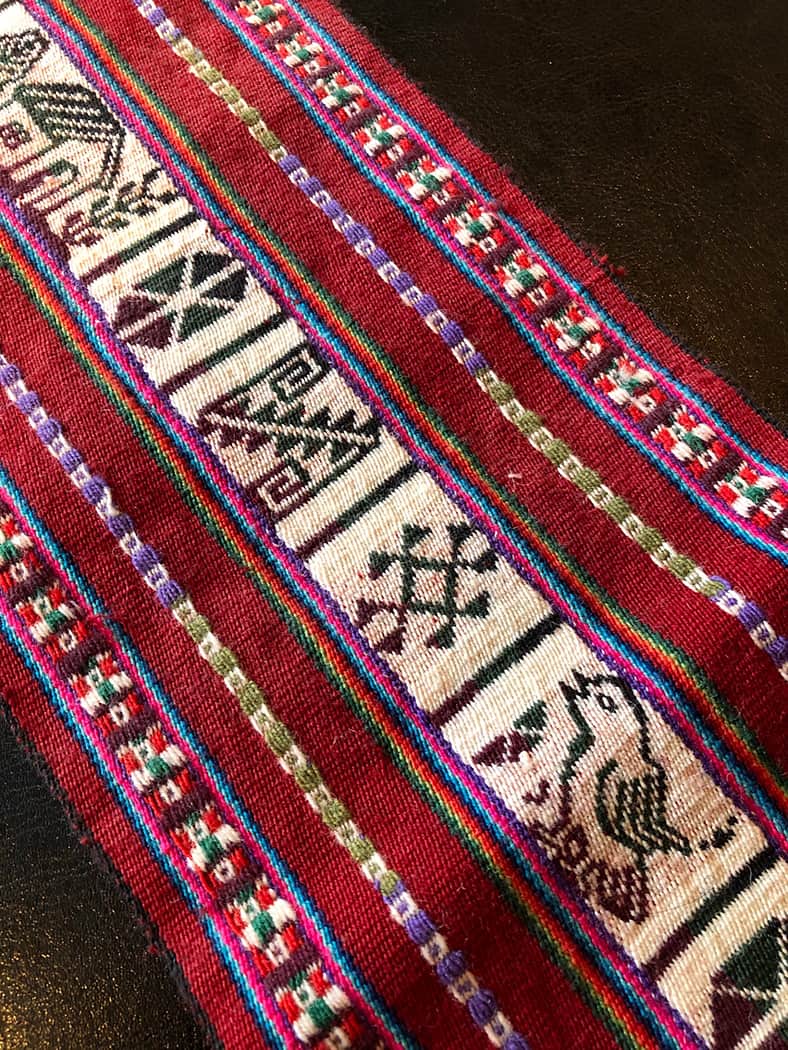
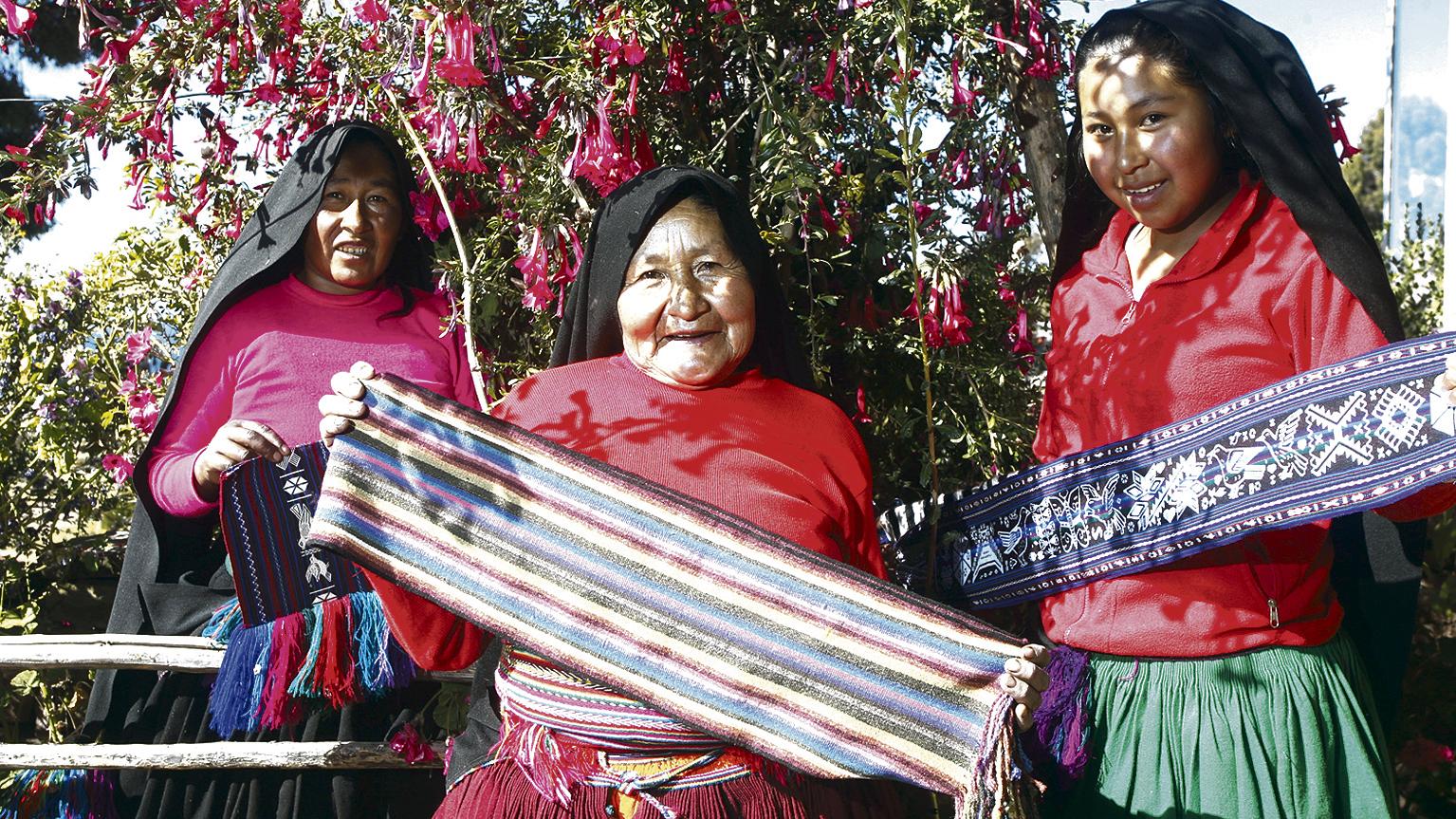
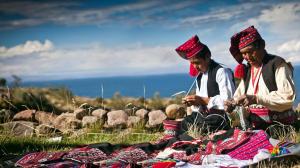
Rising from the waters of Lake Titicaca, Taquile Island is home to one of Peru's most distinctive textile traditions, where weaving and knitting serve not only as artistic practices but also as a means of communication, identity, and social organization. For centuries, the island's inhabitants have developed sophisticated textile techniques that express community values, family heritage, and individual responsibilities. Every garment carries meanings that extend beyond decoration, reflecting a living cultural system in which textiles function as symbols understood by members of the community.
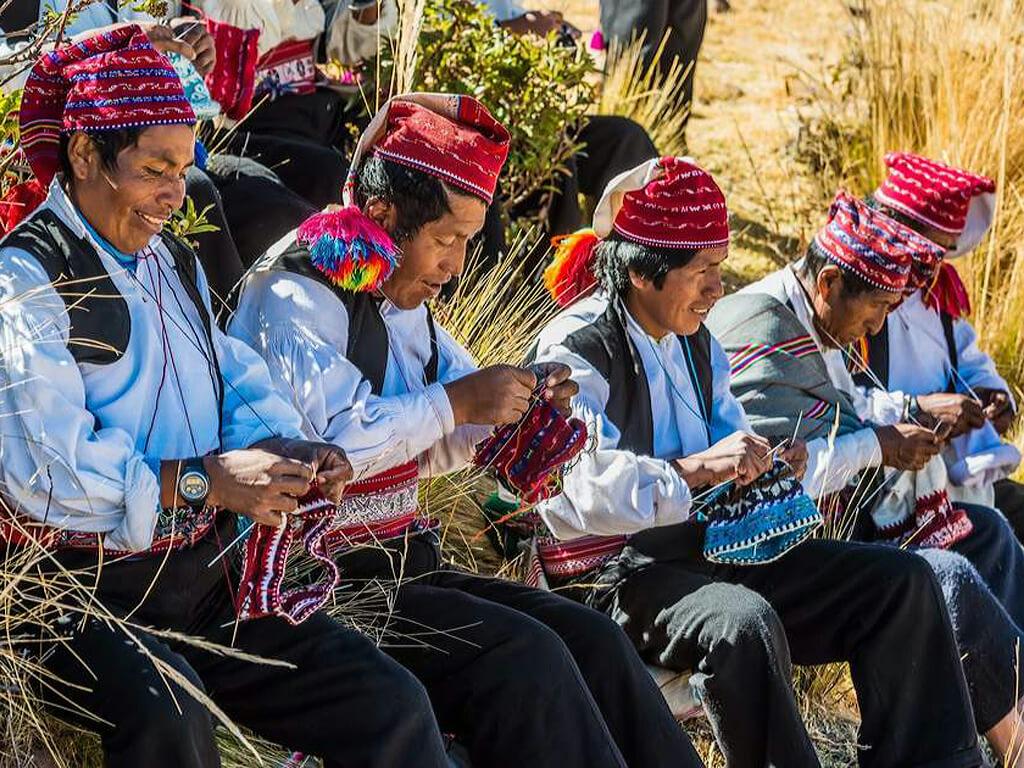
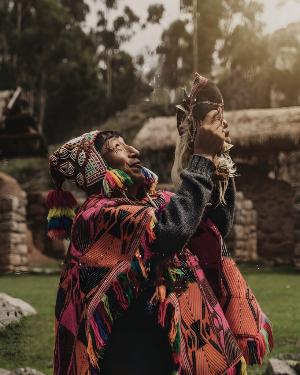
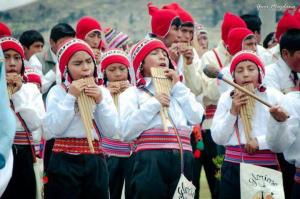
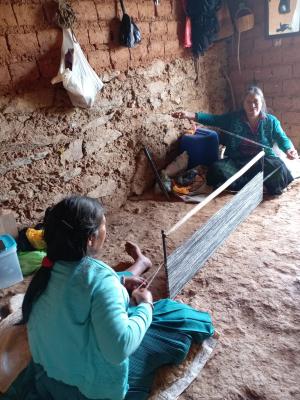
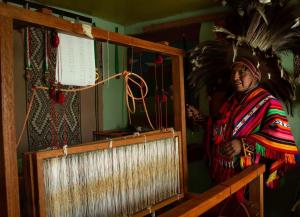
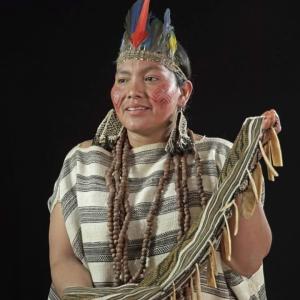
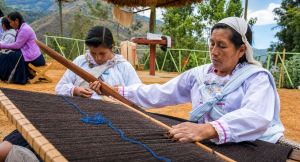
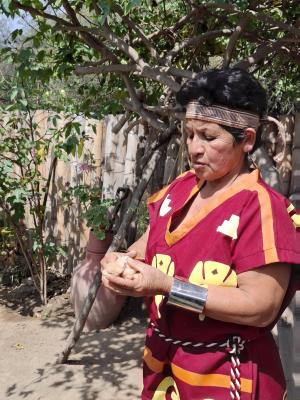
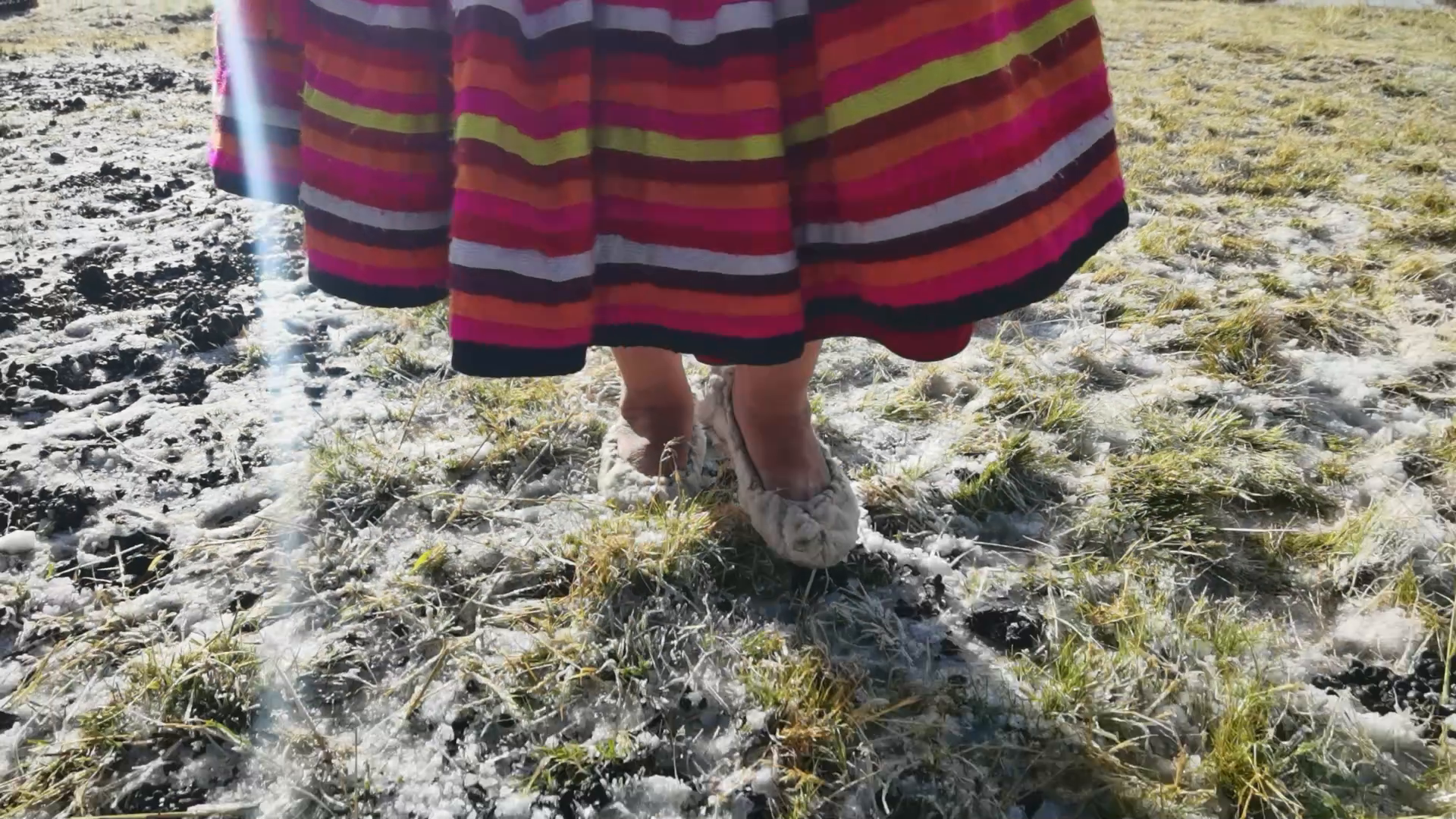
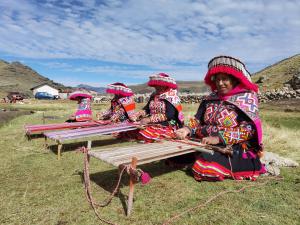
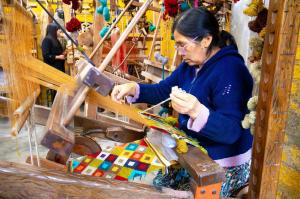
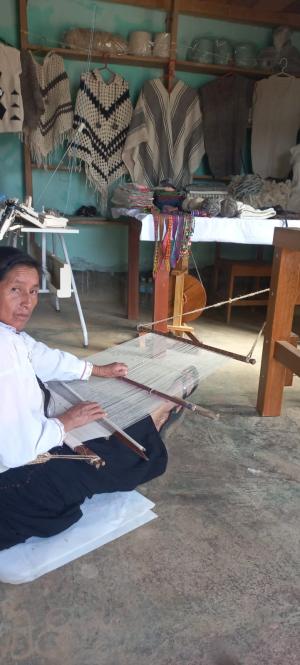
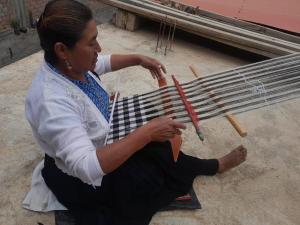
The textile tradition is practiced collectively by the inhabitants of Taquile Island, located in the Puno Region. Men are renowned for knitting finely crafted chullo hats and other knitted garments from an early age, while women specialize in weaving and embroidery using techniques transmitted within their families. The colors, patterns, materials, and styles of each textile often communicate information such as marital status, age, community membership, or participation in local traditions. Rather than being produced solely for commercial purposes, textiles continue to accompany everyday life, ceremonial events, agricultural activities, and community celebrations.
The significance of Taquile textiles lies in the way they transform craftsmanship into a form of cultural expression and social dialogue. Each thread preserves technical knowledge while simultaneously transmitting values of cooperation, reciprocity, responsibility, and collective identity. Recognizing their exceptional cultural importance, the "Taquile and its Textile Art" was proclaimed by UNESCO as a Masterpiece of the Oral and Intangible Heritage of Humanity in 2005 and subsequently incorporated into the Representative List of the Intangible Cultural Heritage of Humanity in 2008. Today, the tradition remains a powerful example of how material objects can embody intangible systems of knowledge that continue to guide community life.
07-31-2026
| Institutional and human capacities | The continuity of Taquile's textile tradition depends upon skilled knitters, weavers, embroiderers, elders, family members, community authorities, and local cultural organizations that safeguard traditional techniques and the social values associated with textile production. Knowledge is maintained through everyday practice, where craftsmanship is inseparable from community life and cultural responsibility. Educational institutions, Peru's Ministry of Culture, local authorities, museums, researchers, and cultural organizations contribute by documenting techniques, promoting cultural education, supporting exhibitions, and encouraging the intergenerational transmission of textile knowledge. Their work complements the leadership of the island's community, which remains the principal guardian of the tradition. | |
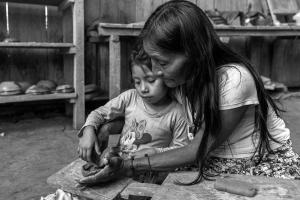
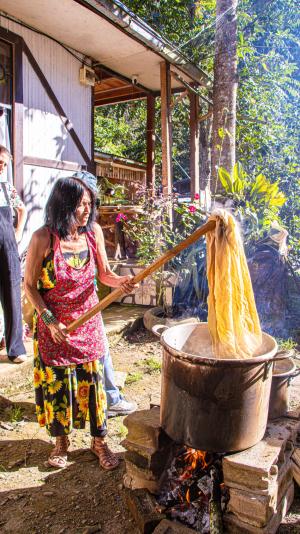
| Transmission and education | Textile knowledge is introduced from an early age through participation in family life. Children observe parents and grandparents spinning, weaving, knitting, dyeing fibers, and interpreting the meanings embedded within different garments. Technical ability develops gradually alongside an understanding of the social responsibilities and cultural values represented by each textile. Transmission extends beyond manual skills. Younger generations learn that producing a textile also involves patience, precision, discipline, cooperation, and respect for collective traditions. The process teaches not only how to create garments but also how to participate responsibly in community life. | |
| Inventorying and research | Taquile's textile tradition has been documented through research in anthropology, ethnography, textile conservation, material culture, history, and visual communication. Studies examine weaving techniques, symbolic designs, traditional clothing, natural fibers, dyeing processes, and the role of textiles within the island's social organization. Researchers increasingly emphasize that Taquile textiles function as systems of visual communication. Rather than treating garments simply as artistic objects, contemporary research explores how clothing conveys identity, social status, community responsibilities, and cultural values through shared symbolic conventions understood within the community. | |
| Policies as well as legal and administrative measures | Safeguarding measures promote the preservation of traditional textile techniques while supporting the social conditions that allow knowledge to continue being transmitted within the community. Cultural policies encourage documentation, education, artisan support, and the recognition of Taquile's textile heritage as an essential component of Peru's cultural diversity. Administrative initiatives also encourage responsible cultural tourism that respects community values and supports local livelihoods. By promoting fair recognition of traditional craftsmanship, these measures contribute to ensuring that textile production remains both culturally meaningful and economically sustainable. | |
| Role of intangible cultural heritage and its safeguarding in society | Taquile's textile tradition demonstrates that clothing can function as a language through which communities communicate identity, responsibility, and belonging. The garments preserve collective memory while allowing individuals to express their place within the social fabric of the island. In this way, textile production becomes an ongoing dialogue between generations. The tradition also reinforces the principles of reciprocity and communal cooperation that characterize life on Taquile Island. Every textile reflects relationships among families, neighbors, and community members, illustrating how craftsmanship can strengthen social cohesion while preserving cultural continuity. | |
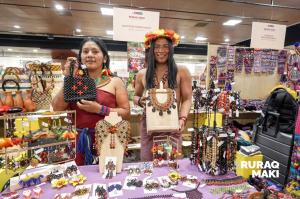
| Awareness raising | Public appreciation of Taquile's textile heritage has expanded through museums, cultural exhibitions, educational programs, documentaries, artisan fairs, academic research, and responsible tourism initiatives. These activities encourage visitors to understand that the significance of the textiles lies not only in their aesthetic quality but also in the cultural meanings they communicate. Awareness campaigns increasingly highlight the importance of safeguarding the knowledge, symbolism, and community practices associated with textile production rather than focusing exclusively on the finished products. This perspective encourages greater respect for the living cultural system that gives the textiles their meaning. | |
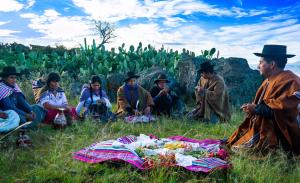
| Engagement of communities, groups and individuals as well as other stakeholders | The safeguarding of Taquile's textile tradition depends upon cooperation among families, skilled artisans, community authorities, educational institutions, researchers, museums, tourism organizations, cultural authorities, and local associations. Each stakeholder contributes to documenting, transmitting, promoting, and preserving different dimensions of the tradition while respecting community leadership. Visitors also play an important role by valuing authentic craftsmanship, supporting community-based initiatives, and recognizing the cultural significance of the textiles beyond their commercial value. Responsible engagement helps strengthen both cultural continuity and sustainable local development. | |
| International engagement | Since its international recognition by UNESCO, Taquile's textile tradition has become an important reference for discussions on the safeguarding of traditional craftsmanship and community-based cultural heritage. Cultural exchanges, exhibitions, academic collaborations, and international artisan events have contributed to sharing the island's experience with audiences around the world. The tradition also demonstrates that craftsmanship can preserve complex systems of social knowledge. By illustrating how textiles communicate identity, relationships, and cultural values, Taquile offers an internationally significant example of the intimate relationship between tangible objects and intangible heritage. | |
| References |
|
|











.jpeg)




.png)










.jpeg)
.jpg)



.png)
.jpg)


_(31711258567).jpg)