
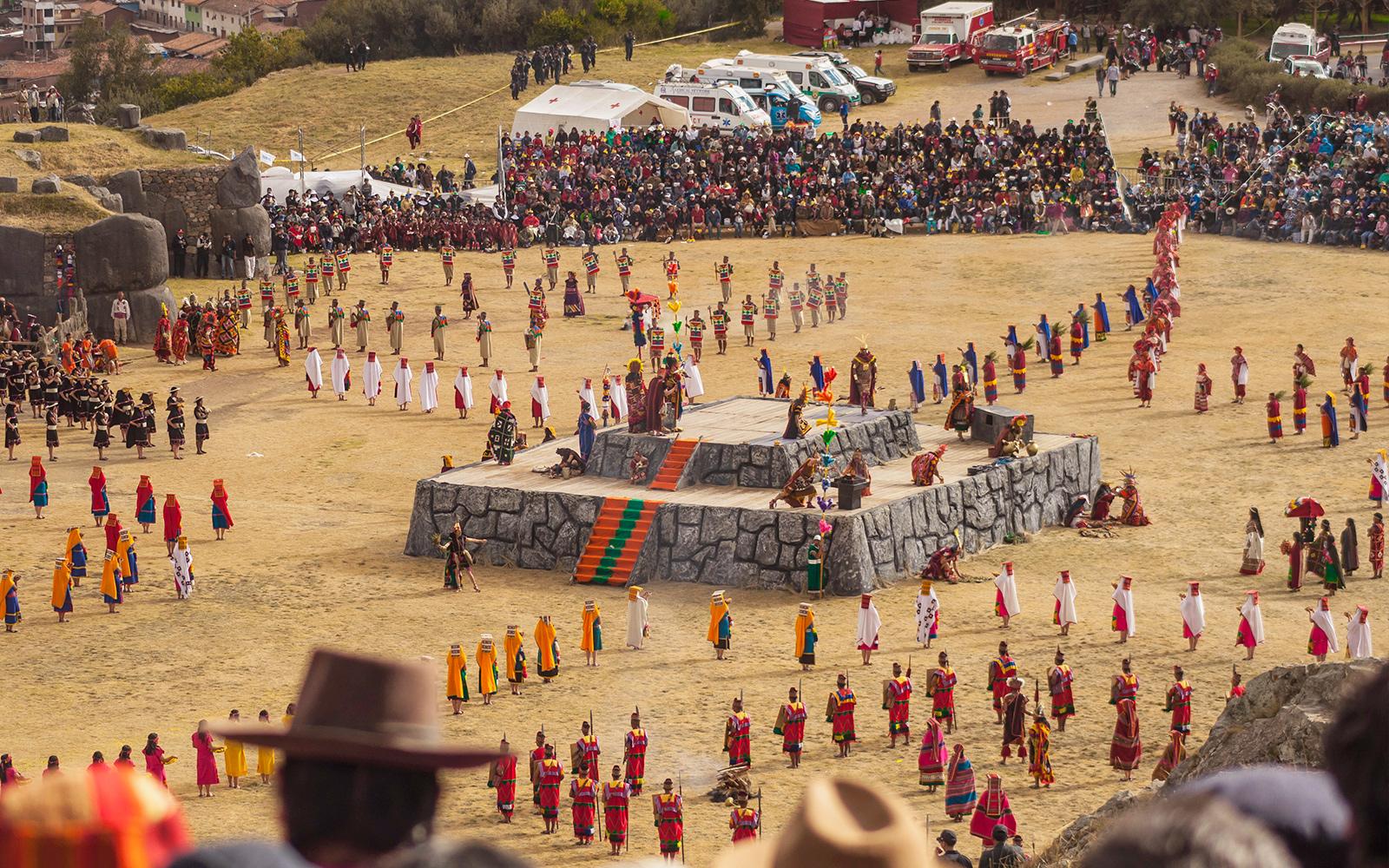
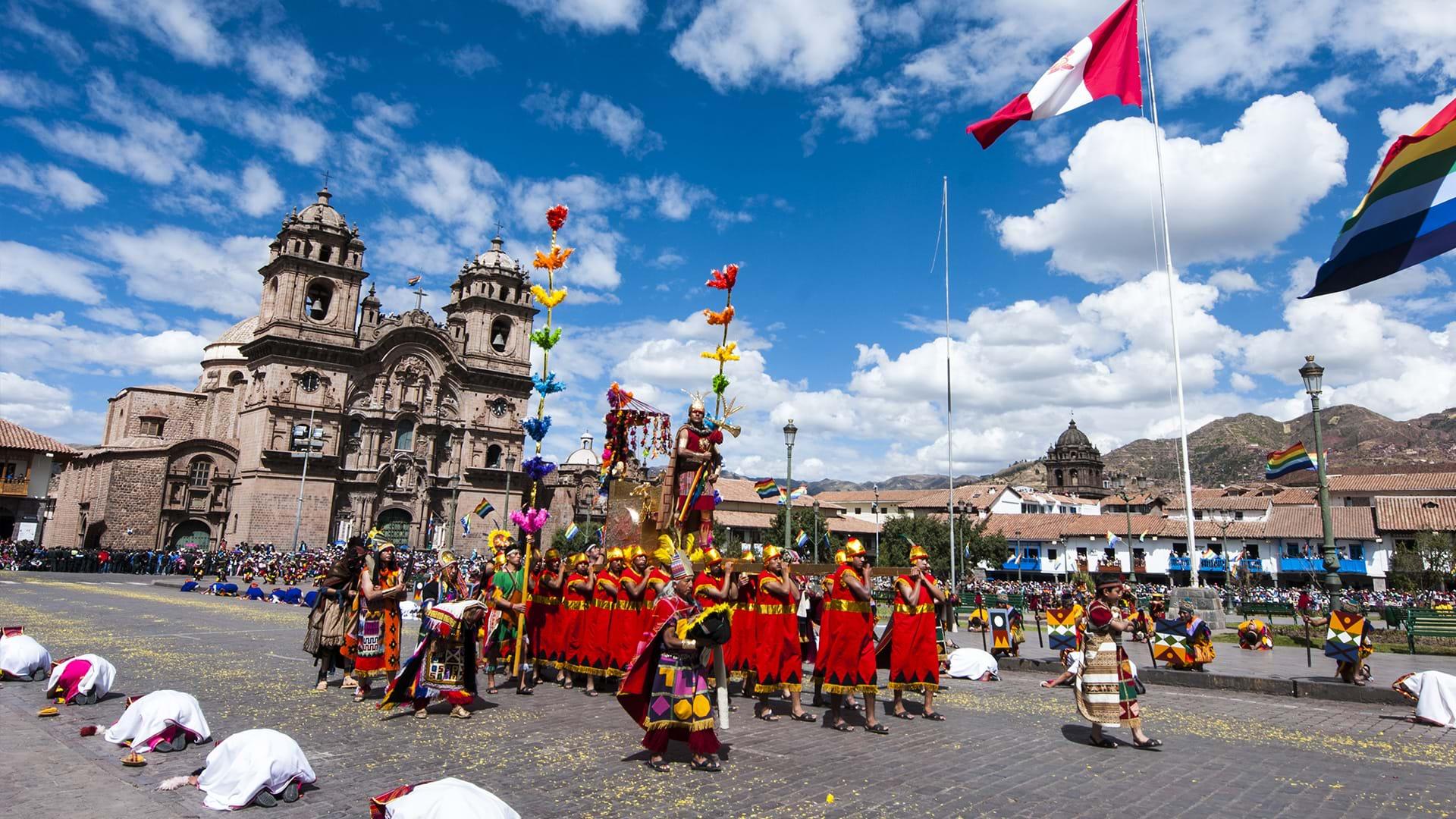
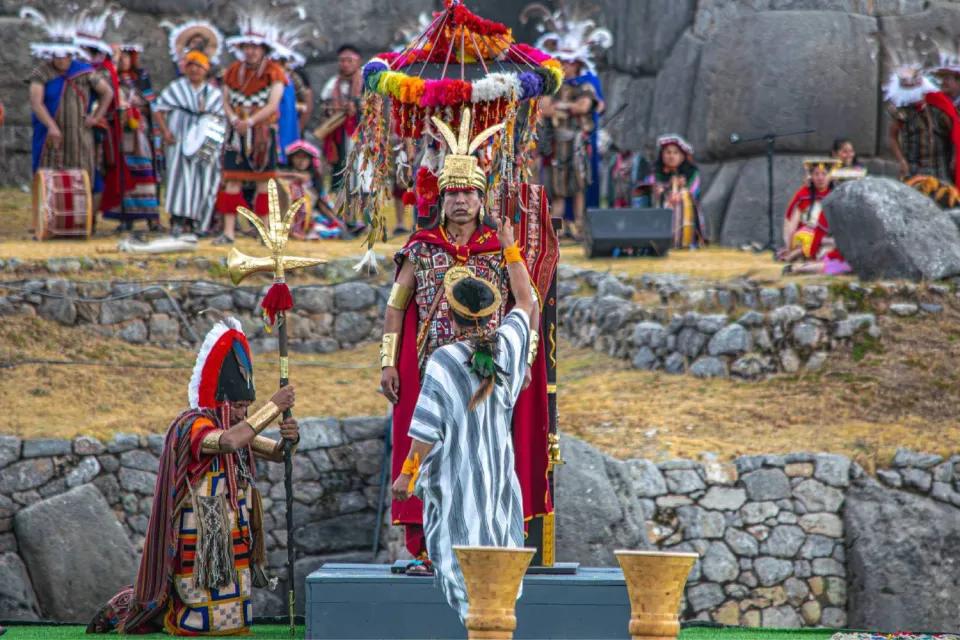
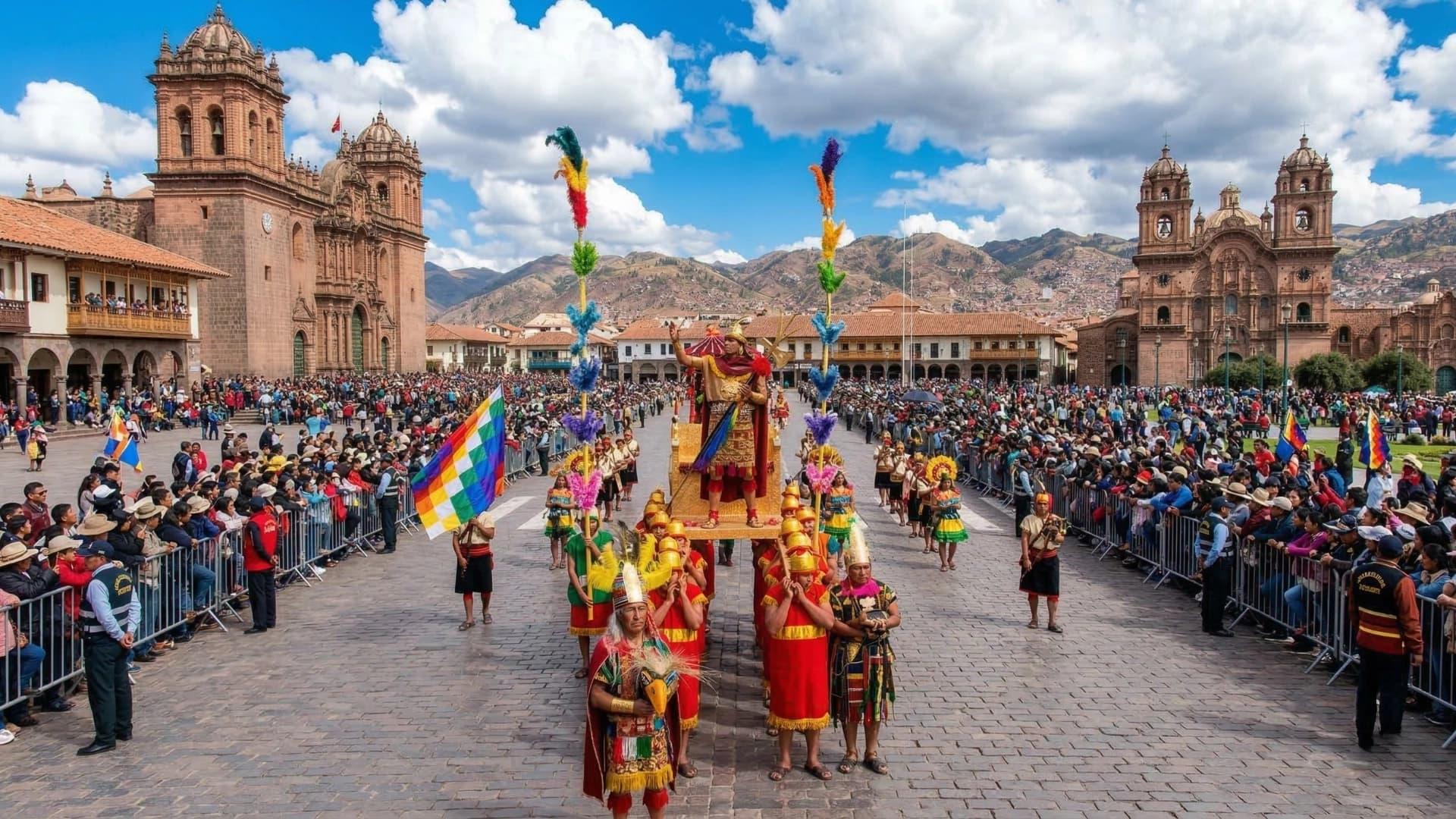
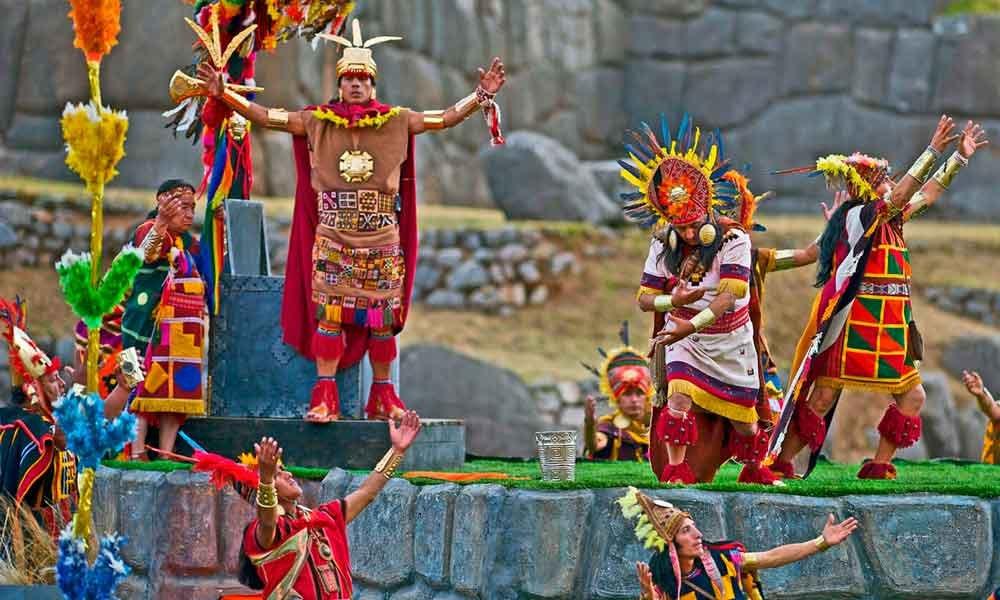
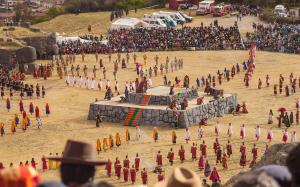
Every year on 24 June, the city of Cusco becomes the stage for Inti Raymi, the Festival of the Sun, one of Peru's most emblematic cultural celebrations. Inspired by descriptions recorded in early colonial chronicles and rooted in the ceremonial traditions of the Inca civilization, the event commemorates the winter solstice in the Southern Hemisphere, a moment that historically marked the renewal of the agricultural cycle and reaffirmed the relationship between society, nature, and the Sun, revered as a life-giving force.
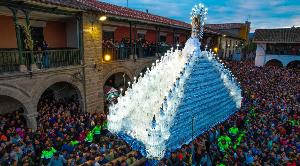
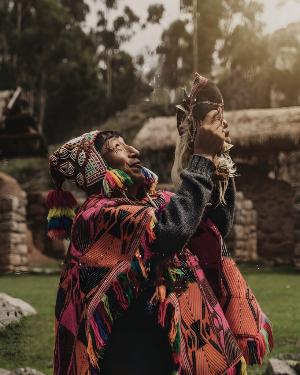
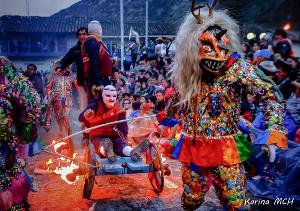
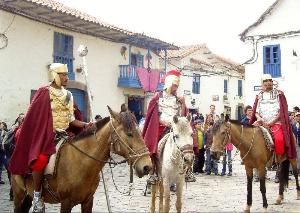
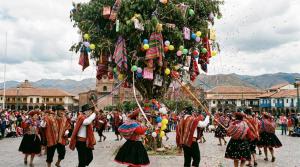
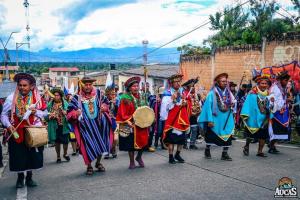
Today, the celebration unfolds across several of Cusco's most significant historical spaces, including Qorikancha, the Plaza de Armas, and the archaeological complex of Sacsayhuamán. It brings together performers, musicians, traditional artisans, historians, cultural practitioners, local authorities, students, residents, and visitors who collectively recreate one of the most important public ceremonies associated with the Inca world. Through carefully prepared costumes, ceremonial speeches in Quechua, music, choreography, and symbolic rituals, participants contribute to preserving and transmitting knowledge about the cultural legacy of the Andes.
Although the present-day celebration is a modern reconstruction first organized in 1944, Inti Raymi has evolved into much more than a historical representation. It has become a space where contemporary communities reaffirm their connection with the cultural memory of the Inca civilization while celebrating the continuity of Quechua language, Andean values, traditional arts, and Indigenous identity. In doing so, the festival demonstrates how societies can revitalize historical heritage by transforming memory into a living cultural practice.
07-31-2026
| Institutional and human capacities | The organization of Inti Raymi relies upon the coordinated participation of cultural institutions, historians, archaeologists, actors, musicians, choreographers, costume makers, artisans, Quechua language specialists, educational institutions, and the local community. Their combined expertise ensures that the celebration faithfully represents historical sources while remaining meaningful to contemporary audiences. Municipal authorities, Peru's Ministry of Culture, tourism institutions, universities, and cultural organizations contribute through research, conservation of ceremonial spaces, educational programs, and logistical support. Their collaboration allows the celebration to serve simultaneously as a cultural event, an educational experience, and an expression of local identity. | |
| Transmission and education | Knowledge associated with Inti Raymi is transmitted through historical research, community participation, artistic preparation, and educational initiatives. Participants learn not only theatrical performance but also the historical significance of the ceremony, the symbolism of ritual sequences, the use of Quechua, and the cultural values associated with the Inca worldview. Schools, universities, museums, and cultural organizations increasingly incorporate Inti Raymi into educational activities that encourage younger generations to understand the historical foundations of the celebration while appreciating the enduring influence of Andean civilizations on contemporary Peruvian society. | |
| Inventorying and research | Research on Inti Raymi combines archaeology, history, anthropology, ethnography, linguistics, and performance studies. Scholars examine colonial chronicles, archaeological evidence, oral traditions, and contemporary cultural practices to understand both the original Inca ceremony and its twentieth-century revival. Documentation also explores how the festival has evolved over time, balancing historical interpretation with the creative contributions of modern communities. This dual perspective recognizes Inti Raymi as both a reconstruction of the past and a living expression of present-day cultural identity. | |
| Policies as well as legal and administrative measures | Safeguarding measures focus on protecting the cultural integrity of the celebration while preserving the archaeological and historical spaces in which it takes place. Public institutions support research, conservation, educational activities, and community participation to ensure that the festival continues to communicate its historical significance with accuracy and respect. Administrative coordination among cultural authorities, municipal governments, heritage managers, and tourism organizations also seeks to balance increasing public interest with the conservation of Cusco's historic monuments and ceremonial sites. | |
| Role of intangible cultural heritage and its safeguarding in society | Inti Raymi illustrates how intangible cultural heritage can reconnect contemporary society with historical civilizations through collective remembrance. Rather than attempting to reproduce the past exactly as it once existed, the celebration encourages communities to reflect upon their historical roots while expressing their cultural identity in the present. The festival also strengthens appreciation for the Quechua language, traditional arts, Indigenous knowledge, and the historical importance of Cusco as the former capital of the Inca Empire. In this way, safeguarding Inti Raymi contributes to preserving not only a ceremonial event but also a broader understanding of Peru's cultural history. | |
| Awareness raising | Inti Raymi has become one of Peru's most visible cultural celebrations through educational programs, museums, documentaries, academic publications, media coverage, and responsible cultural tourism. These initiatives encourage audiences to understand the celebration as a reflection of historical memory rather than simply a public spectacle. Educational outreach also promotes greater appreciation of the archaeological heritage, Indigenous traditions, and historical narratives that give meaning to the ceremony, fostering respect for both the tangible and intangible dimensions of Peru's cultural legacy. | |
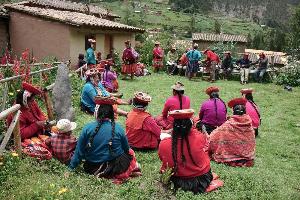
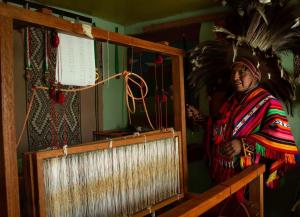
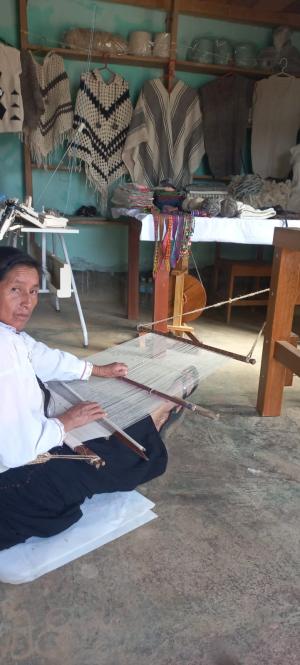
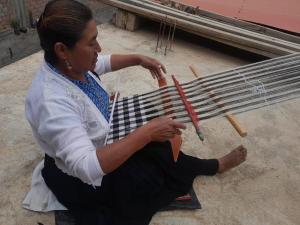
| Engagement of communities, groups and individuals as well as other stakeholders | The celebration depends upon collaboration among local communities, performers, artisans, historians, archaeologists, educational institutions, tourism organizations, cultural authorities, researchers, and thousands of volunteers who contribute to its preparation each year. This broad participation reflects the shared responsibility of preserving one of Peru's most representative cultural events. Community involvement extends beyond performance itself. Local craftspeople produce traditional clothing and ceremonial objects, Quechua speakers contribute linguistic authenticity, and educational institutions encourage students to engage with the historical and cultural significance of the celebration. | |
| International engagement | Inti Raymi has become one of Peru's most internationally recognized cultural events, attracting researchers, visitors, photographers, educators, and cultural professionals from around the world. Through international media, academic collaboration, and cultural exchanges, the celebration contributes to a broader understanding of the historical legacy of the Inca civilization and the contemporary vitality of Andean culture. The festival also encourages international dialogue on the role of cultural revitalization in safeguarding heritage. By demonstrating how communities can respectfully reconstruct and reinterpret historical traditions, Inti Raymi offers valuable perspectives on the relationship between memory, identity, and living cultural heritage. | |
| References |
|
|





.jpeg)



.png)

.jpeg)
.jpg)

.png)
.jpg)


_(31711258567).jpg)