

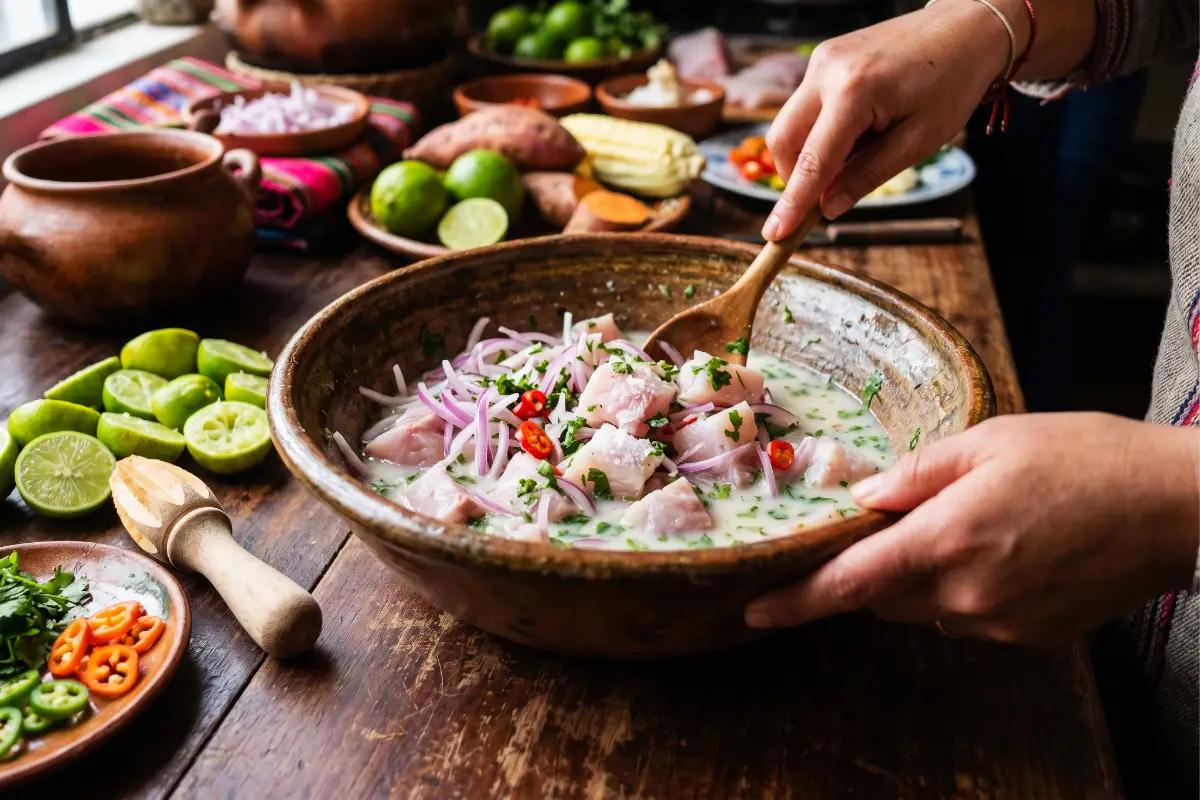
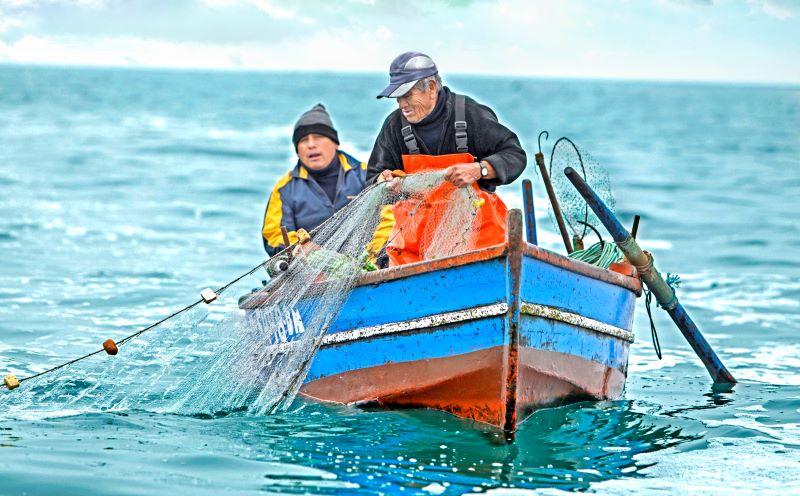
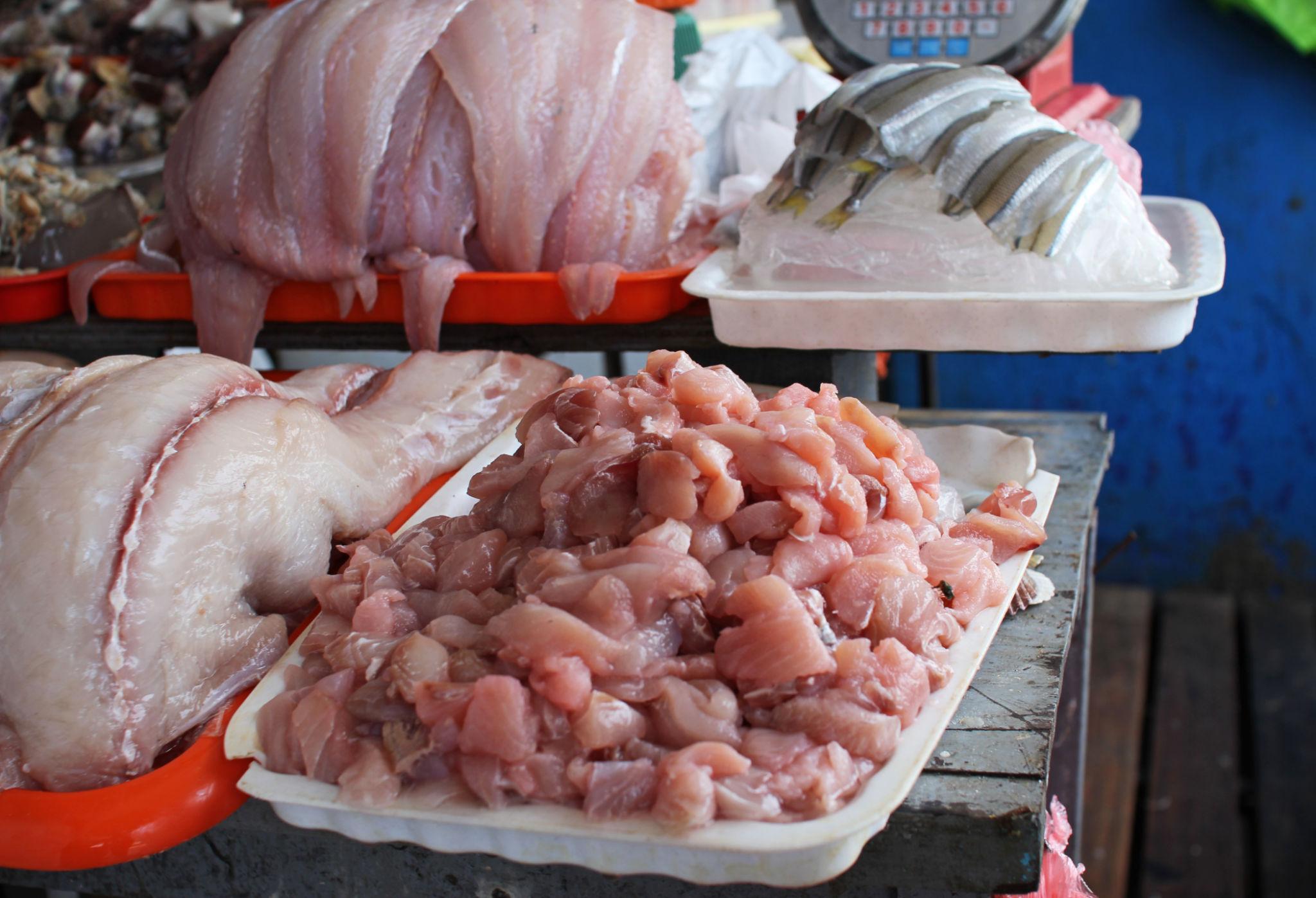
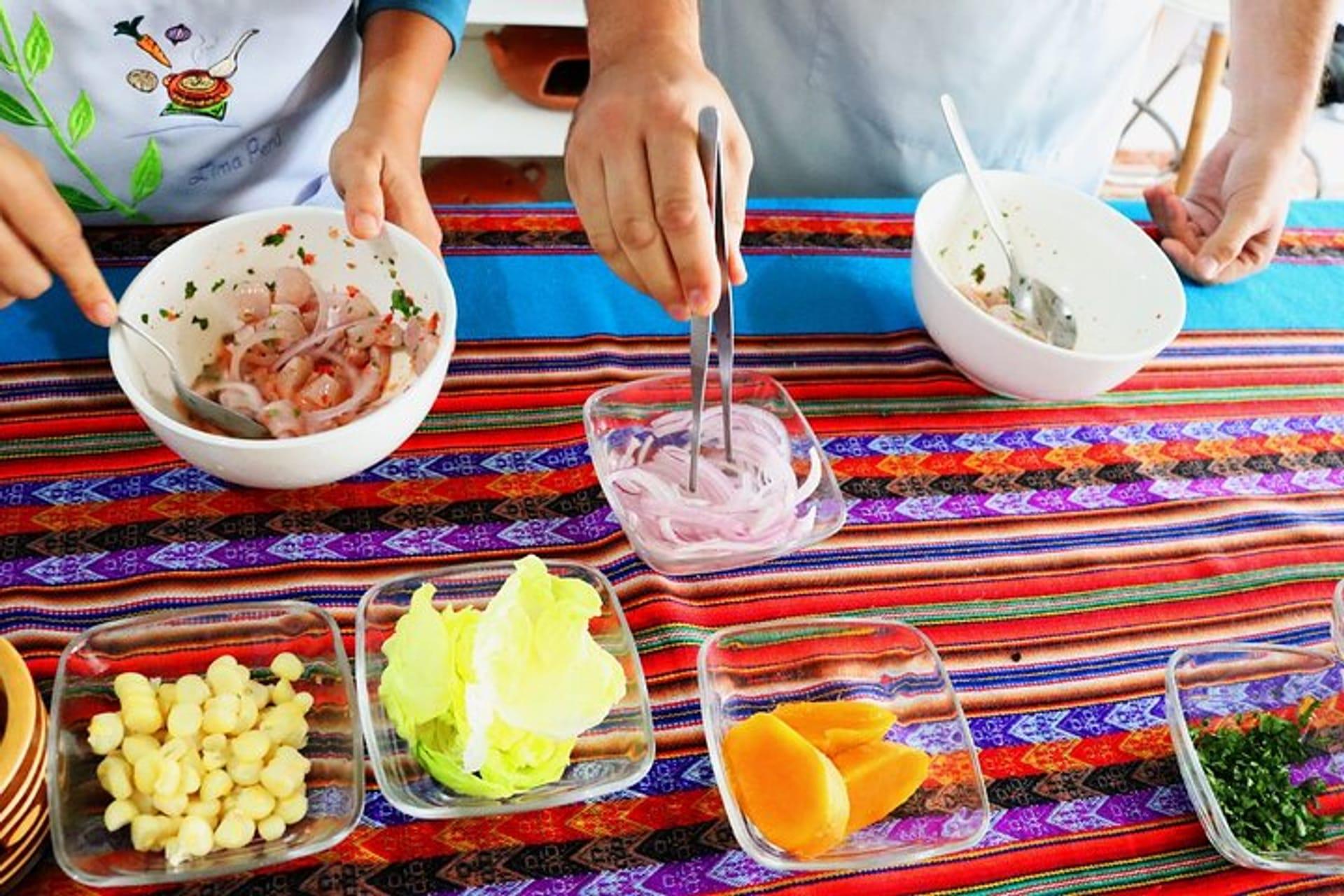
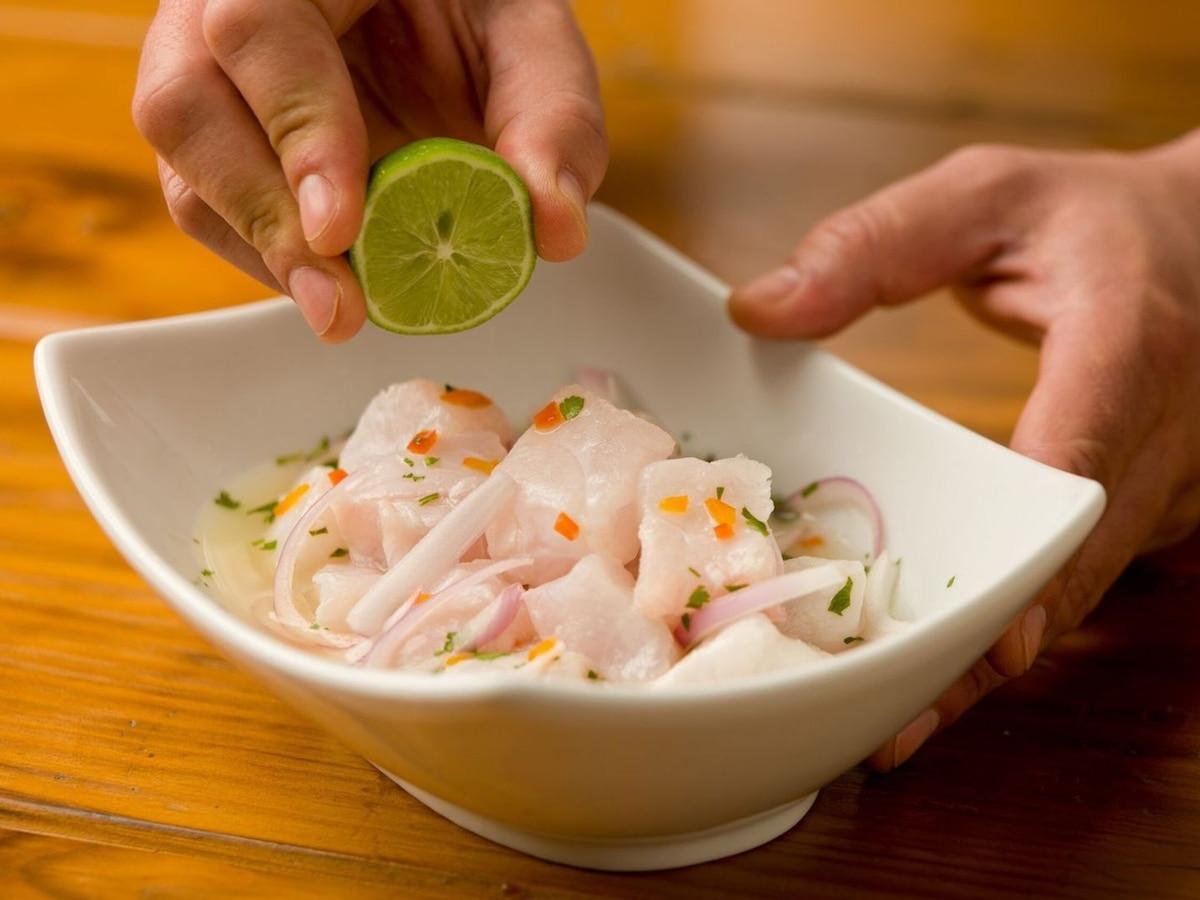
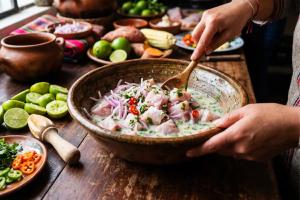
Along Peru's Pacific coast, the preparation of ceviche represents far more than the creation of one of the country's most iconic dishes. It is a living body of knowledge that brings together artisanal fishing, the careful selection of fresh ingredients, culinary techniques, and social customs that have been transmitted across generations. Although recipes vary among coastal regions, the essential principles remain the same: respect for the freshness of the fish, balance of flavors, and the skill required to transform simple ingredients into a dish that reflects Peru's rich maritime heritage.
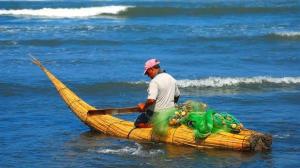
The preparation of ceviche is practiced throughout Peru's coastal communities by artisanal fishers, market vendors, cooks, families, culinary professionals, and local residents. Knowledge is transmitted in homes, traditional eateries, fishing communities, culinary schools, and public markets, where experience teaches how to identify suitable fish species, prepare citrus marinades, slice ingredients correctly, and achieve the characteristic freshness that defines the dish. Every stage, from the sea to the table, depends upon specialized knowledge developed through generations of interaction with the marine environment.
Beyond its gastronomic importance, ceviche embodies the close relationship between people and the Pacific Ocean. The tradition supports artisanal fisheries, celebrates Peru's biological diversity, and reinforces the social value of sharing meals with family and community. As culinary knowledge continues to evolve while respecting its traditional foundations, ceviche remains one of the country's most powerful expressions of cultural identity and an internationally recognized symbol of Peruvian heritage.
07-31-2026
| Institutional and human capacities | The continuity of ceviche depends upon the collective knowledge of artisanal fishers, seafood vendors, traditional cooks, chefs, families, agricultural producers, culinary educators, and market communities. Each participant contributes specialized expertise, from understanding seasonal fish availability and responsible harvesting practices to mastering preparation techniques that preserve freshness, flavor, and food safety. Public institutions responsible for fisheries, gastronomy, education, tourism, and cultural heritage collaborate with culinary organizations, local governments, and educational institutions to promote traditional culinary knowledge. Their efforts support documentation, professional training, sustainable fishing practices, and public recognition of Peru's gastronomic heritage while acknowledging the communities that have preserved these practices over generations. | |
| Transmission and education | Knowledge of ceviche is transmitted primarily through practical experience within families, fishing communities, and traditional kitchens. Younger generations observe experienced cooks selecting fish, preparing ingredients, adjusting seasoning, and understanding how environmental conditions influence the quality of the final dish. Rather than relying solely on written recipes, learning depends heavily on observation, repetition, and sensory judgment. Transmission also extends beyond cooking techniques. Learners develop an appreciation for marine biodiversity, seasonal resources, responsible seafood consumption, and the cultural significance of sharing food within family and community settings. These values ensure that culinary knowledge is preserved alongside respect for the natural resources that sustain it. | |
| Inventorying and research | Ceviche has been widely documented by historians, anthropologists, food historians, nutritionists, marine scientists, and specialists in gastronomic heritage. Research has explored its historical evolution, regional variations, Indigenous and colonial influences, ingredient diversity, and its role in shaping Peru's contemporary culinary identity. Recent studies have increasingly examined ceviche as an expression of biocultural heritage. Researchers have highlighted the interdependence between artisanal fisheries, marine ecosystems, local agriculture, and traditional culinary knowledge, demonstrating that safeguarding the dish also contributes to preserving sustainable food systems and cultural diversity. | |
| Policies as well as legal and administrative measures | Safeguarding initiatives encourage the preservation of traditional culinary knowledge while promoting responsible management of marine resources. Public policies supporting artisanal fisheries, food safety, biodiversity conservation, and gastronomic education all contribute to maintaining the cultural and environmental conditions necessary for the continued practice of ceviche preparation. Administrative measures also promote culinary festivals, educational programs, research initiatives, and professional training that strengthen awareness of traditional preparation methods while encouraging innovation that respects the essential principles of the heritage. | |
| Role of intangible cultural heritage and its safeguarding in society | Ceviche demonstrates how food can preserve cultural identity by connecting communities with their environment, history, and everyday social life. Preparing and sharing the dish reinforces family relationships, strengthens local economies, and celebrates the diversity of Peru's coastal ecosystems through the responsible use of regional ingredients. The tradition also illustrates that culinary heritage extends far beyond recipes. It preserves knowledge about fishing practices, agricultural production, ingredient selection, seasonal cycles, and social customs that collectively shape one of Peru's most internationally recognized cultural expressions. | |
| Awareness raising | Public awareness has grown through gastronomic festivals, culinary schools, museums, food markets, educational campaigns, television programs, and international culinary events that present ceviche as a living cultural tradition rather than simply a national dish. These initiatives encourage appreciation of the people, environments, and knowledge systems that make its preparation possible. Growing recognition of Peru's gastronomy has also promoted greater understanding of the importance of sustainable fisheries, local ingredients, and traditional culinary practices. Increasingly, awareness initiatives emphasize that safeguarding ceviche requires protecting both cultural knowledge and the marine ecosystems upon which it depends. | |
| Engagement of communities, groups and individuals as well as other stakeholders | The safeguarding of ceviche involves collaboration among artisanal fishing communities, seafood markets, cooks, chefs, culinary schools, universities, researchers, producers, restaurants, tourism organizations, environmental authorities, and cultural institutions. Each contributes to preserving different aspects of the knowledge system that supports the preparation of the dish. Consumers also play an important role by valuing seasonal products, supporting local fisheries, and appreciating traditional preparation methods. Their choices encourage sustainable practices while reinforcing the cultural significance of ceviche within contemporary Peruvian society. | |
| International engagement | Ceviche has become one of Peru's most internationally recognized cultural expressions, serving as an ambassador of the country's culinary heritage through gastronomy festivals, cultural exchanges, academic research, and international tourism. Its growing global popularity has stimulated dialogue on the safeguarding of traditional food knowledge while highlighting the importance of preserving local ingredients, artisanal fisheries, and community-based culinary practices. International recognition also provides opportunities to promote sustainable seafood consumption and cultural diversity through gastronomy. As chefs, researchers, and culinary institutions around the world engage with ceviche, the tradition demonstrates that food heritage can foster intercultural understanding while remaining firmly rooted in the communities and ecosystems from which it originates. | |
| References |
|
|




























.jpeg)












.png)


















.jpeg)

.jpg)




.png)
.jpg)


_(31711258567).jpg)