
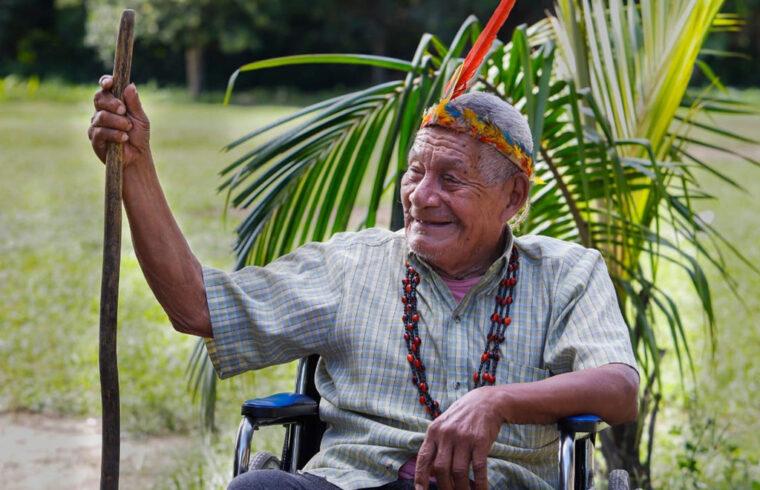
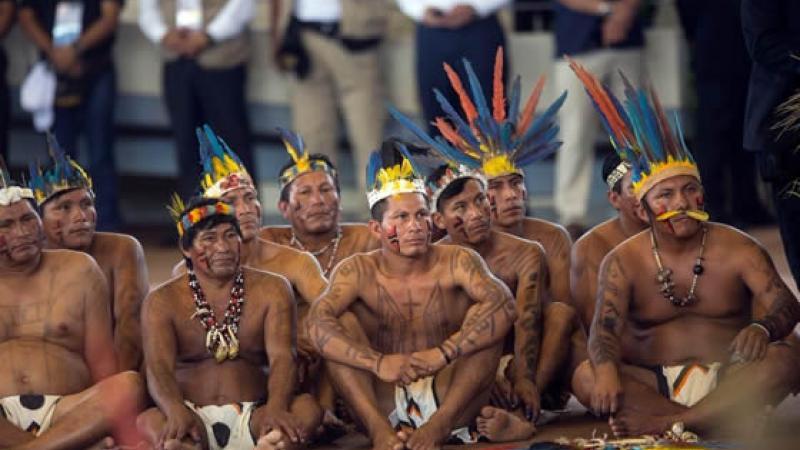
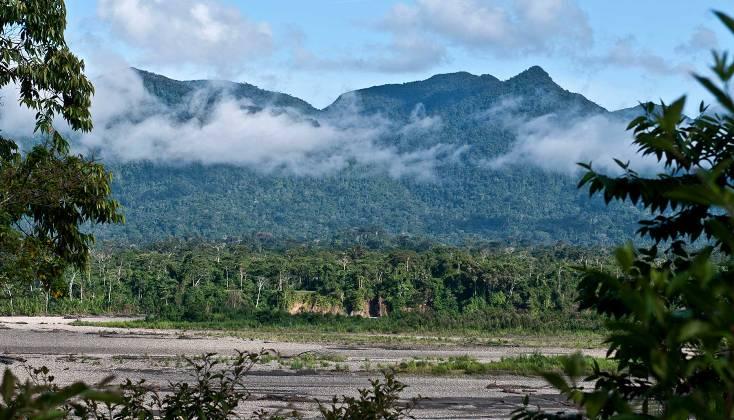
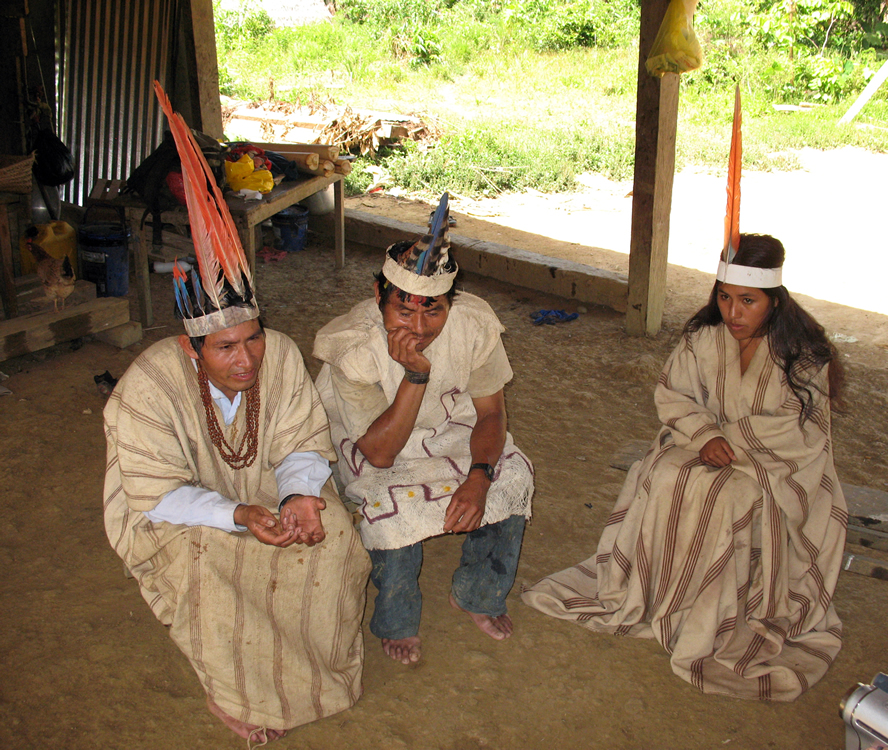
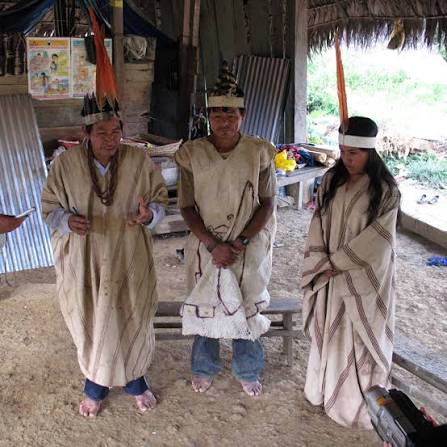
Deep within the tropical forests of the Madre de Dios Region, the Harakbut people have safeguarded for generations a remarkable oral tradition known as the Esuwa. These ceremonial sung prayers are performed on specific occasions and express a profound relationship between people, nature, spirituality, and collective memory. Unlike many forms of intangible cultural heritage that depend on physical objects or public performances, the Esuwa exist entirely through the spoken and sung word, making them one of Peru's most delicate and valuable forms of living heritage.
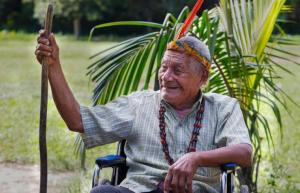
The Esuwa are practiced by members of Harakbut communities, particularly among the Wachiperi people, where elders and individuals recognized for their cultural knowledge serve as the principal bearers of the tradition. The sung prayers are closely associated with traditional beliefs, healing practices, social values, and the transmission of ancestral knowledge. Their performance requires not only linguistic fluency but also a deep understanding of the cultural meanings, ceremonial contexts, and ethical responsibilities attached to each composition. Every performance contributes to maintaining the Harakbut language while strengthening the community's connection with its ancestral territory.
Today, the Esuwa represent far more than a musical tradition. They preserve a unique worldview in which the forest is understood as a living environment inhabited by beings with whom people maintain reciprocal relationships. Through these sung prayers, knowledge about the environment, history, identity, and spirituality continues to be transmitted across generations. In recognition of their exceptional cultural significance, the Esuwa, Harakbut sung prayers of Peru's Wachiperi people, were inscribed on UNESCO's Representative List of the Intangible Cultural Heritage of Humanity in 2011, with the official name updated in 2021 to reflect the terminology preferred by the community.
07-30-2026
| Institutional and human capacities | The continuity of the Esuwa depends primarily on Harakbut elders, traditional knowledge holders, community leaders, fluent speakers of the Harakbut language, and younger community members committed to learning their ancestral heritage. These individuals preserve not only the melodies but also the pronunciation, meanings, ceremonial contexts, and cultural values embedded within each sung prayer. Indigenous organizations, educational institutions, linguists, anthropologists, cultural authorities, and Peru's Ministry of Culture collaborate with Harakbut communities to document, safeguard, and promote the tradition. Their work supports community-led initiatives while respecting Indigenous knowledge systems and cultural protocols regarding the transmission of sacred oral expressions. | |
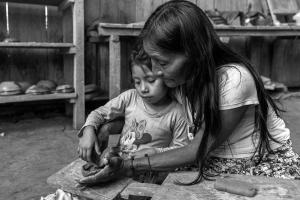
| Transmission and education | The Esuwa are transmitted through oral instruction and direct interaction between generations. Young community members learn by listening carefully to Harakbut elders during appropriate ceremonial occasions, gradually acquiring not only the words and melodies but also the cultural knowledge that gives each sung prayer its significance. This learning process requires patience, memory, and respect for the traditions that regulate when and how the prayers may be performed. Transmission also strengthens the vitality of the Harakbut language itself. As younger generations learn the Esuwa, they simultaneously preserve vocabulary, pronunciation, symbolic expressions, and cultural concepts that cannot easily be translated into other languages. In this way, safeguarding the oral tradition contributes directly to the preservation of Indigenous linguistic diversity. | |
| Inventorying and research | The Esuwa have been documented through collaborative research involving Harakbut communities, linguists, ethnomusicologists, anthropologists, and specialists in Indigenous knowledge systems. Documentation extends beyond audio recording by examining pronunciation, language structure, ceremonial functions, historical context, and the relationships between the sung prayers and the surrounding environment. Recent research increasingly recognizes the Esuwa as an important source of biocultural knowledge. Studies have explored how the prayers reflect ecological understanding, spiritual beliefs, traditional medicine, and community history, demonstrating that oral traditions preserve complex systems of knowledge rather than simply artistic expression. | |
| Policies as well as legal and administrative measures | Safeguarding measures emphasize the protection of Indigenous cultural rights alongside the preservation of the oral tradition itself. National cultural policies support documentation, language revitalization, educational initiatives, and community-led safeguarding projects while recognizing the Harakbut people's authority over their own cultural heritage. Administrative efforts also encourage ethical documentation practices based on dialogue, informed participation, and respect for cultural protocols. These measures seek to ensure that preservation initiatives strengthen community ownership of the tradition rather than separating it from its cultural context. | |
| Role of intangible cultural heritage and its safeguarding in society | The Esuwa demonstrate that intangible cultural heritage can preserve entire systems of knowledge without relying on written records. Through the voices of community members, the sung prayers transmit ethical values, spiritual beliefs, ecological understanding, and historical memory that continue to shape the identity of the Harakbut people. The tradition also illustrates the inseparable relationship between cultural diversity and biological diversity. As the prayers express knowledge developed through generations of interaction with the Amazon rainforest, safeguarding the Esuwa contributes to a broader appreciation of Indigenous perspectives on environmental stewardship and humanity's relationship with nature. | |
| Awareness raising | Public awareness has expanded through educational programs, audiovisual documentation, museum exhibitions, academic research, and cultural initiatives that introduce wider audiences to the richness of Harakbut oral heritage. Increasing attention has been given to presenting the Esuwa as living expressions of language, identity, and knowledge rather than simply examples of traditional music. Awareness initiatives also encourage greater recognition of Peru's Indigenous languages and oral traditions as essential components of the nation's cultural diversity. By promoting respectful understanding of these expressions, such initiatives contribute to the appreciation of Indigenous cultural heritage within both national and international contexts. | |
| Engagement of communities, groups and individuals as well as other stakeholders | The safeguarding of the Esuwa relies on close cooperation among Harakbut communities, elders, youth, Indigenous organizations, educators, linguists, researchers, museums, cultural institutions, and public authorities. Each stakeholder contributes specialized knowledge while recognizing that decisions regarding the transmission and documentation of the oral tradition remain under community leadership. Young Harakbut speakers increasingly participate in language revitalization activities, community recording projects, and educational initiatives that strengthen intergenerational dialogue. Their involvement demonstrates that safeguarding is not limited to preserving the past but also creating opportunities for the tradition to remain meaningful in contemporary community life. | |
| International engagement | Since their inscription on UNESCO's Representative List of the Intangible Cultural Heritage of Humanity in 2011, the Esuwa have become an important reference in international discussions on the safeguarding of Indigenous languages and oral traditions. The official update of the element's name in 2021 reflects UNESCO's commitment to respecting the terminology preferred by the communities themselves, reinforcing the importance of community participation in safeguarding processes. The Esuwa also contribute to global conversations on biocultural diversity by demonstrating that Indigenous languages, oral traditions, and environmental knowledge are deeply interconnected. Their safeguarding highlights the importance of protecting not only cultural expressions themselves but also the communities, languages, and ecosystems that allow them to remain living traditions. | |
| References |
|
|




.jpeg)



.png)

.jpeg)
.jpg)

.png)
.jpg)


_(31711258567).jpg)