
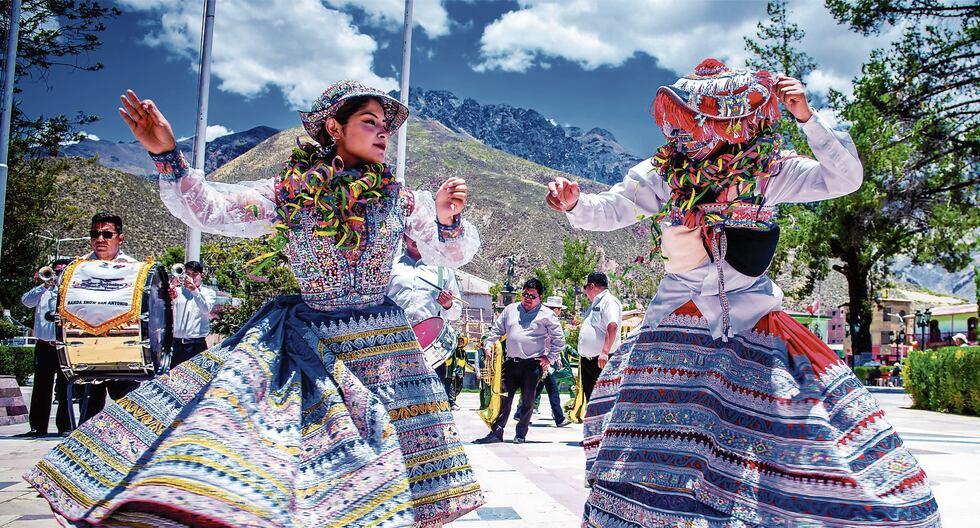
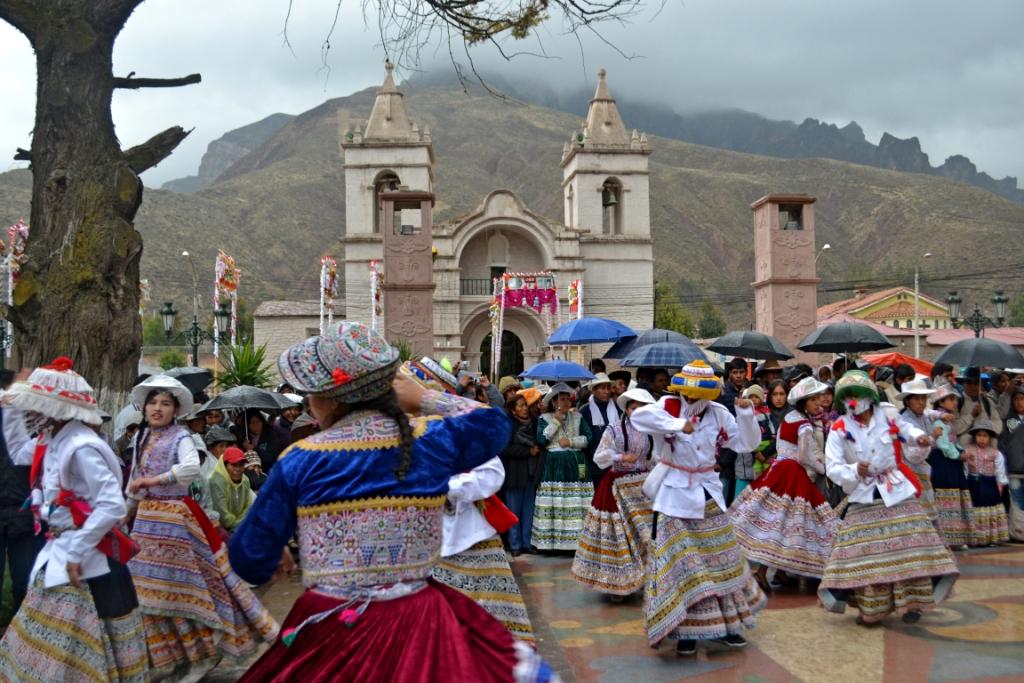
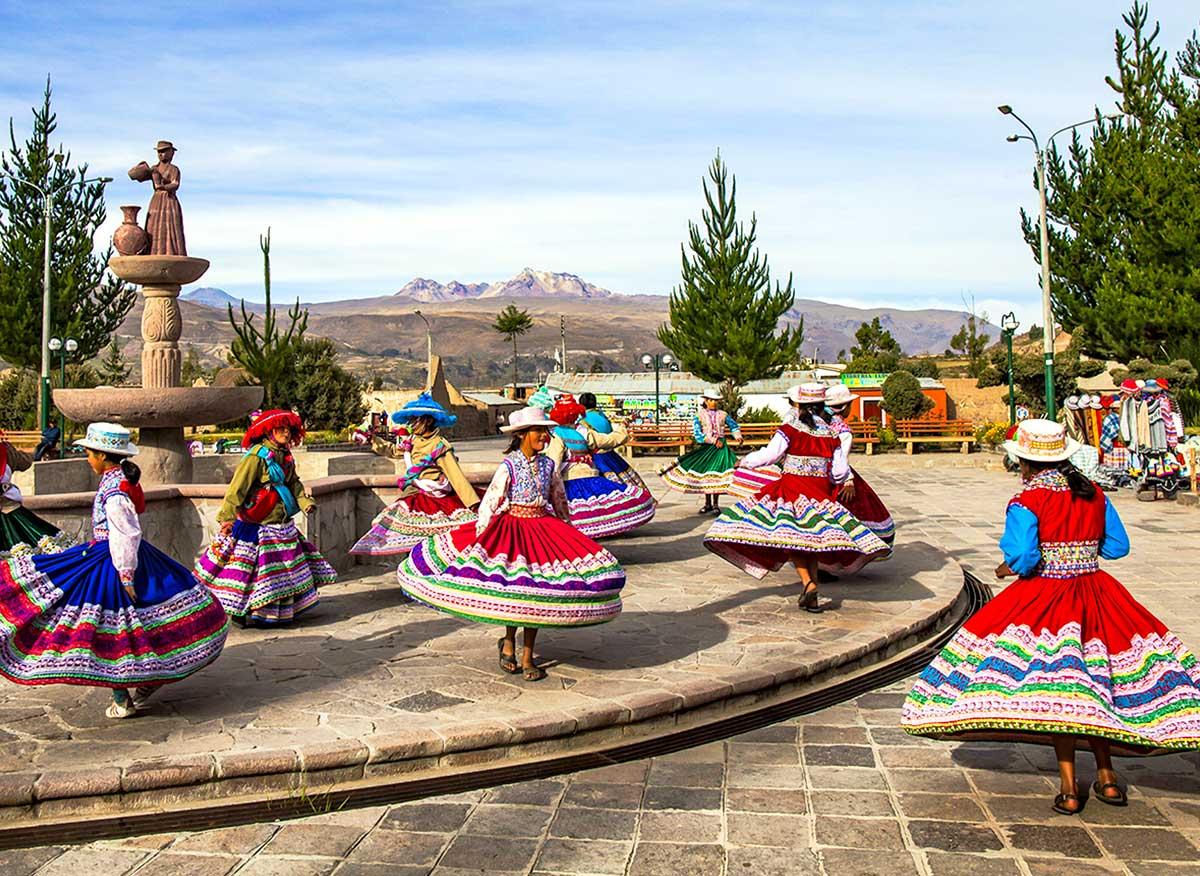
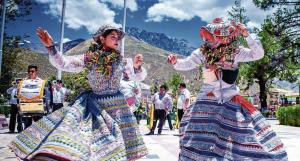
Across the dramatic landscapes of the Colca Valley, in the Arequipa Region, the Wititi Dance continues to unite communities through music, movement, and traditional dress. Performed during religious festivities, agricultural celebrations, and civic events, the dance represents one of the most recognizable cultural expressions of southern Peru. Its origins reflect centuries of interaction between Indigenous Andean traditions and later historical influences, resulting in a dynamic practice that has remained deeply rooted in the everyday life of the Colca Valley. Rather than existing solely as a staged performance, the Wititi forms part of a broader cultural system that celebrates local identity and reinforces community relationships.
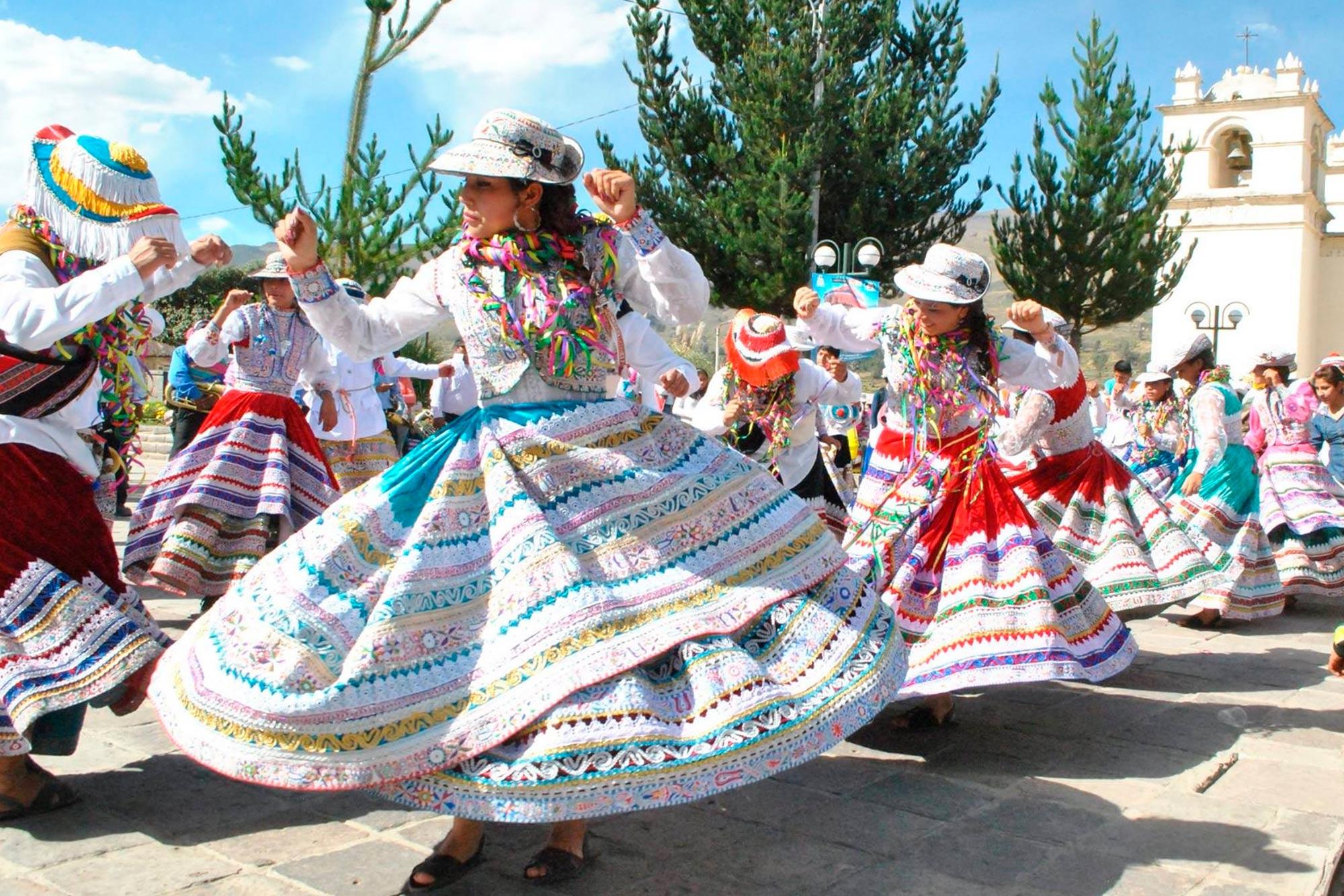
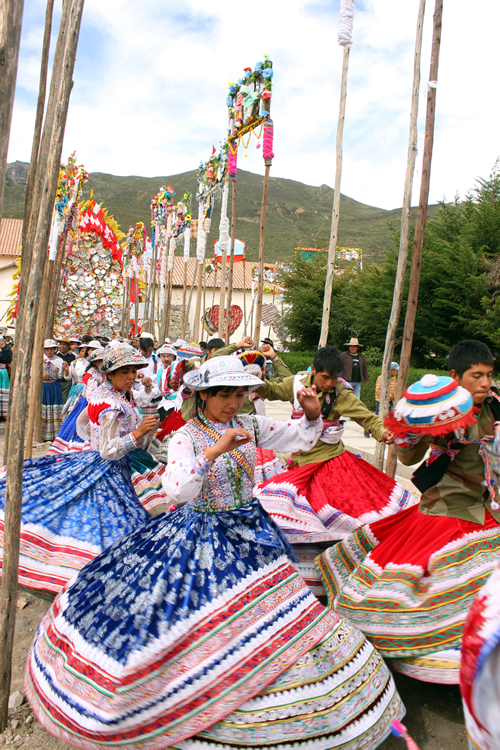
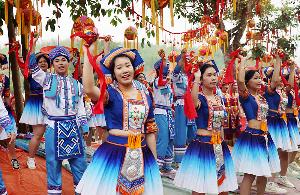
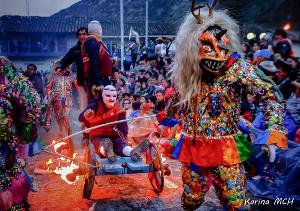
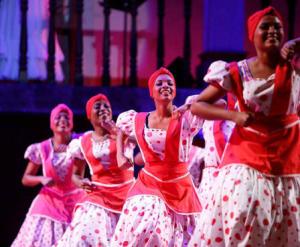
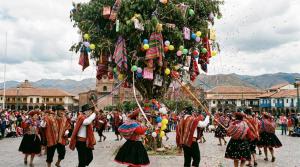
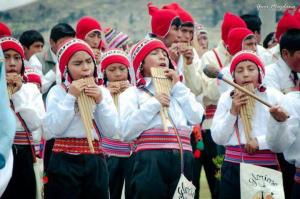
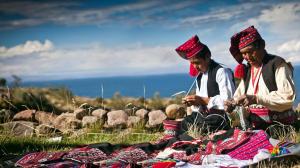
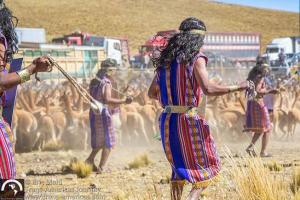
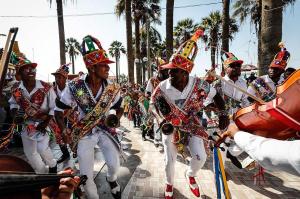
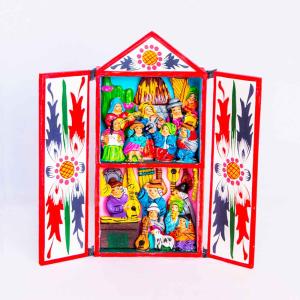
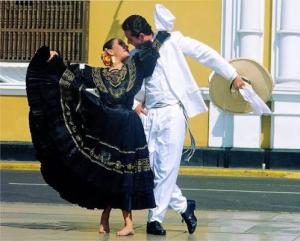
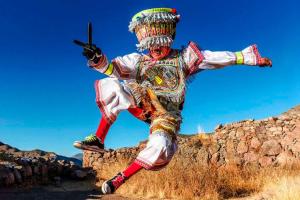
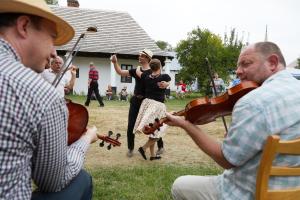
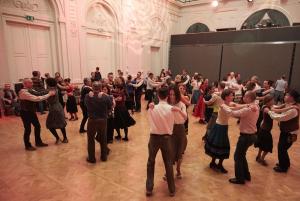
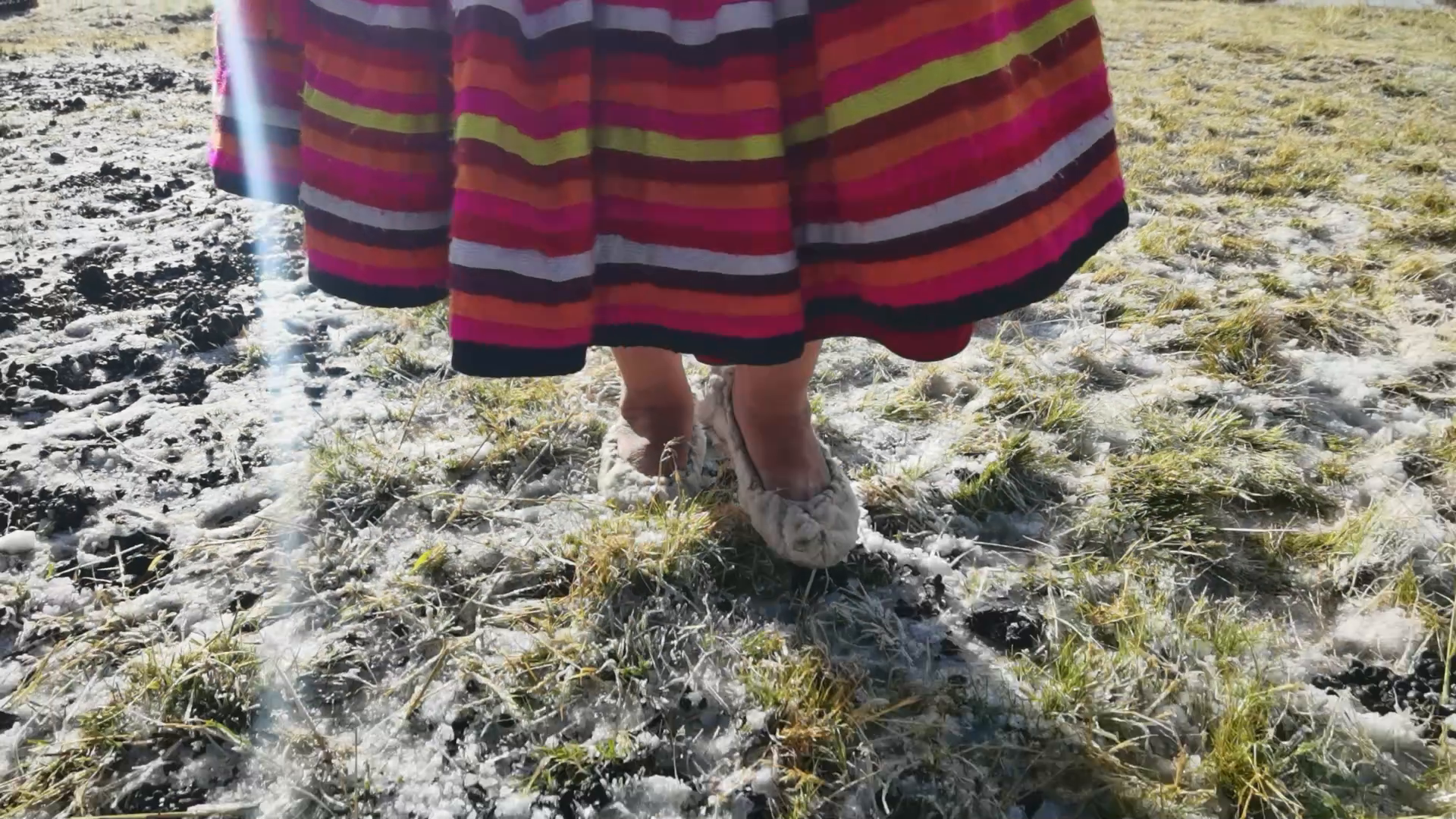
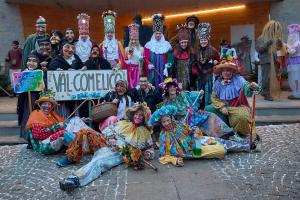
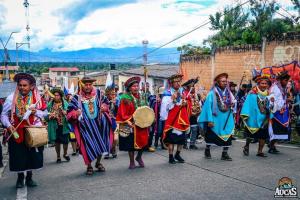
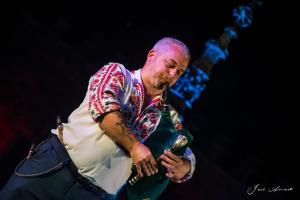
The dance is practiced by community members, traditional musicians, dancers, families, and local cultural groups throughout the Colca Valley. Distinctive costumes, including carefully embroidered hats, colorful skirts, woven garments, and traditional accessories, identify participants while expressing the artistic heritage of the region. Music performed with violins, flutes, drums, and other traditional instruments accompanies choreographies characterized by energetic movements and coordinated group formations. The participation of young people alongside experienced dancers ensures that the knowledge of choreography, costume preparation, music, and ceremonial etiquette continues to be transmitted within the community.
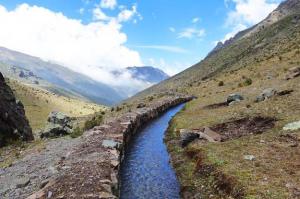
Beyond its artistic value, the Wititi Dance reflects the close relationship between cultural heritage and the Andean landscape. The celebration strengthens bonds among neighboring communities, preserves local craftsmanship, and provides opportunities for intergenerational learning through active participation. It also contributes to the cultural vitality of the Colca Valley by encouraging the continued practice of traditional music, textile production, and communal celebrations that define the region's identity. In recognition of its outstanding cultural significance, the Wititi Dance of the Colca Valley was inscribed on UNESCO's Representative List of the Intangible Cultural Heritage of Humanity in 2015.
07-30-2026
| Institutional and human capacities | The safeguarding of the Wititi Dance is led by local communities, dancers, musicians, costume artisans, embroidery specialists, community authorities, and families throughout the Colca Valley. Their collective knowledge preserves not only the choreography but also the distinctive clothing, musical traditions, and ceremonial practices that give the dance its regional identity. Regional municipalities, cultural institutions, and Peru's Ministry of Culture support these community efforts through documentation, cultural festivals, educational programs, and heritage promotion. Their role is to strengthen opportunities for transmission while ensuring that the communities themselves remain the principal custodians of the tradition. | |
| Transmission and education | The Wititi is learned primarily through community participation. Children grow up observing rehearsals, accompanying family members to local festivities, and gradually joining performances as they acquire confidence and cultural knowledge. Learning takes place naturally within the rhythm of community celebrations rather than through formal instruction alone. Transmission also includes the preparation of traditional costumes, the performance of regional music, and an understanding of the history and symbolism associated with the dance. In this way, younger generations inherit not only artistic skills but also a sense of belonging to the cultural landscape of the Colca Valley. | |
| Inventorying and research | The Wititi Dance has been documented by anthropologists, folklorists, ethnomusicologists, and cultural heritage specialists interested in the traditions of southern Peru. Research has examined its historical origins, regional variations, choreography, music, costume design, and role within community celebrations. Recent studies have also explored how the dance contributes to cultural continuity in the Colca Valley by strengthening local identity and maintaining connections between neighboring communities. UNESCO recognition has further encouraged documentation through audiovisual records, academic publications, and cultural inventories that support long term safeguarding. | |
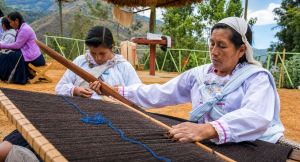
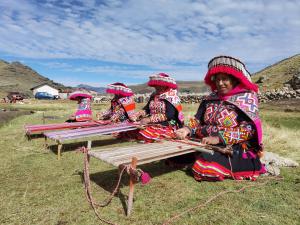
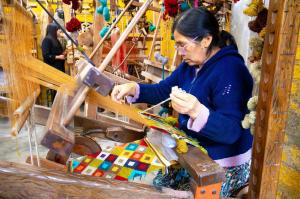
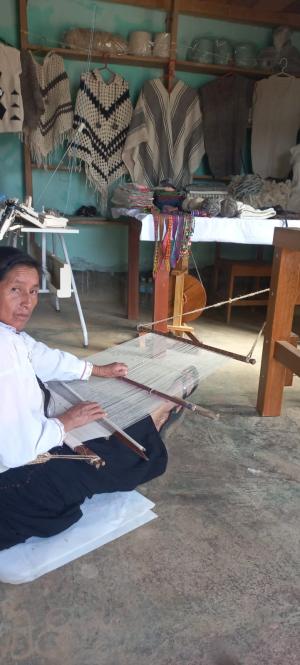
| Policies as well as legal and administrative measures | Safeguarding measures seek to preserve the authenticity of the Wititi while supporting the communities that continue to practice it. Cultural authorities collaborate with municipalities and local organizations to facilitate festivals, educational initiatives, and documentation projects that encourage intergenerational participation. Administrative efforts also recognize the importance of preserving the associated traditions of embroidery, weaving, music, and costume production, acknowledging that these artistic practices are inseparable from the dance itself. | |
| Role of intangible cultural heritage and its safeguarding in society | The Wititi Dance serves as a shared expression of community identity throughout the Colca Valley. By bringing together participants from different villages and generations, the celebration strengthens social relationships and reinforces a sense of belonging rooted in a common cultural landscape. The tradition also illustrates how music, clothing, and dance can express local history and cultural diversity. Through annual celebrations, communities reaffirm their heritage while encouraging younger generations to actively participate in preserving the traditions that distinguish the Colca Valley from other regions of Peru. | |
| Awareness raising | Awareness of the Wititi has expanded through regional festivals, educational programs, documentaries, museum exhibitions, and cultural tourism initiatives that introduce visitors to the artistic and historical richness of the Colca Valley. These activities encourage appreciation not only of the choreography but also of the craftsmanship and community traditions that sustain the dance. UNESCO recognition has further increased national and international visibility while promoting respectful interpretation of the tradition as a living cultural practice rather than simply a folkloric performance. | |
| Engagement of communities, groups and individuals as well as other stakeholders | The continuity of the Wititi depends on the active collaboration of families, dancers, musicians, embroidery artisans, textile producers, educational institutions, municipalities, tourism organizations, cultural associations, and local communities. Each contributes to preserving a different aspect of the tradition, from musical performance and costume production to festival organization and cultural education. Community leadership remains central to decision making regarding the organization of celebrations, the transmission of local customs, and the preservation of regional styles, ensuring that the dance continues to evolve while remaining firmly grounded in local cultural values. | |
| International engagement | Since its inscription on UNESCO's Representative List of the Intangible Cultural Heritage of Humanity in 2015, the Wititi Dance has become an important example of community based safeguarding and the preservation of regional cultural identity. International cultural exchanges and academic research have highlighted how the tradition integrates dance, music, textile arts, and communal participation into a single living heritage practice. The Wititi also contributes to intercultural dialogue by demonstrating how local communities can successfully preserve their traditions while engaging with visitors, researchers, and heritage professionals from around the world. Its continued vitality illustrates that safeguarding is strengthened when cultural expressions remain closely connected to the people and landscapes that give them meaning. | |
| References |
|
|





.jpeg)


.png)

.jpeg)
.jpg)

.png)
.jpg)


_(31711258567).jpg)