
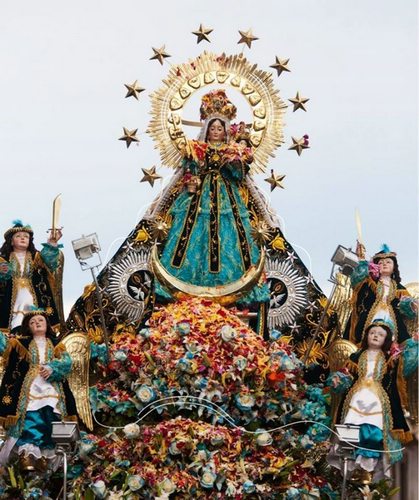
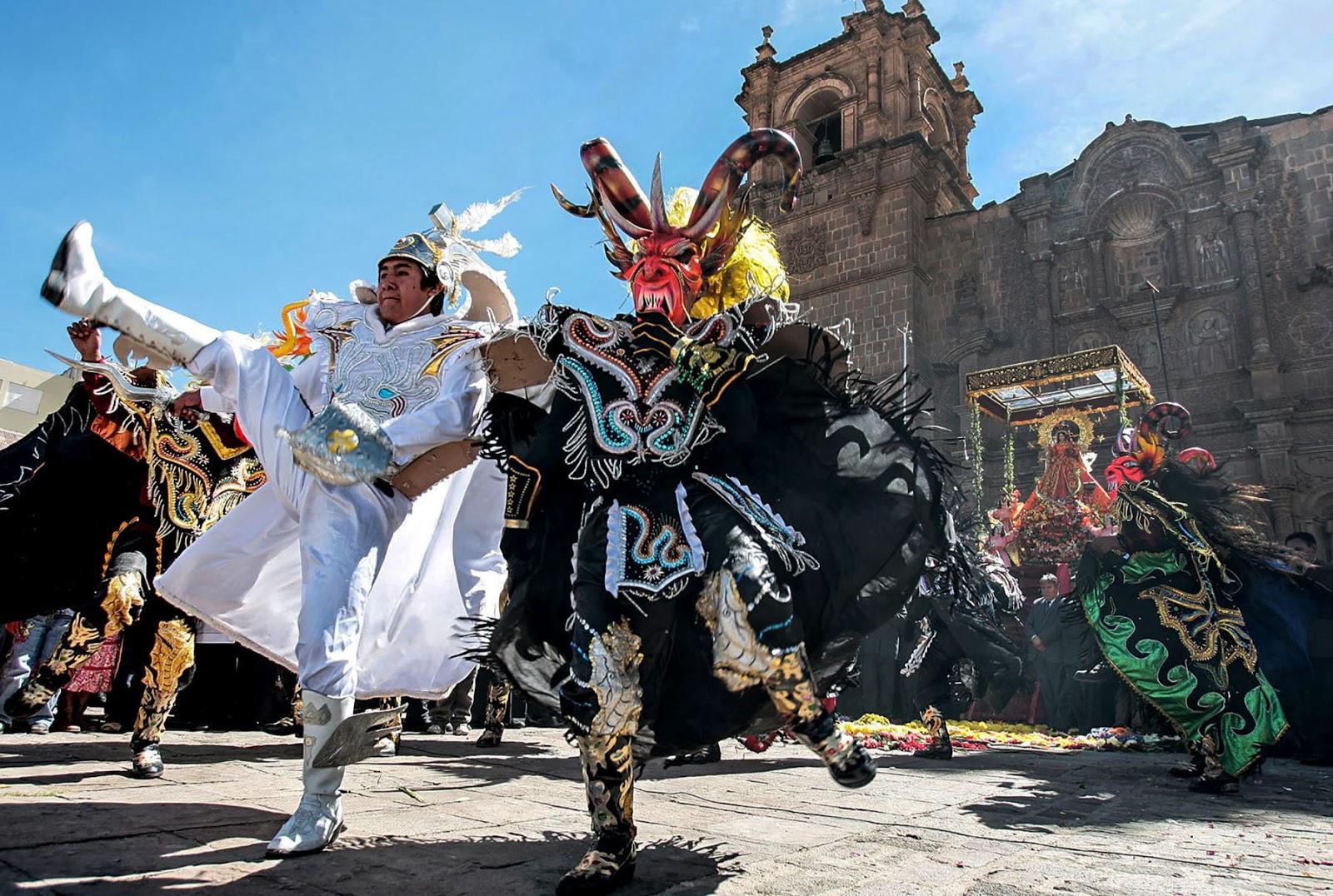
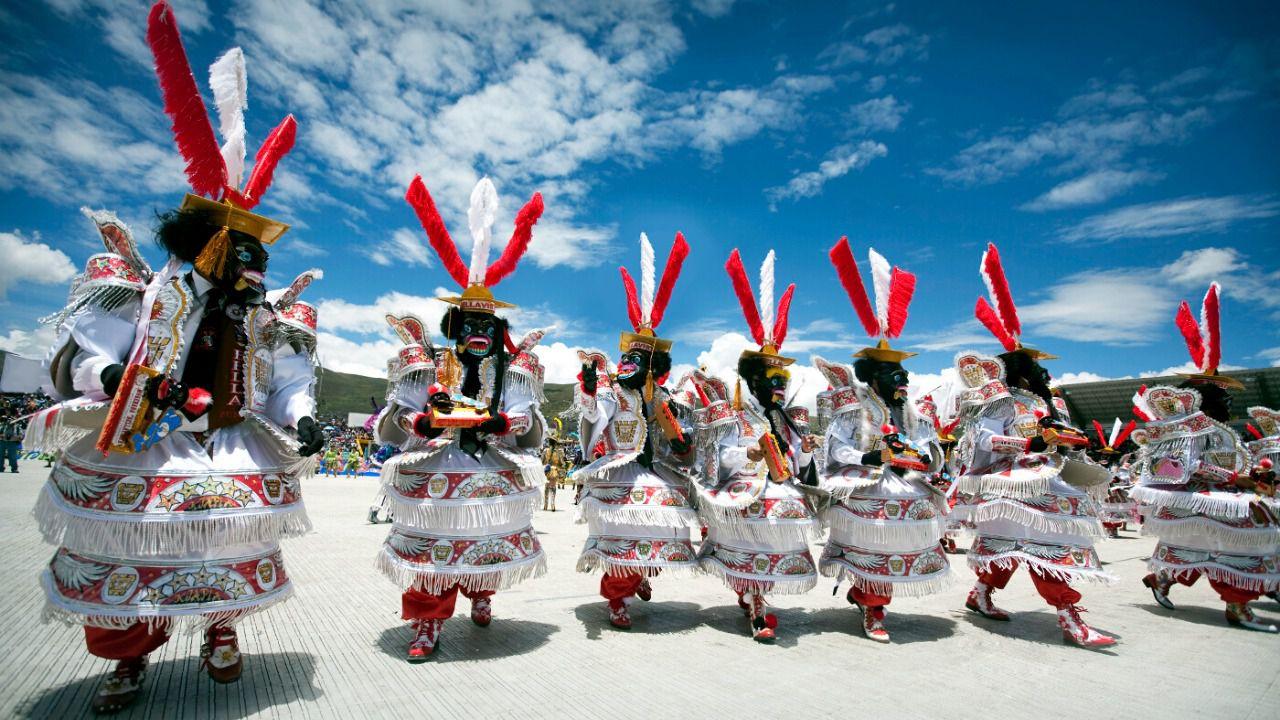
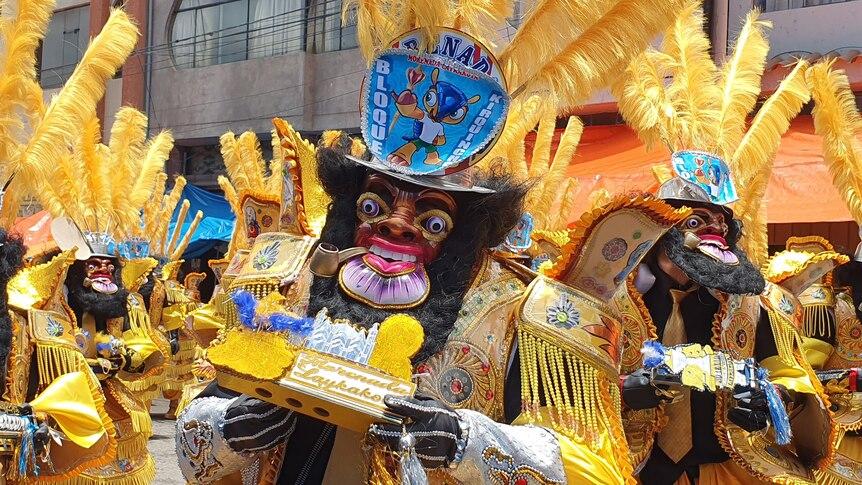
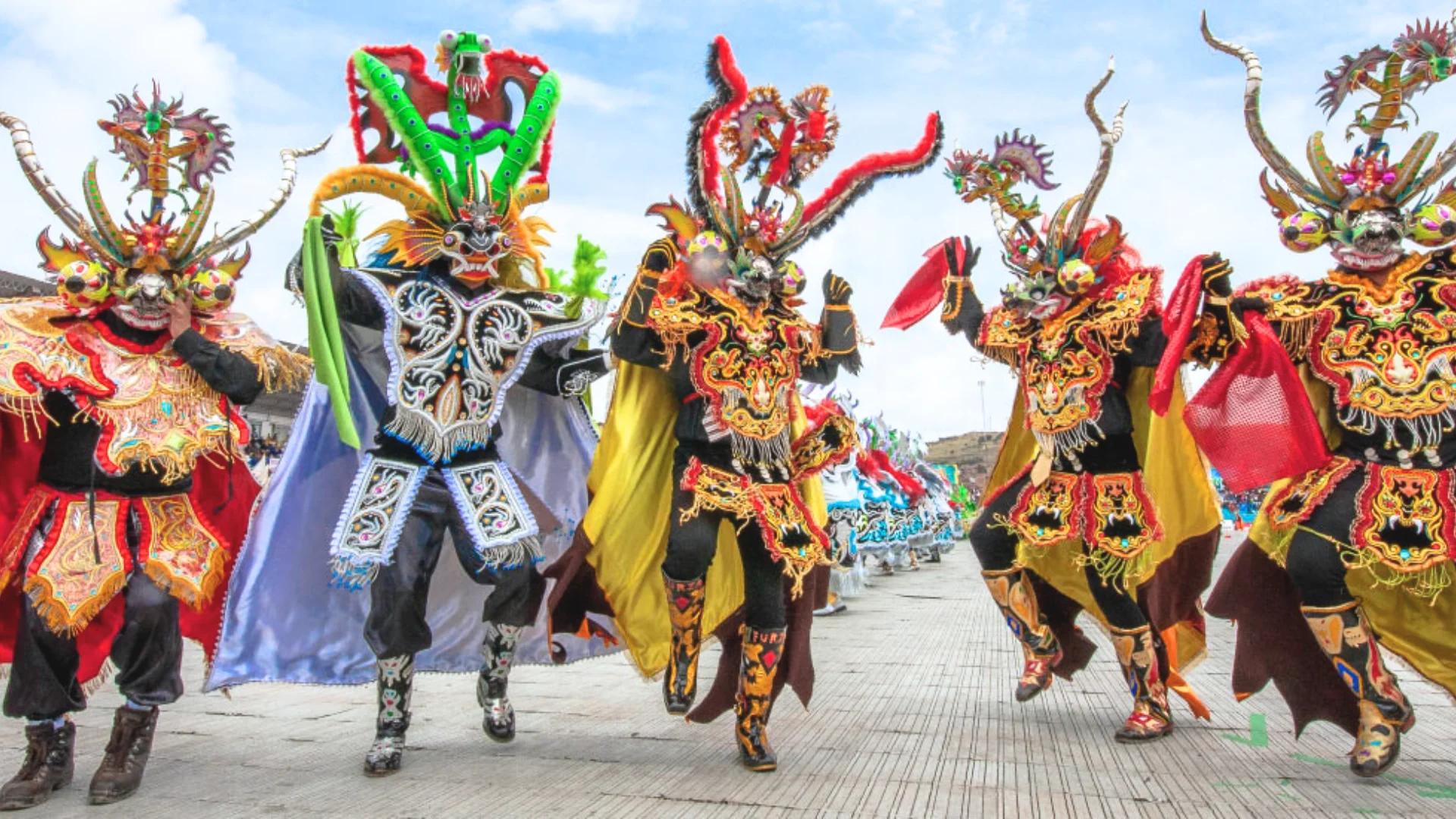
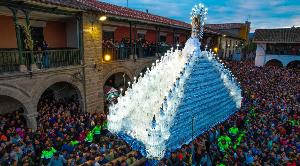
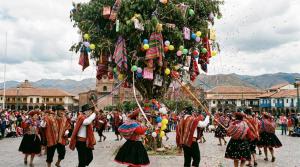
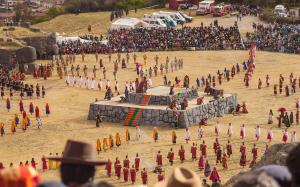
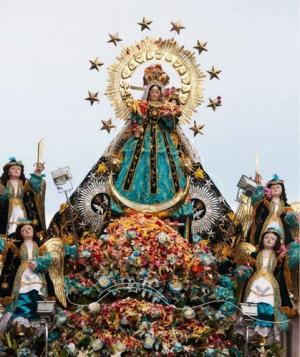
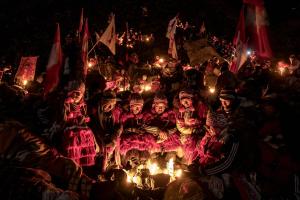
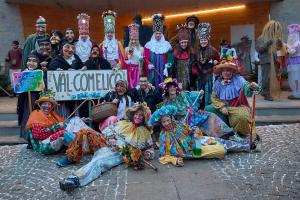
On the shores of Lake Titicaca, the city of Puno hosts one of the largest and most elaborate cultural celebrations in South America: the Festival of the Virgin of Candelaria. Celebrated annually during the first half of February, the festival honors the Virgin of Candelaria, the patron saint of Puno, while reflecting the deep interaction between Catholic traditions introduced during the colonial period and longstanding Andean beliefs. Over centuries, these influences have merged into a celebration where religious devotion, music, dance, craftsmanship, and community participation are inseparable. Today, the festival is recognized as one of Peru's most significant expressions of living cultural heritage.
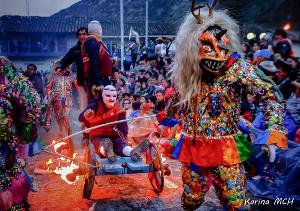
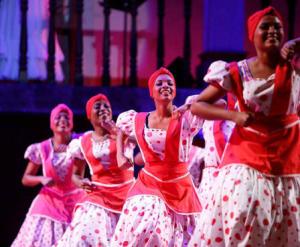
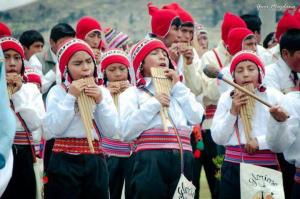
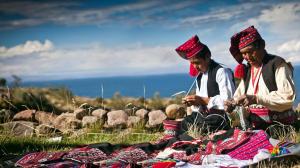
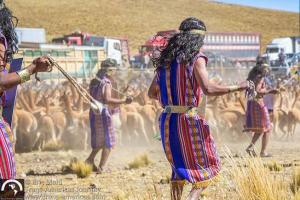
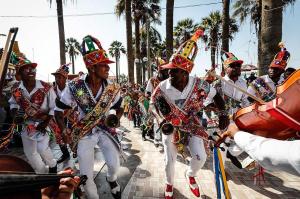
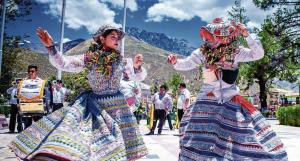
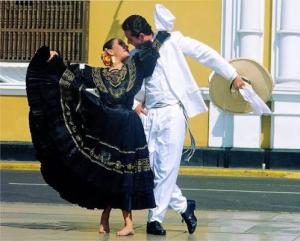
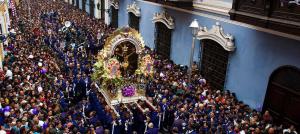
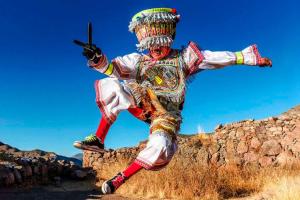
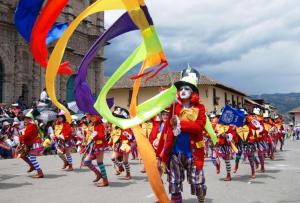
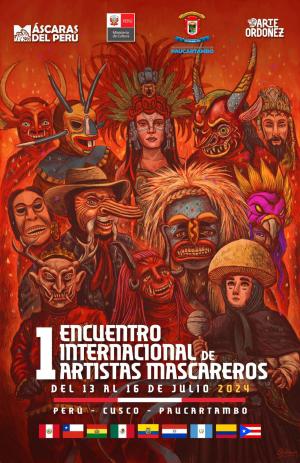
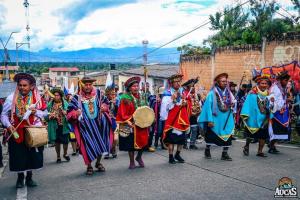
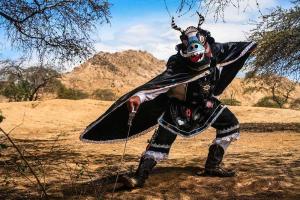
Preparation for the celebration extends throughout the year. The festival is sustained by dance groups, musicians, artisans, embroidery workshops, neighborhood associations, local residents, and pilgrims, all of whom contribute to different aspects of the event. Thousands of performers participate in choreographed presentations featuring traditional dances such as the Diablada, Morenada, Caporales, and numerous regional choreographies representing communities from across the Altiplano. Brass bands and traditional ensembles accompany the performances, while artisans dedicate months to producing richly embroidered costumes, masks, and accessories distinguished by their intricate designs and vibrant colors. Alongside the artistic performances, religious processions and liturgical celebrations reaffirm the spiritual dimension of the festival, bringing together participants from both urban and rural communities.
The Festival of the Virgin of Candelaria has become an important space for preserving regional identity and encouraging the transmission of cultural knowledge between generations. Music, dance techniques, costume-making, embroidery, and ritual practices are learned through continuous participation within families and communities, allowing the celebration to evolve while maintaining its essential traditions. Beyond its cultural importance, the festival also contributes significantly to the local economy by attracting visitors from across Peru and abroad, supporting artisans, musicians, hospitality services, and other cultural industries. In recognition of its exceptional cultural value and the commitment of the communities that safeguard it, the Festival of the Virgin of Candelaria was inscribed on UNESCO's Representative List of the Intangible Cultural Heritage of Humanity in 2014, highlighting its role as a vibrant expression of Peru's diverse cultural heritage.
07-24-2026
| Institutional and human capacities | The safeguarding of the Festival of the Virgin of Candelaria depends on an extensive network of dance groups, musicians, embroidery artisans, costume makers, mask makers, choreographers, community leaders, local residents, and religious organizations throughout the Puno Region. The preparation of the festival requires highly specialized artistic and organizational knowledge that has been refined over generations, allowing thousands of participants to coordinate one of the largest cultural celebrations in the Andes. Municipal authorities, regional cultural institutions, and Peru's Ministry of Culture support safeguarding through cultural promotion, documentation, logistical coordination, and heritage management. Their role complements the leadership of community organizations that continue to direct the artistic and ceremonial development of the festival. | |
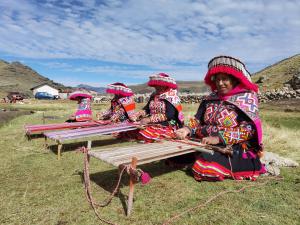
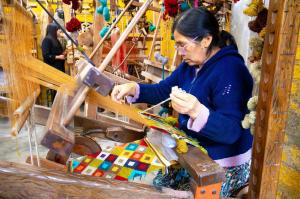
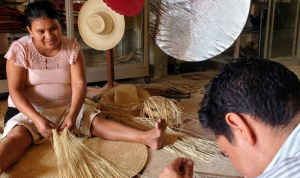
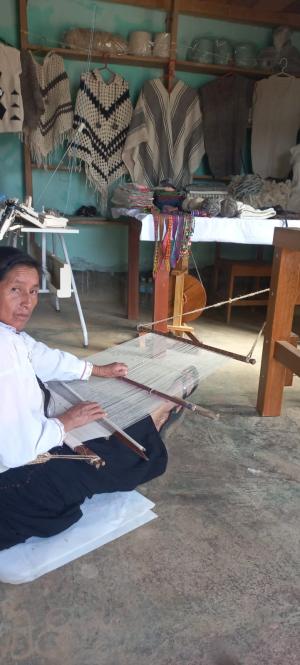
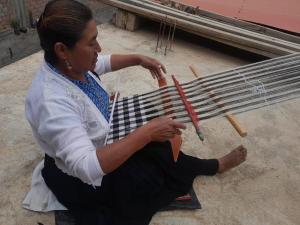
| Transmission and education | Transmission begins long before the festival itself. Throughout the year, children, adolescents, and adults participate in dance rehearsals, musical training, costume preparation, and community activities where artistic techniques and cultural values are learned simultaneously. Participation is often family-based, allowing younger generations to become familiar with traditional choreographies, musical repertoires, and ceremonial responsibilities from an early age. The educational process also preserves the craftsmanship associated with the celebration. Embroidery techniques, mask carving, costume design, and the performance styles of numerous traditional dances are passed from experienced practitioners to apprentices, ensuring the continuity of both artistic excellence and regional identity. | |
| Inventorying and research | The Festival of the Virgin of Candelaria has been widely documented because of its remarkable combination of religious devotion, traditional performing arts, and craftsmanship. Researchers have examined its historical development, choreographic diversity, musical traditions, costume production, and the cultural exchanges that have shaped the festival across centuries. Documentation also highlights the extraordinary diversity of dances represented during the celebration, each reflecting different historical experiences, regional identities, and cultural influences from the Altiplano. This research contributes to safeguarding not only the festival as a whole but also the many artistic traditions that coexist within it. | |
| Policies as well as legal and administrative measures | Safeguarding measures support both the ceremonial and artistic dimensions of the festival. Cultural authorities collaborate with local governments, religious institutions, and community organizations to coordinate public events, preserve traditional practices, and facilitate the participation of numerous performing groups. Administrative planning also addresses the conservation of traditional craftsmanship by encouraging initiatives that recognize embroidery, costume production, music, and dance as integral components of the festival rather than secondary activities. This comprehensive approach acknowledges that safeguarding the celebration requires preserving the entire creative process behind it. | |
| Role of intangible cultural heritage and its safeguarding in society | The Festival of the Virgin of Candelaria functions as a powerful expression of collective creativity. Months of collaborative work culminate in performances that celebrate religious devotion while simultaneously showcasing the artistic achievements of communities across the Altiplano. Every costume, musical arrangement, choreography, and handcrafted mask reflects the contributions of numerous individuals whose work often remains behind the scenes but is essential to the festival's continuity. The celebration also strengthens social cohesion by creating opportunities for collaboration across generations, neighborhoods, and communities. Preparing for the festival encourages teamwork, mutual support, and the sharing of knowledge, reinforcing cultural identity through collective artistic achievement rather than individual performance. | |
| Awareness raising | The Festival of the Virgin of Candelaria has become one of Peru's most recognizable cultural celebrations through television broadcasts, documentaries, digital media, exhibitions, and educational initiatives that highlight its artistic richness and cultural diversity. Public awareness efforts increasingly emphasize the complexity of the preparation process, allowing audiences to appreciate the craftsmanship, music, and choreography that sustain the festival. The celebration also provides opportunities to promote greater understanding of the cultural heritage of the Altiplano, encouraging appreciation of its distinctive traditions while challenging simplified perceptions that reduce the festival to a single dance or religious event. | |
| Engagement of communities, groups and individuals as well as other stakeholders | The festival is sustained through the participation of dance associations, musicians, artisan workshops, embroidery specialists, religious communities, neighborhood organizations, educational institutions, tourism operators, local authorities, and thousands of volunteers. Their coordinated efforts demonstrate that safeguarding extends far beyond the days of celebration and depends on year-round collaboration. Community organizations continue to lead decisions regarding artistic standards, traditional repertoires, costume preparation, and ceremonial participation, ensuring that the festival evolves while remaining firmly rooted in local cultural values. | |
| International engagement | Since its inscription on UNESCO's Representative List of the Intangible Cultural Heritage of Humanity in 2014, the Festival of the Virgin of Candelaria has attracted growing international recognition for its exceptional combination of music, dance, craftsmanship, and religious tradition. Cultural exchanges, academic research, and international festivals have introduced global audiences to the artistic diversity of the celebration and the cultural heritage of Peru's Altiplano. The festival also strengthens cultural connections among migrant communities from the Puno Region, who organize similar celebrations abroad as a way of maintaining ties with their place of origin. These initiatives demonstrate how intangible cultural heritage can preserve regional identity while fostering intercultural dialogue across national borders. | |
| References |
|
|




.jpeg)



.png)

.jpeg)
.jpg)
.png)
.jpg)


_(31711258567).jpg)