
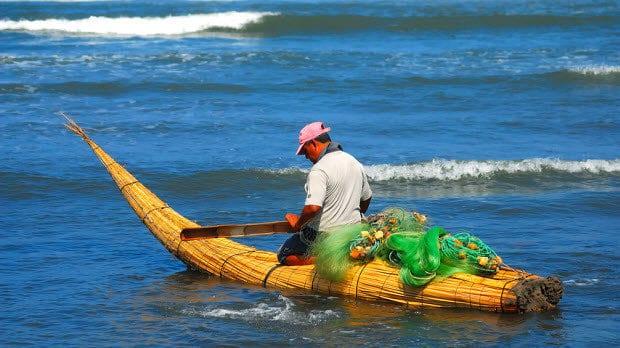
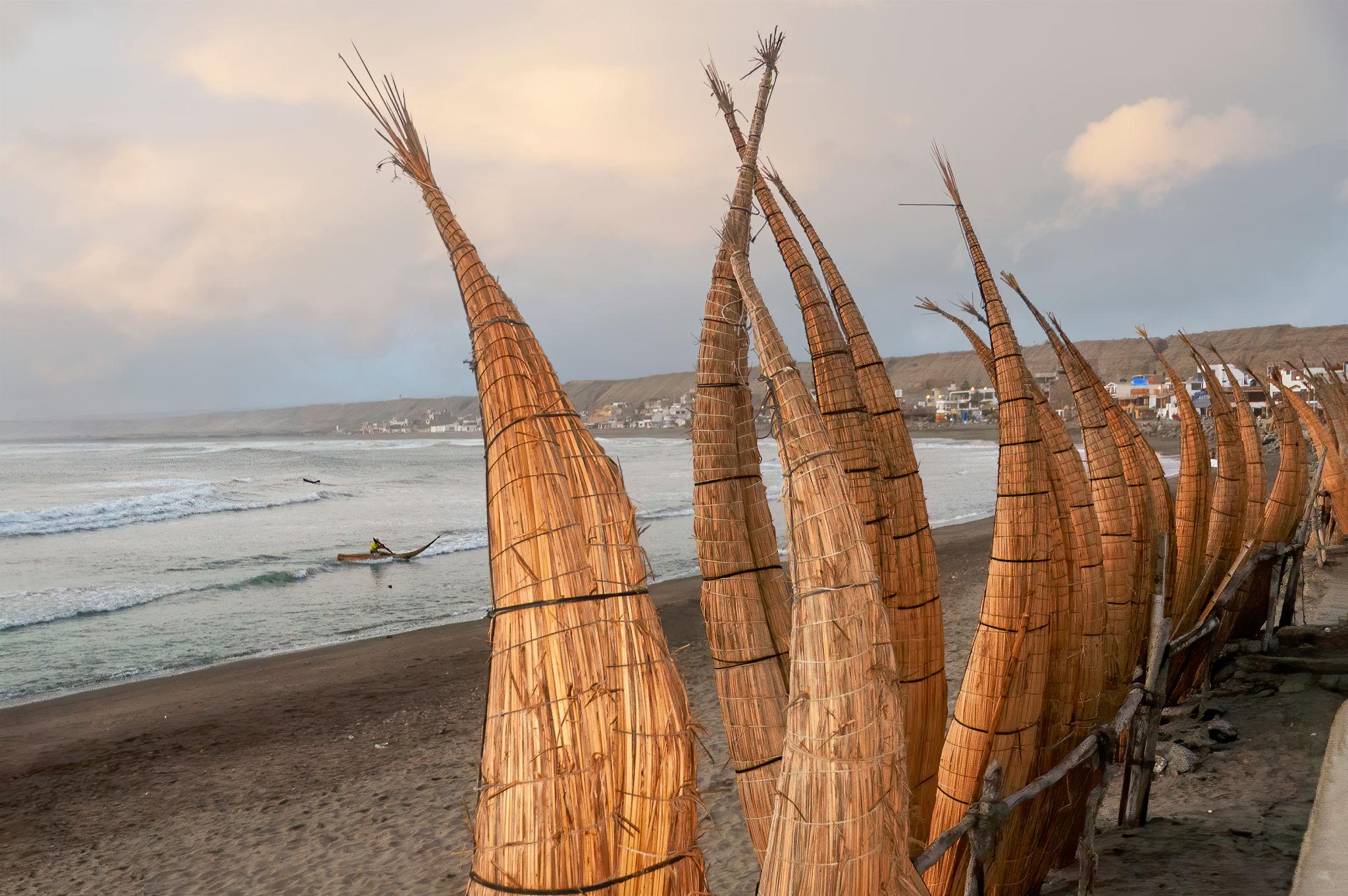
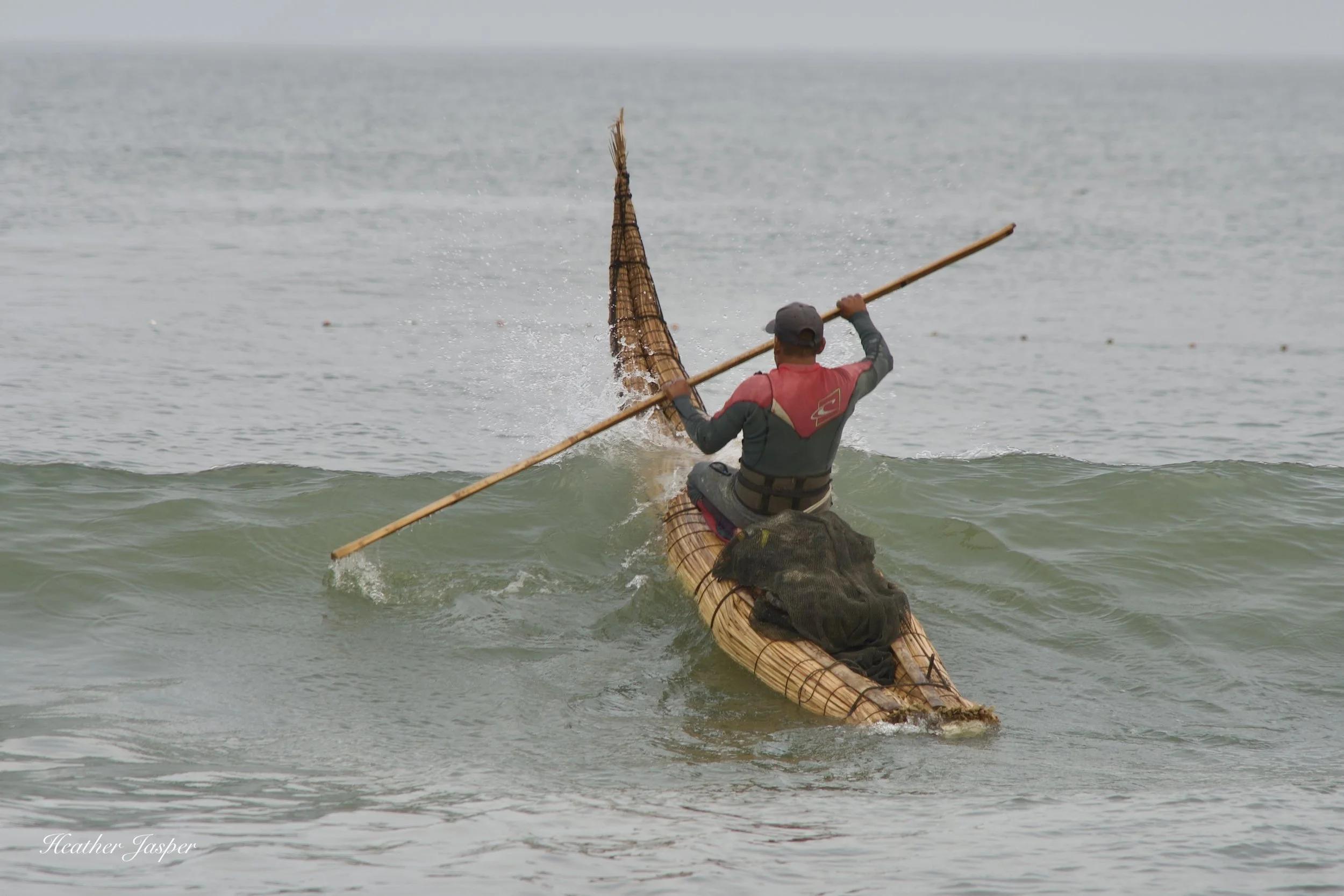
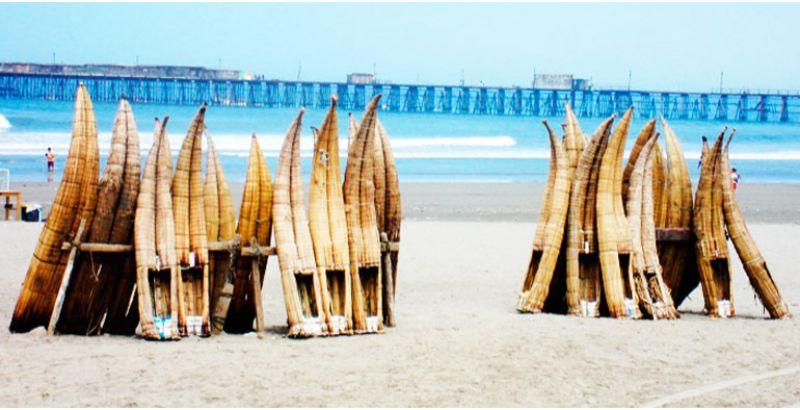
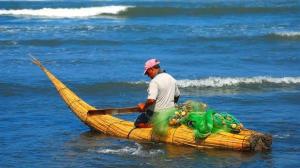
Along the Pacific coast of northern Peru, the shoreline of Huanchaco, in the La Libertad Region, is characterized by the presence of slender reed boats resting on the sand after a day at sea. Known as caballitos de totora ("little reed horses"), these handcrafted vessels have been used for fishing for more than two thousand years, making them one of the oldest continuously practiced maritime traditions in the Americas. Archaeological evidence indicates that similar reed boats were already employed by pre-Columbian coastal societies long before the rise of the Inca Empire. Despite technological advances in modern fishing, the tradition remains an enduring symbol of the relationship between coastal communities and the Pacific Ocean.
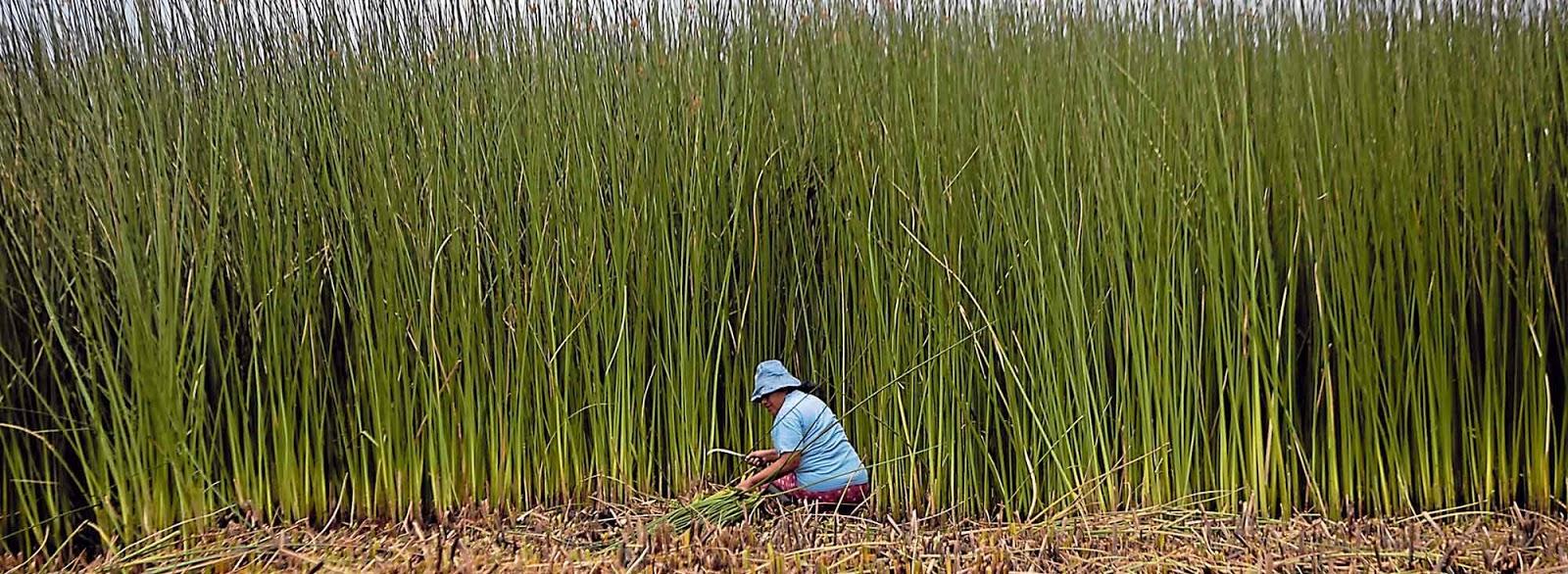
The knowledge required to build and operate the boats is preserved by traditional fishermen, artisan families, and coastal residents of Huanchaco. Each vessel is carefully handcrafted using totora reeds harvested from nearby wetlands, where the plants are cultivated and managed according to local environmental knowledge. Constructing a caballito de totora requires selecting suitable reeds, drying and bundling them, and shaping the boat to achieve the flexibility and buoyancy needed to navigate the waves. Because the organic material gradually absorbs water, the boats must be repaired or rebuilt regularly, making craftsmanship an essential part of the tradition alongside fishing itself. The same communities also maintain practical knowledge of tides, currents, seasonal weather, and marine ecosystems, allowing them to safely fish close to the coast using techniques refined over generations.
Today, the caballitos de totora continue to represent much more than a traditional means of transportation. They embody a sustainable way of interacting with coastal environments, relying almost entirely on renewable natural materials and locally transmitted ecological knowledge. The boats have also become an important cultural emblem of Huanchaco, attracting visitors interested in Peru's maritime heritage while reinforcing local pride in a tradition that remains actively practiced rather than merely displayed. Through the continued collaboration of fishing families and community members, the craftsmanship, environmental knowledge, and cultural values associated with the caballitos de totora remain an integral part of the living heritage of Peru's northern coast.
07-24-2026
| Institutional and human capacities | The continuity of the Caballitos de Totora Reed Boat Tradition depends on the knowledge of traditional fishermen, reed harvesters, artisan families, and coastal communities in Huanchaco, La Libertad Region. The expertise required to cultivate totora reeds, construct the vessels, navigate the Pacific Ocean, and maintain traditional fishing techniques has been preserved through generations of practical experience rather than formal instruction. Local cultural institutions, municipalities, and Peru's Ministry of Culture contribute to safeguarding initiatives by supporting cultural documentation, educational activities, and heritage promotion. Given the close relationship between the tradition and its natural environment, environmental authorities and wetland management initiatives also play an important role in ensuring the availability of totora reeds essential for the continued practice. | |
| Transmission and education | Learning begins at an early age as younger members of fishing families accompany experienced fishermen to the shoreline, observing both the construction of the reed boats and the daily routines associated with fishing. Skills are gradually acquired through direct participation, allowing apprentices to understand every stage of the tradition, from selecting suitable reeds and assembling the vessel to reading tides, winds, currents, and sea conditions. The transmission process extends beyond craftsmanship and navigation. It also includes ecological knowledge about the sustainable management of totora wetlands, seasonal fishing cycles, marine biodiversity, and the respectful use of natural resources. In this way, each new generation inherits both technical expertise and an environmental ethic closely tied to the coastal ecosystem. | |
| Inventorying and research | The Caballitos de Totora have received considerable attention from archaeologists, maritime historians, ethnographers, and environmental researchers due to their exceptional historical continuity. Archaeological discoveries along Peru's northern coast demonstrate that similar reed vessels were already in use more than two millennia ago, making the tradition one of the oldest continuously practiced fishing technologies in the Americas. Contemporary research increasingly combines cultural heritage documentation with environmental studies, examining traditional boat-building techniques alongside wetland conservation, coastal resource management, and the ecological importance of totora cultivation. This interdisciplinary approach recognizes that preserving the tradition depends equally on safeguarding cultural knowledge and the natural environment that supports it. | |
| Policies as well as legal and administrative measures | Safeguarding measures for the Caballitos de Totora extend beyond cultural policies to include environmental management. Local and regional authorities promote the conservation of wetlands where totora reeds are cultivated, recognizing that the availability of this natural resource directly determines the viability of the tradition. Administrative measures also support responsible tourism, heritage interpretation, and community participation while encouraging cooperation among cultural institutions, environmental agencies, and fishing communities. This integrated approach helps balance heritage preservation with the sustainable use of coastal resources. | |
| Role of intangible cultural heritage and its safeguarding in society | The Caballitos de Totora embody a longstanding relationship between people and the sea that has shaped the identity of Huanchaco for centuries. The tradition illustrates how cultural knowledge can develop in harmony with local ecosystems, allowing communities to sustain their livelihoods while respecting the natural cycles of the marine environment. Today, the reed boats remain a visible symbol of Peru's maritime heritage, strengthening local identity and contributing to cultural tourism, environmental education, and appreciation of traditional fishing practices. Their continued use demonstrates that ancestral knowledge can remain relevant in contemporary society while promoting sustainable interactions with nature. | |
| Awareness raising | Awareness of the tradition has expanded through maritime museums, cultural festivals, educational programs, documentaries, and tourism initiatives that present the Caballitos de Totora as both a living fishing practice and a symbol of Peru's ancient coastal civilizations. Demonstrations of boat construction and traditional navigation provide opportunities for visitors to understand the complexity of the craftsmanship rather than viewing the boats solely as cultural icons. Recent awareness initiatives have also highlighted the importance of conserving coastal wetlands, emphasizing that protecting the natural habitat of the totora reed is essential for safeguarding the cultural practice itself. | |
| Engagement of communities, groups and individuals as well as other stakeholders | The safeguarding of the tradition is characterized by close collaboration between fishing families, reed harvesters, artisans, local residents, educational institutions, environmental organizations, tourism operators, and public authorities. Each stakeholder contributes to preserving different aspects of the practice, from ecological conservation and boat construction to cultural interpretation and public education. Community participation remains central to decision-making regarding fishing practices, reed harvesting, and the transmission of traditional knowledge. This collaborative model ensures that safeguarding measures continue to reflect the needs and priorities of the communities that actively practice the tradition. | |
| International engagement | The Caballitos de Totora have attracted international interest as an outstanding example of traditional ecological knowledge and sustainable maritime heritage. Researchers in archaeology, ethnography, marine studies, and environmental conservation frequently reference the tradition when examining the long-term relationship between coastal societies and natural resources. The tradition also contributes to international discussions on sustainable development by demonstrating how intangible cultural heritage can support biodiversity conservation, environmental stewardship, and the preservation of traditional livelihoods. As global attention increasingly focuses on climate resilience and sustainable resource management, the Caballitos de Totora provide a valuable example of how cultural heritage and environmental sustainability can reinforce one another. | |
| References | Ministry of Culture of Peru. Patrimonio Cultural Inmaterial del Perú. Ministry of Foreign Trade and Tourism (MINCETUR). Cultural tourism information on Huanchaco and the Caballitos de Totora. Regional Government of La Libertad. Cultural heritage and coastal conservation resources. Academic publications on maritime archaeology, traditional fishing technologies, and ethnographic studies of Peru's northern coast. Research on wetland conservation, totora reed ecosystems, and sustainable coastal resource management. UNESCO. Convention for the Safeguarding of the Intangible Cultural Heritage (2003). |
|


















.jpeg)







.png)

















.jpeg)

.jpg)




.png)
.jpg)


_(31711258567).jpg)