
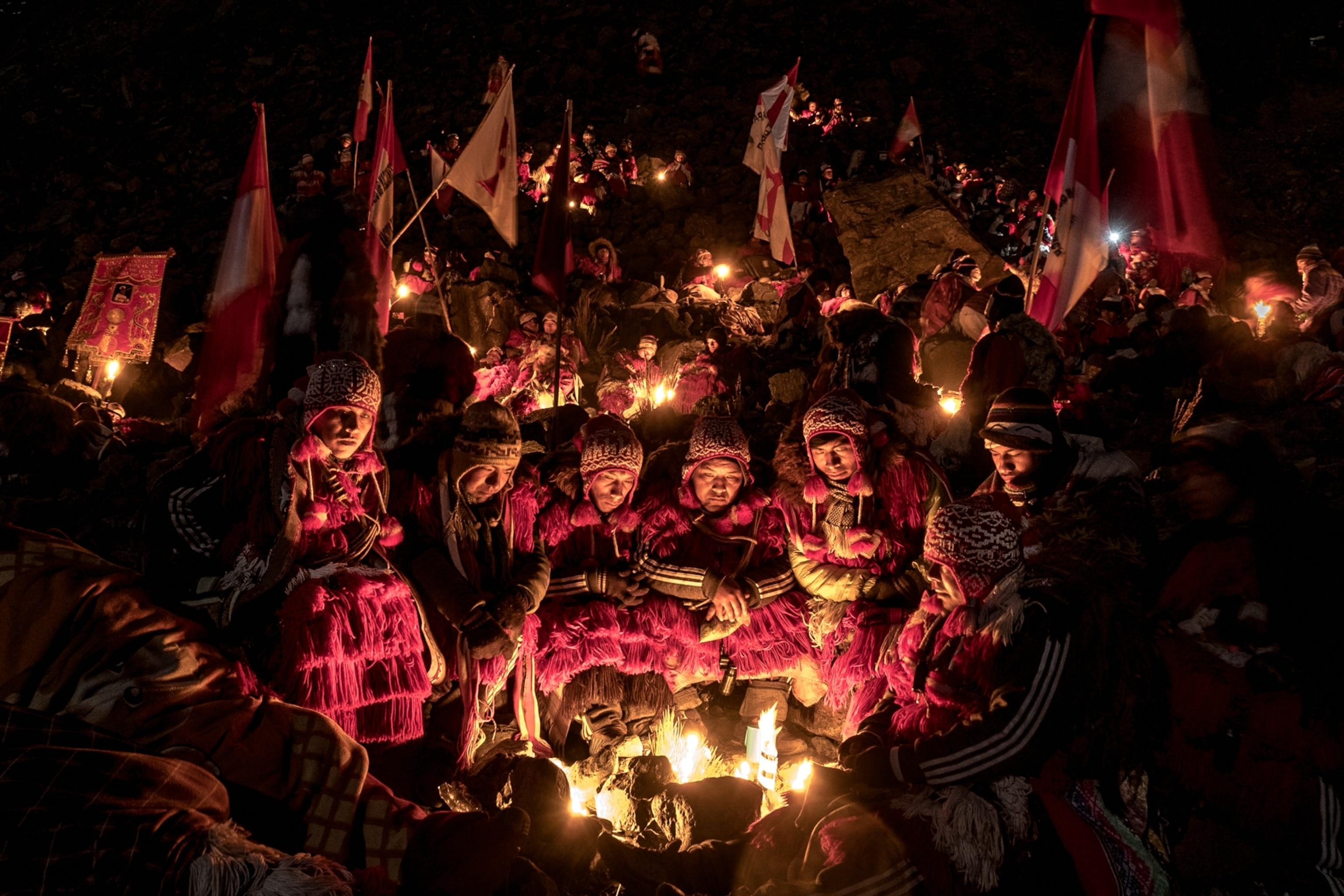
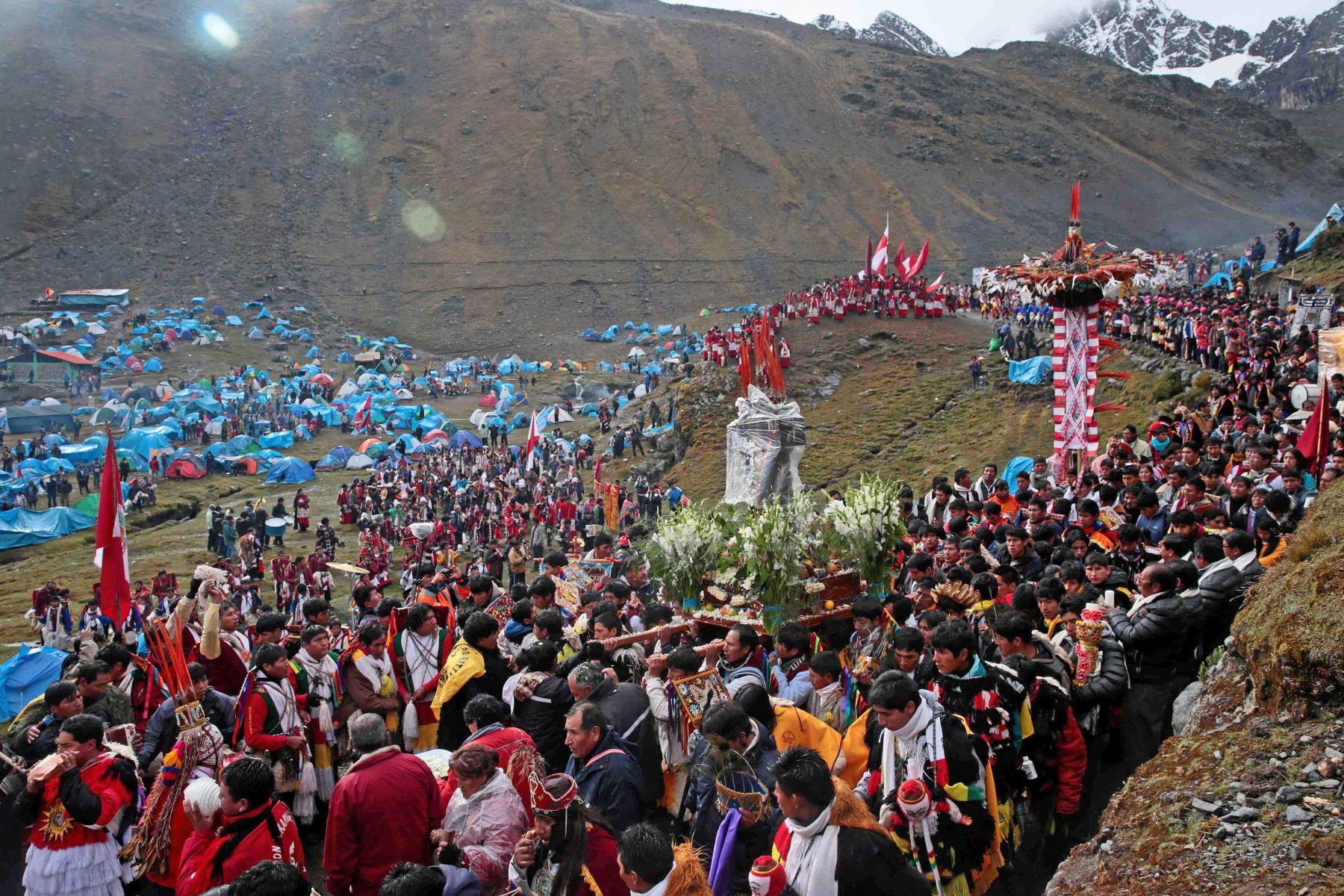
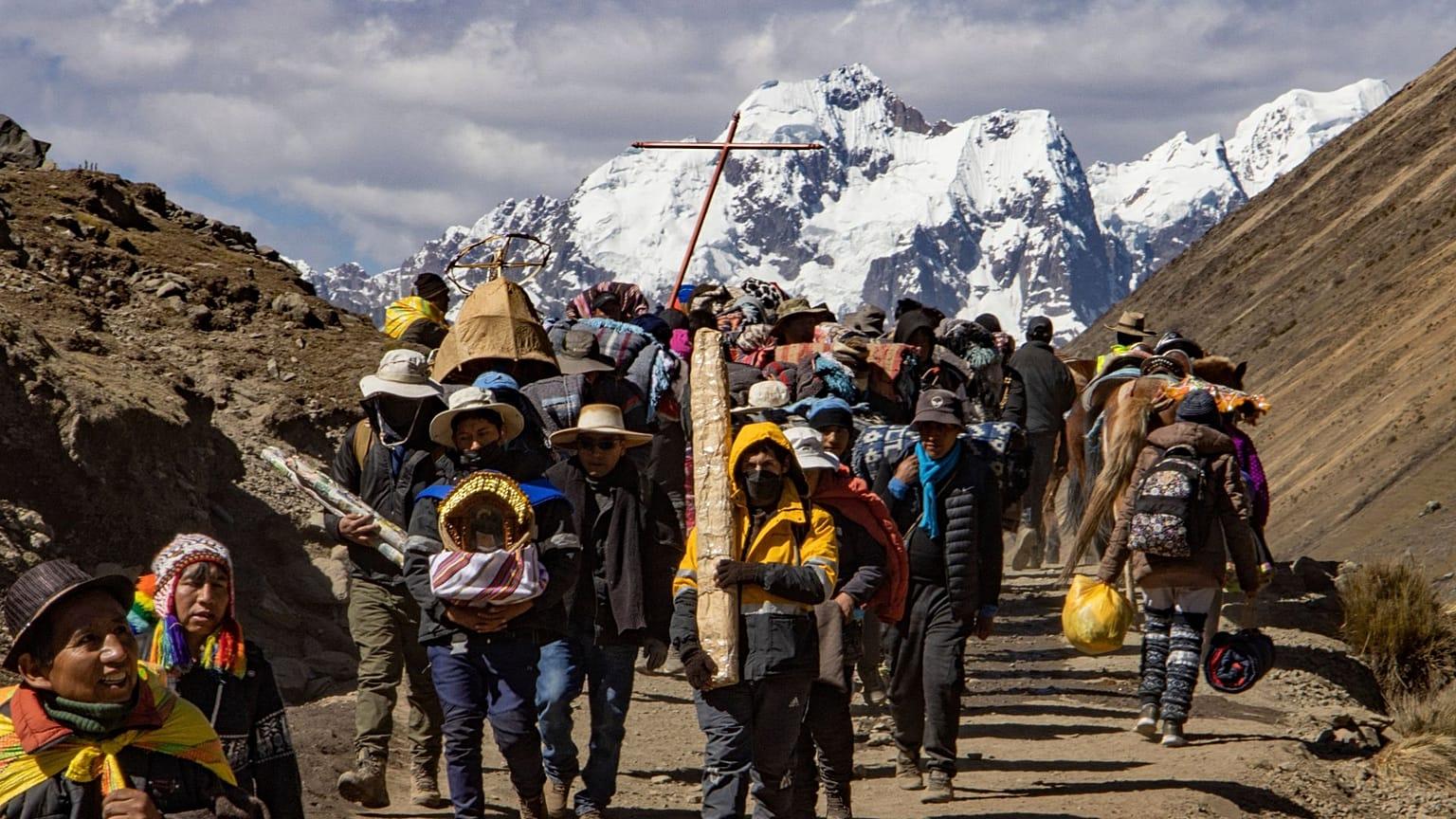
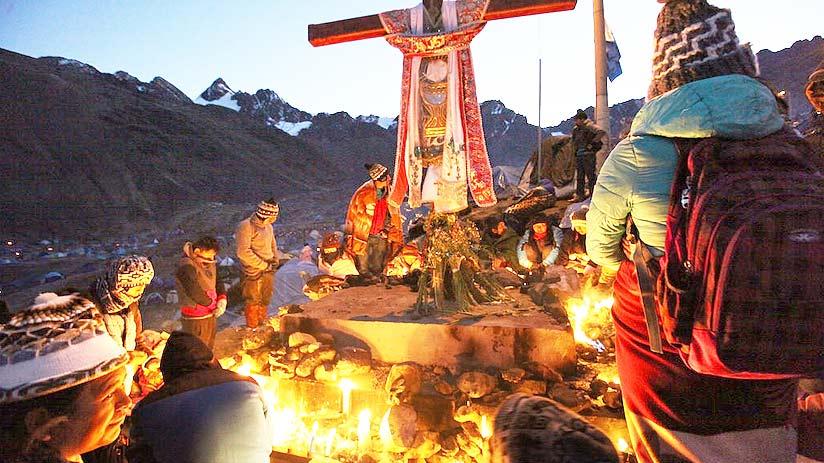
Long before reaching the sanctuary, thousands of pilgrims begin a journey through the high Andes toward the Sinakara Valley, at the foot of the snow-capped Ausangate Mountain in the Cusco Region. Known as the Qoyllur Rit'i Pilgrimage, this annual event is among the largest religious gatherings in the Peruvian Andes, bringing together participants from numerous provinces and communities. Celebrated each year between May and June, shortly before the Catholic feast of Corpus Christi, the pilgrimage reflects the coexistence of Indigenous Andean beliefs and Christian traditions. The name Qoyllur Rit'i, often translated as "Star of the Snow", evokes the close relationship between the surrounding glaciers, the night sky, and the spiritual significance attributed to the mountain landscape.
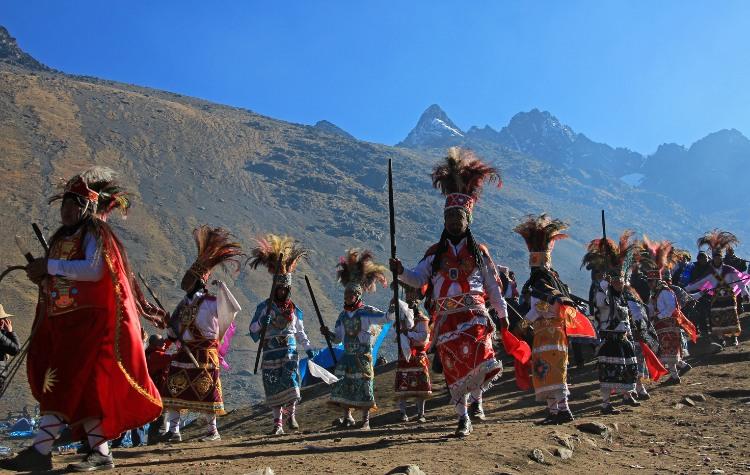
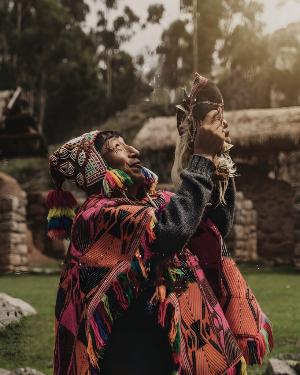
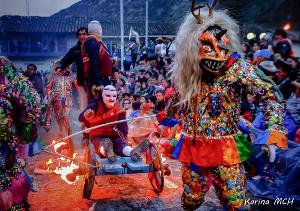
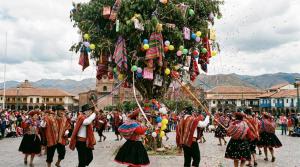
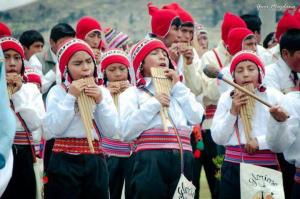
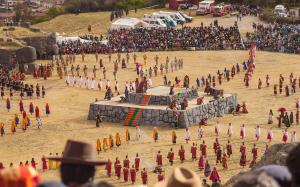
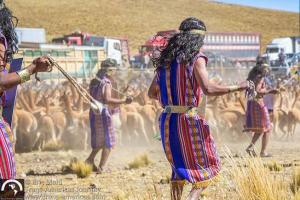
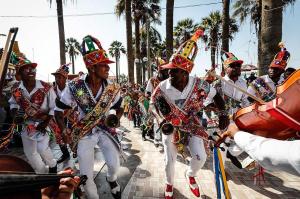
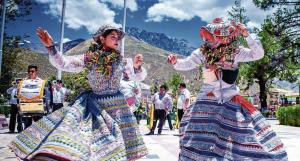
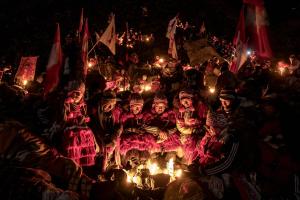
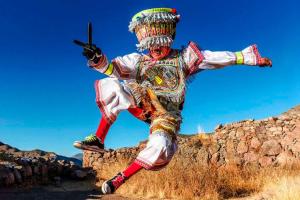
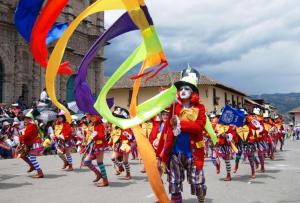
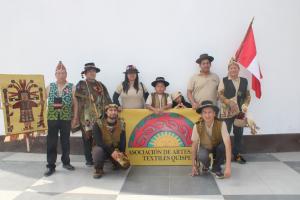
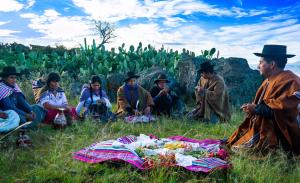
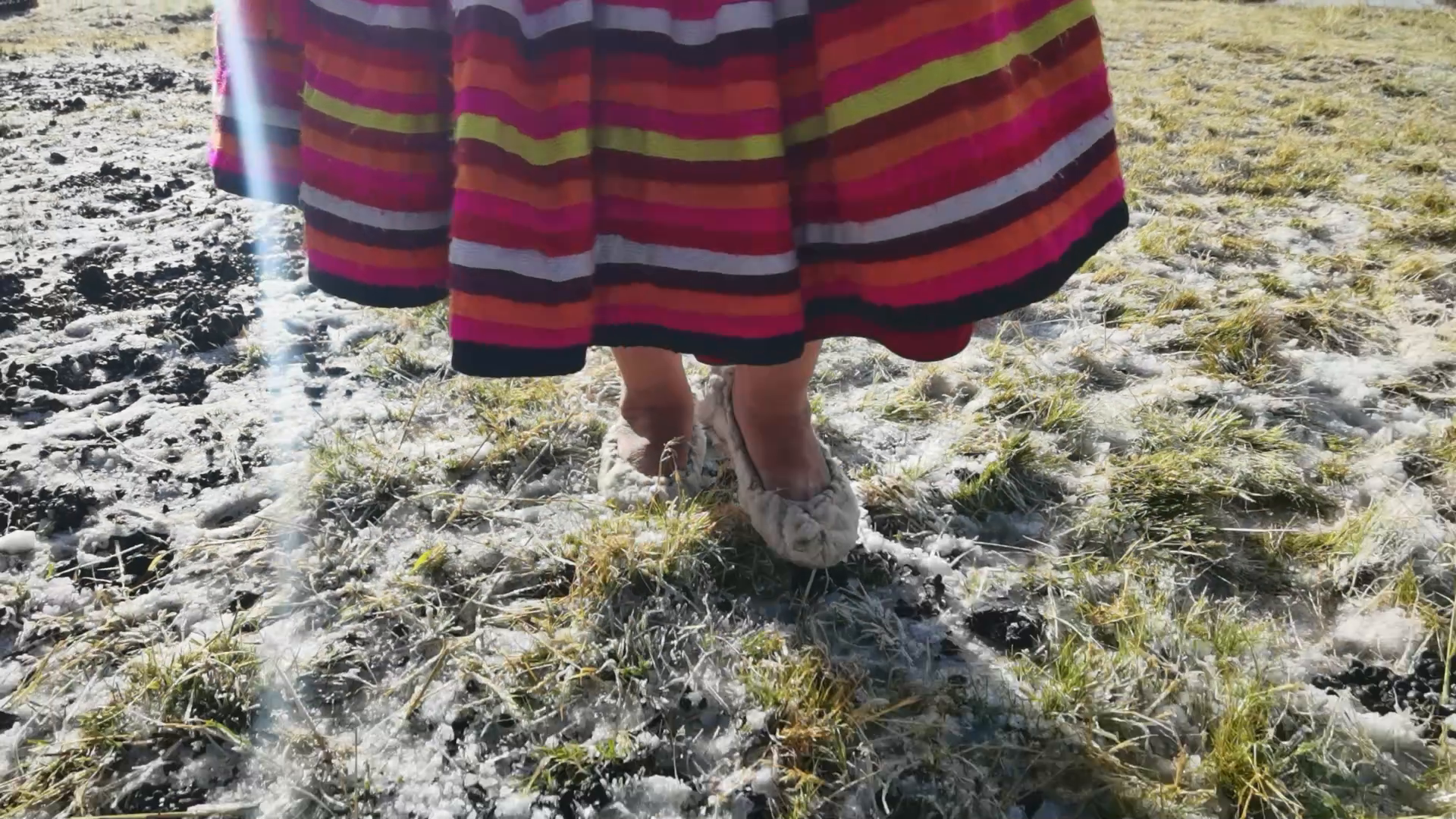
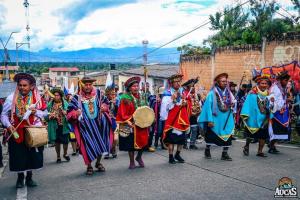
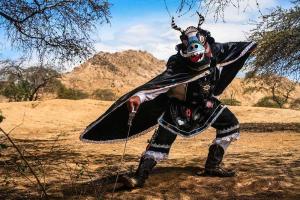
The pilgrimage attracts pilgrims, Indigenous Quechua communities, musicians, dancers, and traditional ritual specialists who travel on foot, often covering long distances over several days. Organized groups known as naciones represent different communities, each distinguished by characteristic dances, costumes, and musical performances. Throughout the pilgrimage, participants attend religious ceremonies, perform traditional dances, share communal meals, and make offerings expressing gratitude, hope, or requests for protection. Among the most recognizable participants are the ukukus, masked figures dressed in dark woolen garments who symbolize a connection between the human and spiritual worlds. Their ceremonial responsibilities include maintaining order during the celebration and participating in rituals associated with the surrounding glaciers and mountains.
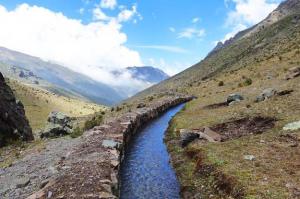
The pilgrimage is deeply connected to the Andean understanding of nature as a living and sacred presence. Mountains, water sources, stars, and seasonal cycles are regarded not merely as elements of the landscape but as essential components of community life and spiritual practice. This relationship has allowed the Qoyllur Rit'i Pilgrimage to remain a dynamic expression of cultural continuity despite changing social and environmental conditions. Today, the celebration continues to strengthen ties among communities from across southern Peru while preserving a rich combination of oral traditions, music, dance, ritual knowledge, and collective memory. Its exceptional cultural significance was internationally recognized in 2011, when it was inscribed on UNESCO's Representative List of the Intangible Cultural Heritage of Humanity.
07-24-2026
| Institutional and human capacities | The safeguarding of the Qoyllur Rit'i Pilgrimage is fundamentally sustained by the pilgrim communities (naciones), Indigenous Quechua communities, ritual specialists, dancers, musicians, and local residents who organize and participate in the annual journey to the Sinakara Valley. Each participating community contributes its own ceremonial knowledge, dances, music, and organizational structure, ensuring that the pilgrimage remains a collective expression rather than the responsibility of a single institution. Institutional support is provided by cultural authorities, local municipalities, religious organizations, and heritage institutions that facilitate documentation, visitor management, and conservation initiatives. Given the large number of participants and the high-altitude environment in which the pilgrimage takes place, coordination also involves public safety, environmental protection, and the preservation of sacred sites. | |
| Transmission and education | Knowledge associated with the pilgrimage is transmitted through participation in the journey itself. Younger generations accompany their families and communities, gradually learning pilgrimage routes, ceremonial practices, traditional dances, devotional songs, and the cultural responsibilities associated with belonging to a nación. Unlike classroom-based learning, the pilgrimage serves as a living educational experience where cultural knowledge is acquired through shared practice and observation. Transmission also includes an understanding of the spiritual relationship between Andean communities and the surrounding mountains, glaciers, and natural landscape. Participants learn that the pilgrimage is not solely a religious event but also an expression of reciprocity, respect for nature, and collective identity rooted in centuries of Andean tradition. | |
| Inventorying and research | The Qoyllur Rit'i Pilgrimage has been extensively documented by anthropologists, historians, religious scholars, and environmental researchers interested in its unique combination of Indigenous Andean beliefs and Catholic traditions. Research has examined its ceremonial organization, traditional dances, oral narratives, musical expressions, and the role of pilgrimage in strengthening regional identity. More recently, the pilgrimage has also attracted interdisciplinary research exploring the relationship between cultural heritage and environmental change. Studies have documented how the retreat of nearby glaciers, long regarded as sacred elements of the pilgrimage, has influenced certain ceremonial practices and encouraged discussions about safeguarding both cultural traditions and the natural landscape that gives them meaning. | |
| Policies as well as legal and administrative measures | Safeguarding measures seek to preserve both the cultural integrity of the pilgrimage and the fragile mountain environment in which it takes place. Public authorities collaborate with community representatives and religious organizations to manage visitor access, coordinate emergency services, regulate waste management, and reduce environmental impacts during the annual gathering. Administrative efforts increasingly recognize that protecting the pilgrimage requires safeguarding not only the ritual itself but also the sacred geography of the Sinakara Valley and surrounding glaciers, whose cultural significance is inseparable from the tradition. | |
| Role of intangible cultural heritage and its safeguarding in society | The Qoyllur Rit'i Pilgrimage represents one of the clearest examples of how cultural heritage can unite diverse communities around a shared spiritual landscape. Every year, thousands of participants from different regions, languages, and social backgrounds undertake the same journey, strengthening networks of solidarity, reciprocity, and collective identity that extend far beyond the days of the celebration. The pilgrimage also illustrates the close relationship between cultural heritage and environmental stewardship. For participating communities, mountains, glaciers, and water sources are not merely physical features but living elements of a sacred landscape that deserve respect and protection. This worldview reinforces cultural values that promote responsible coexistence with nature. | |
| Awareness raising | Public awareness of the Qoyllur Rit'i Pilgrimage has grown through documentaries, photographic exhibitions, academic research, and heritage education initiatives that present the event as both a cultural and spiritual tradition. These initiatives encourage audiences to appreciate the pilgrimage beyond its spectacular visual elements by explaining its historical origins, ceremonial complexity, and cultural significance. Recent awareness campaigns have also highlighted the effects of climate change on the Andean glaciers associated with the pilgrimage, fostering greater understanding of the connection between safeguarding intangible cultural heritage and protecting the natural environments that sustain it. | |
| Engagement of communities, groups and individuals as well as other stakeholders | The continuity of the pilgrimage depends on the active collaboration of pilgrim communities (naciones), Indigenous Quechua communities, musicians, dancers, ritual specialists, local residents, religious organizations, environmental authorities, and cultural institutions. Each group contributes distinct knowledge and responsibilities while collectively maintaining the ceremonial order of the event. This broad participation has enabled the pilgrimage to remain community-led despite its increasing visibility. Decisions concerning ceremonial practices, traditional routes, and ritual responsibilities continue to be guided by the participating communities, ensuring that safeguarding measures remain rooted in local cultural values. | |
| International engagement | Since its inscription on UNESCO's Representative List of the Intangible Cultural Heritage of Humanity in 2011, the Qoyllur Rit'i Pilgrimage has become an important case study for international discussions on the relationship between intangible cultural heritage, sacred landscapes, and environmental sustainability. Researchers, heritage professionals, and conservation organizations frequently reference the pilgrimage when examining how cultural practices adapt to changing ecological conditions. Its international significance extends beyond religious devotion, offering valuable insights into community-based safeguarding, intercultural dialogue, and the integration of cultural and environmental conservation within heritage management frameworks. | |
| References | UNESCO. Pilgrimage to the Sanctuary of the Lord of Qoyllurit'i. Representative List of the Intangible Cultural Heritage of Humanity (2011). Ministry of Culture of Peru. Patrimonio Cultural Inmaterial del Perú. National Service of Natural Protected Areas (SERNANP). Information on the Sinakara Valley and surrounding protected landscapes. Academic publications on Andean pilgrimage, religious syncretism, sacred landscapes, and climate change in the Peruvian Andes. Ethnographic and audiovisual documentation on the Qoyllur Rit'i Pilgrimage and its participating communities. |
|








.jpeg)






.png)





.jpeg)
.jpg)




.png)
.jpg)


_(31711258567).jpg)