
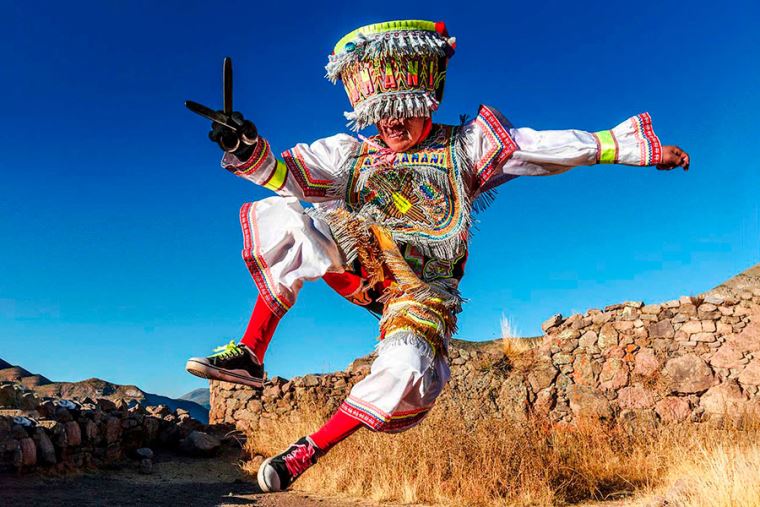
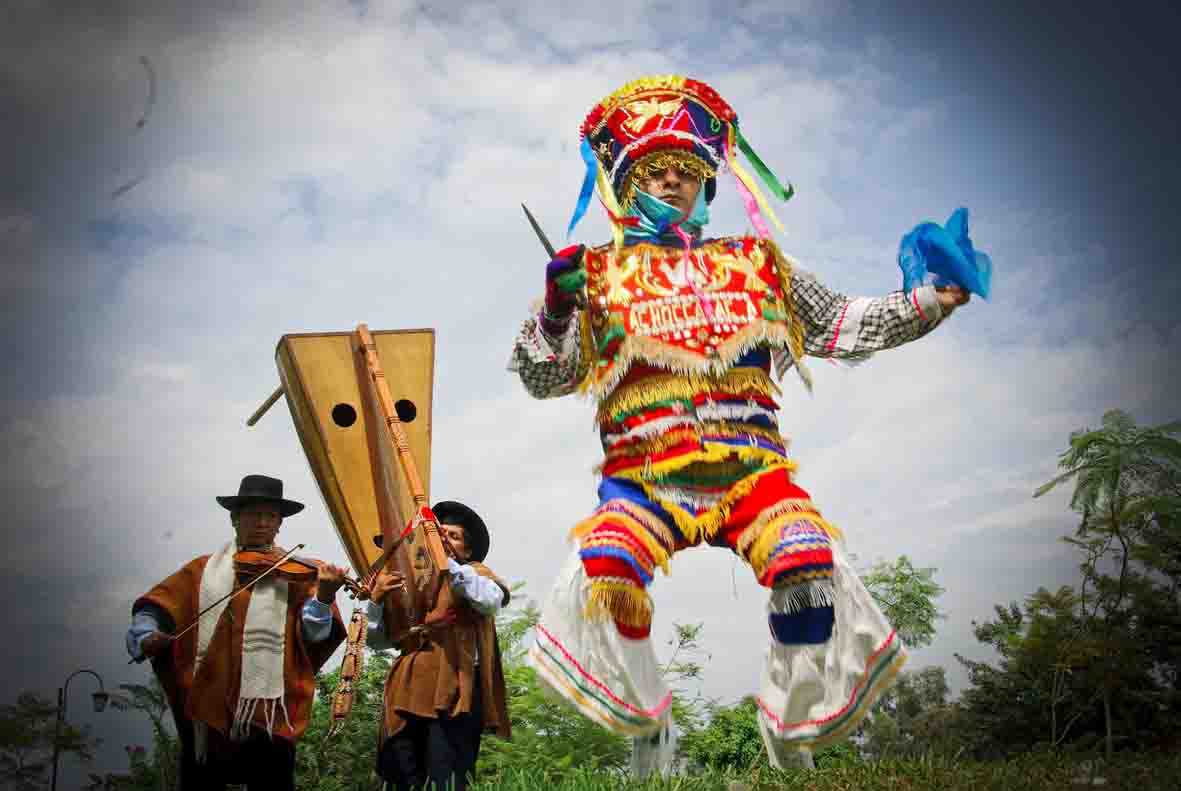
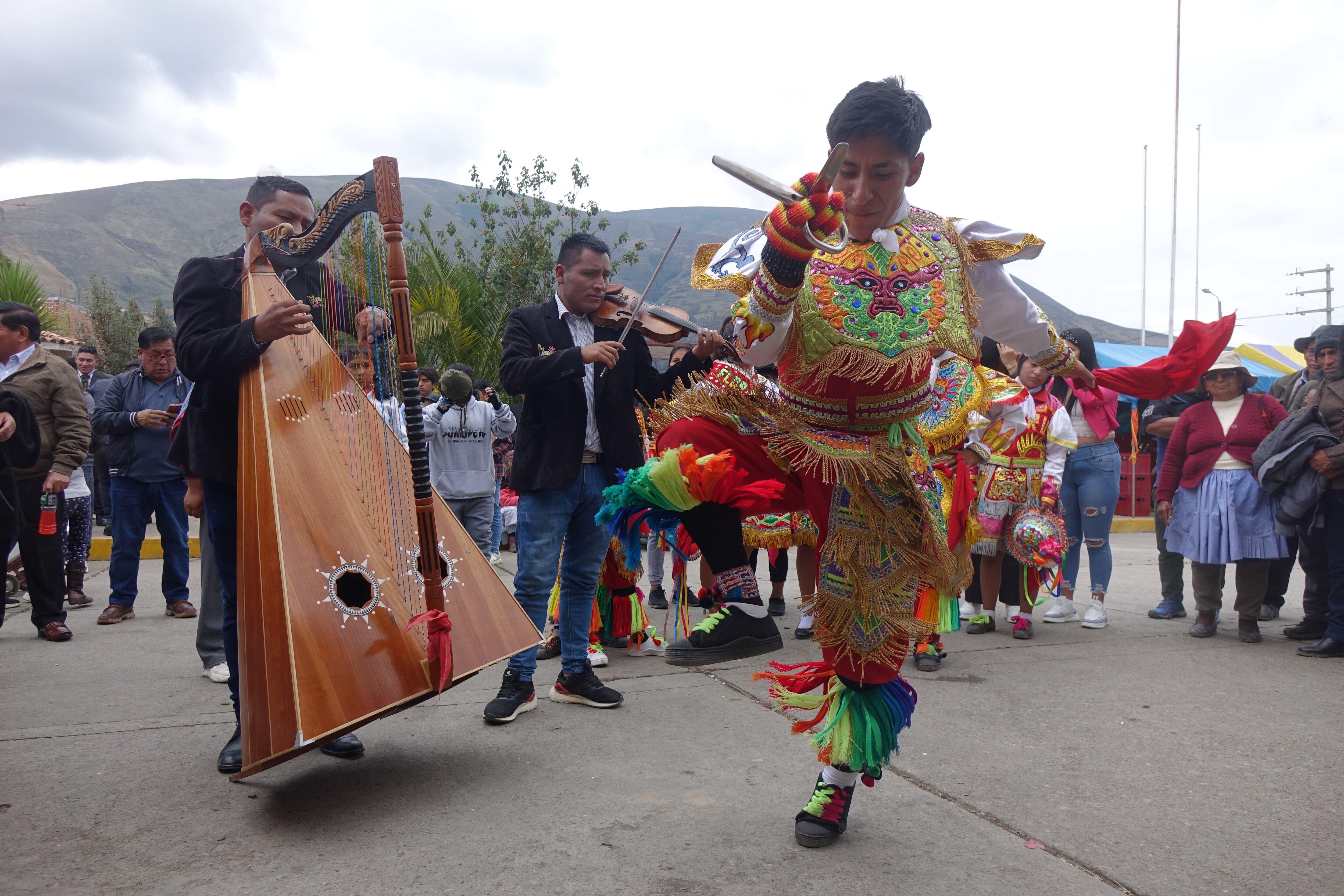
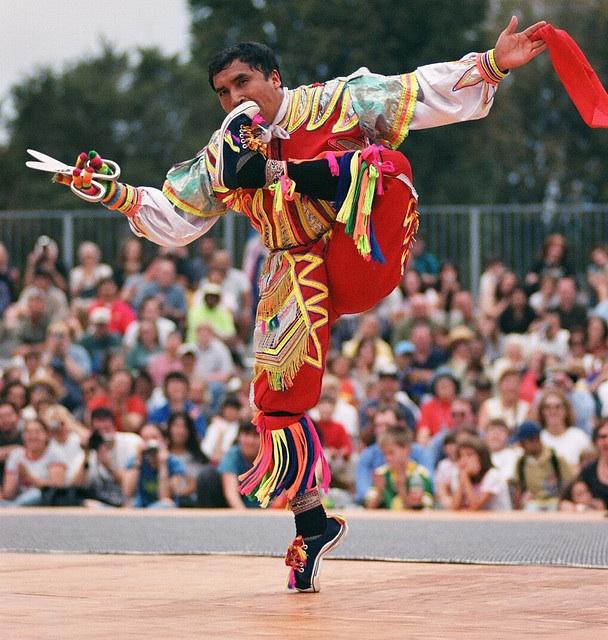
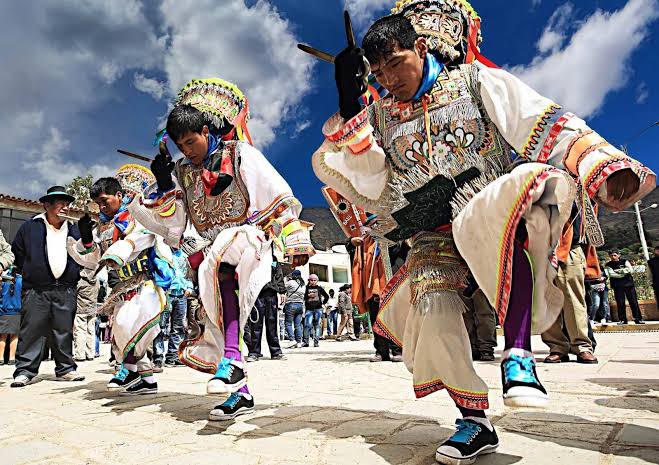
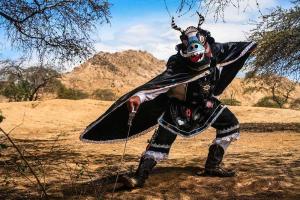
The sharp metallic sound produced by two polished steel blades striking together is the defining feature of the Scissors Dance (Danza de las Tijeras), a centuries-old cultural expression that has become one of the most recognizable symbols of the Peruvian Andes. Far more than an exhibition of agility, the dance combines music, ritual, endurance, and artistic excellence into a single performance. It is practiced mainly in the Andean regions of Ayacucho, Huancavelica, Apurímac, and parts of Arequipa, where it forms an essential part of local cultural life. The dance originated during the colonial period, when Indigenous ritual specialists adapted ancestral ceremonial traditions within a changing social and religious environment. Over time, these practices evolved into a unique artistic expression that continues to reflect Andean beliefs, values, and identity.
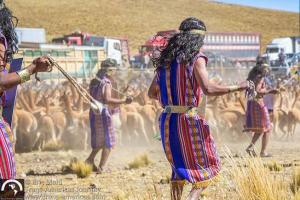
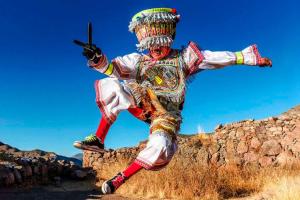
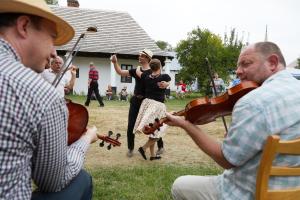
Performances are commonly held during patron saint festivals, religious celebrations, harvest festivities, and other important communal events throughout the year. The tradition is sustained by traditional dancers, violinists, harpists, apprentices, and local Andean communities, who preserve both the technical and ceremonial aspects of the practice. During a presentation, dancers perform individually or in pairs while musicians accompany them with live violin and harp melodies. As the performance progresses, increasingly demanding sequences of footwork, jumps, spins, balancing acts, and acrobatic movements challenge the dancers' precision, strength, and endurance. Throughout the dance, the metallic blades are rhythmically struck together, creating the characteristic sound that gives the tradition its name and reinforces the close relationship between movement and music.
Beyond its visual spectacle, the Scissors Dance represents a living body of cultural knowledge that continues to strengthen community identity across the central Andes. Young practitioners typically begin learning the tradition through long-term observation and apprenticeship, acquiring not only technical skills but also the cultural values, discipline, and respect associated with the role of a dancer. The performance brings together music, craftsmanship, oral tradition, ritual practices, and social participation, making it an important occasion for intergenerational cultural transmission. In recognition of its outstanding cultural value, the Scissors Dance was inscribed on UNESCO's Representative List of the Intangible Cultural Heritage of Humanity in 2010, highlighting both its artistic uniqueness and the ongoing efforts of Andean communities to preserve this remarkable tradition.
07-24-2026
| Institutional and human capacities | The continuity of the Scissors Dance depends on the knowledge and commitment of traditional dancers, violinists, harpists, apprentices, and Andean communities in the regions of Ayacucho, Huancavelica, Apurímac, and parts of Arequipa. Experienced performers play a central role in teaching choreography, ritual protocols, musical accompaniment, and the ethical values associated with the tradition. Regional cultural institutions, municipalities, and Peru's Ministry of Culture contribute to safeguarding efforts by supporting festivals, cultural events, documentation projects, and initiatives that recognize the dance as an important element of Peru's intangible cultural heritage. | |
| Transmission and education | The Scissors Dance is traditionally learned through long-term apprenticeship, where aspiring dancers train under experienced masters while also learning from musicians and community elders. This process emphasizes not only technical mastery but also discipline, physical preparation, ceremonial etiquette, and respect for Andean cultural values. Today, transmission occurs through community festivals, cultural associations, workshops, and educational activities that encourage younger generations to engage with the tradition while maintaining its authenticity. | |
| Inventorying and research | The Scissors Dance has attracted extensive documentation by anthropologists, ethnomusicologists, historians, and cultural heritage specialists due to its unique combination of dance, music, ritual, and oral tradition. Research has examined its historical development, symbolic meanings, musical structures, and relationship with Andean cosmology. Its inscription on UNESCO's Representative List of the Intangible Cultural Heritage of Humanity in 2010 has further encouraged audiovisual documentation, academic publications, and cultural inventories that support long-term safeguarding and public understanding of the tradition. | |
| Policies as well as legal and administrative measures | National cultural policies recognize the Scissors Dance as a significant expression of Peru's intangible cultural heritage and promote measures for its preservation through cultural programming, documentation, and educational initiatives. Local governments frequently support festivals where the dance is traditionally performed, helping ensure appropriate spaces and logistical conditions for practitioners. Administrative measures also encourage collaboration among cultural authorities, educational institutions, and local communities to strengthen opportunities for training, performance, and cultural transmission. | |
| Role of intangible cultural heritage and its safeguarding in society | Beyond its artistic excellence, the Scissors Dance reinforces a sense of belonging among Andean communities by preserving ceremonial practices, traditional music, and collective memory. Performances strengthen social ties during religious festivals and communal celebrations, where the dance serves both cultural and spiritual functions. The tradition also contributes to local cultural economies by supporting musicians, costume makers, instrument craftsmen, and cultural events that generate opportunities for artistic exchange and responsible cultural tourism. | |
| Awareness raising | The international recognition of the Scissors Dance has significantly increased public awareness of Peru's Andean cultural traditions. Performances at cultural festivals, museums, educational institutions, and national celebrations allow diverse audiences to appreciate both the technical complexity and symbolic meaning of the dance. Digital media, documentaries, academic publications, and cultural exhibitions have further expanded access to information, helping promote respect for the tradition while discouraging superficial interpretations that overlook its ceremonial significance. | |
| Engagement of communities, groups and individuals as well as other stakeholders | The safeguarding of the Scissors Dance depends on close cooperation among dancers, musicians, families, local communities, cultural organizations, educational institutions, and public authorities. Community members actively participate in organizing festivals, preparing performances, maintaining musical traditions, and mentoring younger practitioners. This collaborative environment allows cultural knowledge to remain community-driven while adapting to contemporary contexts without losing the essential values that define the tradition. | |
| International engagement | Since its inscription on UNESCO's Representative List, the Scissors Dance has become an important ambassador of Peruvian culture at international festivals, academic conferences, and intercultural exchange programs. These opportunities have facilitated dialogue between practitioners, researchers, and cultural institutions from different countries while increasing global appreciation for Andean performing arts. International visibility has also encouraged collaborative research, audiovisual documentation, and safeguarding initiatives that contribute to preserving the tradition while respecting the leadership of the communities that continue to practice it. | |
| References | UNESCO. Scissors Dance (Danza de las Tijeras). Representative List of the Intangible Cultural Heritage of Humanity (2010). Ministry of Culture of Peru. Patrimonio Cultural Inmaterial del Perú. Academic publications on Andean performing arts, ethnomusicology, and ritual traditions. Regional cultural authorities of Ayacucho, Huancavelica, Apurímac, and Arequipa. Audiovisual documentation and ethnographic research on the Scissors Dance and its transmission. |
|










.jpeg)




.png)




.jpeg)
.jpg)


.png)
.jpg)


_(31711258567).jpg)