
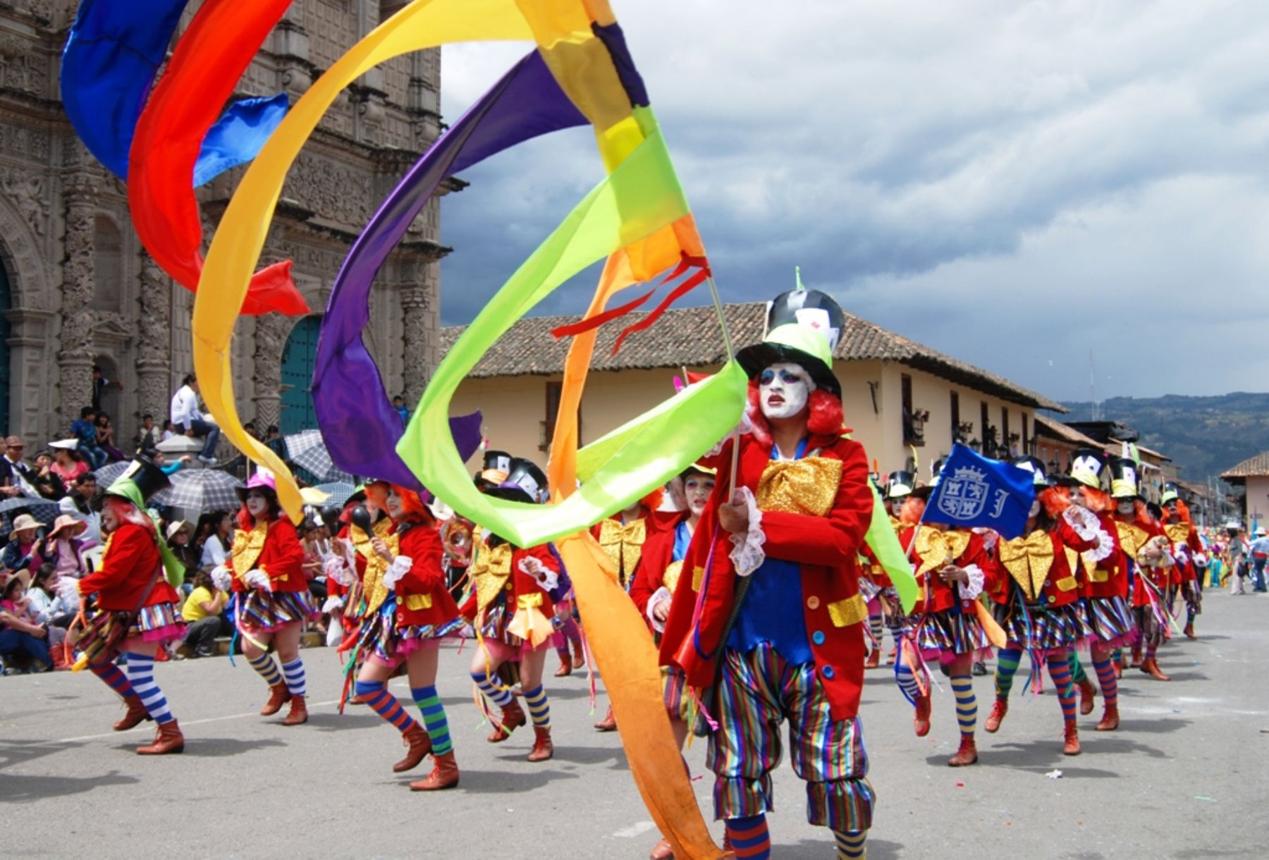
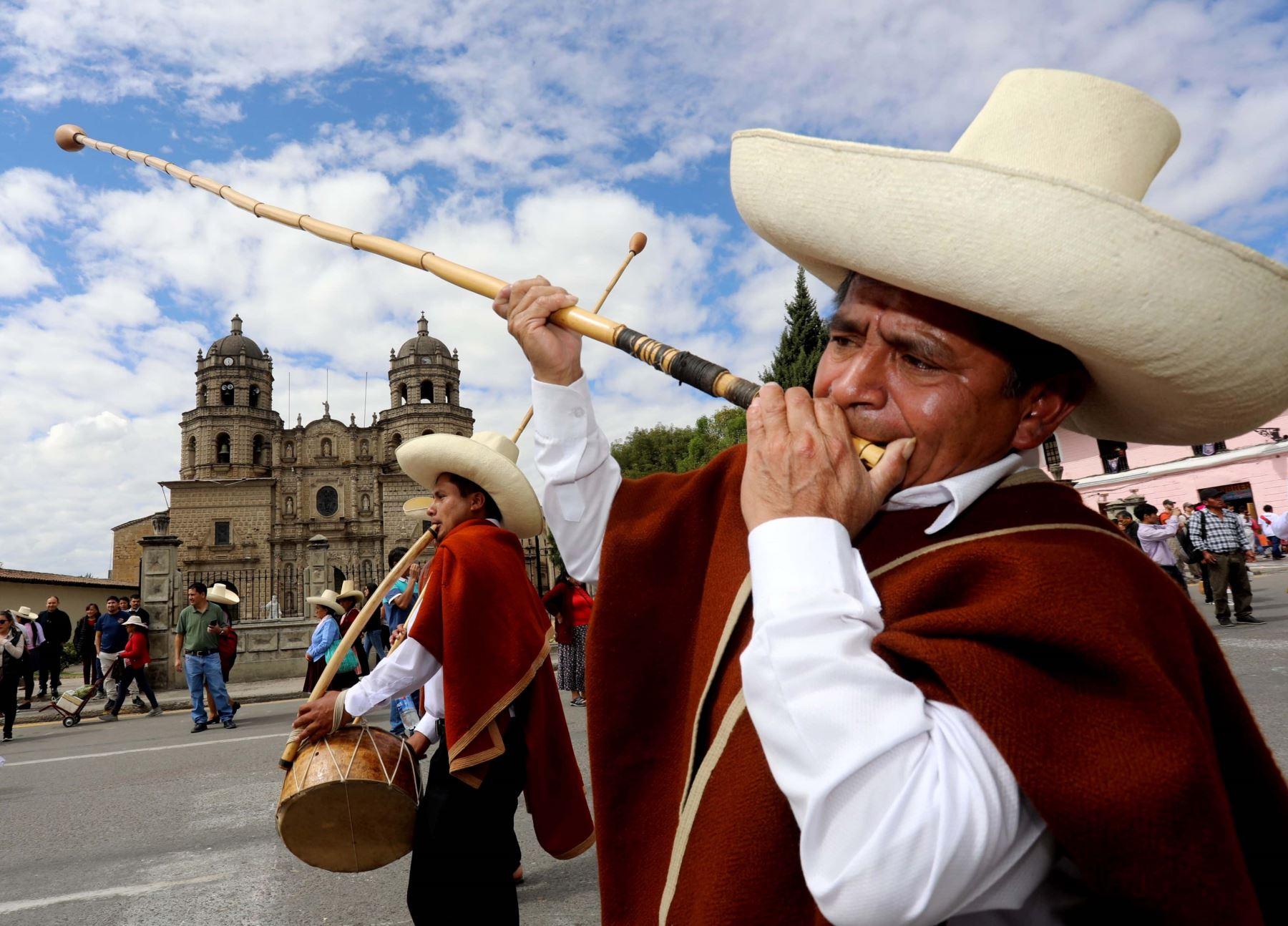
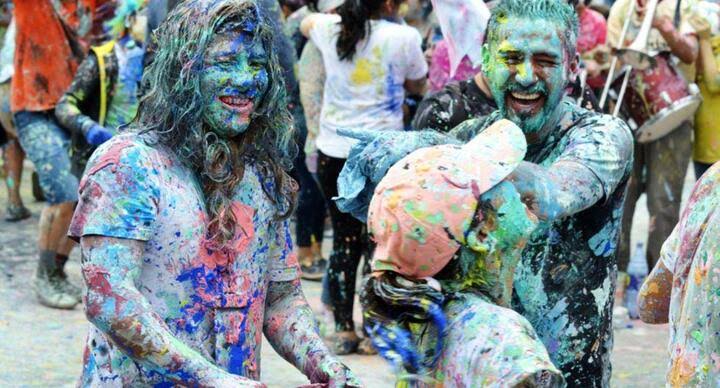
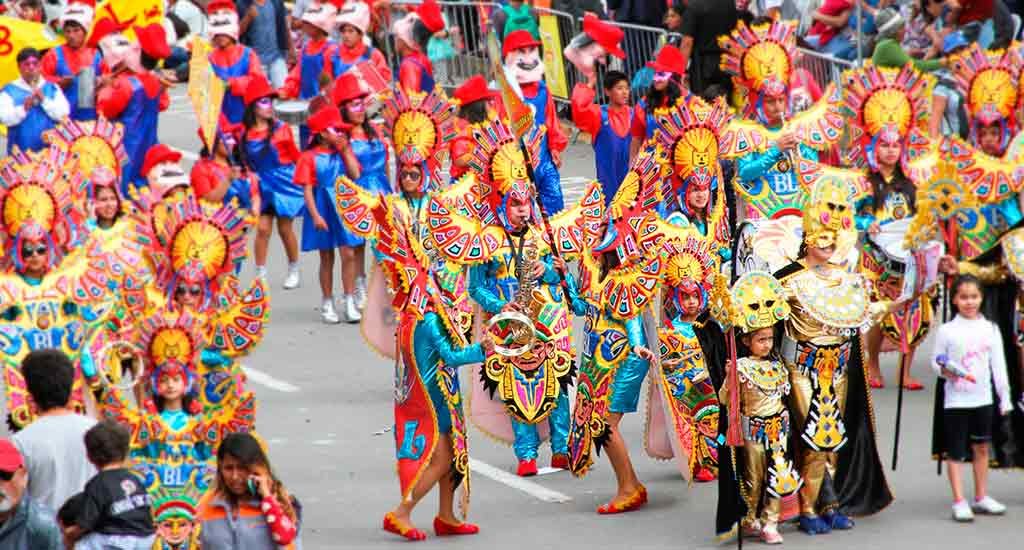
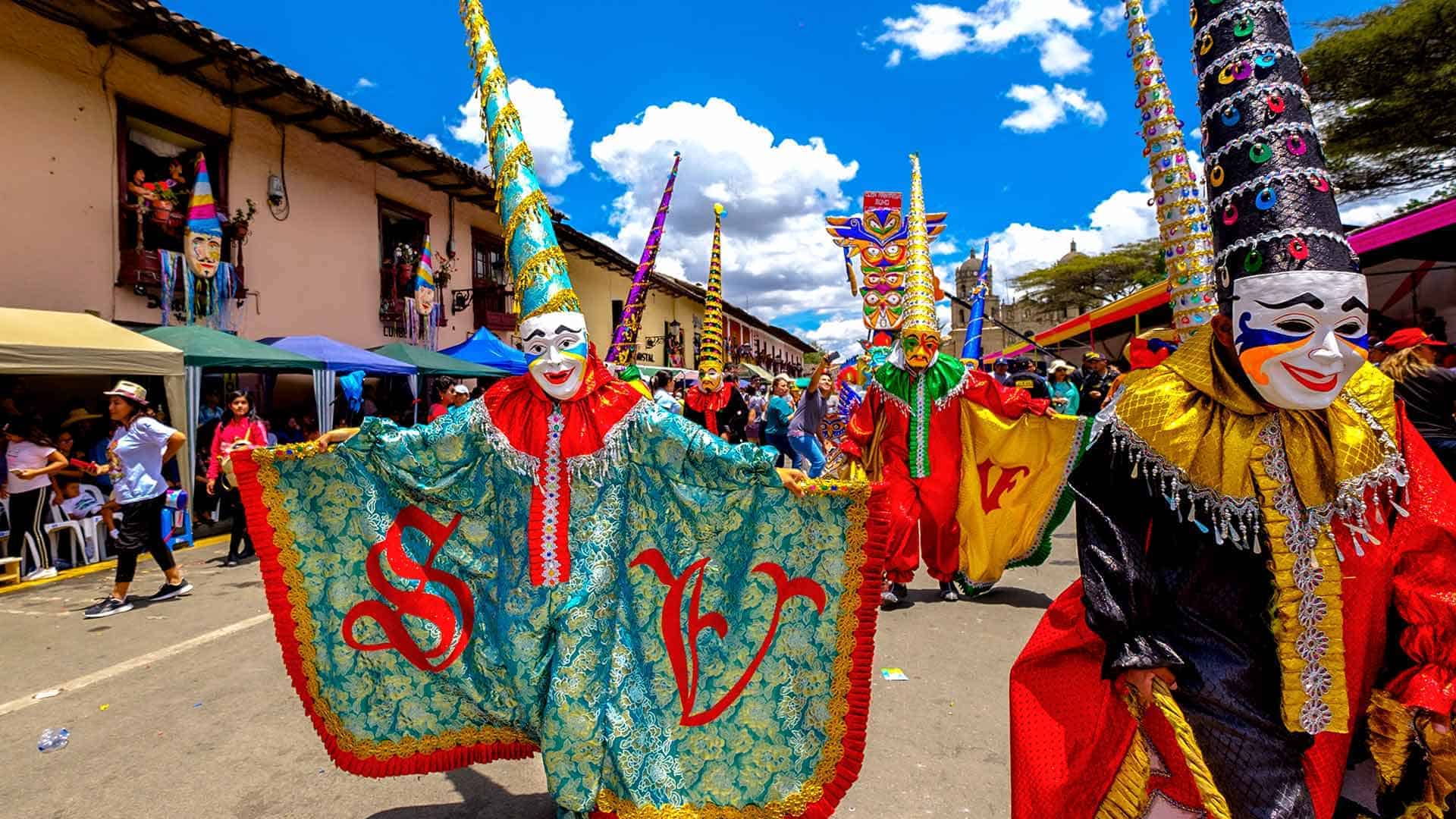
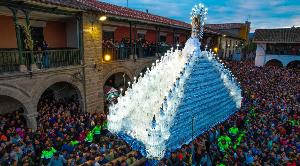
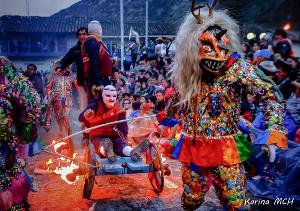
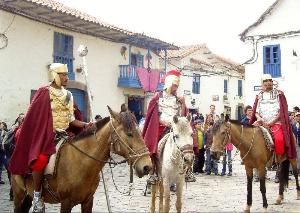
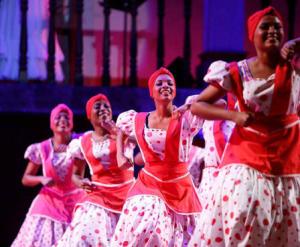
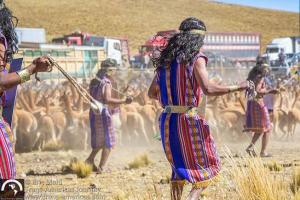
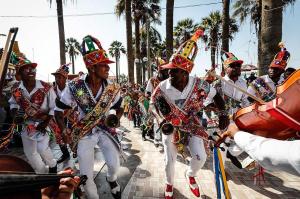
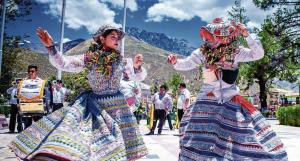
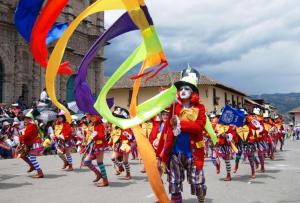
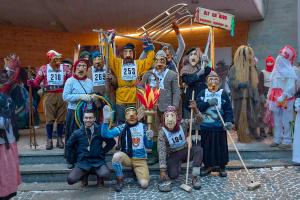
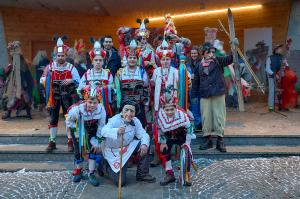
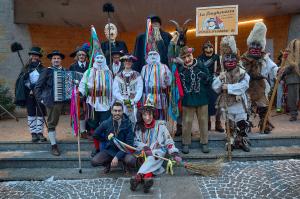
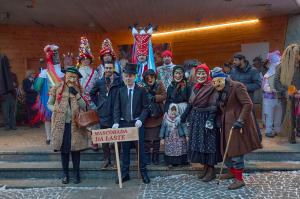
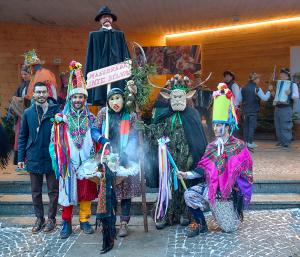
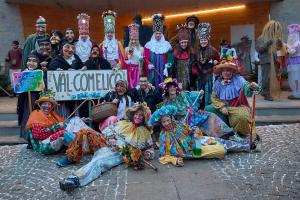
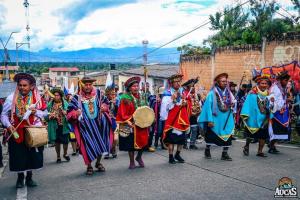
The Cajamarca Carnival Parade is one of Peru's most celebrated festive traditions and is widely regarded as the country's most representative carnival celebration. It takes place in the city of Cajamarca, located in the northern Peruvian Highlands, where neighborhoods, families, musicians, dancers, artisans, and visitors collectively transform the city into a vibrant cultural space filled with music, costumes, dance, and public celebrations. Although carnival festivities have European origins associated with the period preceding Lent, the Cajamarca Carnival has evolved into a distinctive cultural expression that blends Spanish colonial influences with local Andean traditions. The modern form of the festival became firmly established during the early twentieth century and has since become one of the strongest symbols of Cajamarca's regional identity.
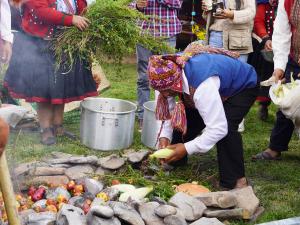
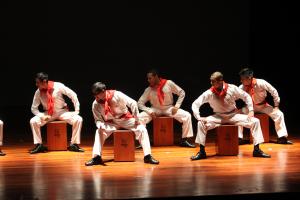
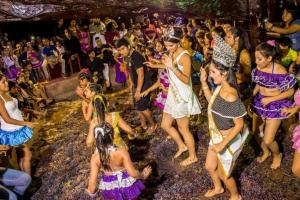
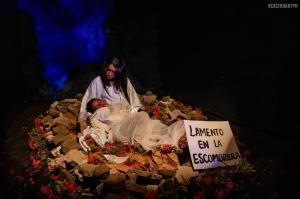
The celebration is held every year between February and early March, depending on the Christian liturgical calendar. Preparations begin several weeks in advance as neighborhoods organize comparsas (dance troupes) and patrullas (traditional carnival groups), design elaborate costumes, rehearse music and dances, and prepare decorative floats for the main parade. One of the central figures of the celebration is Ño Carnavalón, a symbolic character representing the spirit of joy and abundance, who ceremonially "arrives" to inaugurate the festivities and is later honored through a symbolic funeral and burial marking the end of Carnival and the beginning of Lent. Throughout the celebration, participants perform traditional songs known as coplas, dance in the streets, engage in playful exchanges of water and colored paint, and celebrate with local gastronomy and traditional beverages.
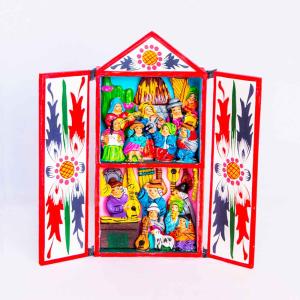
Today, the Cajamarca Carnival Parade serves not only as a festive event but also as an important vehicle for transmitting cultural knowledge and reinforcing community identity across generations. The celebration encourages collaboration among residents from different neighborhoods, who work collectively to create costumes, choreographies, musical performances, and artistic displays that are presented during the parade. It also contributes significantly to the local economy by attracting thousands of domestic and international visitors each year while promoting traditional music, craftsmanship, and regional customs. Through its combination of communal participation, artistic creativity, oral traditions, and festive rituals, the Cajamarca Carnival Parade remains one of Peru's most vibrant examples of living intangible cultural heritage.
07-24-2026
| Institutional and human capacities | The safeguarding of the Cajamarca Carnival Parade relies primarily on the collective efforts of local communities, neighborhood groups, musicians, dancers, artisans, and cultural practitioners who organize the celebration each year. Their knowledge and experience ensure the continuity of traditional music, dance, costume-making, float construction, and festive customs associated with the carnival. Public institutions, including local and regional cultural authorities, contribute by supporting the organization of cultural activities, facilitating public spaces, promoting the celebration, and encouraging the preservation of its cultural significance as an important element of Cajamarca's regional identity. | |
| Transmission and education | Knowledge related to the Cajamarca Carnival Parade is transmitted mainly through active participation within families, neighborhoods, schools, and community organizations. Children and young people gradually become involved by learning carnival songs, dances, costume preparation, and other festive practices through observation and direct participation. Educational institutions and cultural initiatives frequently incorporate carnival-related activities into artistic and cultural programs, helping younger generations understand the historical, social, and cultural importance of the celebration while encouraging continued participation. | |
| Inventorying and research | Knowledge related to the Cajamarca Carnival Parade is transmitted mainly through active participation within families, neighborhoods, schools, and community organizations. Children and young people gradually become involved by learning carnival songs, dances, costume preparation, and other festive practices through observation and direct participation. Educational institutions and cultural initiatives frequently incorporate carnival-related activities into artistic and cultural programs, helping younger generations understand the historical, social, and cultural importance of the celebration while encouraging continued participation. | |
| Policies as well as legal and administrative measures | Knowledge related to the Cajamarca Carnival Parade is transmitted mainly through active participation within families, neighborhoods, schools, and community organizations. Children and young people gradually become involved by learning carnival songs, dances, costume preparation, and other festive practices through observation and direct participation. Educational institutions and cultural initiatives frequently incorporate carnival-related activities into artistic and cultural programs, helping younger generations understand the historical, social, and cultural importance of the celebration while encouraging continued participation. | |
| Role of intangible cultural heritage and its safeguarding in society | The Cajamarca Carnival Parade reinforces community identity by bringing together residents of different generations through shared artistic and festive activities. Its preparation promotes cooperation, creativity, and collective responsibility, strengthening social cohesion across neighborhoods. Beyond its cultural value, the celebration contributes to local economic activity by generating opportunities for artisans, musicians, costume makers, food vendors, tourism services, and other cultural industries closely connected with the festival. | |
| Awareness raising | The celebration receives broad visibility through local media, cultural campaigns, educational activities, and tourism promotion, increasing public appreciation of Cajamarca's cultural traditions both nationally and internationally. Photographic documentation, digital media, cultural exhibitions, and public performances also contribute to raising awareness of the carnival's historical significance and encourage respect for Peru's diverse intangible cultural heritage. | |
| Engagement of communities, groups and individuals as well as other stakeholders | The organization of the carnival depends on the active participation of neighborhood residents, musicians, dancers, artisans, educational institutions, local authorities, businesses, and volunteers who collaborate throughout the preparation and celebration. Community participation remains central to decision-making regarding artistic presentations, parade organization, costume design, musical performances, and the preservation of local customs, ensuring that the celebration continues to reflect community values and traditions. | |
| International engagement | The Cajamarca Carnival Parade has gained increasing international recognition through cultural tourism, academic exchange, and participation in cultural promotion initiatives highlighting Peru's intangible cultural heritage. Its visibility contributes to intercultural dialogue by allowing international visitors and researchers to experience the diversity of Andean festive traditions while encouraging greater appreciation of Peru's living cultural expressions. | |
| References | Ministry of Culture of Peru. Patrimonio Cultural Inmaterial del Perú. Regional Government of Cajamarca. Carnaval de Cajamarca. Municipality of Cajamarca. Cultural promotion and carnival information. UNESCO. Convention for the Safeguarding of the Intangible Cultural Heritage (2003). Academic publications on the history and cultural significance of the Cajamarca Carnival. |
|




.jpeg)


.png)

.jpeg)
.jpg)

.png)
.jpg)


_(31711258567).jpg)