
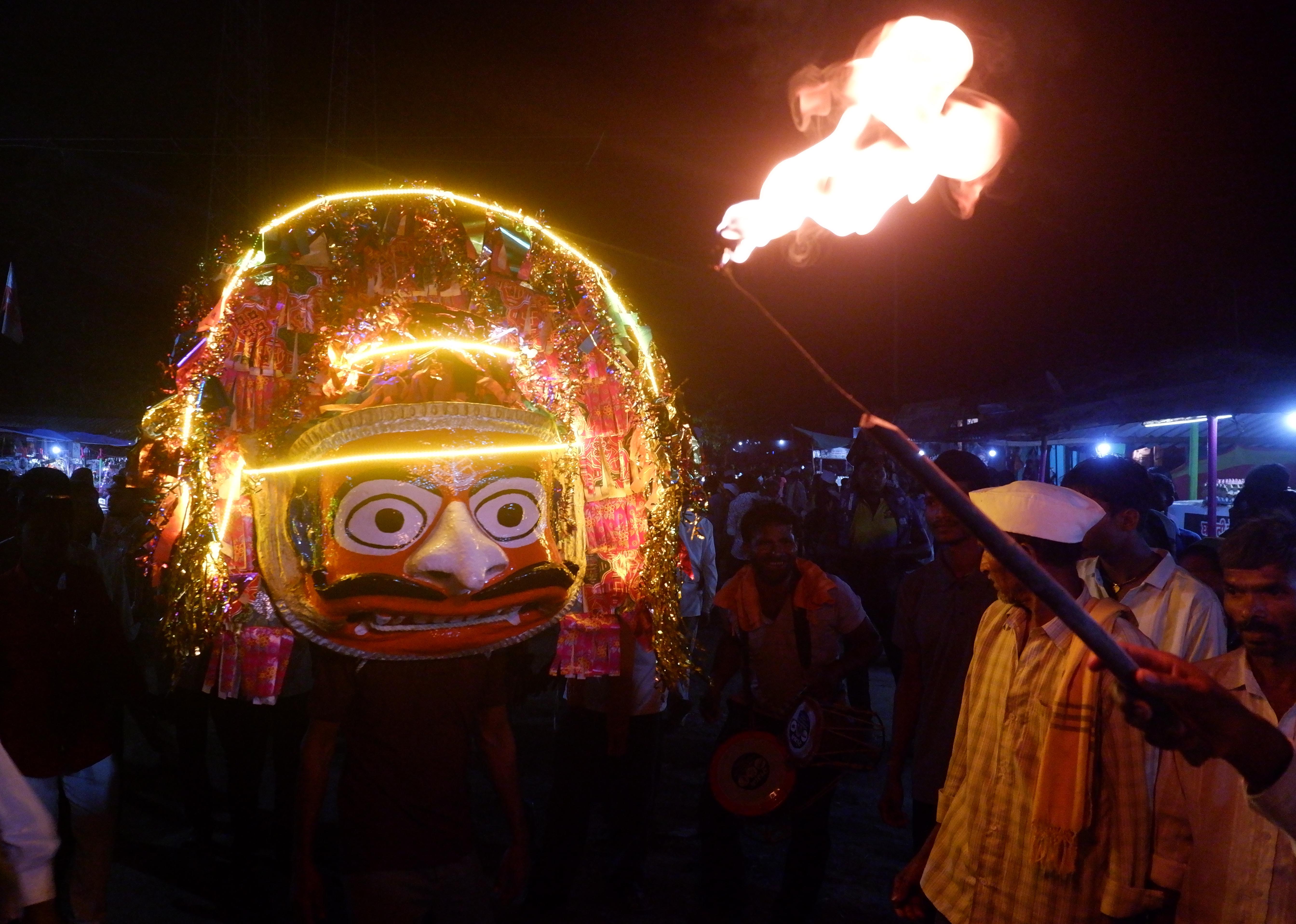
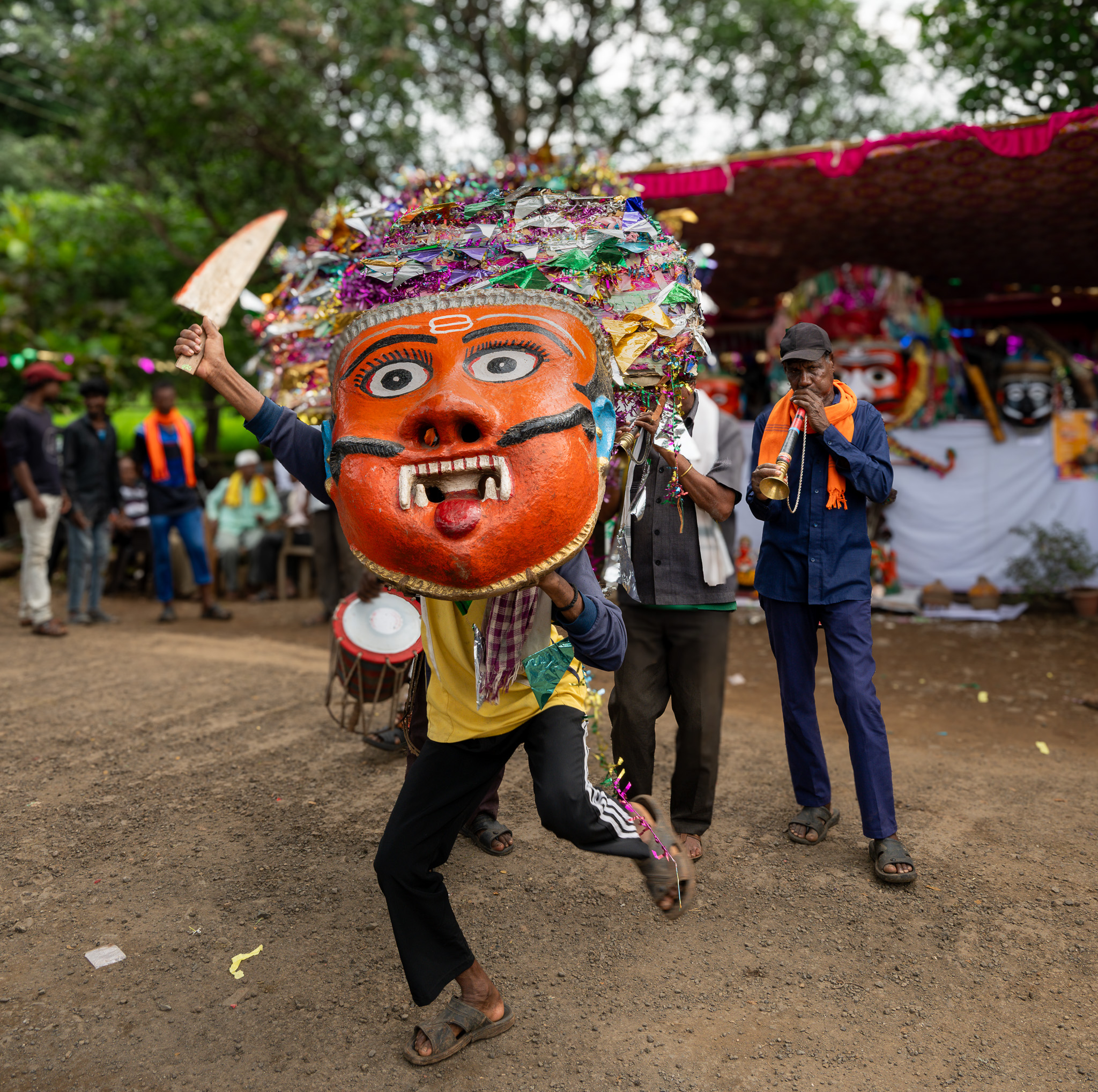
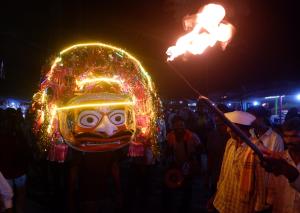
Bohada is a masked ritual theatre practiced by tribal communities living in Palghar, Thane and Nashik districts of Maharashtra state in western India. The tradition is sustained by the Kokna, Warli, Mahadev Koli, Malhar Koli, Dhor Koli, Thakar and Katkari communities. living in villages like Pimpalsond, Barhe, Mokhada and many others. The festival occurs after harvest , usually between the months of March to May. It lasts for three days in most villages, extending up to a fortnight in some.
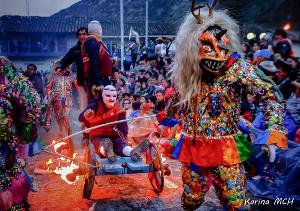
Ritually, Bohada is performed to please Goddess Adimata or Bhavani to protect the village from calamities, to invoke auspiciousness, ensure good rains and harvest, and to reaffirm collective well-being. The core performance re-enacts the victory of Goddess Jagdamba over Mahishasura, embodying the triumph of protective forces. Her mask is venerated on the third day and presented with a grand feast. Through night long processions, music, oral narration and stylised movement, the village becomes a shared ritual space where myth, ecology and identity are performed.
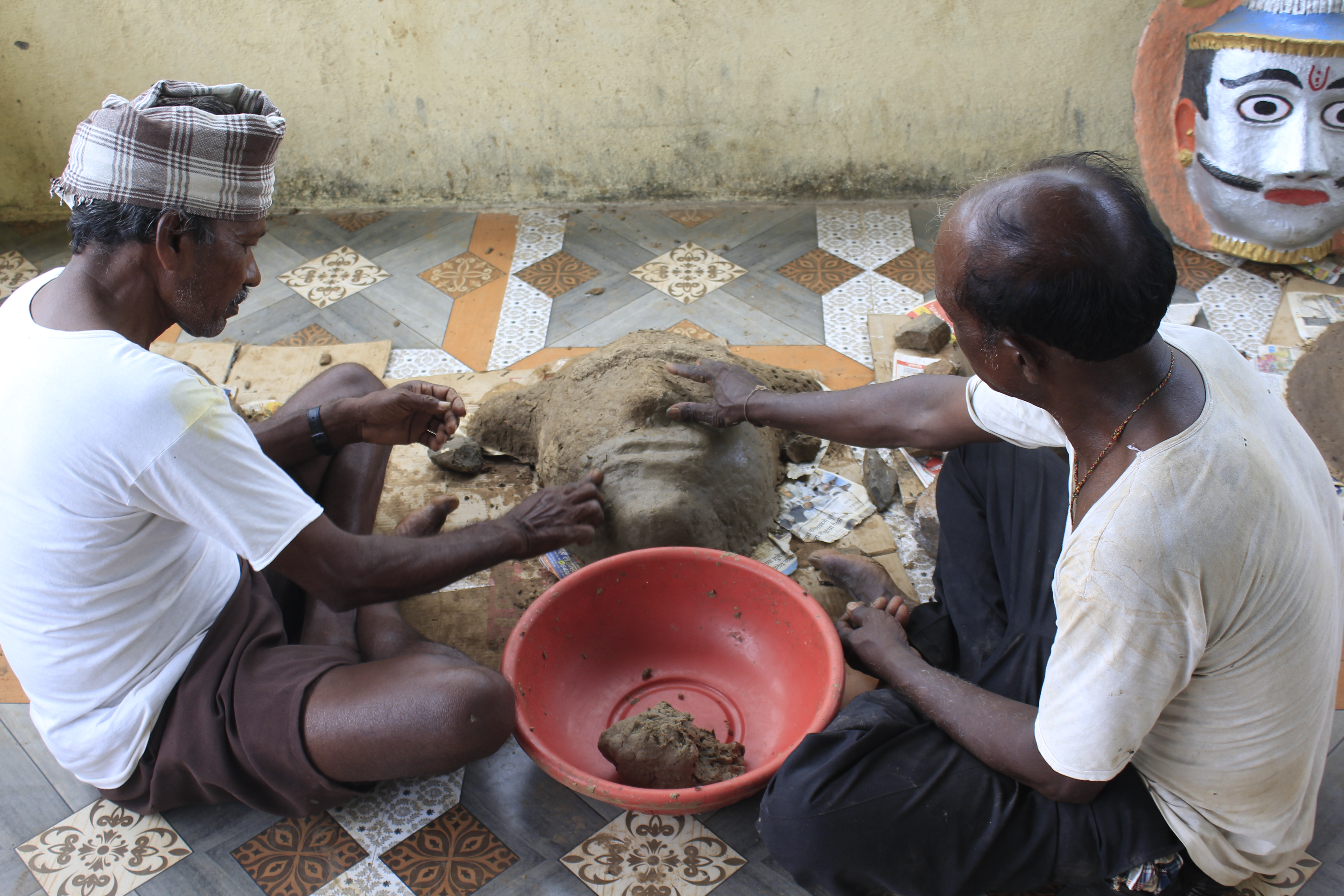
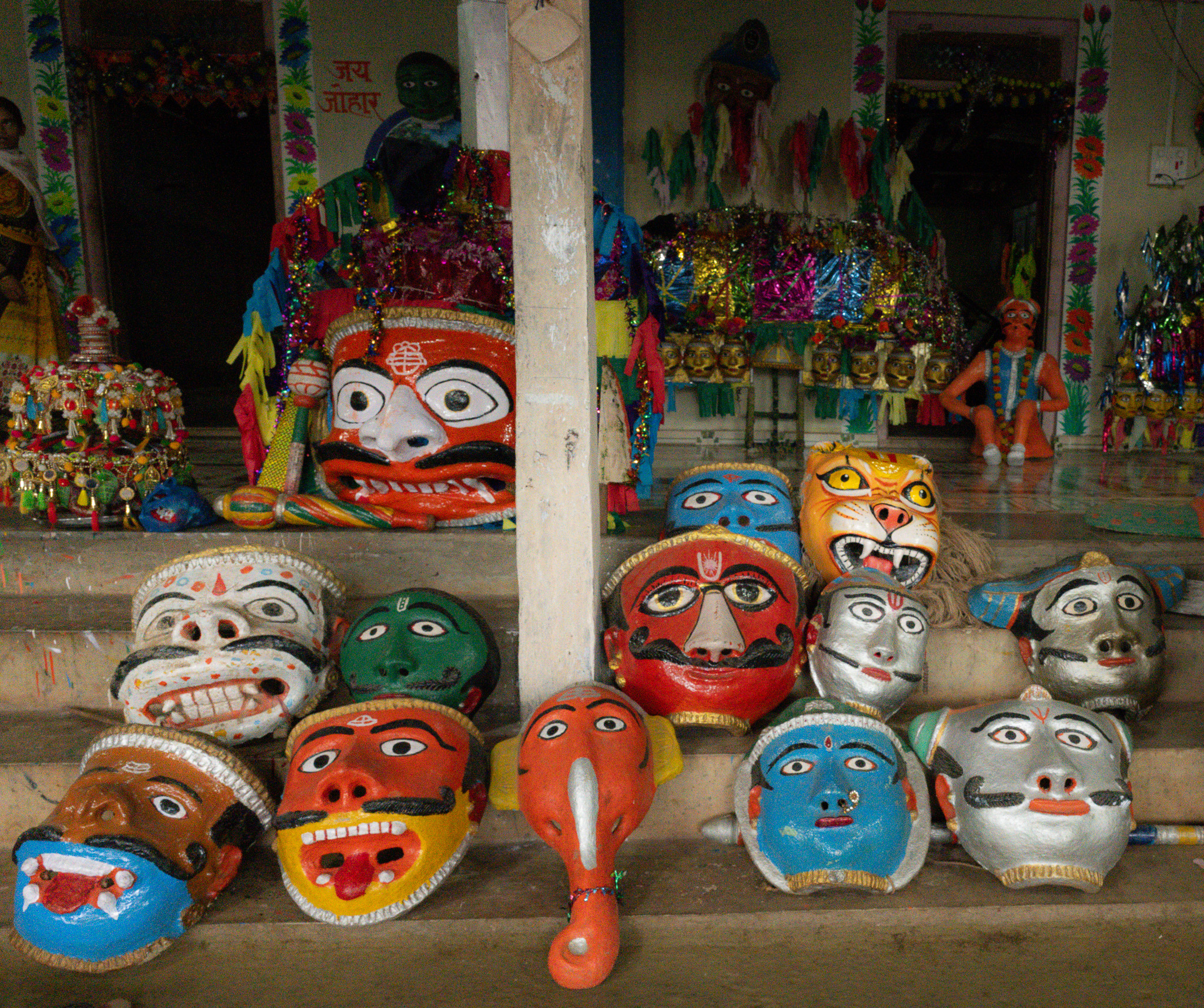
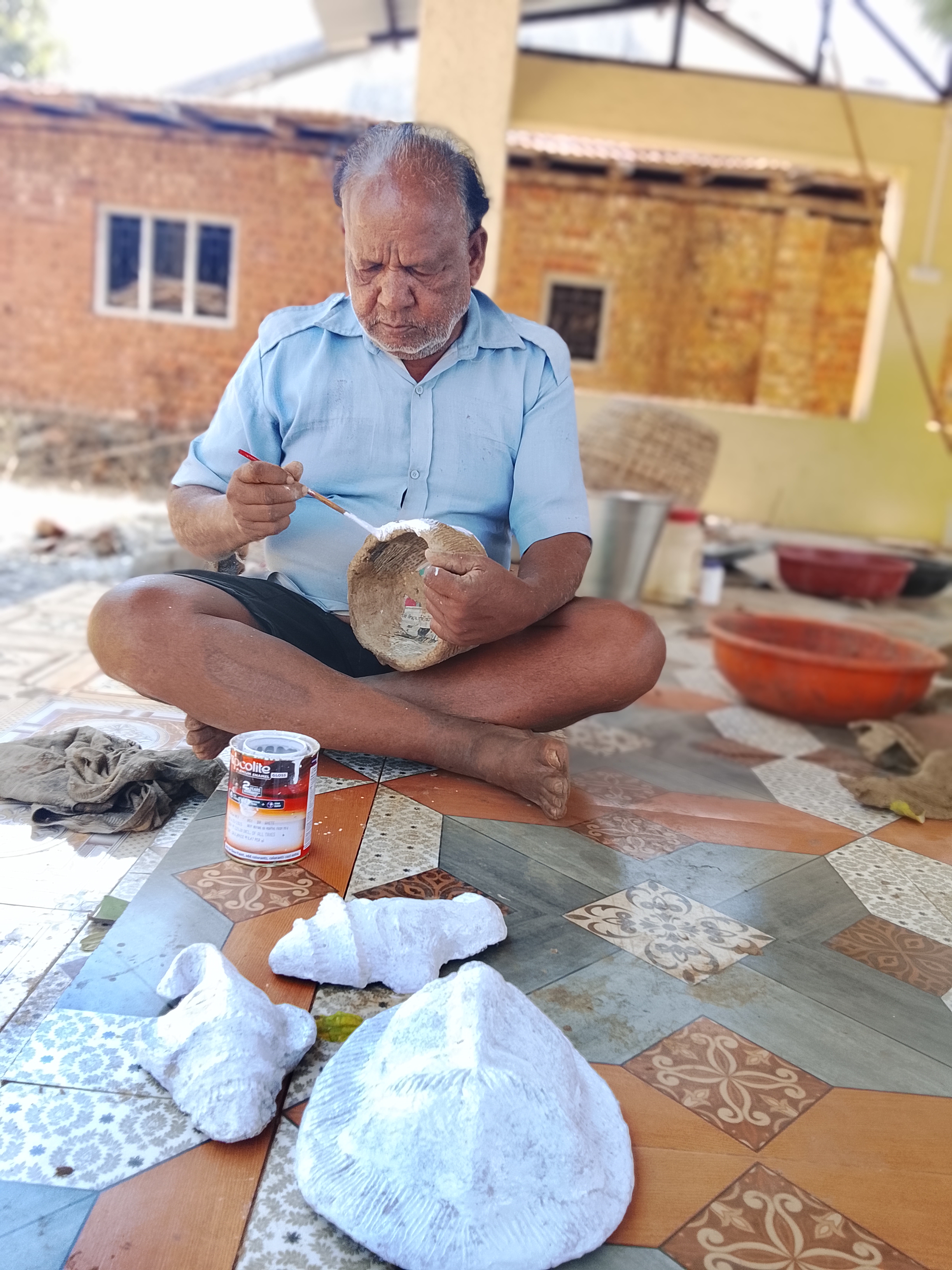
Central to Bohada are large handcrafted masks, ‘songas’ made of layered paper pulp, clay and natural pigments. Up to 60 characters drawn from tribal cosmology and Hindu epics are enacted, including ‘Suryadev’ as ‘Sun God’, ‘Chanddev’ as ‘Moon God’, ‘Ardhanarishwar’ as ‘Man-Lion’, ‘Hanuman’ as ‘Monkey God’ and animal totems ‘Vaghdev’ as tiger, ‘Mhashya as buffalo’ and ‘Bail’ as bull. Masks are brought out one by one, beginning with deities, then demons, followed by the rest. Demon masks do not represent evil forces as tribal belief holds they are predecessors offering reverence to the gods.
07-17-2026
| Institutional and human capacities | The practice is sustained by community knowledge holders, hereditary mask making families, performers, musicians and elders from the Warli, Kokna, Mahadev Koli and other communities. Community based ‘Bohada Samiti’ or Bohada Council at village level organises the festival. Mask custodianship is hereditary, individual families maintain specific deity masks and oversee annual repainting, ritual storage and worship. There are only around ten families who are actively involved mask making and repair. The local self-government often takes active interest in facilitating the festival. | |
| Transmission and education | Bohada knowledge has traditionally been transmitted through oral instruction, observation and participation within families and hamlets, including craft techniques for papier-mache mask-making, ritual protocols for worship and procession, oral narratives of mask characters, and performative practices of dance and music. Social change and shifting aspirations among younger generations have affected intergenerational transmission, prompting structured mentorship and skill-sharing initiatives for continuity. | |
| Inventorying and research | The element has been documented through practice-based research focusing on mask typologies, crafting processes, oral narratives and ritual contexts. | |
| Policies as well as legal and administrative measures | Bohada does not currently fall under a dedicated legal protection framework for intangible cultural heritage. It has received administrative support through cultural preservation and tourism related initiatives. The Department of Tourism, Government of Maharashtra is working to develop the villages of mask makers as cultural destinations. Community workshops on diversification, including design adaptation from ritual to decorative masks, quality standardisation, product innovation and tourism interpretation are being undertaken by Contact Base with the support of Maharashtra Tourism Development Corporation to improve economic viability while respecting ritual contexts. These measures align with broader state policy objectives related to heritage promotion, tribal welfare and livelihood linked safeguarding. | |
| Role of intangible cultural heritage and its safeguarding in society | Bohada reinforces cultural identity, spiritual belief systems, ecological knowledge tied to the agricultural calendar and collective memory within indigenous communities. As both thanksgiving to the village deity and social theatre, it reaffirms tribal identity and seasonal rhythms, particularly where displacement and social change have reduced practice. Its safeguarding supports social cohesion and cultural continuity. | |
| Awareness raising | Awareness of Bohada has been enhanced through village-led festivals, exhibitions, workshops and educational outreach in Palghar and Nashik. These initiatives increase visibility while maintaining respect for ritual context and symbolic significance of masks. Local district based ICH Festival has been supported by MTDC for providing further visibility to the artists, the art form and the associated villages. | |
| Engagement of communities, groups and individuals as well as other stakeholders | Safeguarding efforts remain community led and involve artisans, performers, elders, youth groups, NGOs and cultural practitioners. Participatory approaches guide decisions related to documentation, transmission and engagement with external audiences. The village-level ‘Bohada Samiti’ mechanism ensures community consent, cultural specificity and equitable representation of mask holding families. Additionally, because of MTDC's initiative of developing ICH based tourism, tourism stakeholders such as hoteliers, government officials and local youth are also becoming involved. | |
| International engagement | At present, Bohada remains primarily a regionally practiced form of intangible cultural heritage in the tribal belt of Maharashtra. | |
| References | Tadvalkar, N. and Abbas, R. (2020) ‘Bohada: A Mask Dance Ritual of Adivasis in Thane District’, in Deshpande, P. and Khare, A. (eds.) Journal of the Asiatic Society of Mumbai. Vols. 80–90 (2015–2017). Mumbai: The Asiatic Society of Mumbai, pp. 169–176. https://heritagevillagesmtdc.com/experience/bohada-mask/ |
|











.jpeg)




.png)





.jpeg)
.jpg)



.png)
.jpg)


_(31711258567).jpg)