
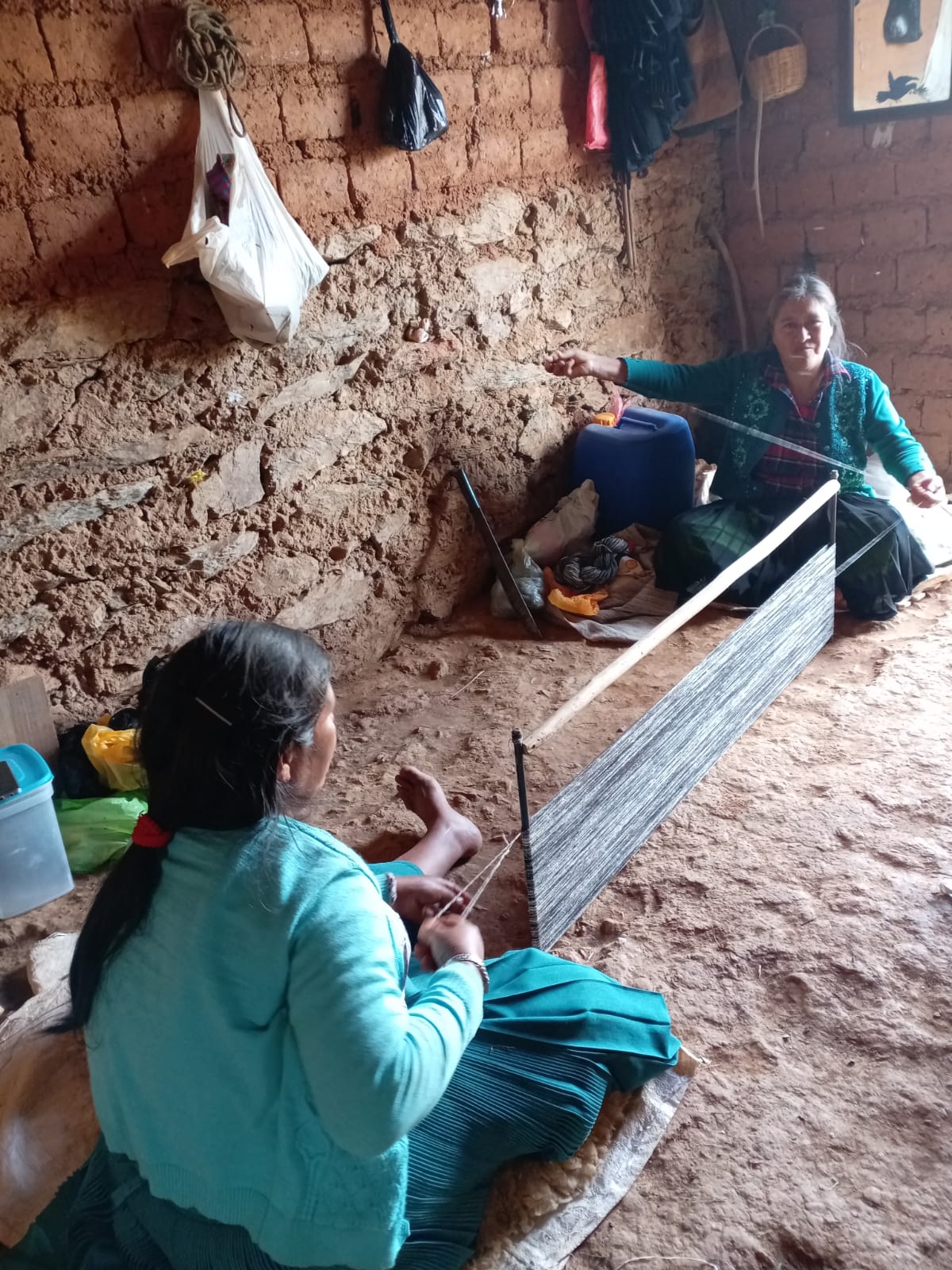
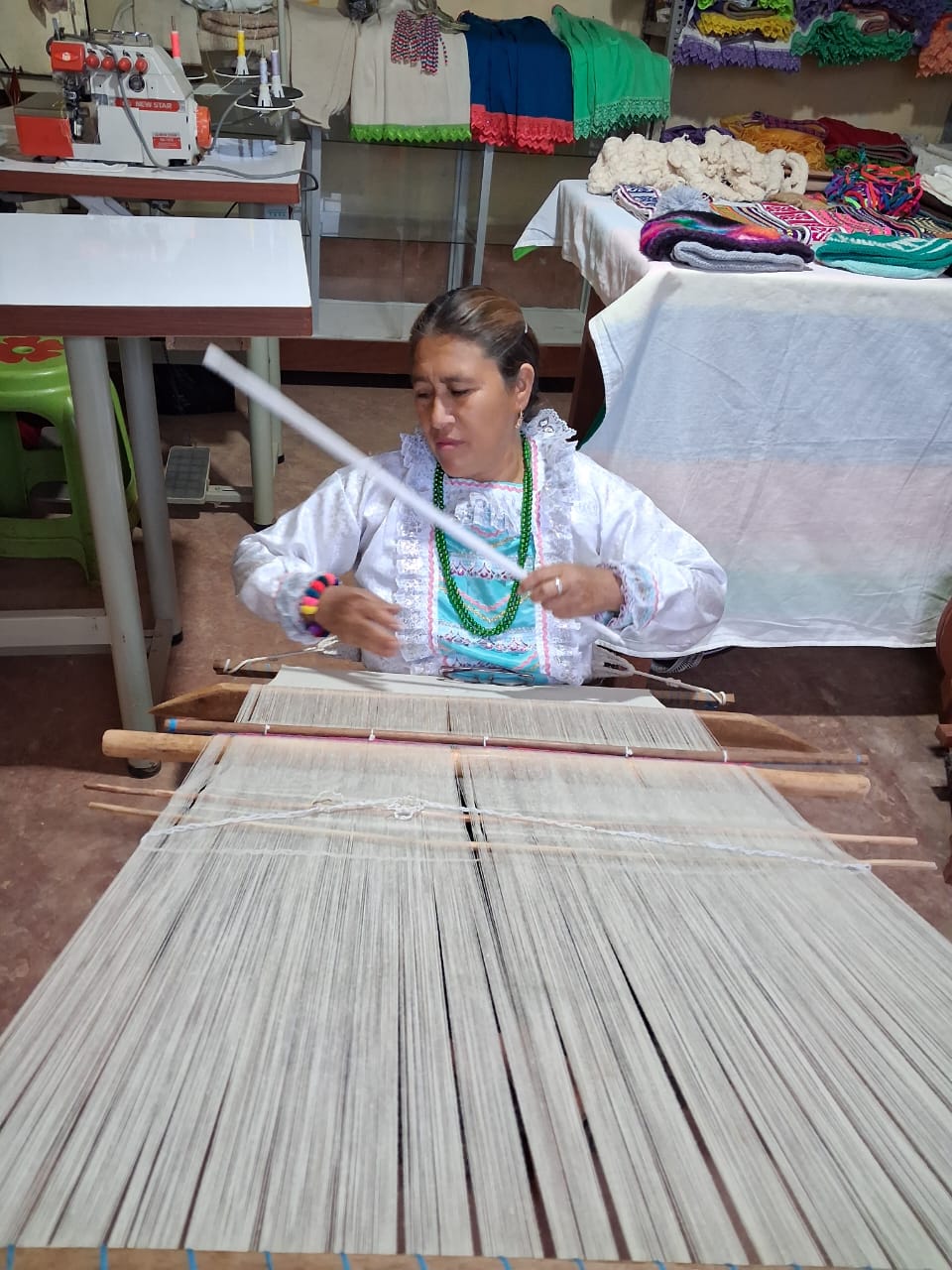
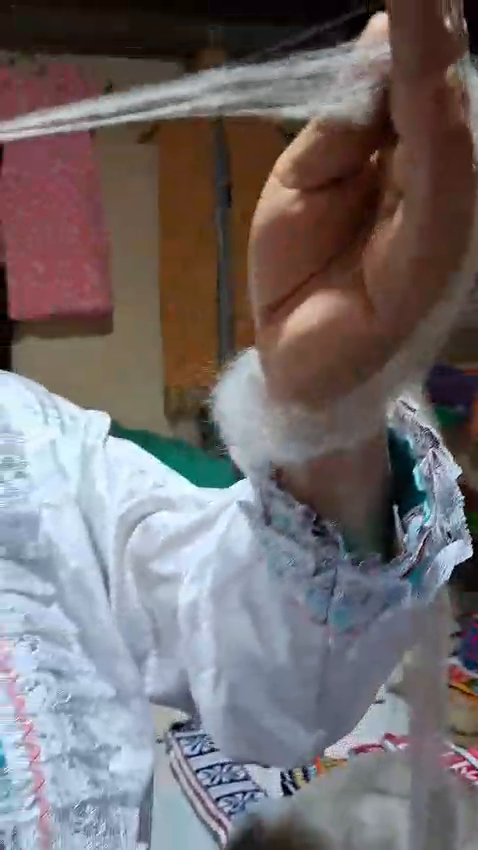
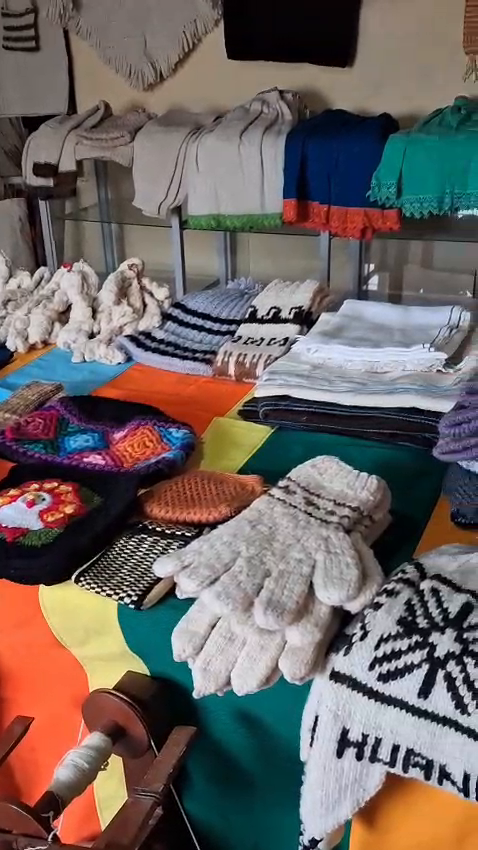
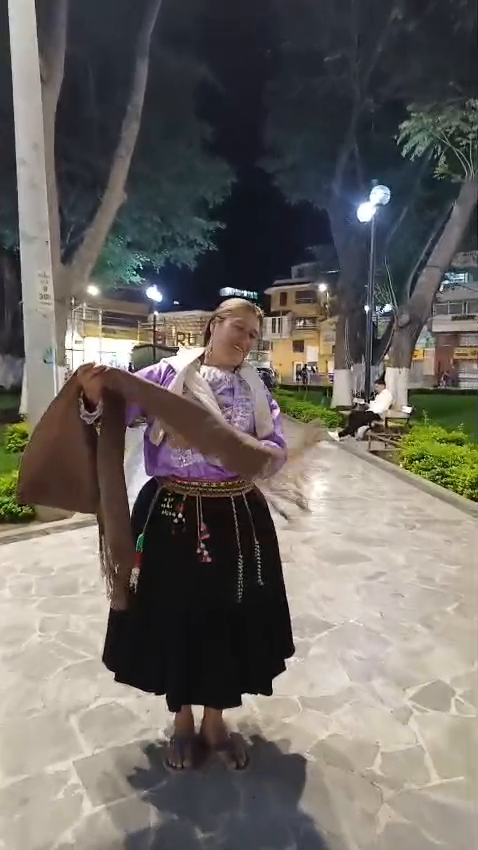
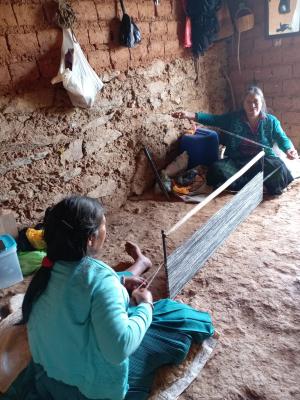
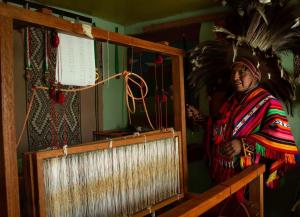
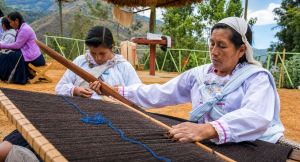
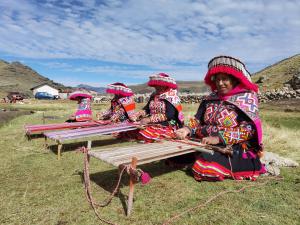
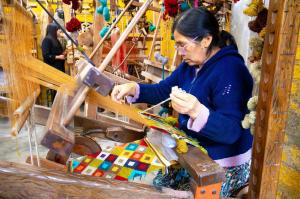
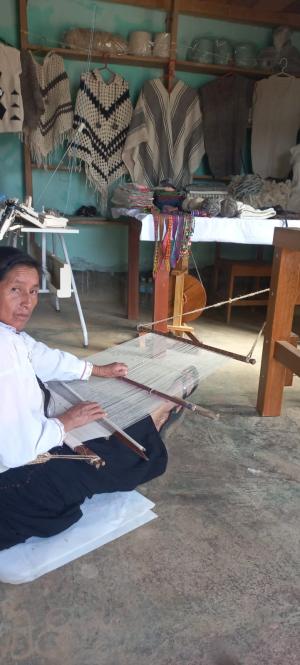
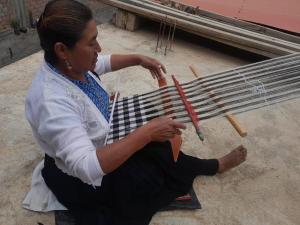
Crestina Jara Vega is a Peruvian textile artisan from Huánuco who specializes in the creation of traditional white blankets using the ancestral backstrap loom technique. Her work is based on knowledge transmitted from generation to generation and contributes to the safeguarding of intangible cultural heritage.
Through handmade weaving, the selection of fibers, ancestral designs, and manual finishes, she preserves a textile tradition that reflects the cultural identity of her community. Her practice includes the production of white blankets, table runners, and decorative textiles.
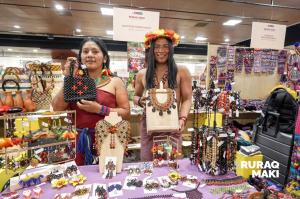
Crestina also promotes this heritage through artisan fairs, demonstrations, workshops, and cultural dissemination spaces, where she shares the cultural value and production process of traditional textiles with the public and younger generations.
06-02-2026
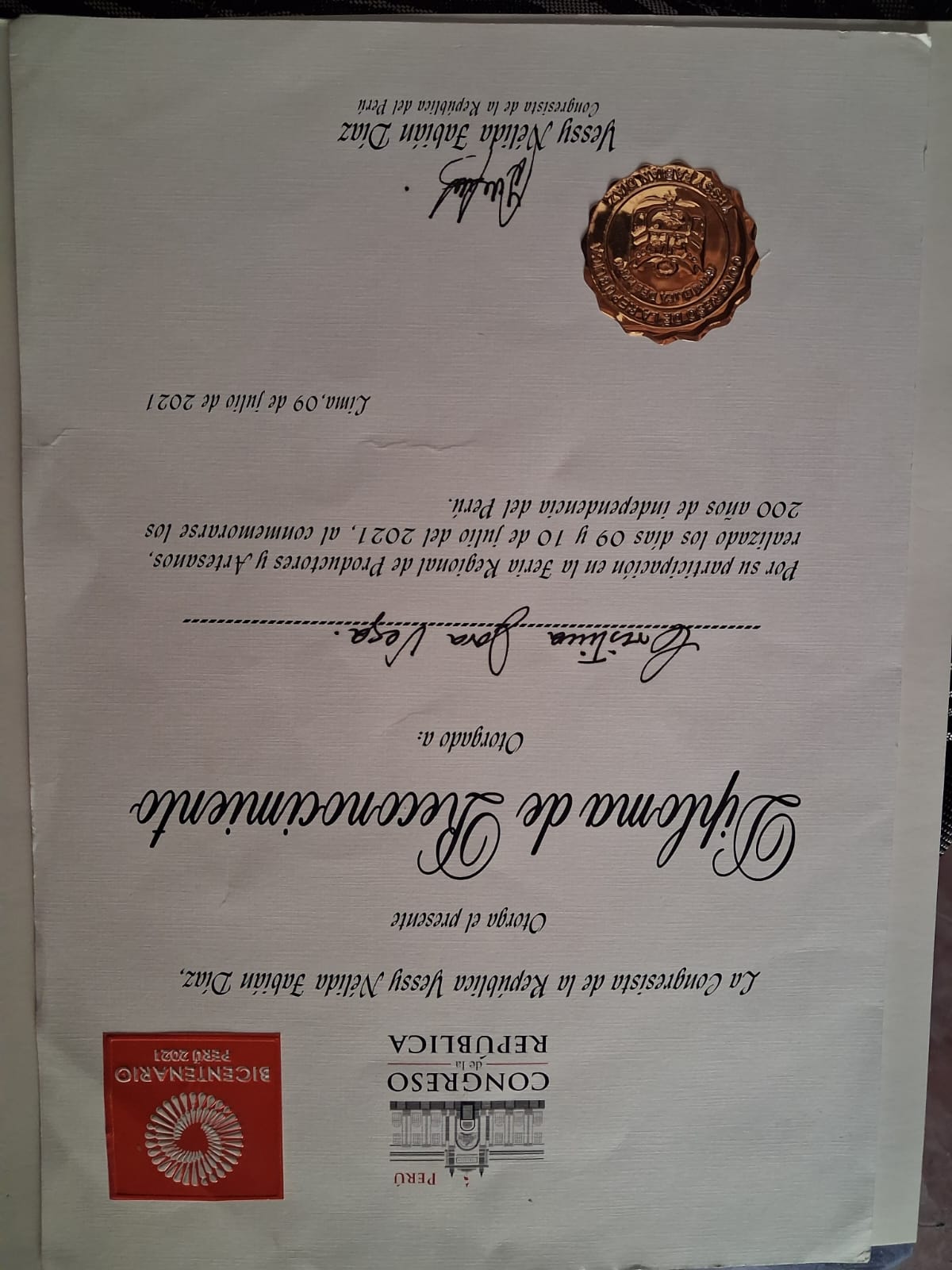
| Institutional and human capacities | Crestina Jara Vega has more than 10 years of experience in textile art. She specializes in backstrap loom weaving, handmade textile production, and manual finishing techniques. Her knowledge comes from family and ancestral transmission, and she continues to share it with family members, young people, other artisans, and interested community members. She has participated in local and regional artisan fairs and has established connections with institutions from the artisanal and cultural sector. Her experience, technical skills, and community participation demonstrate strong human capacities for the safeguarding and transmission of traditional textile knowledge | |
| Transmission and education | The transmission of Crestina’s knowledge takes place mainly through informal education. She teaches through practical demonstrations, direct participation, observation, and hands-on learning. She shares techniques related to backstrap loom weaving, fiber selection, traditional design, and manual finishes with family members, youth, artisans, and interested individuals. Through workshops, fairs, and community spaces, she explains both the technical process and the cultural meaning of white blankets. This form of transmission helps strengthen the continuity of the tradition and encourages younger generations to value and preserve their cultural heritage. | |
| Inventorying and research | Crestina does not currently have a formal inventory of her intangible cultural heritage practice. However, she keeps a basic record of her designs, techniques, production processes, and the cultural meanings associated with white blankets. Her work contributes to the documentation of traditional textile knowledge by preserving information about materials, weaving methods, patterns, and cultural values. Creating an inventory on the ICH NGO Network platform would help organize and share this information more formally. Further research could include historical background, local terminology, symbolic meanings, community uses, and the number of current practitioners. | |
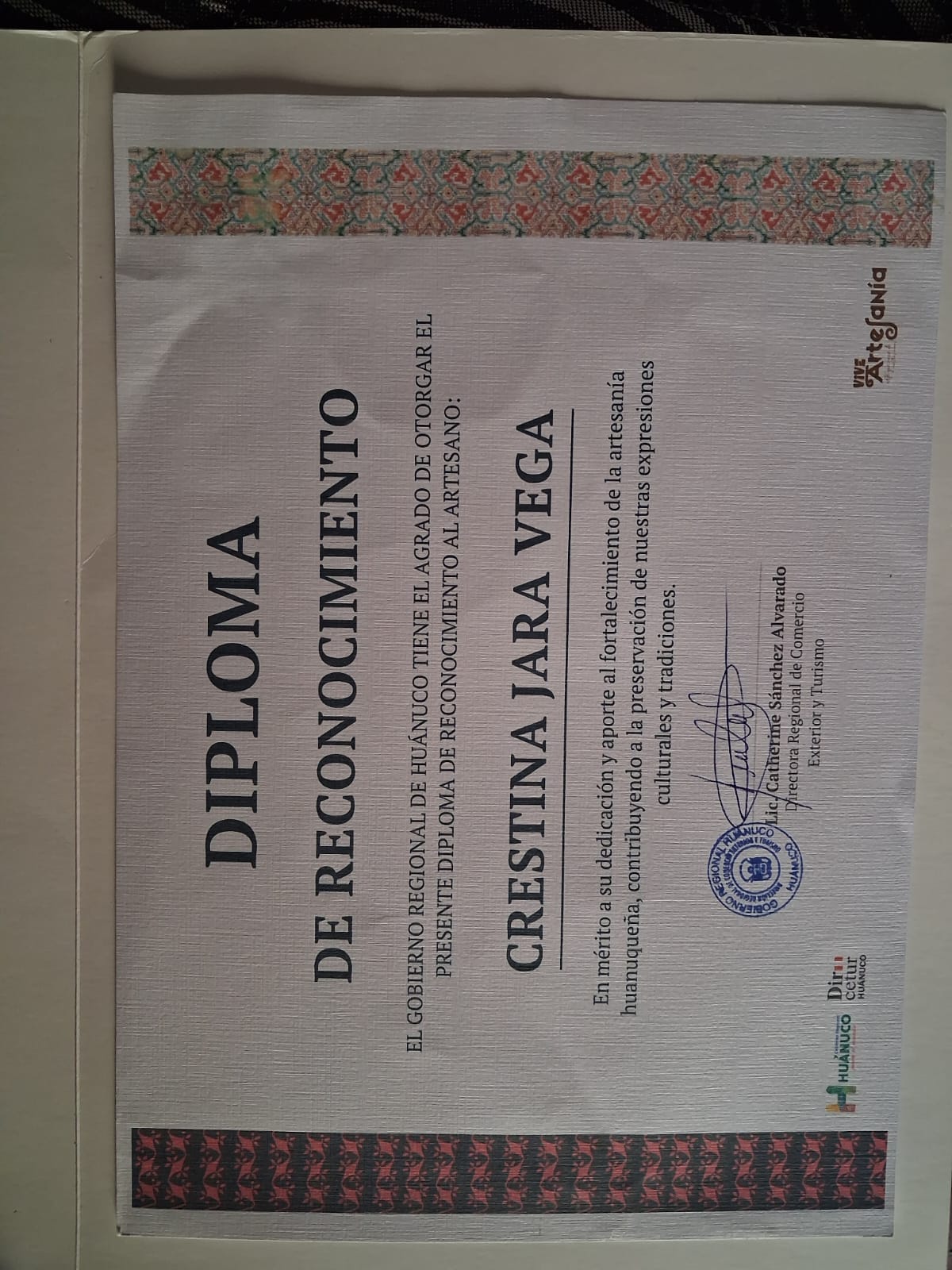
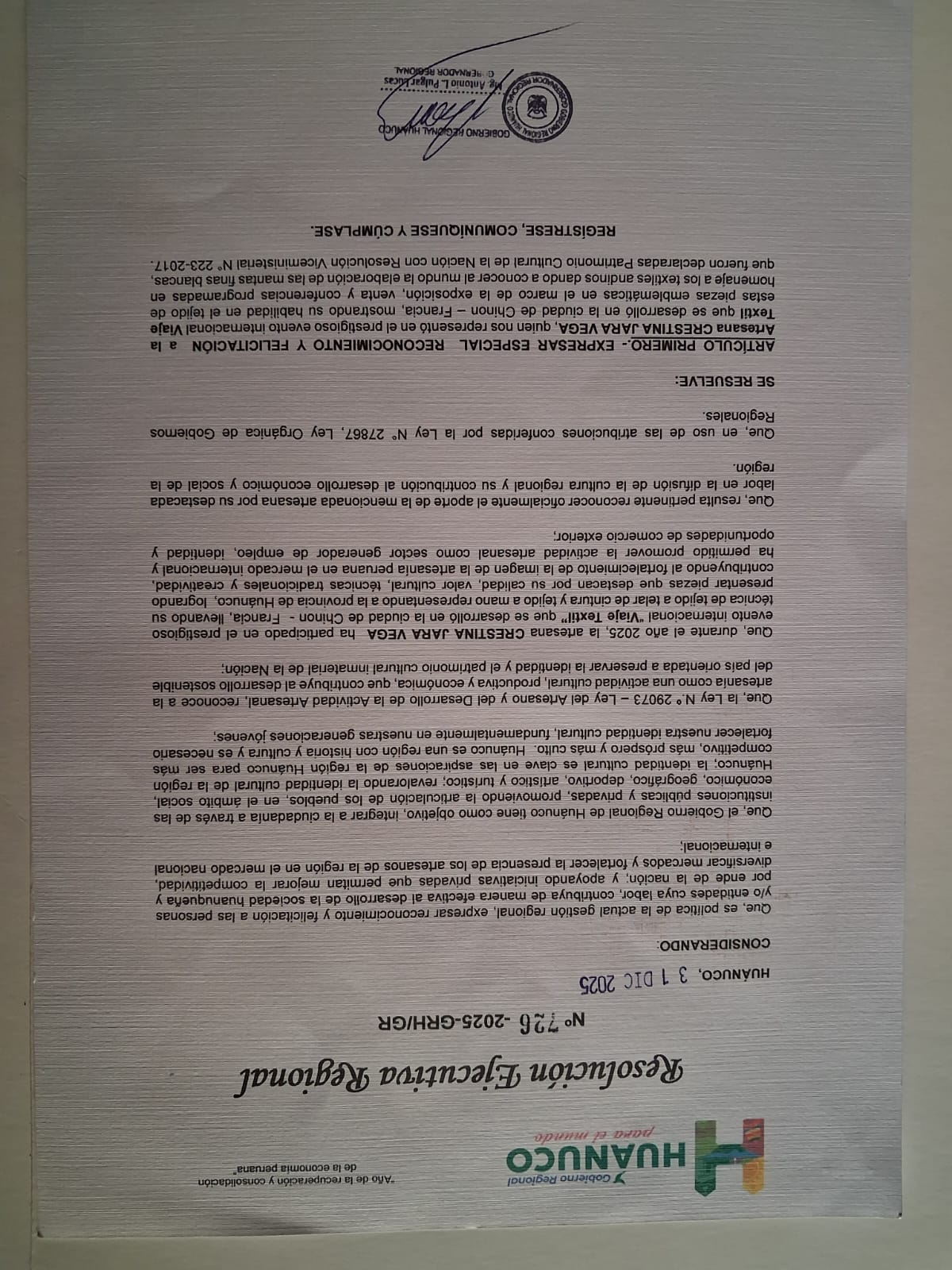
| Policies as well as legal and administrative measures | Crestina’s work is supported directly and indirectly by public policies and initiatives that promote cultural heritage, artisan development, training, fairs, and cultural dissemination. Her participation in local and regional artisan fairs helps strengthen the visibility and continuity of white blanket weaving. She has also received recognition through Regional Executive Resolution No. 726-2025-GRH/GR for her participation in the international event “TEXTILE TRIP” held in Chinon, France. These measures contribute to the recognition of traditional knowledge and support the safeguarding of textile heritage. | |
| Role of intangible cultural heritage and its safeguarding in society | The traditional weaving of white blankets plays an important role in strengthening cultural identity, preserving ancestral knowledge, and connecting present generations with the history of Huánuco. Crestina’s work contributes to the family and local economy while promoting appreciation for handmade textile traditions. Her practice creates spaces for learning, exchange, and cooperation among artisans, families, young people, and the wider community. Safeguarding this heritage helps preserve cultural diversity, strengthen local identity, and keep traditional knowledge alive for future generations. | |
| Awareness raising | Crestina raises awareness about the value of traditional white blankets through artisan fairs, exhibitions, demonstrations, and cultural dissemination activities. In these spaces, she presents her textiles, explains the production process, and shares the importance of backstrap loom weaving as a living cultural practice. Her work helps the public understand that white blankets are not only handmade products, but also expressions of memory, identity, and tradition. Her message can be summarized in the phrase included in her CV: “To weave is to keep our history, our culture, and our traditions alive.” | |
| Engagement of communities, groups and individuals as well as other stakeholders | Community engagement is central to Crestina’s safeguarding work. She shares her knowledge with family members, young people, other artisans, and individuals interested in learning traditional textile techniques. Through workshops, fairs, demonstrations, and cultural spaces, she involves different people in the appreciation and continuity of white blanket weaving. Visitors, buyers, artisans, cultural promoters, and institutions from the artisanal and cultural sector also support the visibility of this practice. These forms of participation help ensure that the tradition remains active, meaningful, and connected to the community. | |
| International engagement | Crestina’s international engagement includes her participation in the international event “TEXTILE TRIP” held in Chinon, France. This participation was recognized through Regional Executive Resolution No. 726-2025-GRH/GR. This experience helped promote the visibility of traditional white blankets from Huánuco beyond Peru and opened opportunities for cultural exchange with other textile and heritage actors. Her work also has potential for further international projection through platforms such as ICH NGO Network, where her inventory can be shared with a global community of intangible cultural heritage bearers and organizations. | |
| References | Social Media: https://www.facebook.com/share/1G9ZrEfGYS/ tiktok.com/@cristina.jara.veg Support Documents:
|
|









.jpeg)



.png)





.jpeg)
.jpg)


.png)
.jpg)


_(31711258567).jpg)