
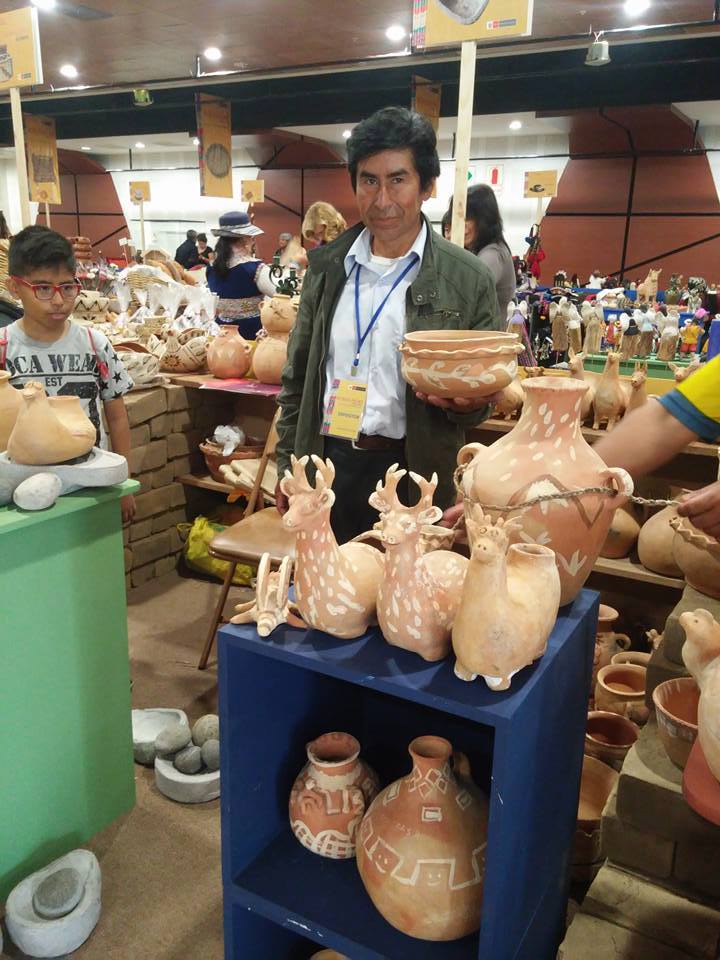
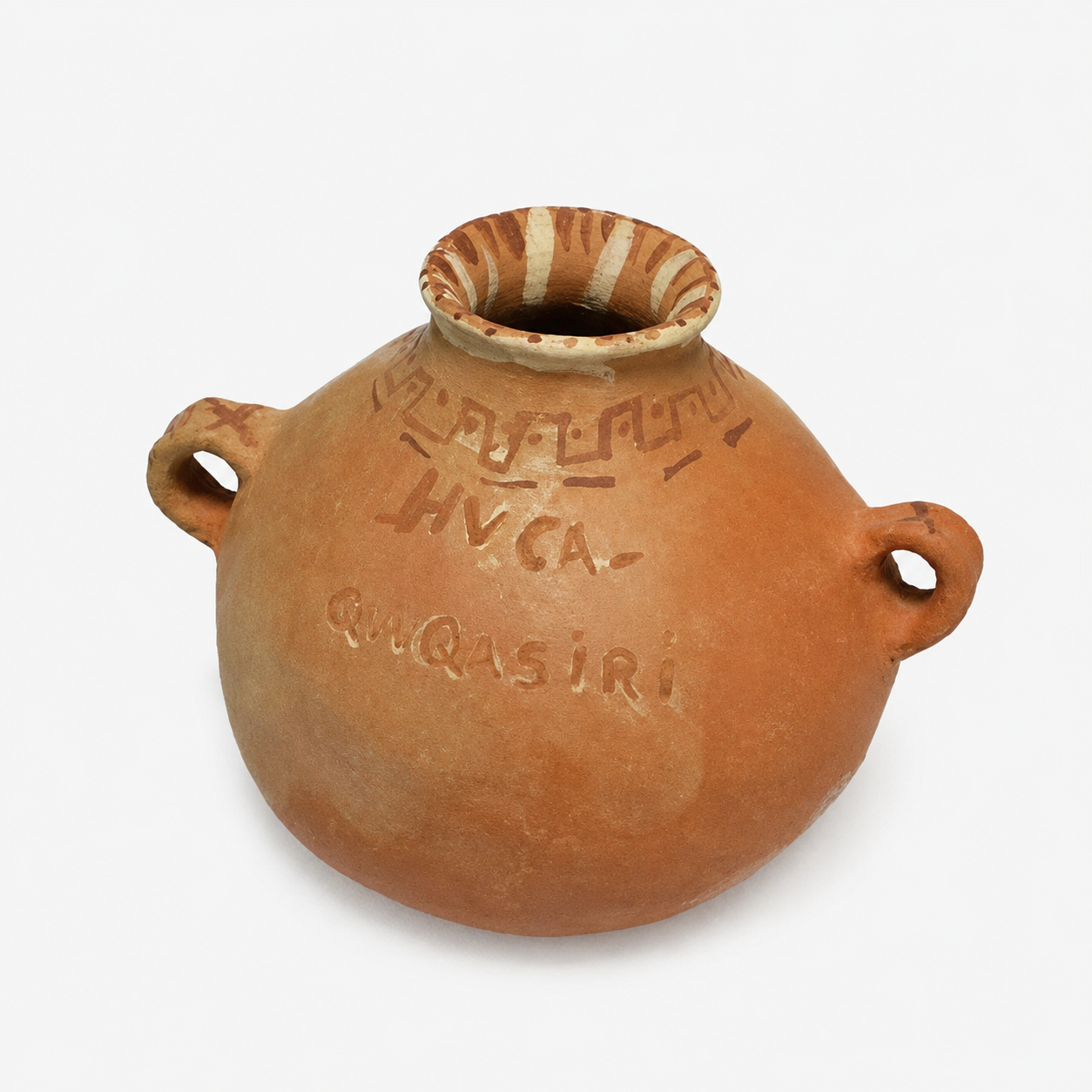
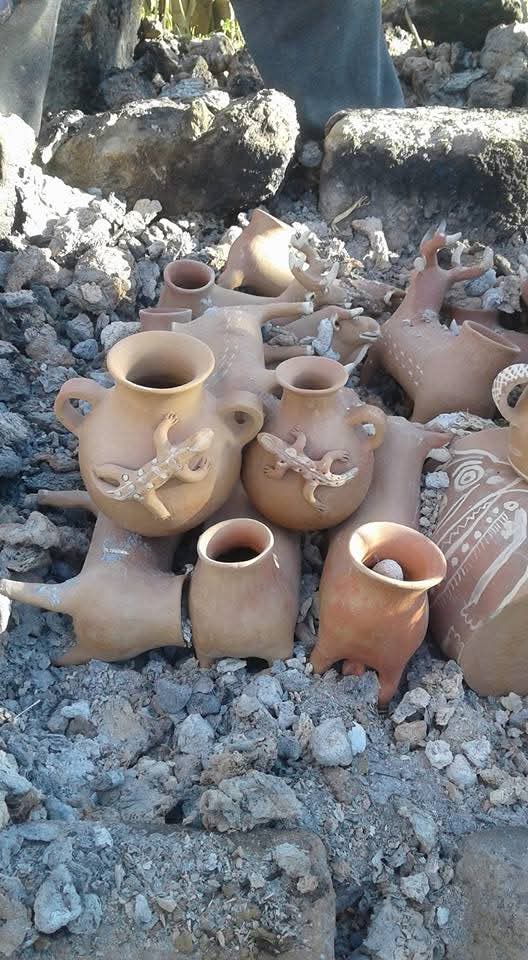
The traditional ceramics of Ccaccasiri express the diversity of pre-Hispanic pottery from the central highlands of Peru. Their production preserves techniques, forms, and styles inherited from previous generations, connected to daily life, rituals, festivities, and community practices.
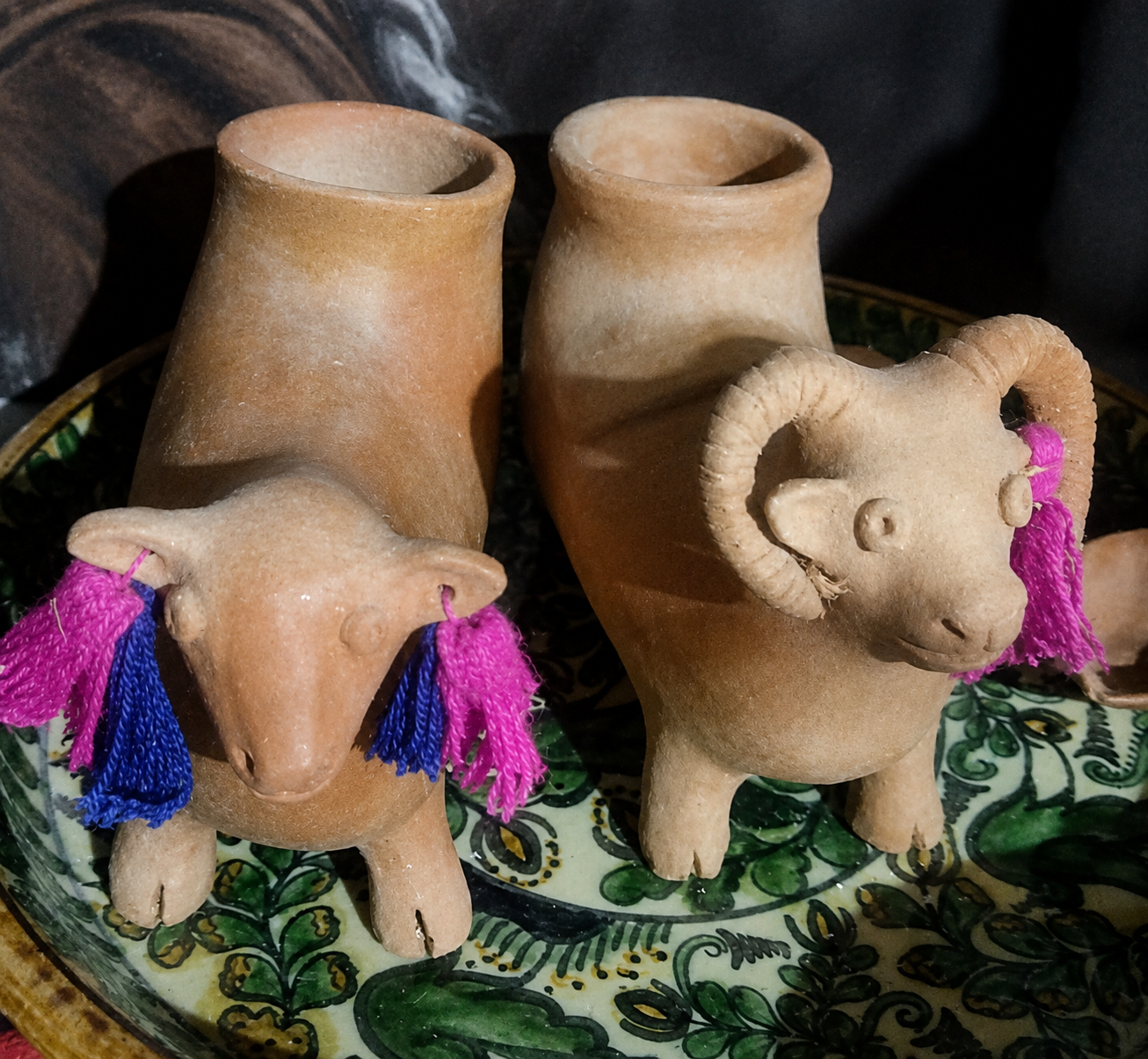
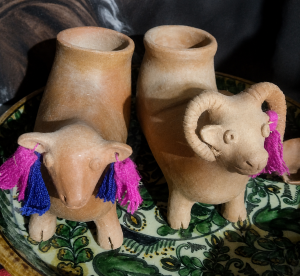
This tradition is characterized by the use of local clays, especially black and red clay, and other materials native to the territory, as well as by the manual creation of pieces inspired by pre-Hispanic models. These include pots, plates, urpus, water-carrying vessels, ceremonial cups, and pieces used in ritual and festive contexts.
05-22-2026
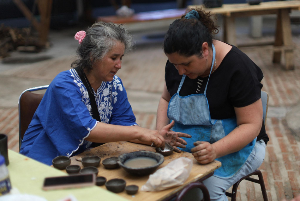
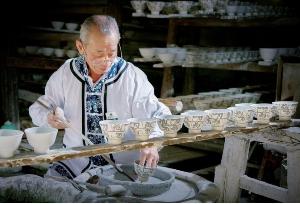
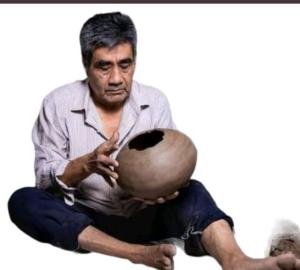
| Institutional and human capacities | Our work has been recognized at the regional and national levels for the quality of the materials we use, the distinctive style of our pieces, and the preservation of traditional features of Ccaccasiri ceramics. We work mainly with black and red clay, as well as other local materials. The pieces are made by hand, using a ceramic plate as a rotating base, similar to a traditional potter’s wheel. This technique allows us to shape a wide variety of pieces, many of them inspired by pre-Hispanic forms. We have practical knowledge accumulated over generations, as well as experience in producing a wide range of utilitarian, ritual, and decorative pieces. | |
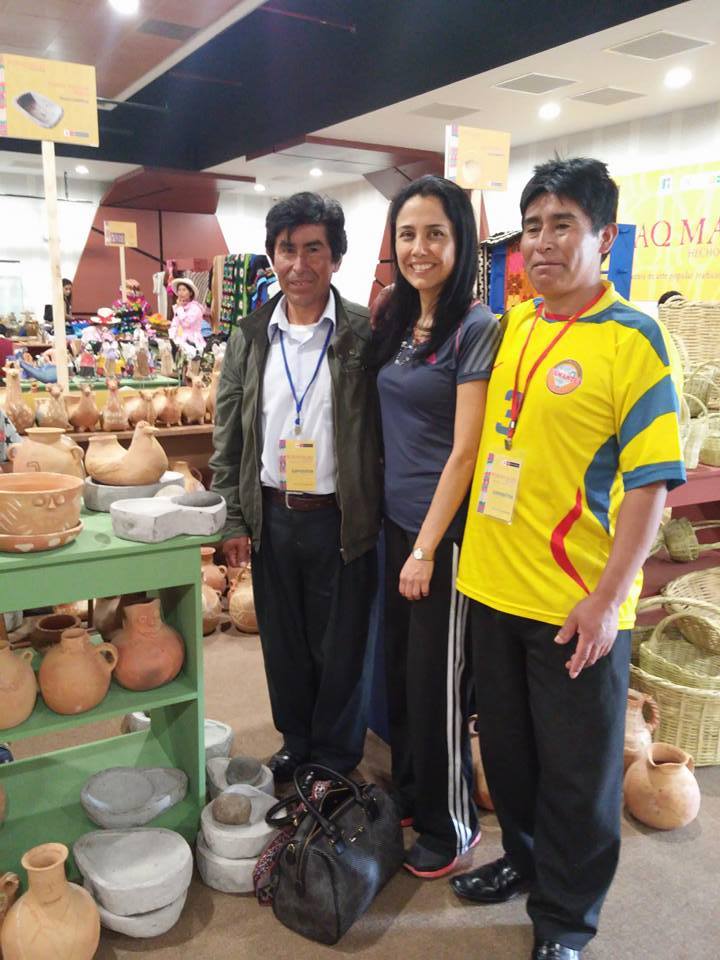
| Transmission and education | Knowledge of Ccaccasiri ceramics has been transmitted from generation to generation. In my case, I learned from my grandparents and my father, and today we pass on this knowledge within the family, as well as to other people interested in learning. So far, institutional support has been limited. We have received support from the Ministry of Culture through an exhibition stand, but we have not had permanent support from other institutions. For this reason, as a family, we are planning to create a teaching workshop with the aim of transmitting this knowledge to young people and others interested in learning the traditional ceramics of Ccaccasiri. | |
| Inventorying and research | We have a variety of traditional pieces, including: 1. Pots in four different models. 2. Tullpa or vicharra. 3. Plates. 4. Urpu, a vessel similar to an elongated jar, used to store chicha. 5. Tumin, a vessel used to carry water on the back. 6. Puyño or porongo, used to carry water by hand. 7. Ceremonial cup in the shape of an animal, used in rituals. 8. Matrimonial ponchera, used to serve or carry chicha on the table. 9. Toasters in two different models. 10. Alcarrazo or cup. 11. Casito or medium-sized tub. We have also conducted research on slips, natural colors, and techniques for working with a potter’s wheel. In addition, we have observed differences between our ceramics and those of neighboring villages, especially in relation to the durability of the pieces and the combinations of materials used. | |
| Policies as well as legal and administrative measures | Our main working policy is to preserve, transmit, and strengthen the traditional ceramics of Ccaccasiri. To achieve this, we consider it important to create a teaching workshop and to receive greater support from local, regional, and national institutions. In legal and administrative terms, I have a RUC tax identification number and issue sales receipts. In addition, I am registered in the National Registry of Artisans (RNA) and in the National Registry of Workers and Organizations of Culture and the Arts (RENTOCA). | |
| Role of intangible cultural heritage and its safeguarding in society | Ccaccasiri ceramics play an important role as intangible cultural heritage because they preserve knowledge, techniques, and values transmitted within the family and the community. At present, my family is committed to the continuity of this tradition. My children are completing higher education studies related to art, which strengthens our commitment to safeguarding this ceramic tradition. We also intend to request that the Ministry of Culture declare Ccaccasiri ceramics as cultural heritage, with the aim of protecting, raising awareness of, and transmitting this tradition to future generations. | |
| Awareness raising | We are currently in conversation with institutions of the Regional Government and with the Decentralized Directorate of Culture of Huancavelica, as well as with tourism agencies, in order to raise awareness of the importance of Ccaccasiri ceramics. We seek to sensitize the population to their cultural value, ecological benefits, and non-polluting nature, since they are made with natural materials. We also wish to highlight the added value of these pieces as expressions of local identity, memory, and creativity. | |
| Engagement of communities, groups and individuals as well as other stakeholders | Community participation takes place mainly through visits, orders, and the interest of some people in learning the technique. In many cases, when we do not have a specific requested piece available, a dialogue begins with visitors or buyers to explain the models, uses, and meanings of our ceramics. There is also interest from young people, families, and individuals connected to tourism and culture, who see this tradition as an opportunity to strengthen local identity and create new forms of transmission. | |
| International engagement | So far, we have not had international participation. This would be our first opportunity to present the traditional ceramics of Ccaccasiri in an international setting. We believe that this participation would make it possible to introduce the world to a living ceramic tradition from the central highlands of Peru, as well as to share our experience with other communities, artisans, and bearers of intangible cultural heritage. | |
| References | 1. “The Potter Family Cárdenas’s Perseverance” – Rumbos Magazine. A story of cultural resistance and family dedication, highlighting Amador Cárdenas’s commitment to keeping the pre-Hispanic pottery tradition of Acoria, Huancavelica, alive. https://share.google/qKjtXC7z9bsSKiGmi 2. “Cárdenas Quispe Family Workshop” – Ministry of Culture of Peru / Ruraq Maki. A reference to the Cárdenas Quispe brothers’ efforts to preserve, recover, and promote the ancestral pottery and stone-carving traditions of Ccaccasiri, while opening new opportunities for their community. https://share.google/yFLbSDPJ0PWKztmbp |
|









.jpeg)


.png)









.jpeg)
.jpg)


.png)
.jpg)


_(31711258567).jpg)