
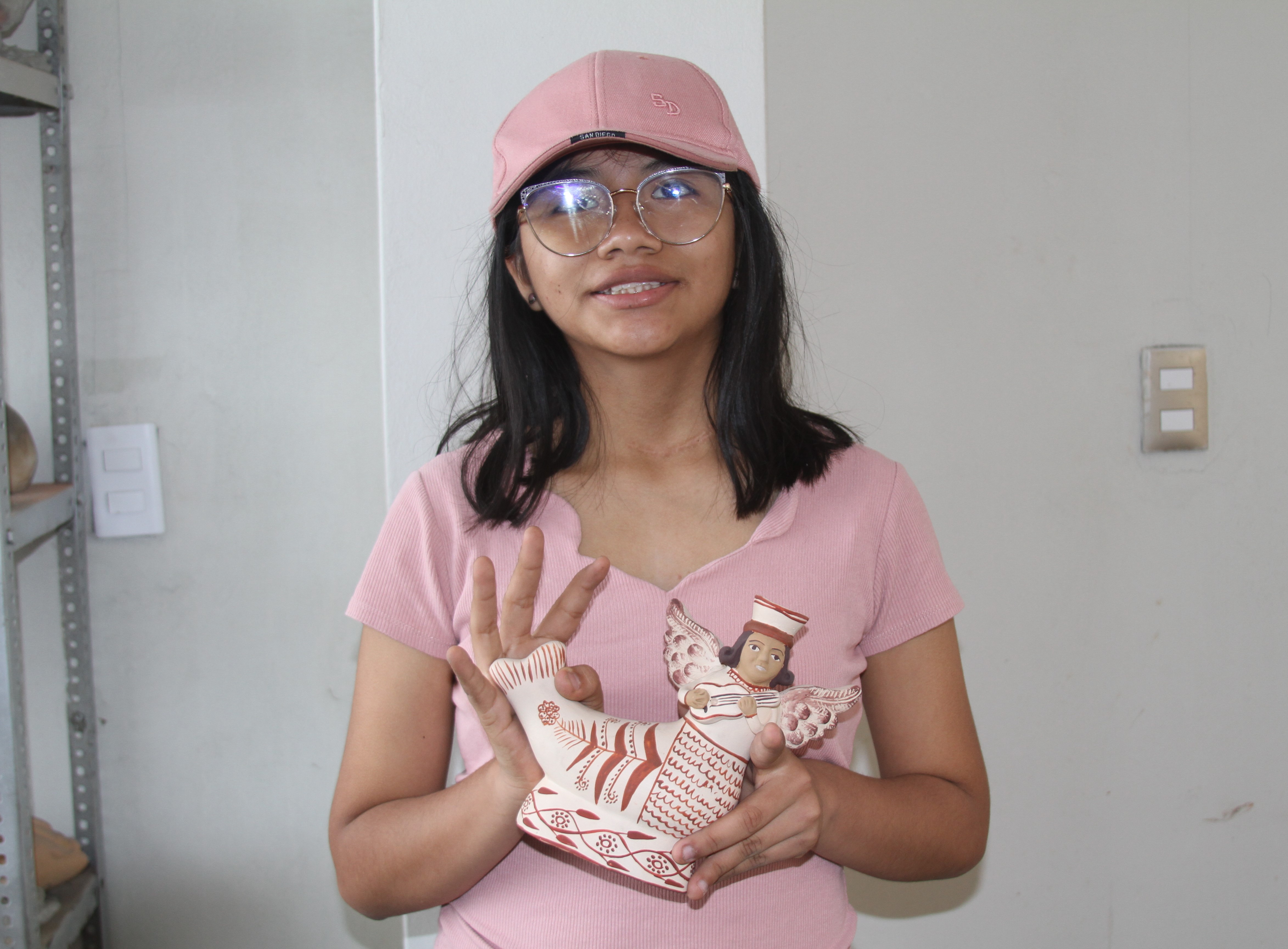
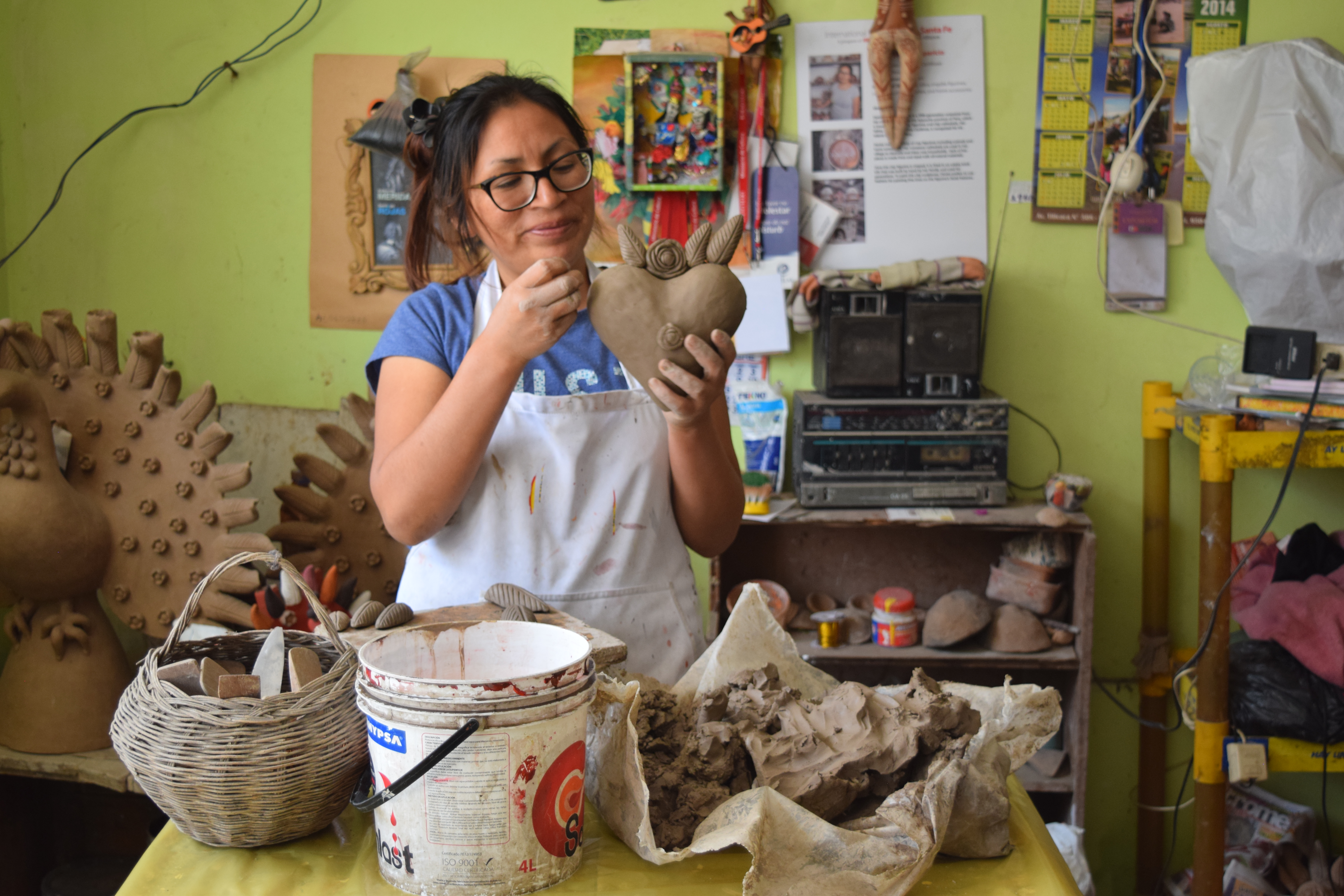
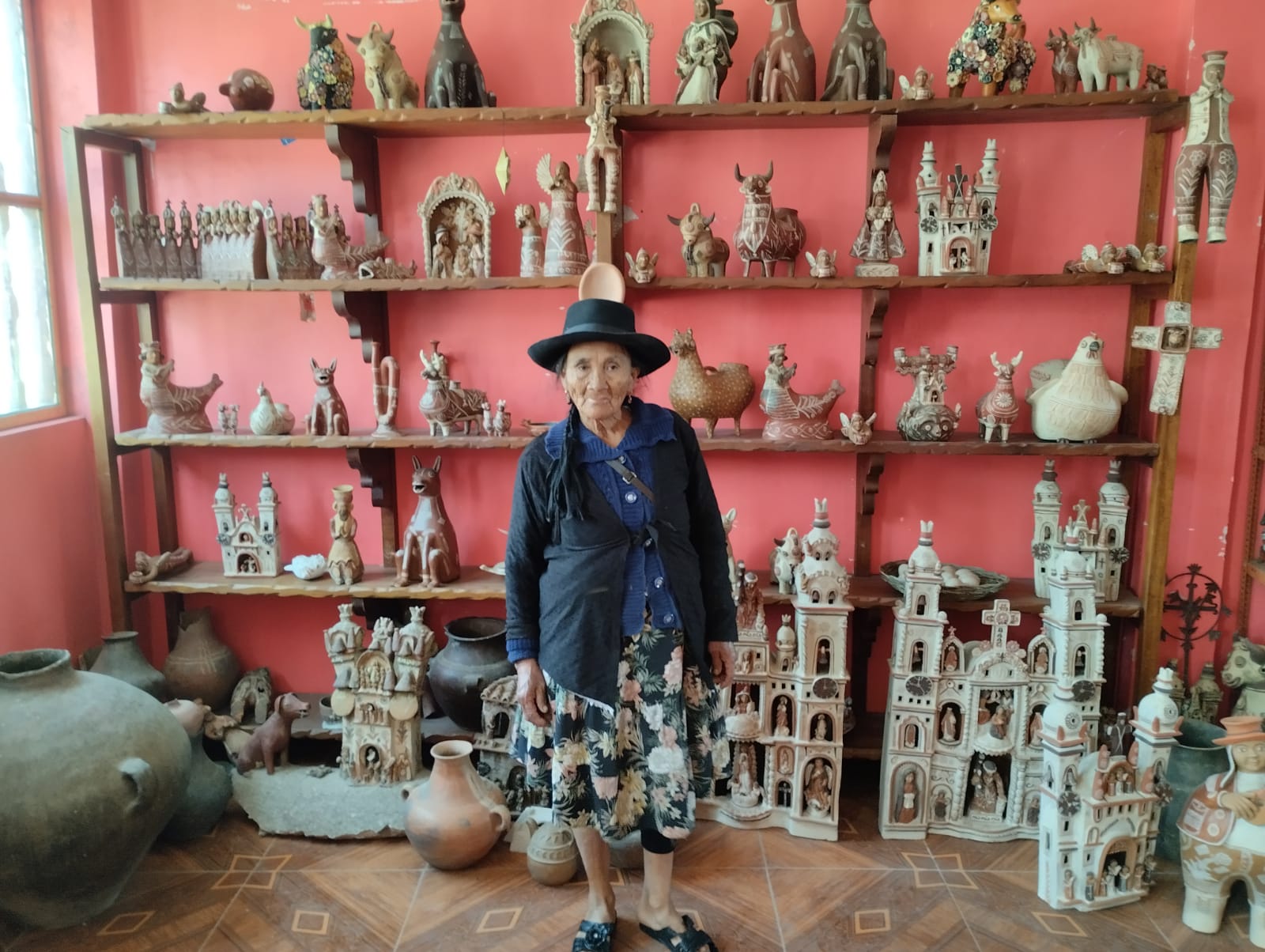
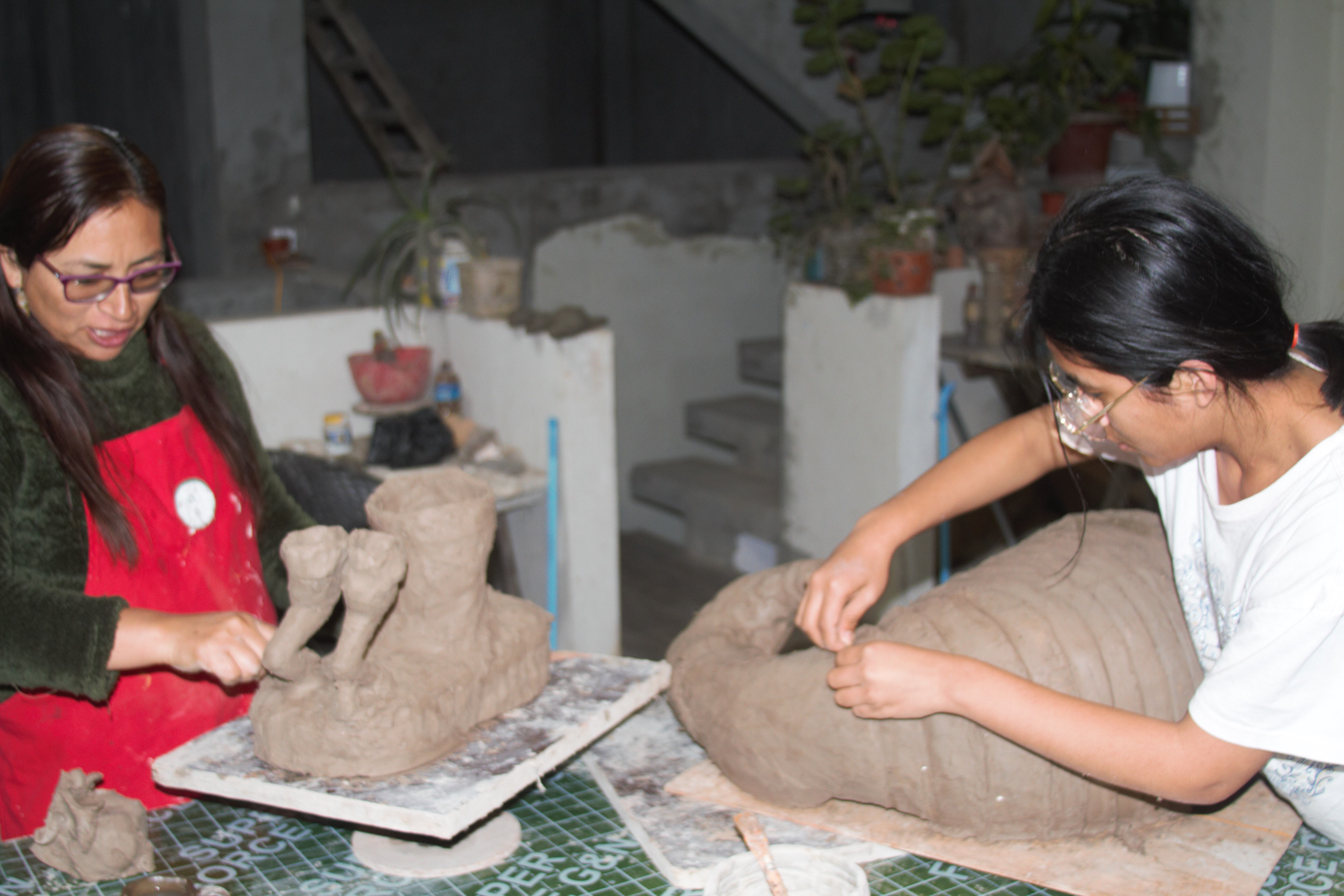
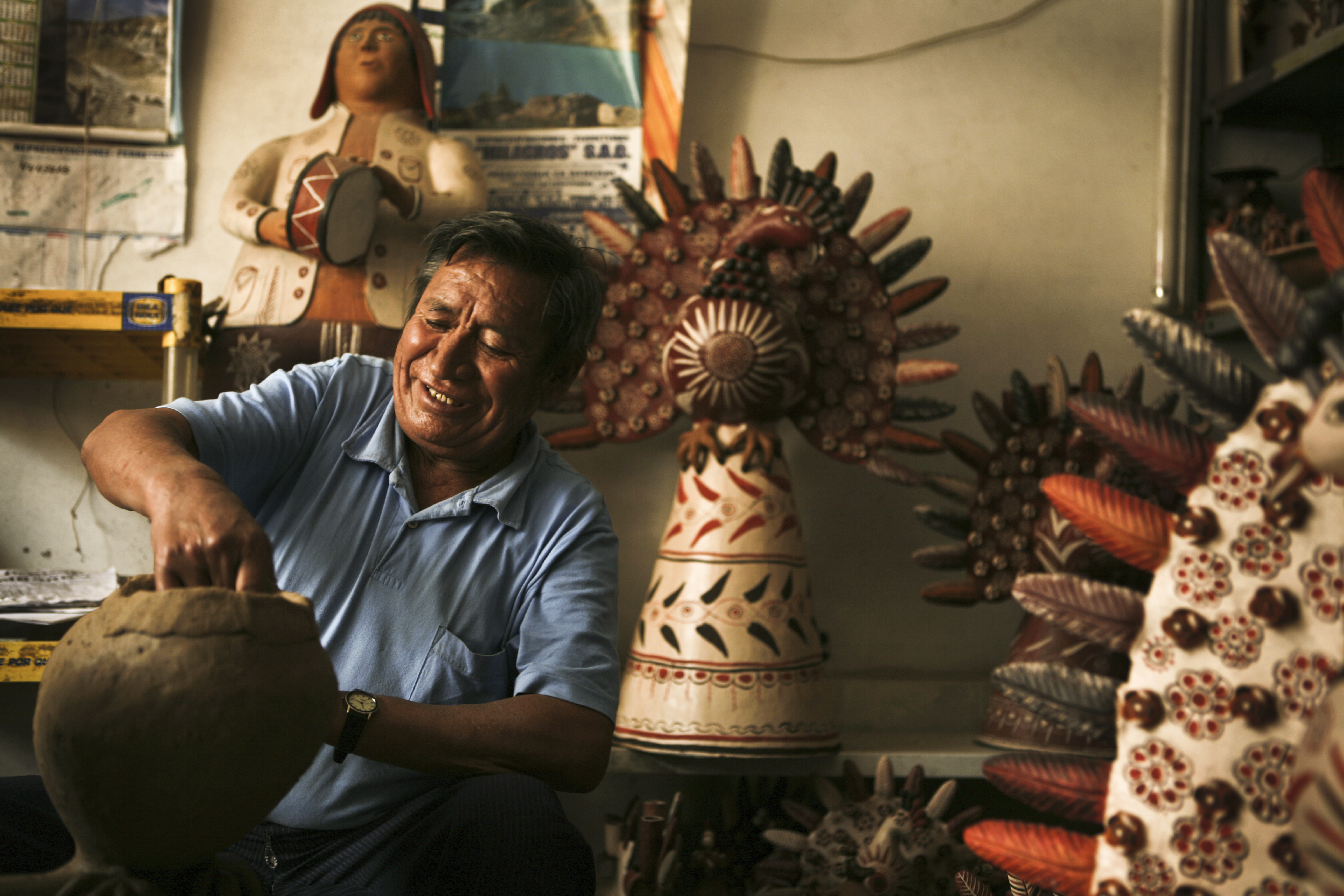
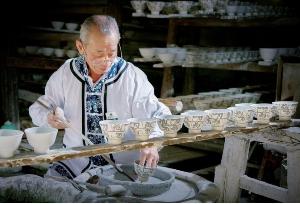
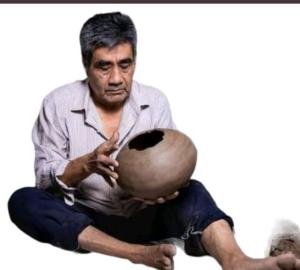
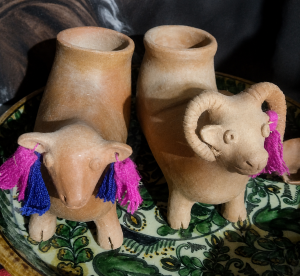
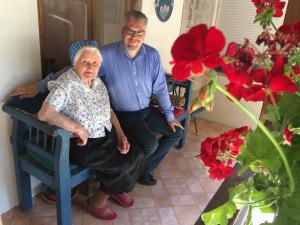
The Sánchez family legacy, as narrated by my father, Mamerto Sánchez, tells us this: “Throughout my life, I learned from my father, Don Santos, and my grandfather, Don Francisco, who instilled in me the importance of keeping our culture alive through ceramic art. Later, I took advanced technical courses, which helped me improve, but the teachings of my father and grandfather were even more influential. They were my great teachers and left me with a profound message: to develop the artistic expressions they taught me with great patience, based on remembering the stories, legends, festivals, customs, and myths of our people. In this way, the tradition of pottery making in Quinua and Ayacucho is maintained through artistic expression. We are now the third, fourth, and fifth generations (father, children, and grandchildren) carrying on the work of transmitting this beautiful craft and tradition of Ayacucho pottery from my hometown of Quinua.”
05-19-2026
| Institutional and human capacities | As a family group, we have been able to contribute to society by transmitting the technique of making Quinua ceramics. Through this, many people and their families are able to support themselves economically. To this day, they work in the craft sector, which is their main source of family income. | |
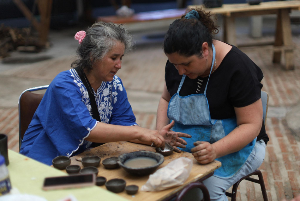
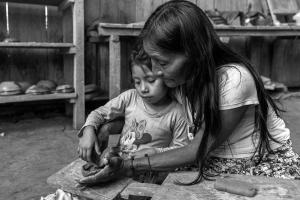
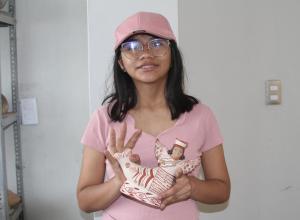
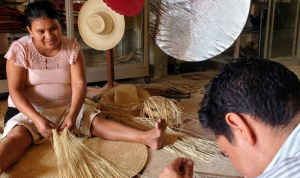
| Transmission and education | Part of our work is to share and teach our knowledge of the ancestral techniques and institutions of Ayacucho pottery making (Quinua pottery). We transmit and share our experiences and craft in educational institutions, workshops, training sessions, exhibitions, and in our own family group workshop to all those who have the desire and the will to learn this beautiful art and the ancestral tradition of Quinua pottery. | |
| Inventorying and research | The techniques and materials used in the production of Quinua pottery are subject to constant research and testing, as the materials we obtain come from different areas or quarries and require further investigation and testing before they can be applied and produced. RVM 037 - Declare the knowledge, skills, and practices related to the production of traditional Quinua pottery, Quinua district, Huamanga, Ayacucho, as Cultural Heritage of the Nation | |
| Policies as well as legal and administrative measures | Functions of the Ministry of Culture; and Directive No. 003-2015-MC, approved by Ministerial Resolution No. 338-2015-MC; IT IS RESOLVED: Article 1.- To declare as Cultural Heritage of the Nation the knowledge, skills, and practices related to the production of traditional ceramics in Quinua, Quinua district, Huamanga province, Ayacucho department, given that Quinua ceramics are a means of artistic and social expression through which the worldview, historical memory, and oral tradition of the population of the Quinua district are transmitted; in recognition of the fact that the various pieces produced continue to be used both in daily life and in the ritual and festive spaces of Quinua, giving continuity to practices and knowledge that are transmitted from generation to generation; and, because it constitutes a means of livelihood that contributes significantly to the economy and development of the families of the district and has a representational value as a fundamental expression of the identity of the people of Quinua. Article 2. The Directorate of Intangible Heritage, in coordination with the Decentralized Directorate of Culture of Ayacucho and the community of practitioners, is hereby tasked with preparing a detailed report every five (5) years on the state of the declared expression, so that the institutional record can be updated regarding changes in the manifestation, potential risks to its continued existence, and other relevant aspects, for the purpose of institutional monitoring of its development and safeguarding, if necessary. Article 3. This Vice-Ministerial Resolution shall be published in the Official Gazette El Peruano, and disseminated on the Institutional Portal of the Ministry of Culture (www.gob.pe/cultura) together with Report No. 000055-2019/DPI/DGPC/VMPCIC/MC. Article 4.- Notify the present Vice-Ministerial Resolution and Report 000055-2019/DPI/DGPC/VMPCIC/MC to the Decentralized Directorate of Culture of Ayacucho and the District Municipality of Quinua for the corresponding purposes. | |
| Role of intangible cultural heritage and its safeguarding in society | To preserve intangible traditions, cultural practices, and customs, it is crucial that we all become aware and join forces to instill this awareness in our children and communities. I share the ministerial declaration from the Ministry of Culture of my country (Peru) for the purpose of preserving our culture. groups in response to their environment, their interaction with nature and their history, providing them with a sense of identity and continuity and thus contributing to promoting respect for cultural and human diversity"; Whereas, numeral 2 of Article 1 of Law No. 28296, the General Law of the Cultural Heritage of the Nation, indicates that the Intangible Heritage of the Nation comprises the creations of a cultural community based on traditions, expressed by individuals in a unitary or group manner, and which are recognized They respond to the expectations of the community, as an expression of cultural and social identity, in addition to the values transmitted orally, such as native languages and dialects, traditional knowledge and wisdom, whether artistic, gastronomic, medicinal, technological, folkloric or religious, the collective knowledge of the peoples and other cultural expressions or manifestations that together make up our cultural diversity; That, literal b) of article 7 of Law No. 29565, Law of creation of the Ministry of Culture, modified by Legislative Decree No. 1255, establishes that it is the exclusive function of the Ministry of Culture to carry out actions of declaration, generation of cadastre, delimitation, cadastral update, research, protection, conservation, enhancement, promotion and dissemination of the Cultural Heritage of the nation. | |
| Awareness raising | To raise awareness among the general public about our intangible heritage of the Quinoa pottery tradition, we communicate and teach the citizens of our community to value and work in the care and cultivation of our ancestral practices from person to person and through pages or our social networks. | |
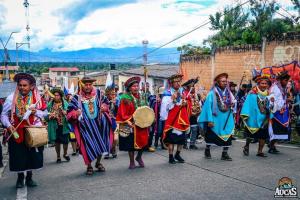
| Engagement of communities, groups and individuals as well as other stakeholders | It is important to emphasize that the participation of individuals, communities, or groups is present at every moment we encounter, such as at national and international fairs, exhibitions, and in-person or virtual workshops, where people actively participate by interacting with traditional artisans and those who admire and wish to learn or acquire the artisanal work or ancestral knowledge of traditional Quinua ceramic art. | |
| International engagement | Our commitment extends beyond our borders, as we share many ancestral practices and problems with all countries, and therefore we share our experience with the Andean community and other countries in Latin America and eventually in European countries, through our participation in various fairs and intercultural exhibitions, such as the Santa Fe Fair in the USA, CIDAP in Ecuador, the Popular Art Festival in Chile, the Tenerife Fair, etc | |
| References |
Resolución Viceministerial N.° 037-2019-VMPCIC-MC
|
|




.jpeg)


.png)
.jpeg)
.jpg)

.png)
.jpg)


_(31711258567).jpg)