
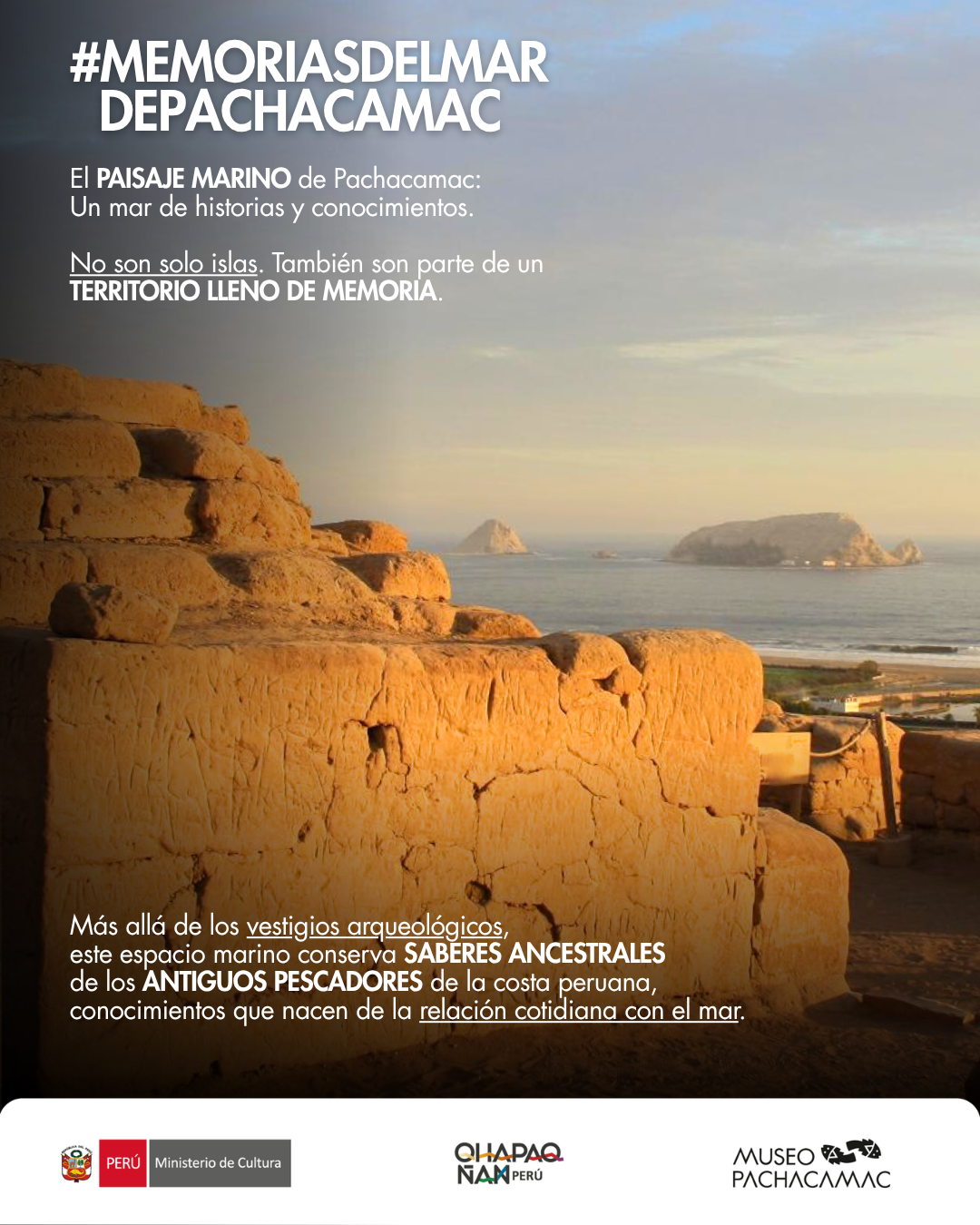
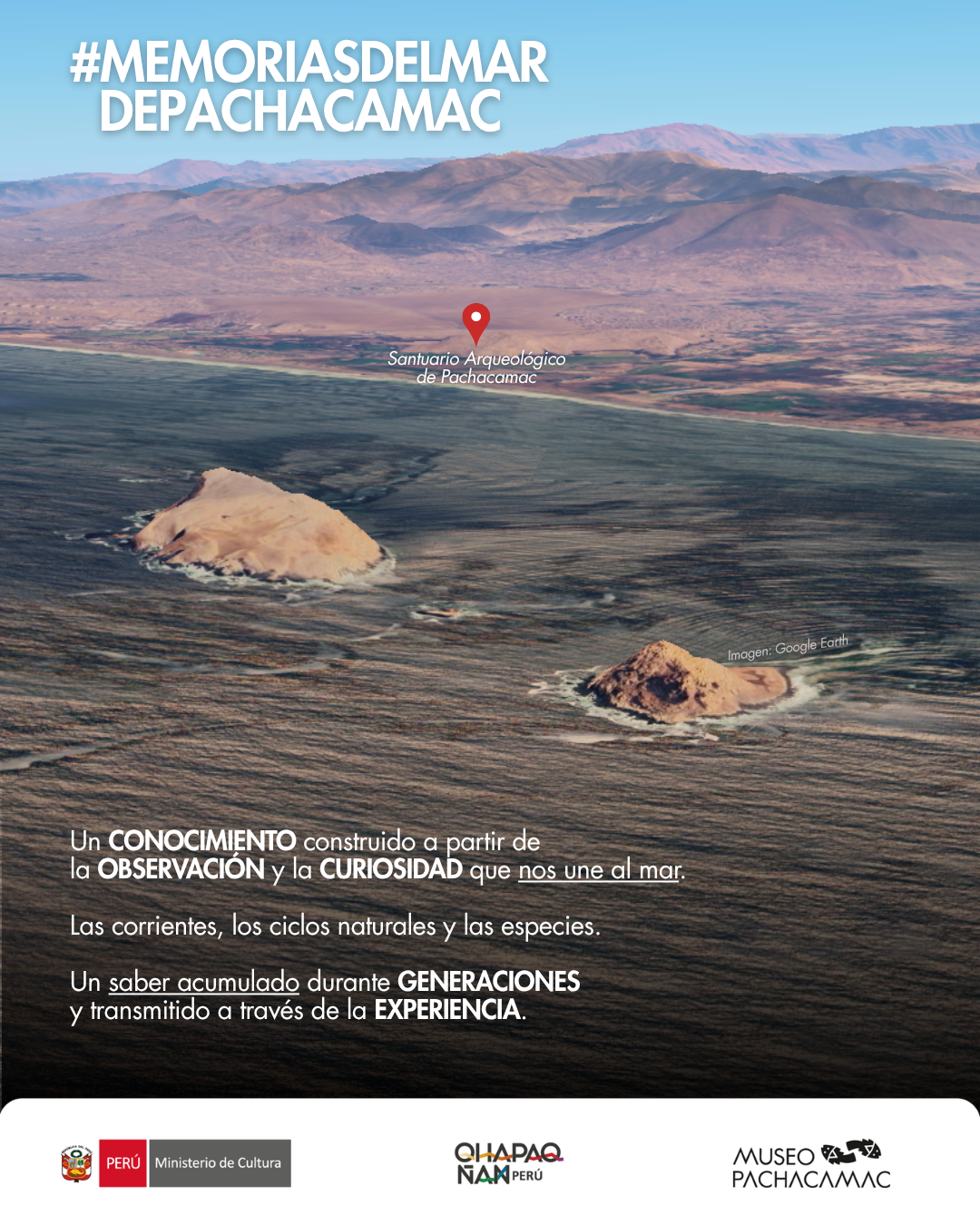
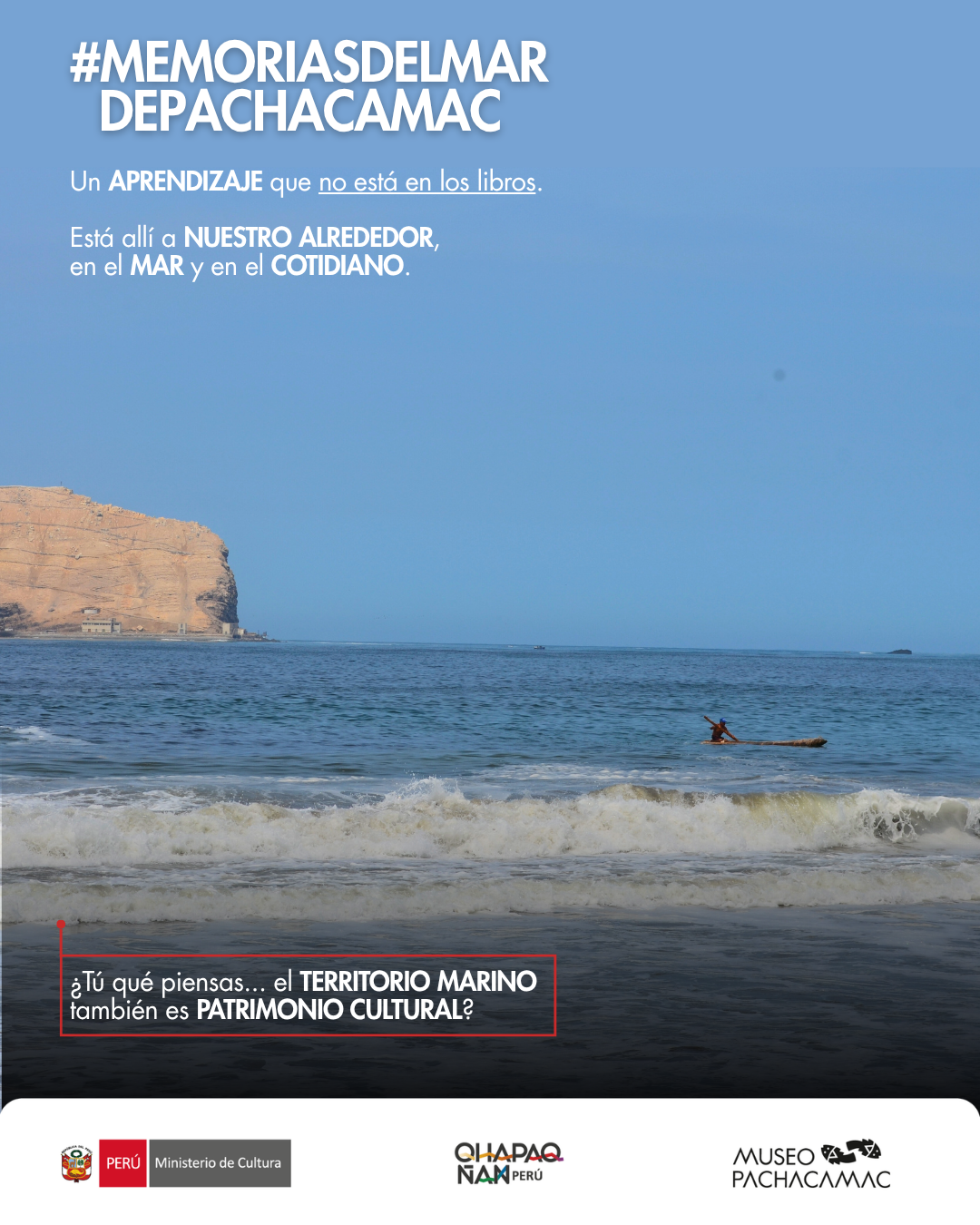

The project develops community-based training, educational, and identity-strengthening initiatives aimed at transmitting the importance and value of Intangible Cultural Heritage (ICH) associated with coastal and maritime practices. Implemented in direct collaboration with actual artisanal fishing communities —including the Asociación de Pescadores Artesanales Las Islas de Punta Hermosa and fishers from El Silencio, Pucusana, and San Pedro de Lurín— these actions recognize local actors as key holders of traditional knowledge.
The project focuses on the identification, documentation, and revitalization of this knowledge through participatory workshops, field-based learning, and collaborative documentation processes, supporting the transmission of ecological knowledge, fishing techniques, resource management practices, and cultural relationships with the sea. It integrates interdisciplinary educational components for students, researchers, and community members, combining archaeology, ethnography, and applied technologies to strengthen both technical training —including underwater archaeology— and community-based knowledge transmission.
The project also produces audiovisual and interpretive materials to support formal and informal learning, while actively involving fishers in outreach activities that reinforce their role as cultural actors. In its projected phase, the initiative seeks to deepen the integrated study of the maritime system by incorporating environmental variables such as winds, currents, navigation routes, and underwater topography, alongside the management of biotic and abiotic resources. It further promotes sustainable territorial management, responsible resource use, preservation of the cultural landscape, and strategies for social appropriation, including sustainable cultural tourism. Overall, the project contributes to the long-term viability of maritime ICH, strengthens cultural identity and community empowerment, and supports sustainable development in coastal contexts.
05-16-2026
| Institutional and human capacities | The project is supported by strong institutional and human capacities that ensure its implementation and long-term sustainability. Institutionally, it is developed within the framework of the Pachacamac Site Museum and the Ministry of Culture of Peru, benefiting from established heritage management structures, ongoing research programs, and national cultural policies that support the safeguarding of Intangible Cultural Heritage. The project is part of a broader interdisciplinary research agenda that integrates archaeology, cultural landscape management, and community-based approaches. In terms of human capacities, the project brings together a multidisciplinary team of archaeologists, researchers, and heritage professionals with expertise in coastal and maritime contexts, including underwater archaeology. It also relies on the active participation of artisanal fishing communities, who play a central role as knowledge holders, collaborators, and co-creators in the documentation and transmission of traditional practices. This combination of institutional support and community engagement strengthens the project’s technical, social, and cultural foundations, ensuring its continuity, relevance, and impact. | |
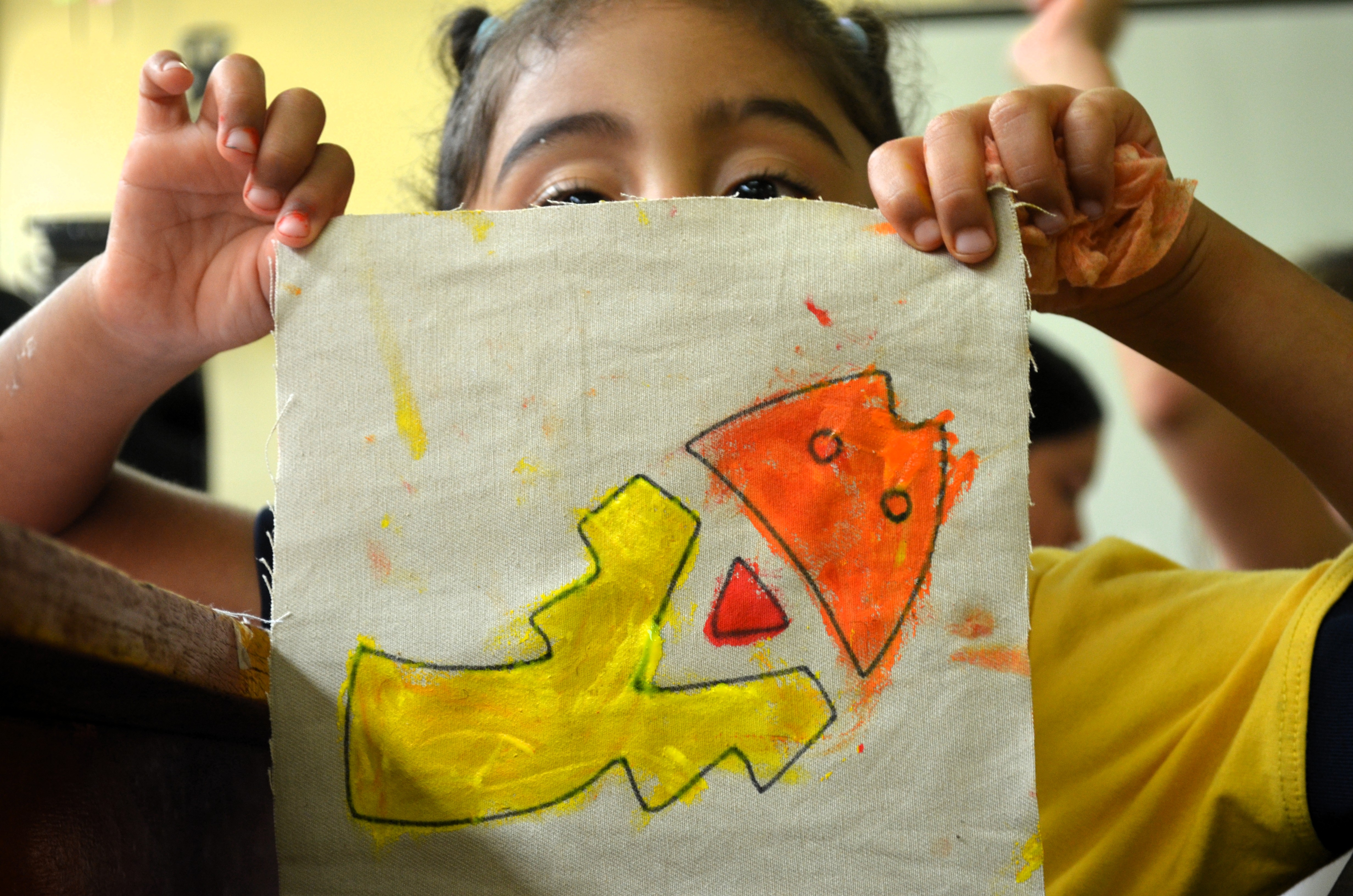
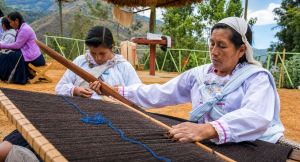
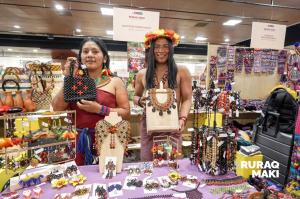
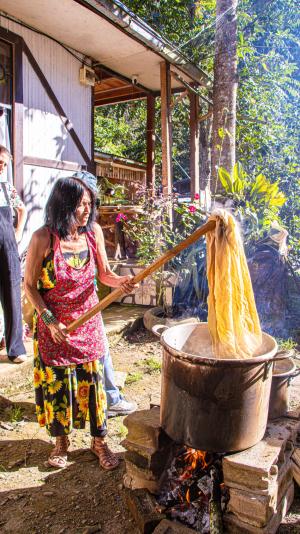
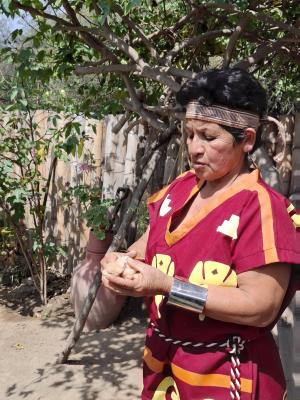
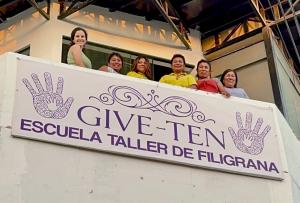
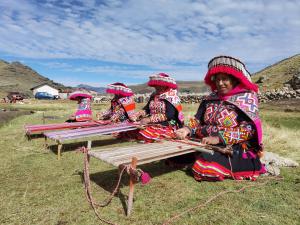
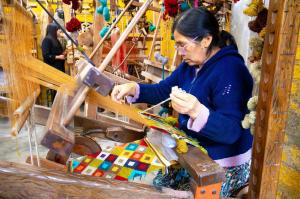
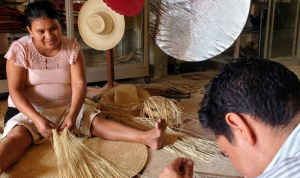
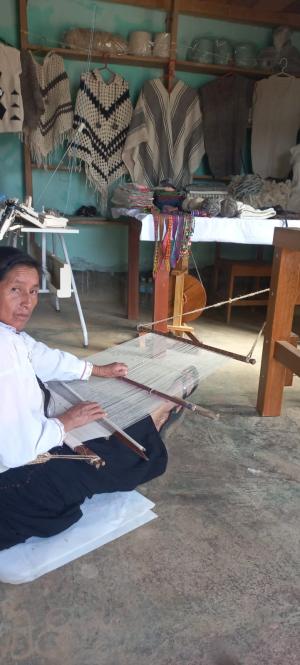
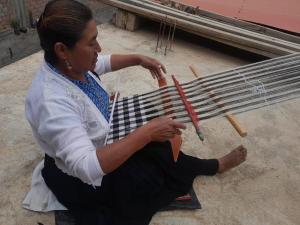
| Transmission and education | The project promotes the transmission of maritime Intangible Cultural Heritage through community-based education, participatory workshops, and field-based learning with artisanal fishing communities. It also extends this knowledge to other actors within the sanctuary’s broader social environment, including local populations not directly engaged in fishing, with a particular emphasis on women and children. Women—such as artisans from Sisan—actively incorporate this knowledge into the production of culturally grounded objects, while children participate in educational activities that foster early awareness and continuity of traditional practices. These actions strengthen intergenerational knowledge transfer, reinforce local capacities, and promote inclusive participation. The project integrates interdisciplinary approaches combining archaeology, ethnography, and applied technologies, and is complemented by the production of educational materials and outreach activities that support both formal and informal learning. | |
| Inventorying and research | The project advances the inventorying and research of maritime Intangible Cultural Heritage through the systematic documentation of traditional knowledge held by artisanal fishing communities. It integrates archaeological, ethnographic, and environmental data to record practices related to navigation, fishing techniques, and ecological knowledge. The project also develops interdisciplinary methodologies, including geospatial recording, photogrammetry, and audiovisual documentation, to register both tangible and intangible dimensions of heritage. These efforts contribute to the creation of structured inventories and research outputs that support heritage management, conservation, and the long-term safeguarding of maritime cultural heritage. | |
| Policies as well as legal and administrative measures | The project operates within a solid legal and institutional framework that supports the safeguarding of Intangible Cultural Heritage in Peru. It aligns with the General Law of Cultural Heritage of the Nation (Law No. 28296), which recognizes and protects cultural expressions and traditional knowledge, and is implemented under the authority of the Ministry of Culture. It is also framed by the Management Plan of the Pachacamac Archaeological Sanctuary (Supreme Decree No. 004-2014-MC), which integrates cultural landscape approaches and community participation. In the marine domain, national fisheries regulations establish measures such as the five-mile exclusive zone, seasonal closures, and catch limits, contributing to the sustainability of marine resources and associated knowledge systems. Environmental legislation further supports the protection of coastal ecosystems. Together, these legal and administrative measures provide an integrated framework that ensures the protection, transmission, and long-term viability of maritime Intangible Cultural Heritage. | |
| Role of intangible cultural heritage and its safeguarding in society | Intangible Cultural Heritage plays a key role in strengthening cultural identity, social cohesion, and community resilience. Its safeguarding supports the continuity of traditional knowledge systems, reinforces connections between people and their environment, and contributes to sustainable development by integrating cultural values into territorial management and everyday practices. | |
| Awareness raising | The project promotes awareness of maritime heritage through outreach activities, public events, and educational initiatives that highlight the cultural and environmental value of traditional practices. These actions foster recognition of local knowledge and encourage broader societal engagement with Intangible Cultural Heritage. | |
| Engagement of communities, groups and individuals as well as other stakeholders | The project is based on active and participatory collaboration with artisanal fishing communities and other local actors, including women, children, and artisans. It also engages researchers, students, and public institutions, creating inclusive spaces for knowledge exchange, co-creation, and shared responsibility in safeguarding heritage. | |
| International engagement | The project participates in international academic exchange and collaboration, including conferences, research initiatives, and partnerships with specialists and institutions from different countries. These actions contribute to knowledge sharing, capacity building, and the promotion of international standards for the safeguarding of maritime heritage. | |
| References | Pachacamac Site Museum – Ministry of Culture of Peru. https://pachacamac.cultura.pe/investigaciones/islas-de-pachacamac |
|





.png)







.jpeg)
.jpg)


.png)
.jpg)


_(31711258567).jpg)