
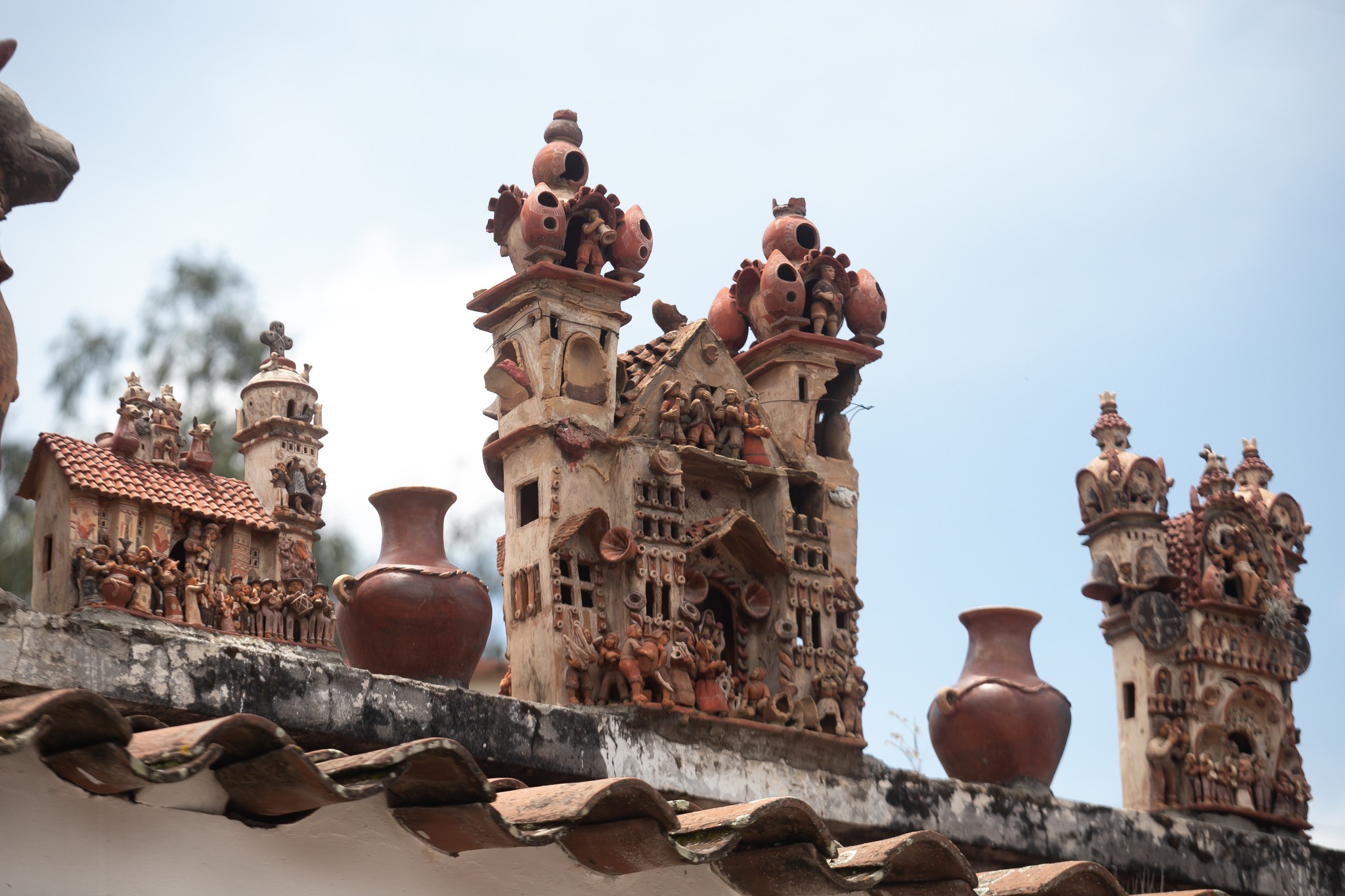
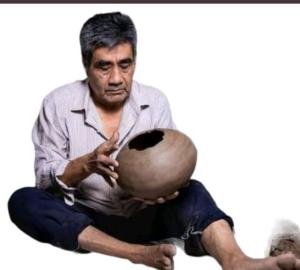
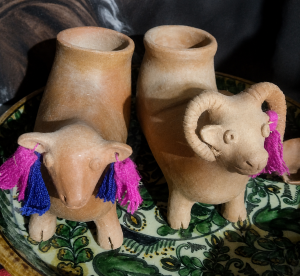
The traditional ceramics of Quinua (Ayacucho), declared Cultural Heritage of the Nation of Peru in 2019, is an Andean artistic expression that preserves ancestral knowledge transmitted from generation to generation. Recognized for its use of local clay, earth-toned colors, and hand-modeling techniques, it represents the worldview, historical memory, and cultural identity of the Andean communities of Peru.
This collective was founded in 1963 in the town of Quinua, Ayacucho, with the purpose of rescuing, preserving, and promoting Andean traditions, oral histories, and cultural expressions.
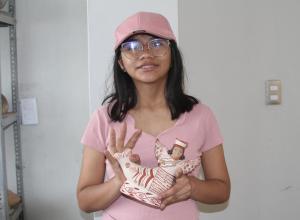
Likewise, one of its main activities has been the education and training of young people and new generations in this ancestral craft, actively contributing to the continuity and safeguarding of intangible cultural heritage both within and beyond its community of origin.
05-06-2026
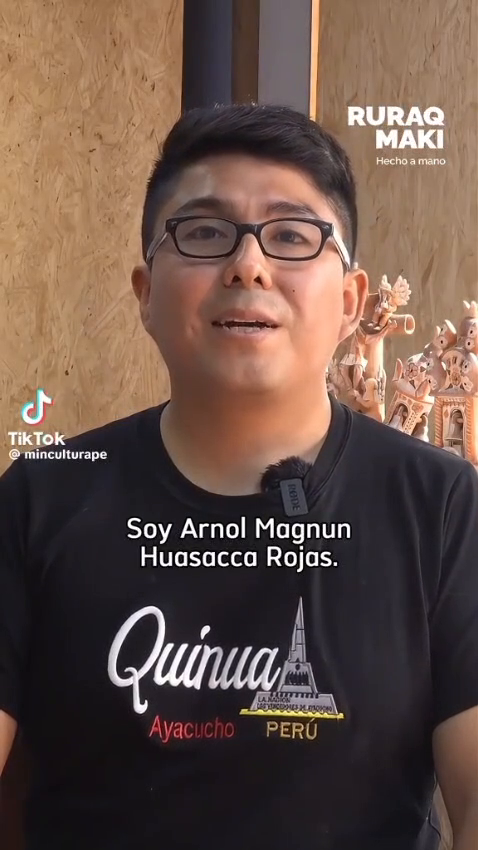
| Institutional and human capacities | The institutional and human capacity of the collective is rooted in the leadership and legacy of three generations of master traditional ceramic artisans: Magno Huasacca Huamán, Magno Huasacca Condori, and currently Arnol Magnun Huasacca Rojas. Since its foundation in 1963, the collective has been dedicated to the preservation, development, and intergenerational transmission of the ancestral knowledge associated with Quinua’s traditional ceramics through workshops, training programs, and educational activities for youth, Andean communities, and cultural spaces within and beyond Ayacucho. In addition, the collective has collaborated with public institutions such as the Ministry of Culture, the Ministry of Foreign Trade and Tourism, the Ministry of Education, and local municipalities, contributing to the safeguarding of the Andean worldview, historical memory, and intangible cultural heritage through the traditional ceramics of Quinua. | |
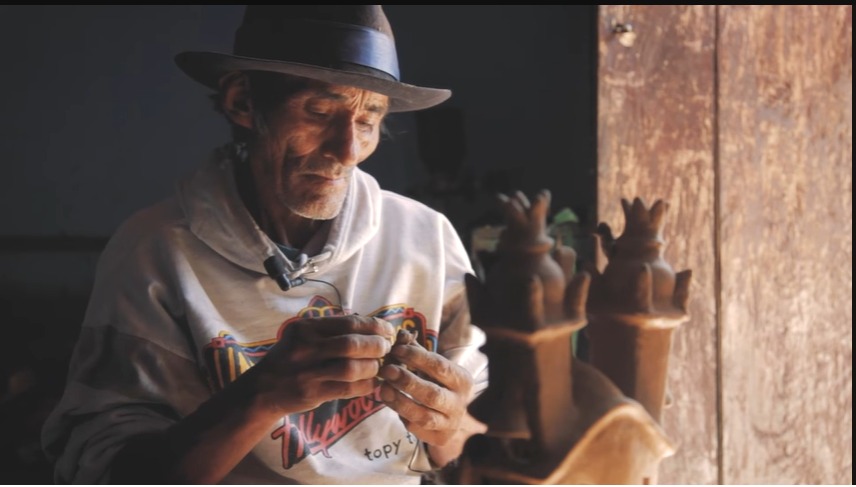
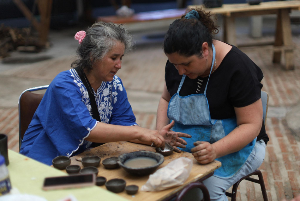
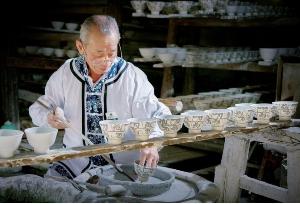
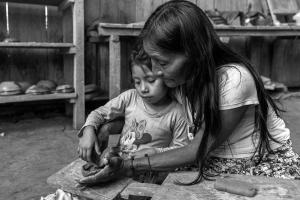
| Transmission and education | The transmission of knowledge is carried out through an intergenerational teaching process based on direct practice, oral tradition, and continuous guidance. Through workshops and training activities, each stage of Quinua’s traditional ceramics is taught step by step, from clay preparation and hand-modeling to the painting and firing of the pieces. During the creative process, oral histories, traditions, and knowledge related to the Andean worldview are also shared, strengthening cultural memory and the sense of identity among new generations. The teaching process not only seeks to transmit ancestral techniques and knowledge, but also to train new traditional artisans who will ensure the safeguarding of Quinua’s traditional ceramics as a living expression of intangible cultural heritage. | |
| Inventorying and research | The collective carries out preservation and research processes based on oral memory, continuous practice, and the intergenerational transmission of knowledge related to Quinua’s traditional ceramics. Through the creation of traditional pieces, ancestral techniques of hand-modeling, painting, and firing are preserved alongside designs, symbols, and representations connected to the Andean worldview, local festivities, and the historical memory of the peoples of Ayacucho. The artisanal practice also includes the collection and transmission of oral histories, customs, and ancestral knowledge inherited through generations of master ceramic artisans, helping to maintain the authenticity of this cultural expression. In addition, participation in workshops, exhibitions, competitions, and cultural activities contributes to the documentation, dissemination, and safeguarding of Quinua’s traditional ceramics for future generations. | |
| Policies as well as legal and administrative measures | The traditional ceramics of Quinua was declared Cultural Heritage of the Nation of Peru in 2019, a recognition that strengthens its protection and safeguarding as an expression of intangible cultural heritage. Likewise, the collective has carried out traditional preservation activities. These efforts have been strengthened through collaboration with public institutions such as the Ministry of Culture, the Ministry of Foreign Trade and Tourism, the Ministry of Education, and local governments, contributing to the dissemination and continuity of Quinua’s traditional ceramics. | |
| Role of intangible cultural heritage and its safeguarding in society | The traditional ceramics of Quinua plays a fundamental role in society as a living expression of the cultural identity, historical memory, and Andean worldview of the peoples of Ayacucho. Its safeguarding enables the preservation and transmission of ancestral knowledge, oral traditions, traditional techniques, and cultural values from generation to generation, strengthening the sense of belonging and cultural continuity within the community. Furthermore, through the education and training of new artisans, this tradition contributes to cultural education, the recognition of intangible cultural heritage, and the sustainable development of the families and communities connected to this ancestral craft. | |
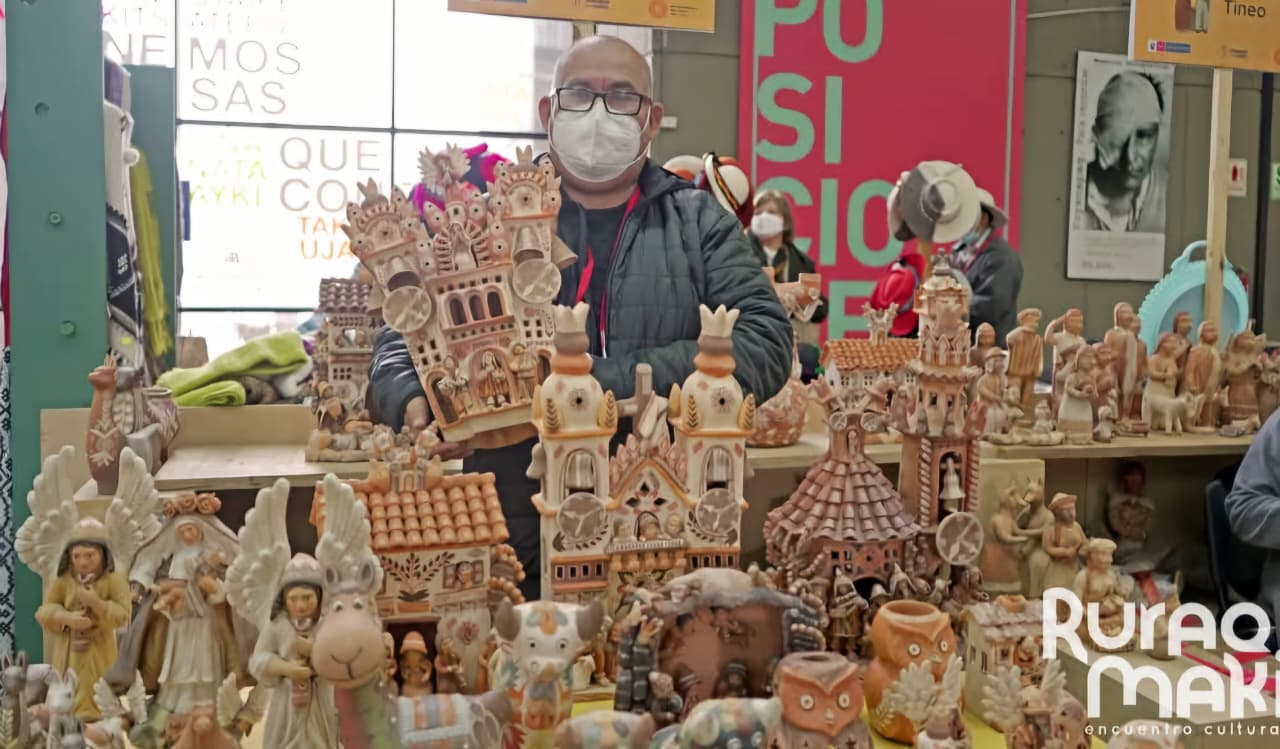
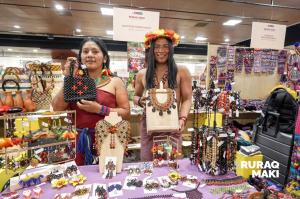
| Awareness raising | The collective contributes to the promotion and appreciation of Quinua’s traditional ceramics through participation in national competitions that promote ancestral techniques and traditional cultural heritage. It also takes part in cultural exhibitions and outreach events such as Ruraq Maki, which foster the visibility of traditional knowledge before national and international audiences. In parallel, the collective develops educational and training activities for new artisans, as well as workshops for young people and children, strengthening interest in, continuity of, and respect for this living expression of intangible cultural heritage. | |
| Engagement of communities, groups and individuals as well as other stakeholders | The safeguarding of Quinua’s traditional ceramics is carried out through the active participation of cultural communities and public institutions committed to the preservation of intangible cultural heritage. The transmission of knowledge takes place intergenerationally through workshops and educational activities aimed at youth, children, and new artisans. Furthermore, the collective maintains collaborative relationships with institutions such as the Ministry of Culture, the Ministry of Foreign Trade and Tourism, the Ministry of Education, and local governments, while also participating in cultural spaces and artisanal outreach events such as Ruraq Maki, strengthening the continuity, visibility, and social appreciation of Quinua’s traditional ceramics within and beyond Peru. | |
| International engagement | The collective has contributed to the international dissemination of traditional Peruvian ceramics through its participation in cultural spaces and globally recognized events that promote cultural heritage and ancestral knowledge. Among its most significant contributions is the creation of the clay “Cuchimilcos” statuettes presented to medal-winning athletes at the 2019 Pan American Games, representing Peru’s cultural identity before international delegations. Furthermore, through exhibitions, cultural activities, and the ongoing preservation of Quinua’s traditional ceramics, the collective contributes to the international recognition and promotion of Peru’s cultural diversity and intangible cultural heritage. | |
| References |
|
|




.jpeg)

.png)
.jpeg)
.jpg)
.png)
.jpg)


_(31711258567).jpg)