
44.mp4_thumbnail.png)
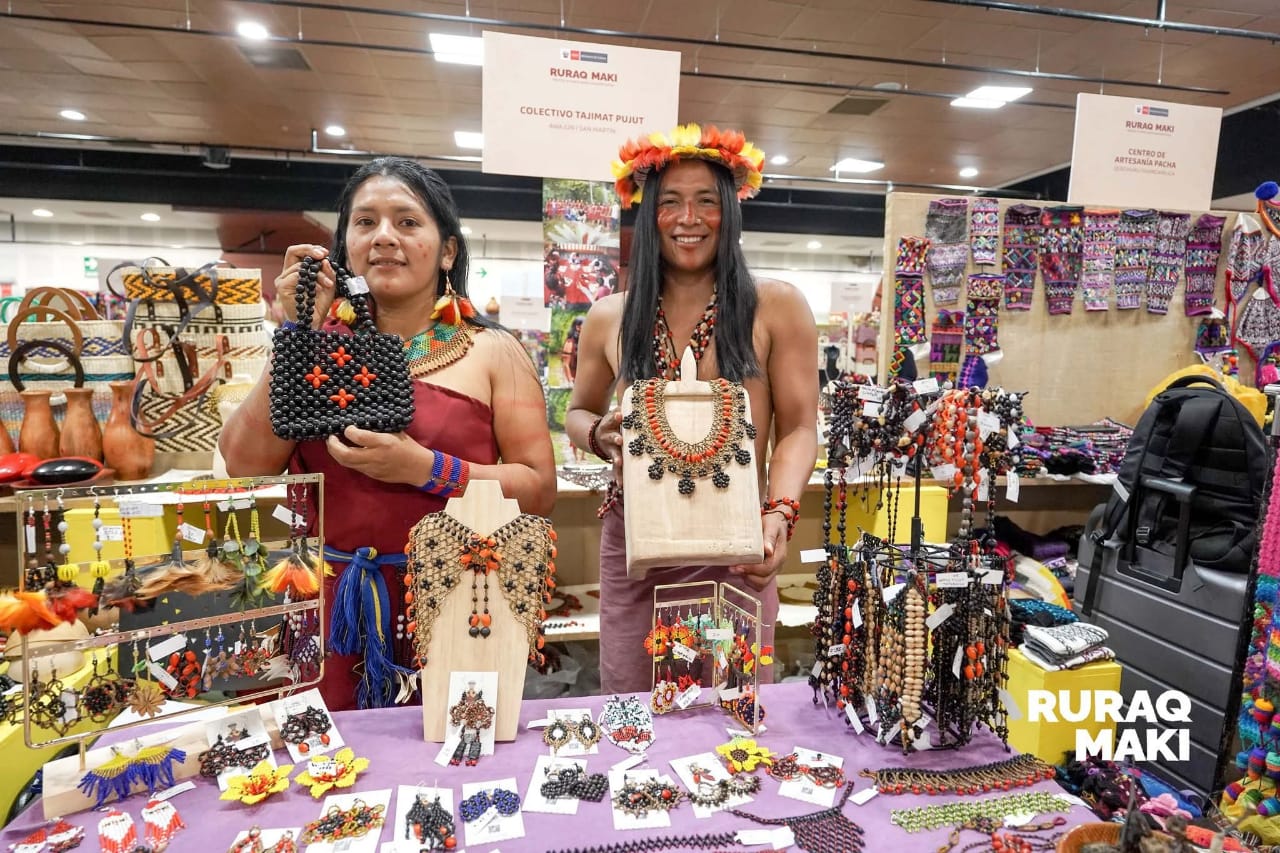
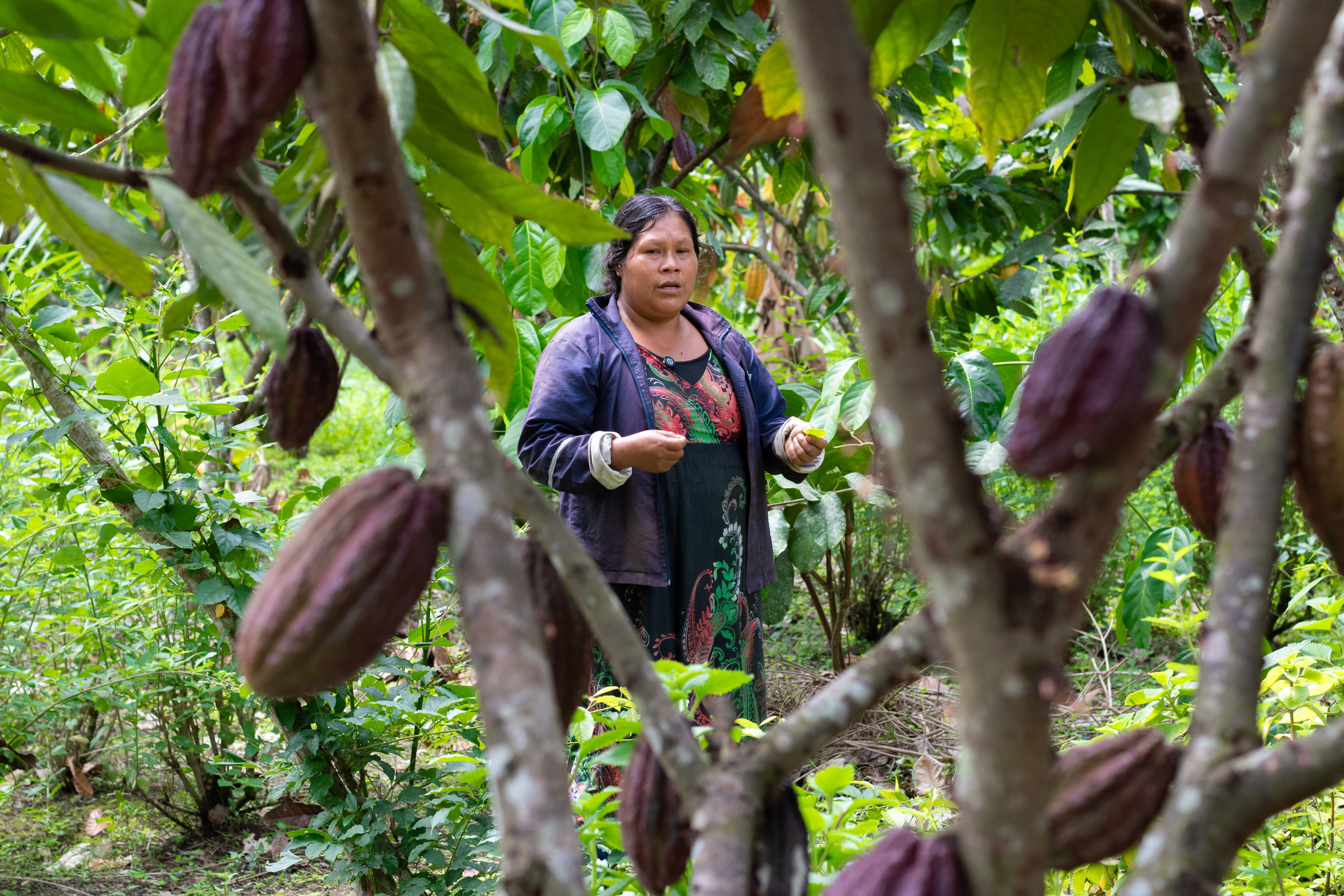
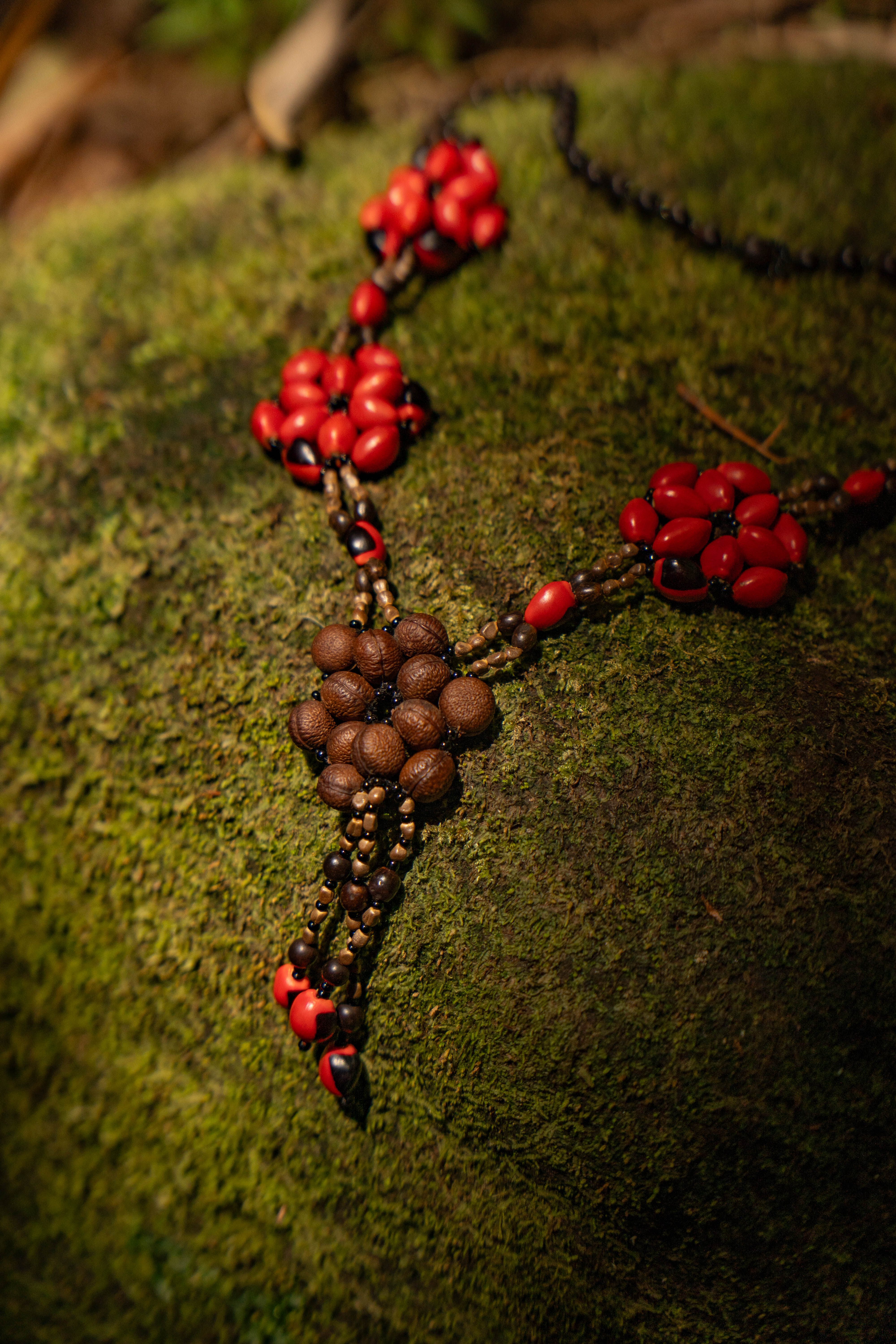
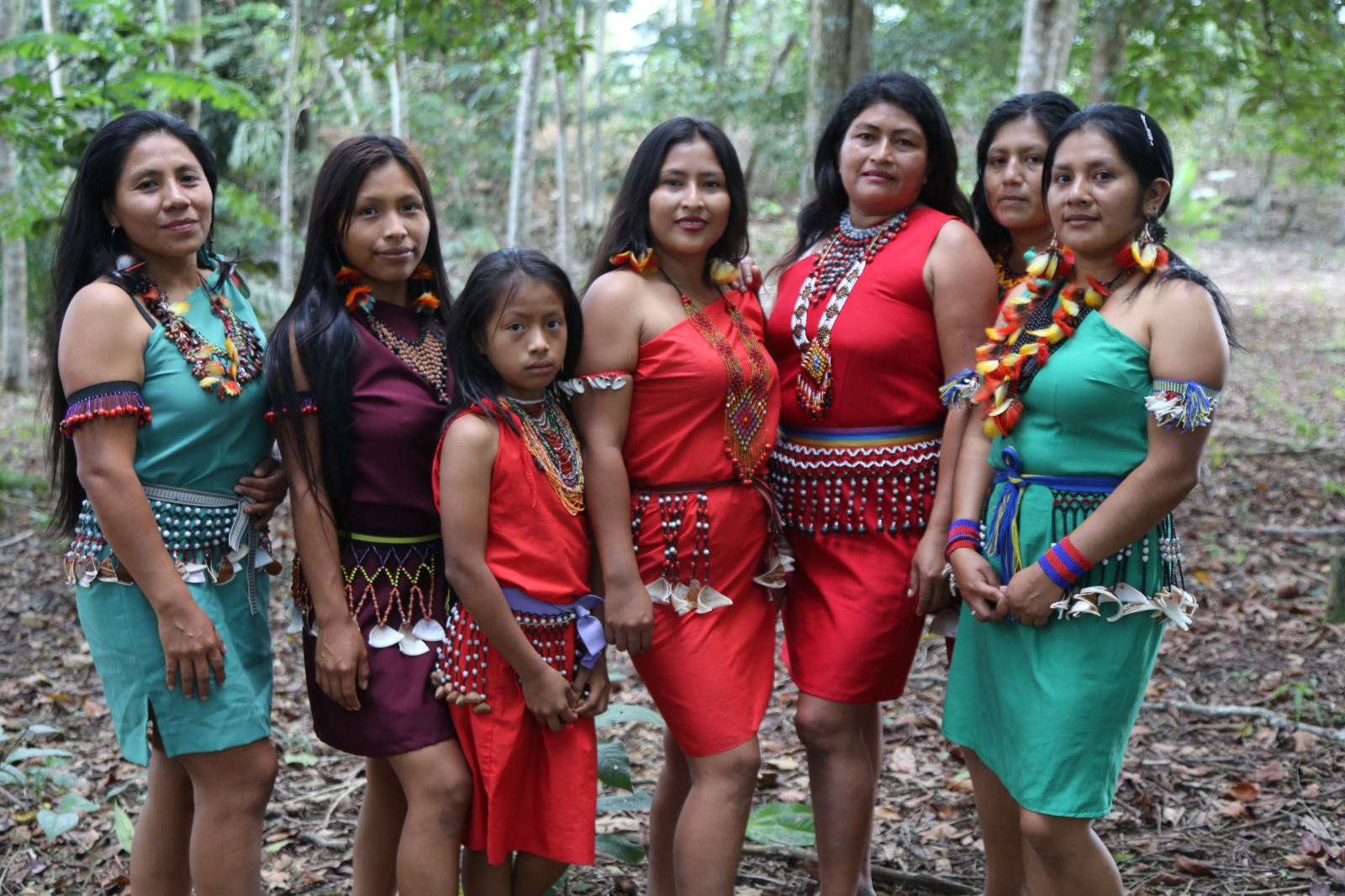
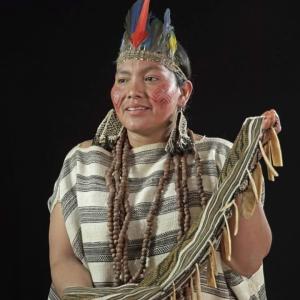
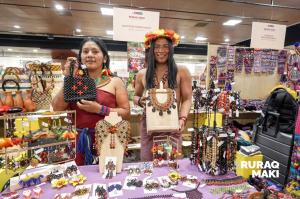
Born in November 2024 as a courageous response to the degradation of their forests and the erosion of their identity, the Awajún Women Artisans Collective "Tajimat Pujut" has forged an extraordinary path of resistance and empowerment. What began as a vital effort to bring "the seeds back to the forest and to their hands" is now a consolidated network of more than 80 artisans from at least 16 communities and sectors of the Alto Mayo region. Together, they have revived the age-old use of botanical materials such as the aromatic sekut (wild vanilla) and seeds like kumpia and huayruro, transforming bio-jewelry into a "second skin" that not only preserves their worldview but also actively defends their territory. Their evolution, however, goes far beyond handicrafts: through innovations such as the Awajún Governance School, which strengthens collective leadership, and the institutional support of the Awajún Indigenous Regional Federation of the Alto Mayo, these women have broken down historical gender barriers to become political strategists and drivers of their local economy. This unstoppable progress reached a landmark milestone with their resounding commercial and cultural success at the Ruraq Maki 2025 national exhibition, demonstrating to Peru and the world that safeguarding their intangible heritage is the most powerful way to guarantee the conservation of the Amazon and achieve true Tajimat Pujut (Good Living).
05-04-2026
| Institutional and human capacities | The Tajimat Pujut Collective stands out for having developed solid human and institutional capacities that guarantee the long-term viability and sustainability of its work. On a human level, the artisans have strengthened their technical, commercial, and financial management skills, which is reflected in the high quality and competitiveness of their biojewelry in the national market. Furthermore, through the innovative Awajún School of Governance, women are trained in rights, the environment, politics, and economics, empowering their leadership to overcome historical gender gaps and participate actively with a voice and a vote in communal assemblies. At the institutional level, the collective operates under a formal, transparent, and representative organizational structure, internally implementing a solidarity-based system of "fair rotation" that democratizes sales opportunities. This institutional maturity is consolidated through solid alliances with state entities (Ministry of Culture, municipalities), the technical support of non-governmental cooperators (Conservation International, IICARO), and the decisive political backing of the Indigenous Regional Federation of Awajún of the Alto Mayo (FERIAAM), providing them with a remarkable capacity for management, advocacy, and territorial defense | |
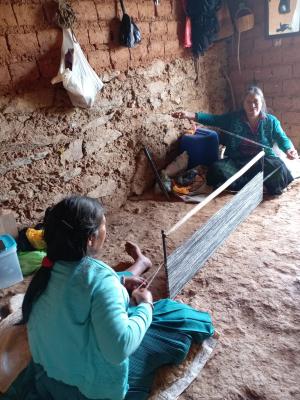
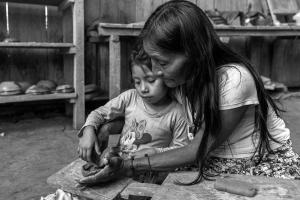
| Transmission and education | The transmission of heritage functions as a living, intergenerational school, where mothers and grandmothers share their techniques and stories with the youth on a daily basis. This educational ecosystem is formalized in communal libraries, transformed into "memory spaces," where children learn to create pieces while understanding the spiritual respect for the forest. This practical education is strategically reinforced by the Awajún School of Governance, which trains artisans in politics, rights, and economics, ensuring an ethical generational handover that empowers women. | |
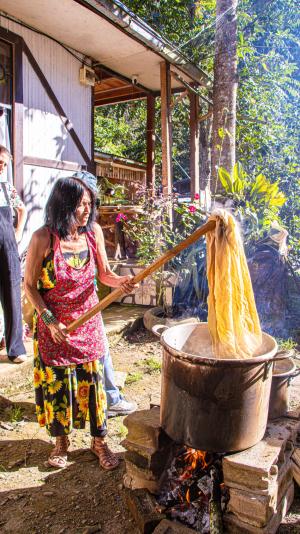
| Inventorying and research | The artisans carry out research and living cataloging by taking advantage of the great botanical diversity of their surroundings. They identify and collect what the forest offers, using a wide variety of natural seeds such as huayruro, kumpia, chiang, wayampai, tuju, choloque, vanilla, wapae, and achira. To achieve the colors that bring their designs to life, they use natural dyes derived from the earth itself: black is obtained from the peel of the kumpia fruit or from ground charcoal; purple comes from mixing chiang peel with leaves of a plant called yamagkai; yellow or mustard is obtained from turmeric or saffron; and vibrant red comes from the fruit of the achiote, known as ipak in their language. This dyeing process is patient and careful, as the seeds must be boiled and soaked for the necessary time so that the color adheres well and does not run, always ensuring that the seed retains its potency. As for the production, everything is done by hand. With great patience, the artisans use thread and needles to pierce each seed and begin weaving textures that tell stories. Depending on the design, the pieces can represent forest flowers or ancient figures from the Awajún culture. Creating these jewels requires time and dedication. In their weavings, the artisans use seeds to represent the shapes of the mountains, their great guides: Etsa (the sun), Nantu (the moon), the stars, vine leaves, spiderwebs, and even the curious shape of the "toad's waist." In this way, the collective not only motivates younger generations to learn the craft, but also ensures that each piece preserves a part of the spirit, history, and living art of their people. | |
| Policies as well as legal and administrative measures | The work of the Awajún Tajimat Pujut artisan collective is solidly supported by a legal and administrative framework that recognizes handicrafts as a pillar of national identity and sustainable development. This practice is primarily protected by Law No. 29073 (Law of the Artisan and the Development of Handicraft Activity), which dignifies artisans as builders of culture and regulates the promotion of their craft in all its forms, and by Law No. 28296 (General Law of the Cultural Heritage of the Nation), which guarantees the safeguarding of their ancestral knowledge. Furthermore, the implementation of Supreme Decree No. 007-2021-MINCETUR has modernized administrative procedures, facilitating their access to competitive markets and strengthening their visibility. Thanks to the institutional collaboration between MINCETUR and the Ministry of Culture, the group gains access to promotional platforms and national fairs that not only ensure the continuity of their dyeing and weaving techniques, but also integrate their living art into public policies for sustainable tourism and the conservation of Peru's intangible heritage. | |
| Role of intangible cultural heritage and its safeguarding in society | Intangible heritage transcends the preservation of the past to become a driving force behind Tajimat Pujut (Good Living). The act of creating bio-jewelry serves as an intergenerational bridge where master artisans transmit a holistic legacy: the artisanal technique, the rigor of sustainable harvesting schedules, and the sacred echo of the Anem (deep chants). Socially, safeguarding this heritage plays a fundamental role in eradicating gender inequalities by empowering women economically, while simultaneously fostering cohesion within Awajún society and positioning artisans as defenders of the Amazon against deforestation. On a social level, this safeguarding is an emancipatory act that dismantles gender gaps, granting women economic autonomy and consolidating their role as guardians of the Amazon against deforestation. At the national level, this living heritage fosters intercultural dialogue that dissolves prejudices and educates urban communities, positioning Amazonian diversity as a pillar of peace. More than just making objects, the artisans deliver fragments of their history, ensuring that cultural pride beats strongly in new generations. | |
| Awareness raising | The collective has transformed conventional commercialization into a powerful educational agent. Through public demonstrations in wide-reaching spaces, the artisans teach step-by-step the "journey of the seed": from its collection in the jungle and cleaning, to its transformation into ethical jewelry. These awareness-raising actions allow tourists and urban dwellers to discover the history and environmental respect behind each design, leading civil society to break down historical prejudices, value Awajún identity, and commit to the preservation of the forests. | |
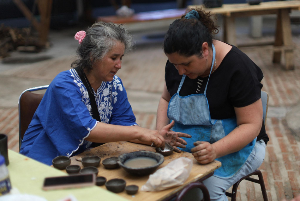
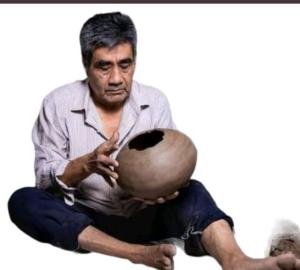
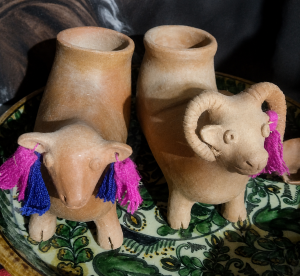
| Engagement of communities, groups and individuals as well as other stakeholders | The social fabric of the collective is based on the active integration of more than 80 women from 16 native communities, working under bonds of solidarity. Their intercommunal participation has achieved historical milestones, such as the exchange of knowledge with Awajún women from the Amazonas region, creating a unique synergy between the traditional ceramics of that area and the specialized biojewelry of San Martín. Furthermore, they have included strategic actors such as men and youth in the rescue of disused techniques (feather art), ensuring that heritage is an inclusive community construction. | |
| International engagement | The collective has elevated the value of its local practices to connect them with the global agenda for conservation and climate change mitigation. Through international strategic alliances, especially with Conservation International, their work has been validated as an effective mechanism for biodiversity protection. This global engagement has brought technical assistance to ensure sustainable production, proving to the world that the most effective way to save the Amazon is to protect the rights and culture of the women who inhabit and care for the forest. | |
| References | https://www.youtube.com/watch?v=ToDM8WECe4s&t=29s |
|










.jpeg)




.png)






.jpeg)
.jpg)



.png)
.jpg)


_(31711258567).jpg)