

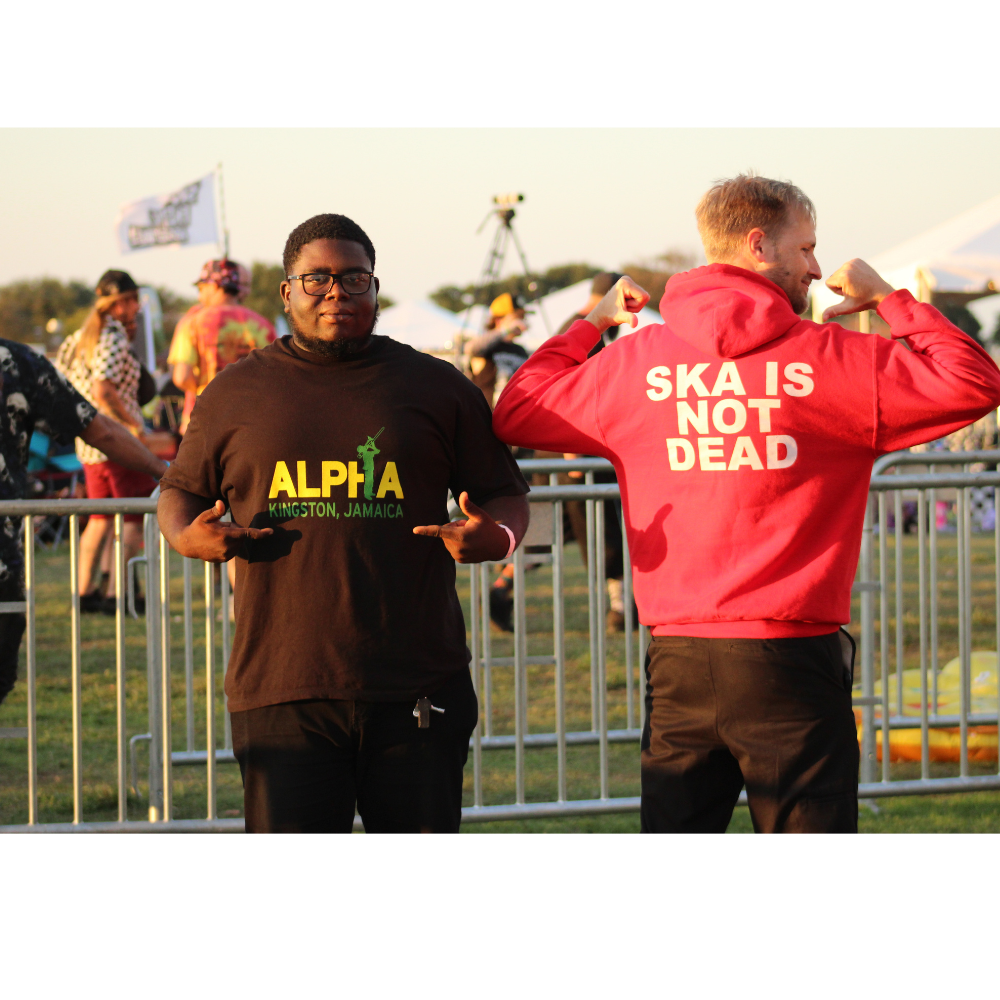
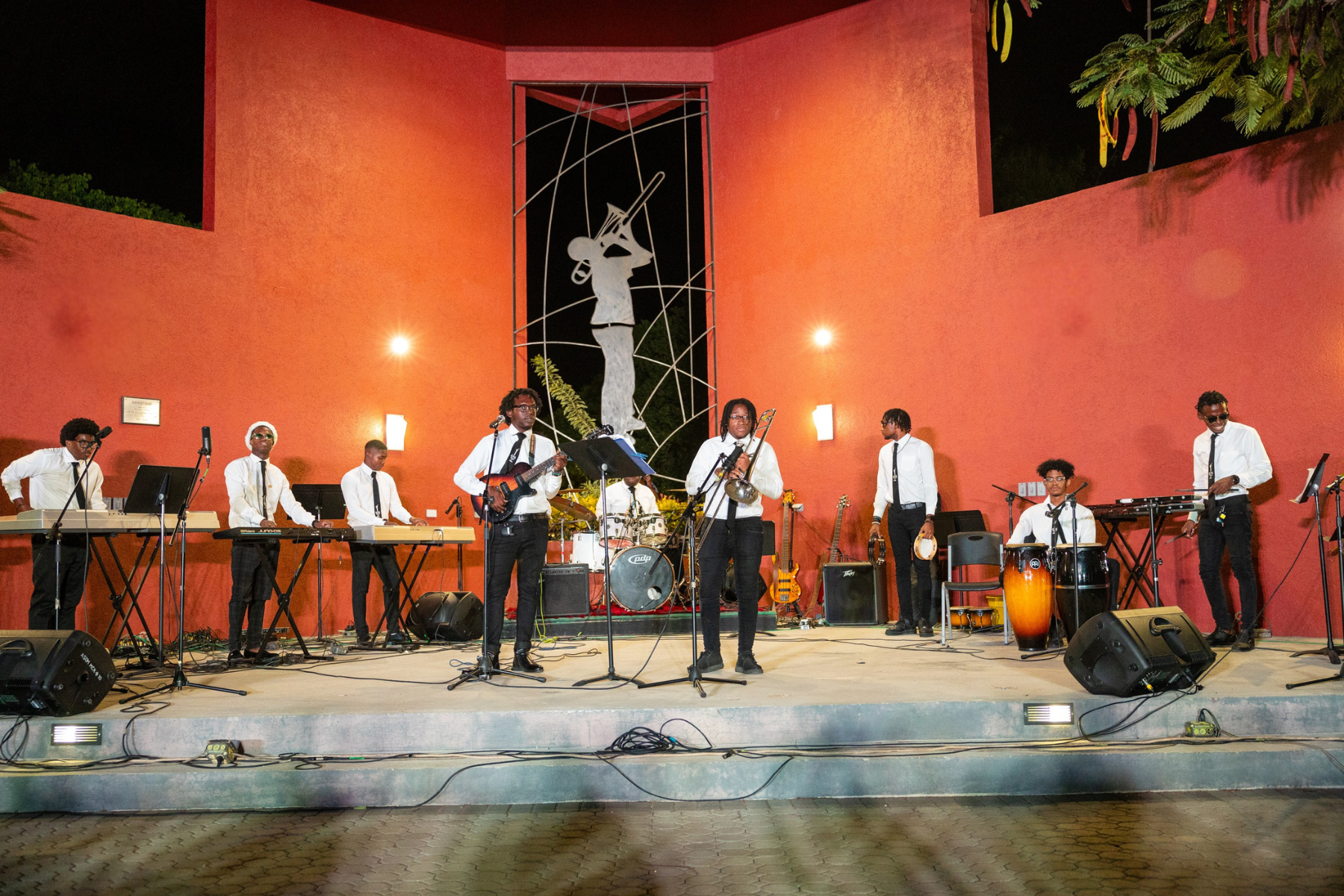
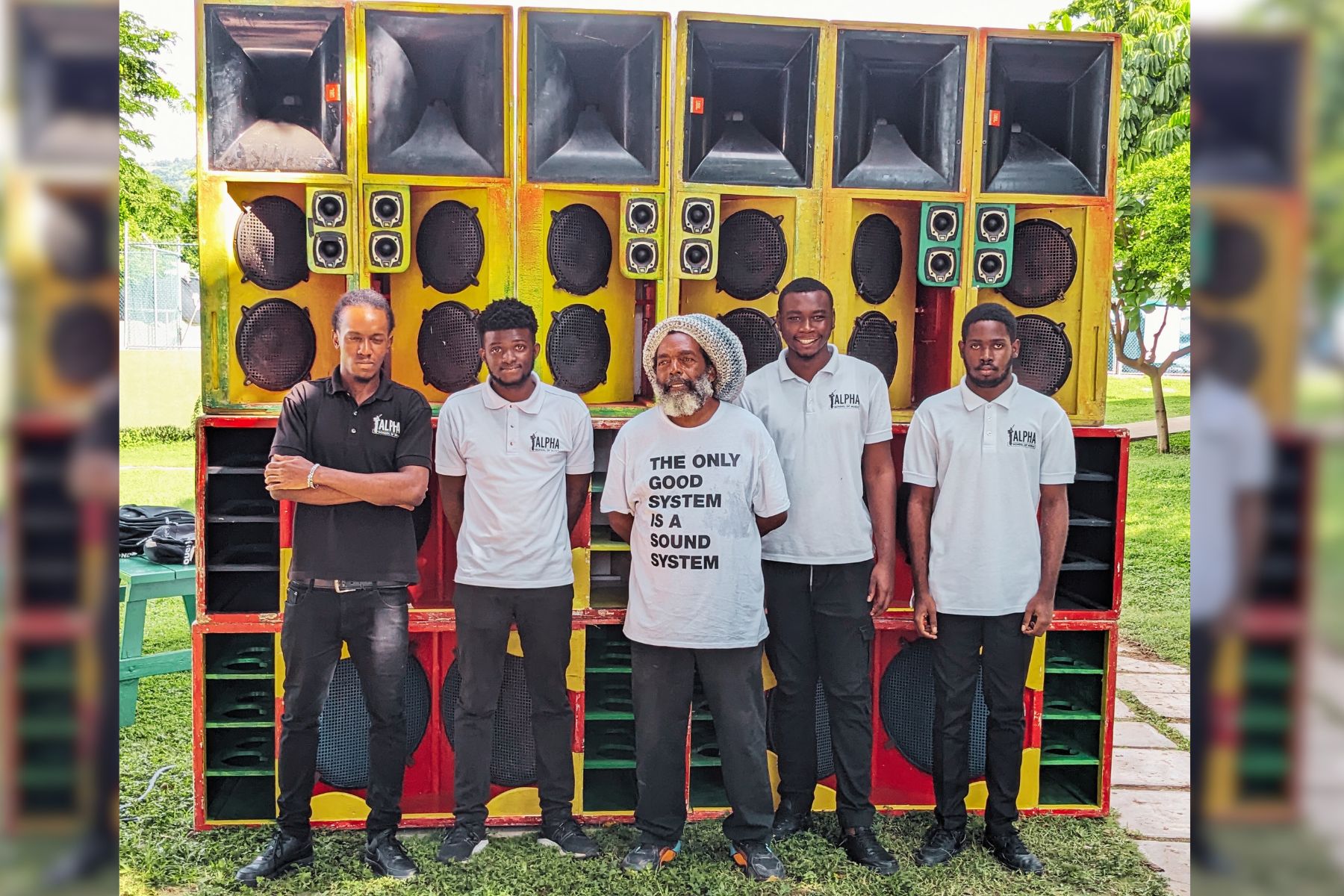
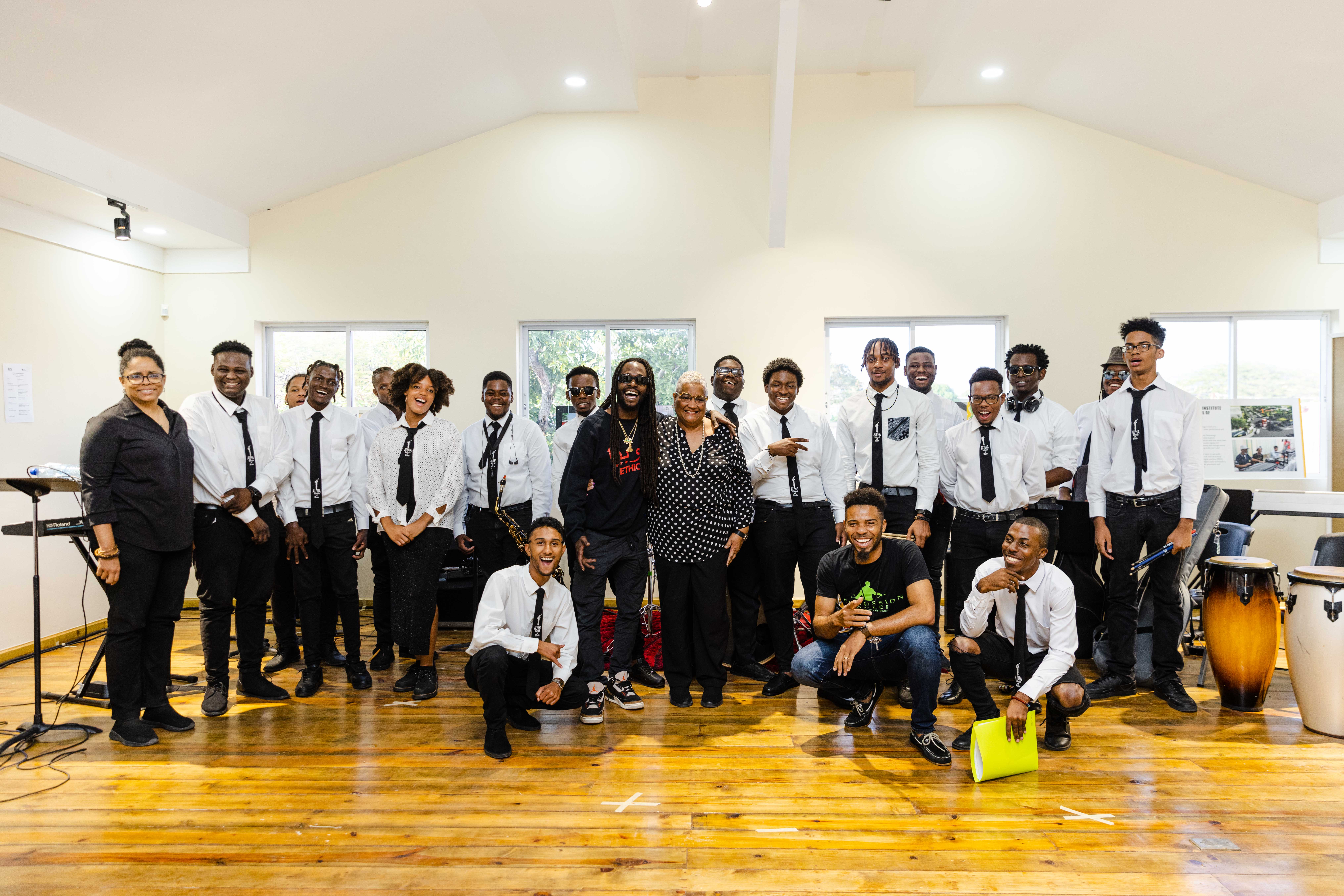
Jamaican popular music--ska, rocksteady, reggae, dancehall--is the foundation of popular culture but also critical to economy, community and identity. The role of the Alpha Boys School in the development of Jamaican intangible cultural heritage (ICH) is a uniquely Jamaican story. Led by the Sisters of Mercy, a Roman Catholic order of nuns, since 1890, Alpha Boys School went on to become pioneers of ska and reggae icons. Traditionally outside the formal, mainstream music education system, Alpha's embrace of music training has led to a significant accumulation of institutional and collective knowledge around development and transmission of ICH. Following renovations during COVID, Alpha launched a tertiary degree and is training young men and women from around Jamaica with a curriculum emphasizing Jamaican ICH. Its Community Music Programming is similarly focused on raising awareness and engagement with ICH at the educational and professional level in communities outside of Kingston.
05-04-2026
| Institutional and human capacities | Professional musicians thrive on a network of opportunities, from local hotels and recording work to overseas careers. Jamaican ska and reggae musicians followed a path to work in London, Europe and New York. The Alpha School of Music trains students for the commercial music and entertainment industry. The curriculum includes individual instruction on guitar, bass, drums, saxophone, trombone, trumpet, and keyboards, a foundation in music theory and ear training, best practices in music recording and production as well critical principles of music business and entertainment administration. Ska, reggae, blues, jazz and folk music are the primary instructional styles. | |
| Transmission and education | The Alpha Institute in Kingston, Jamaica is operated by the Sisters of Mercy in Jamaica, a Catholic order of nuns whose core concerns include marginalized youth, access to education and employment training. Alpha was founded in 1880 by local residents and the Sisters of Mercy were asked to assist in 1890. Called Alpha Boys School at the time, the Sisters of Mercy introduced Alpha’s music program in 1892 which subsequently launched the careers of pioneers of ska (Don Drummond, Lester Sterling) and reggae icons like Johnny Osbourne and 2-time Grammy nominee Yellowman. For its 100+ years of contributions to social and cultural development, Alpha has been called a “dream factory” (NPR/USA) for “legendary musicians” (Jamaica Gleaner) who “helped release the spirit of one of the most musical islands in the world” (The Telegraph/UK). | |
| Inventorying and research | Alpha’s place in Jamaica’s music pantheon can be heard on Alpha Boys School Radio, a 24/7 streaming platform that plays music featuring one or more Alpha graduates–alphaboysschoolradio.com. The Alpha School of Music is also documenting the culture by inscribing it in written music. Much of the challenge to preserving music is that it was not written down. As Alpha is based on music literacy, reading and writing music notes is an essential part of the culture. | |
| Policies as well as legal and administrative measures | Developing music education is a priority of policy makers, business leaders and educators. Strengthening the transmission of ICH withing public educational institutions and across communities serves everyone's interest. The Alpha school of music is working with partners to create an administrative format for the efficient transmission of ICH within and across communities. | |
| Role of intangible cultural heritage and its safeguarding in society | Jamaican popular music--ska, rocksteady, reggae, dancehall--is the foundation of popular culture but also critical to economy, community and identity. It is a major reason why visitors travel to the country in significant numbers. International exchange in turn helps to support the development and maintenance of Jamaica's ICH. | |
| Awareness raising | The Alpha School of Music hosts numerous free events multiple times a year for the local public. Its streaming radio station broadcasts to an international audience. Students and staff are sought out to comment on music education topics by the media. | |
| Engagement of communities, groups and individuals as well as other stakeholders | Jamaican popular music is an excellent catalyst for engagement. At Alpha, the school hosts tours and jam sessions for visitors, students and corporate groups who wish to understand personally ICH. As a school, Alpha is constantly seeking and strengthening relationships with employers, community partners and supporters. | |
| International engagement | Internationally, ska music fans trace its roots straight to Alpha which creates unique educational and professional opportunities. Alpha alumni impact on reggae and dancehall means wherever Jamaican music is played in the world there is engagement with Alpha. | |
| References |
|
|







































.jpeg)










.png)
















.jpeg)

.jpg)


.png)
.jpg)


_(31711258567).jpg)