
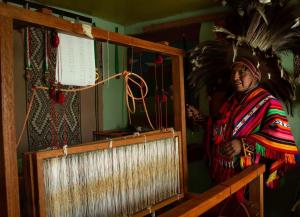
In the Oxapampa-Asháninka-Yanesha Biosphere Reserve (BIOAY), located in central Peru, the Yanesha people preserve an ancestral tradition: natural dyeing of textiles.
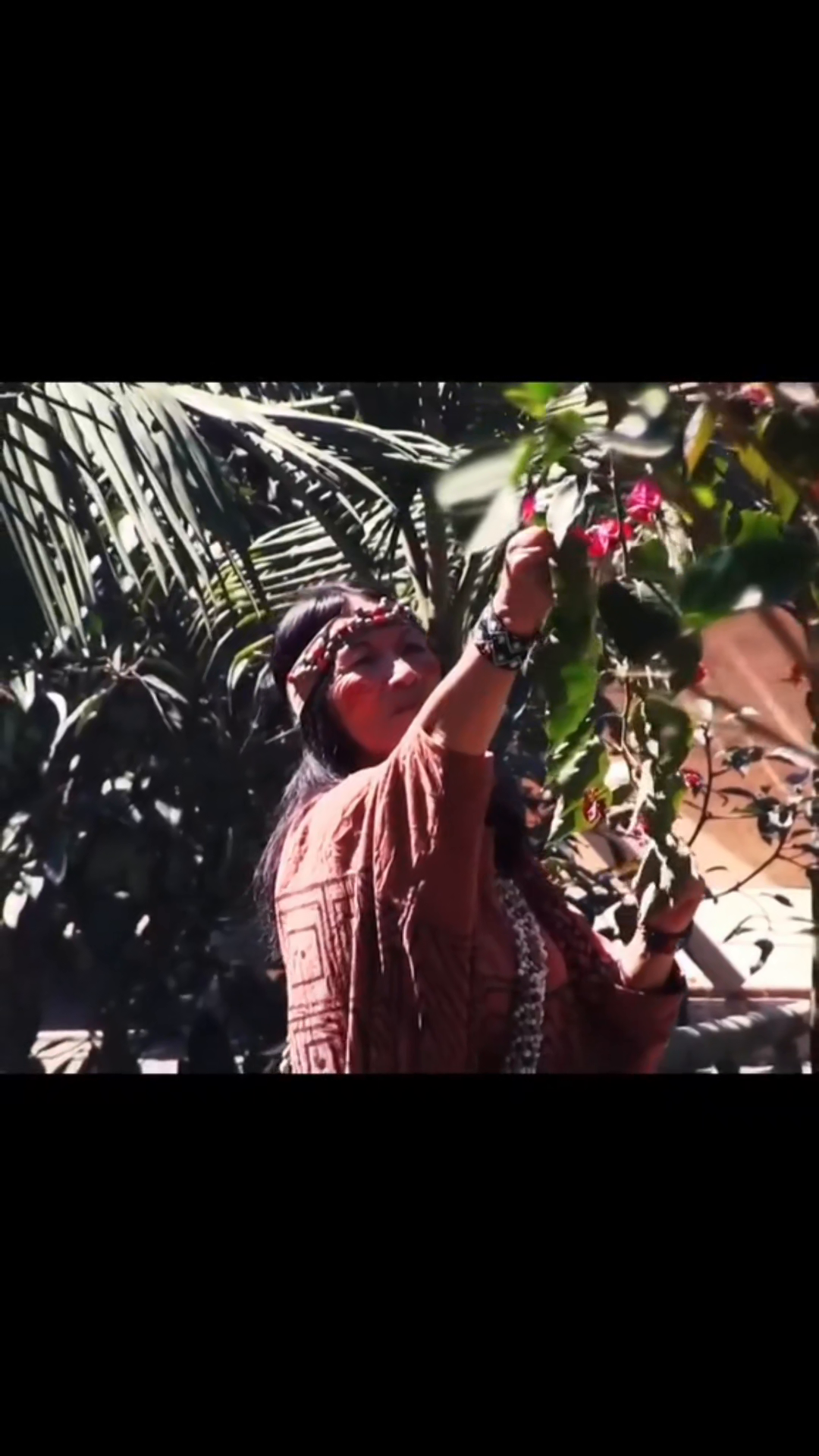
This practice, transmitted across generations, is based on the use of natural resources such as turmeric, achiote, matico leaves, castor leaves, leaves of the Yanesha tree Yetsñor, onion skins, coffee husks, as well as flowers and bark from trees such as pallón and cedar, among other locally used species in traditional dyeing practices.
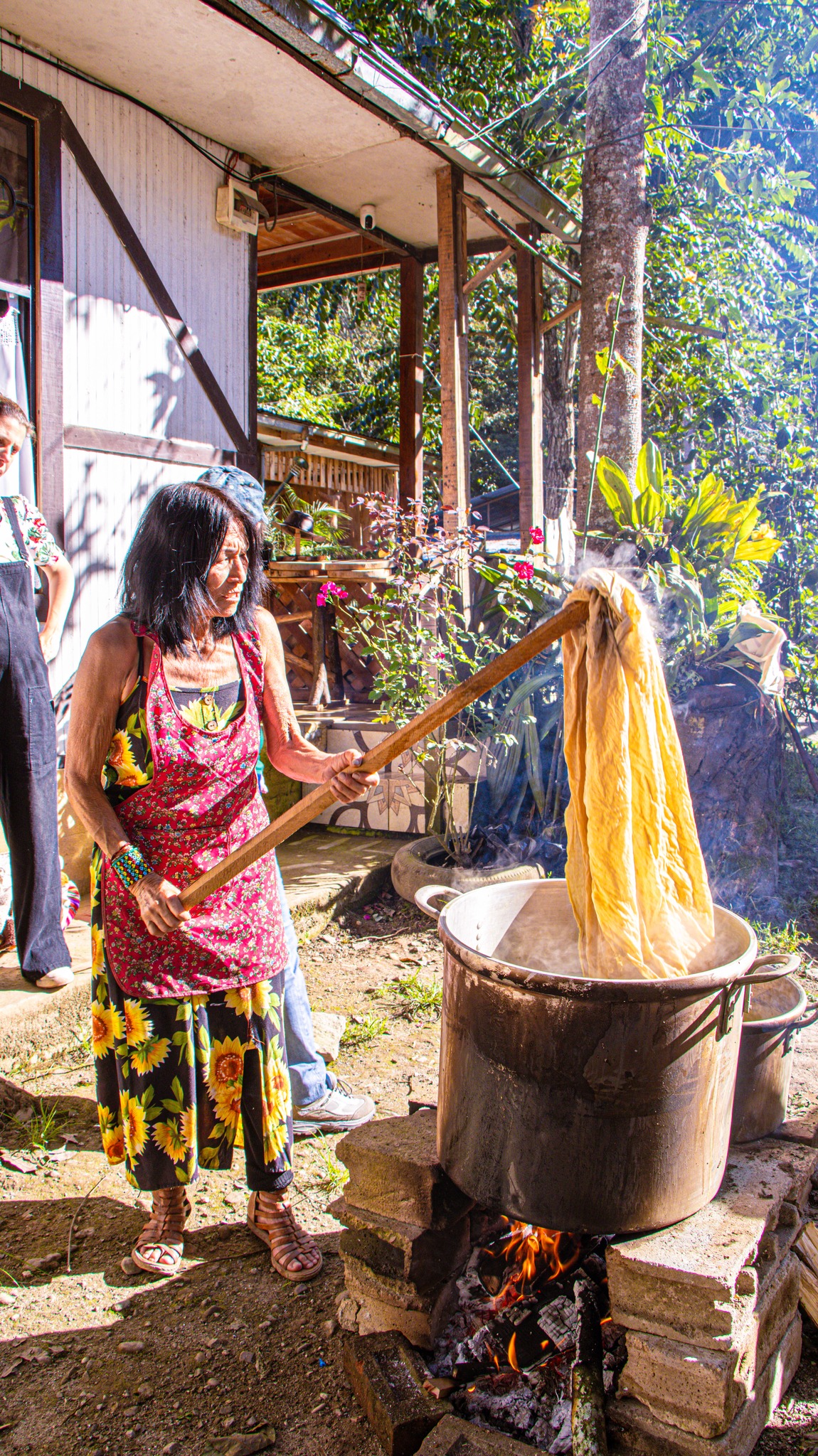
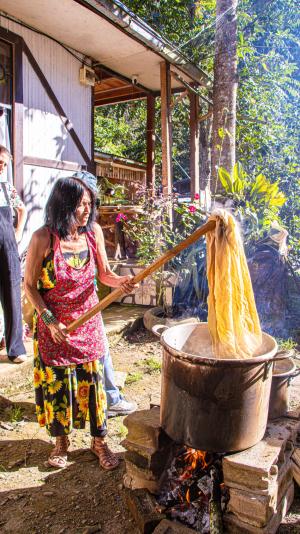
These resources allow the creation of a wide range of natural colors —including yellow, red, brown, and purple tones— through techniques such as cold dyeing, boiling, and tie-dye, combined with the use of natural fixatives.
Beyond its technical dimension, this practice reflects a worldview based on respect for nature, sustainability, and a spiritual connection with the environment.
Despite current challenges such as migration, climate change, and the loss of cultural practices, Yanesha natural dyeing remains active through intergenerational transmission within families and communities.
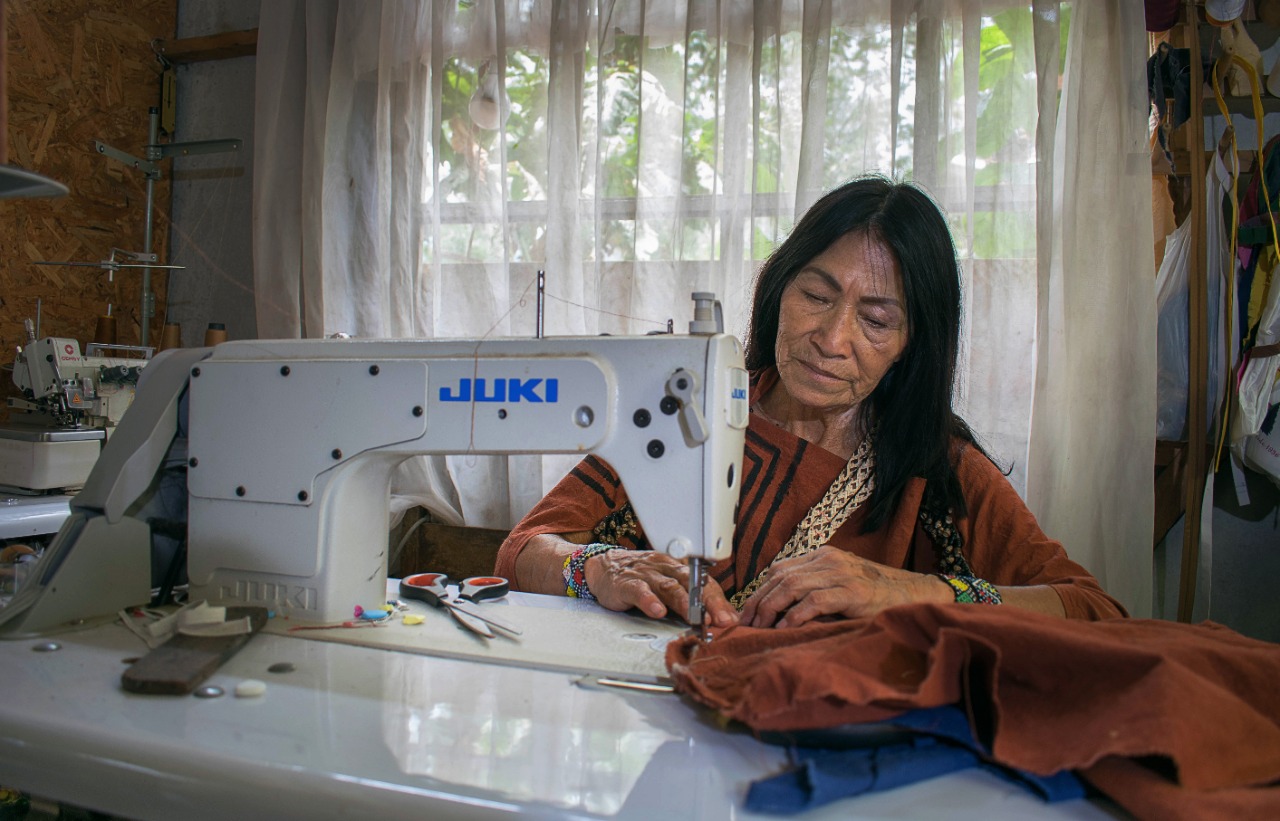
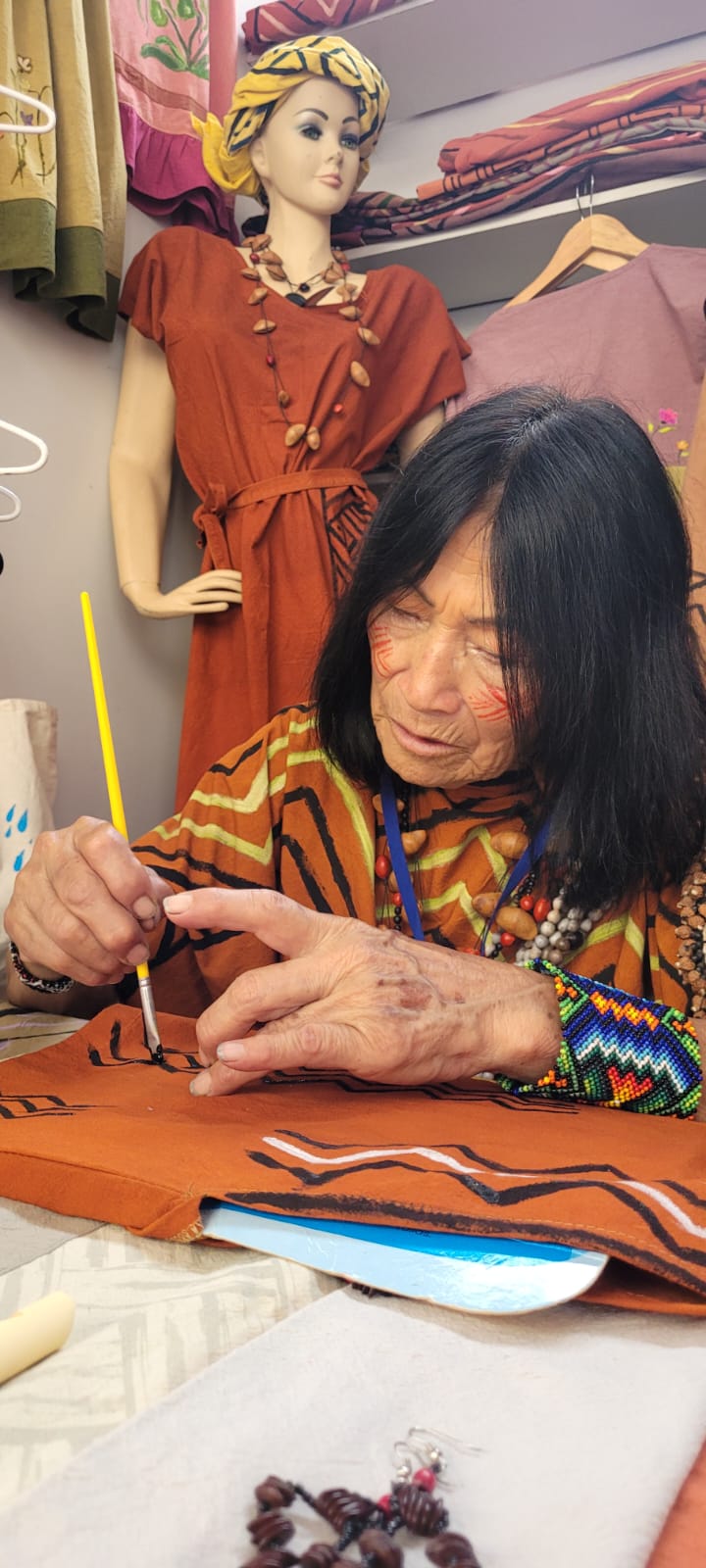
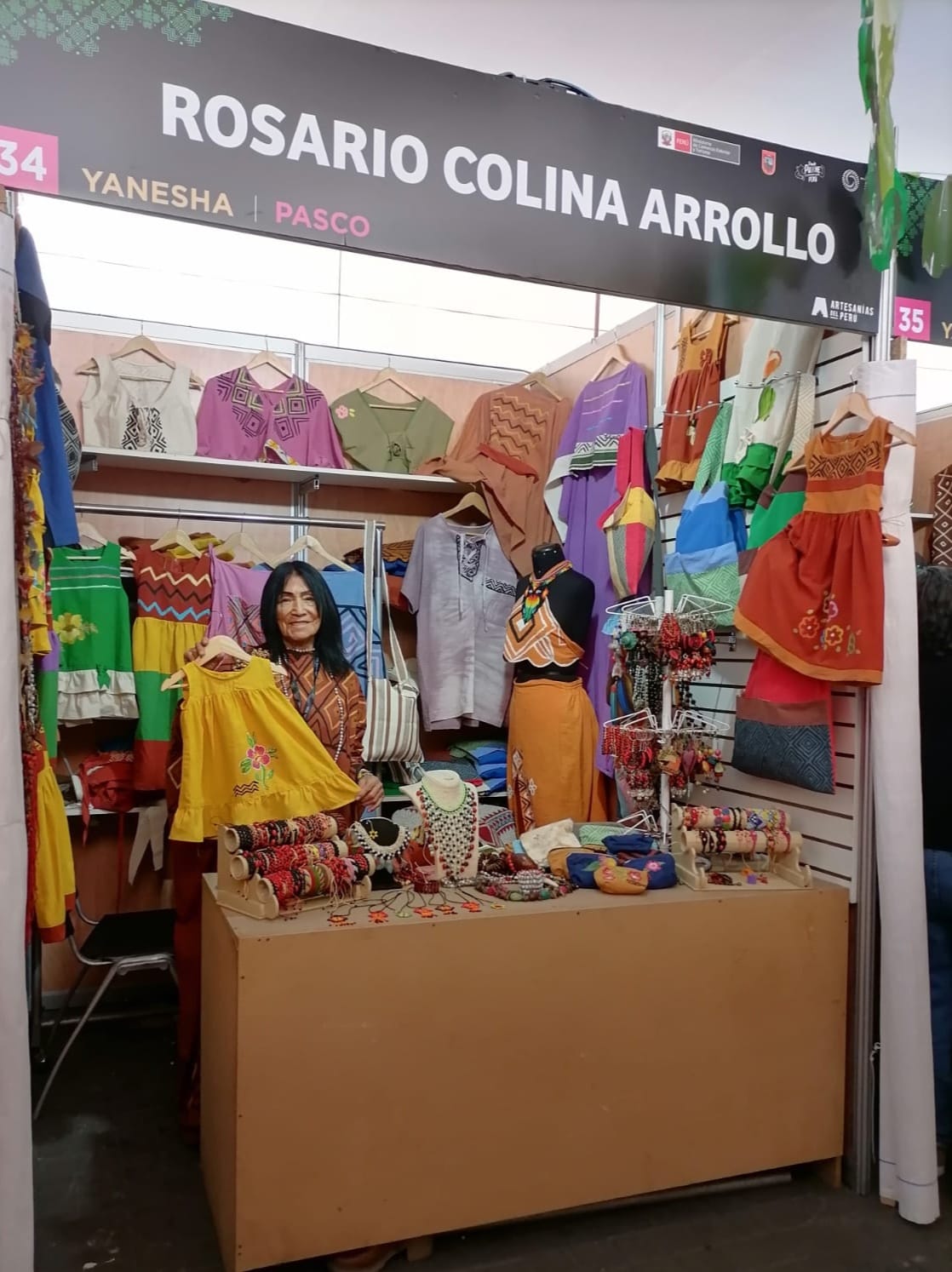
In this context, master artisan Rosario Petrona Colina Arrollo plays a key role as a knowledge bearer and transmitter. Through her work, she not only teaches traditional techniques to new generations but also promotes the responsible use of natural resources and the reforestation of dye-producing plants, actively contributing to the safeguarding of this intangible cultural heritage.
In this way, natural dyeing remains a living practice that integrates identity, culture, and sustainability within the Yanesha people.
05-03-2026
| Institutional and human capacities | The safeguarding of this practice is supported by the capacities of master artisan Rosario Petrona Colina Arrollo, recognized for her extensive experience in natural dyeing and the transmission of traditional knowledge. She has led training processes in indigenous communities and urban spaces, strengthening capacities in the use of natural resources, textile dyeing, and the creation of culturally meaningful garments. She has also collaborated with public institutions such as DIRCETUR, local municipalities, and social programs like Pensión 65, contributing to the strengthening of productive and cultural capacities within communities. Her work has been recognized at the national level with the National Award for Women Artisans 2025 (MINCETUR), as well as through regional recognitions, consolidating her leadership as a knowledge bearer and transmitter of intangible cultural heritage. | |
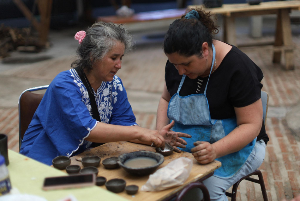
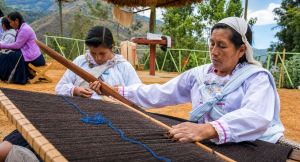
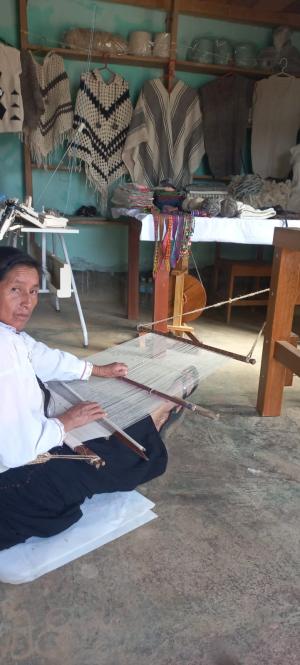
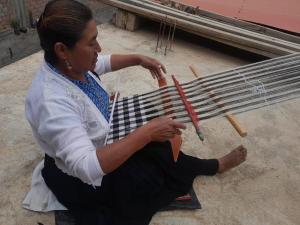
| Transmission and education | The transmission of this knowledge is carried out through a practical and experiential approach, where participants learn directly through hands-on experience. Master artisan Rosario Petrona Colina Arrollo, with more than 40 years of experience in natural textile dyeing, teaches the entire process, from the collection of dye-producing plants to textile dyeing, garment making, the hand-painting of Yanesha iconography, and embroidery using locally sourced seeds, all of which represent the cultural and symbolic identity of her people. This process includes the use of natural fixatives and traditional techniques such as cold dyeing, boiling, and tie-dye. Knowledge is transmitted within the family, the community, and through workshops for children, youth, and adults, ensuring intergenerational transmission. She has also led training processes in various indigenous communities, including Yanesha, Asháninka, and Shipibo-Konibo peoples, as well as in urban spaces such as museums in Lima, expanding the reach of this traditional knowledge. | |
| Inventorying and research | This inventory is part of a documentation process based on the collection of traditional knowledge related to natural textile dyeing of the Yanesha people. The information has been gathered through direct observation of the practice, documentation of technical processes, identification of dye-producing plants, and oral transmission of knowledge by master artisan Rosario Petrona Colina Arrollo. This process has also been accompanied and documented by her daughter, who actively participates in the practice, recording the teaching and production processes through photographs, videos, and direct experience. The community also contributes to the transmission of knowledge by sharing the cultural and symbolic meanings associated with the techniques and designs. This process contributes to the preservation of this knowledge as a living intangible cultural heritage. | |
| Policies as well as legal and administrative measures | The safeguarding of this practice is supported by public policies and institutional frameworks of the Peruvian State aimed at protecting and promoting intangible cultural heritage. These include the General Law of Cultural Heritage of the Nation (Law No. 28296), which recognizes and protects traditional cultural expressions. Additionally, the National Strategic Plan for Handicrafts (PENDAR) promotes the sustainable development of the artisanal sector and the preservation of traditional techniques. Programs such as Pensión 65, through the “Saberes Productivos” initiative, contribute to the transmission of ancestral knowledge by involving older adults in teaching processes. Likewise, institutions such as the Ministry of Foreign Trade and Tourism (MINCETUR) and the Ministry of Culture, through initiatives, national fairs, and cultural promotion platforms, strengthen the visibility and continuity of these practices. These measures contribute to the recognition, transmission, and sustainability of the intangible cultural heritage of the Yanesha people. | |
| Role of intangible cultural heritage and its safeguarding in society | Natural dyeing of textiles among the Yanesha people represents a living expression of their cultural identity and a fundamental pillar in the continuity of their ancestral knowledge. This practice not only preserves traditional knowledge related to the use of natural resources but also transmits the Yanesha worldview, strengthening the connection with nature and cultural belonging. Its safeguarding promotes intergenerational dialogue, as children, youth, and elders actively participate in learning and production processes. It also contributes to the economic empowerment of women artisans, who generate income through the production of culturally meaningful textiles. Additionally, this practice promotes the sustainable use of natural resources and the reforestation of dye-producing plants, contributing to sustainable community development. In this way, Yanesha natural dyeing not only preserves a tradition but also strengthens Peru’s cultural diversity and its projection at national and international levels. | |
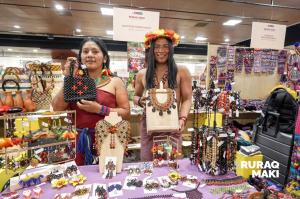
| Awareness raising | Awareness of the value of natural textile dyeing among the Yanesha people has been strengthened through participation in national fairs, cultural spaces, media coverage, and international events. Master artisan Rosario Petrona Colina Arrollo has participated in important fairs promoted by Peruvian public institutions, such as Ruraq Maki organized by the Ministry of Culture, as well as Arte Nativa and De Nuestras Manos promoted by MINCETUR, where she not only exhibits and sells her products but also performs live demonstrations, explaining the dyeing process and the cultural meaning of her work. She has also represented this practice in international contexts, including her participation in the Ecuaperú 2025 fair and in official activities organized by the Consulate General of Peru in Guayaquil, promoting cultural exchange and increasing the global visibility of Yanesha cultural heritage. Her work has been featured in national media and institutional platforms, including the official newspaper El Peruano, the Peruvian News Agency ANDINA, Trome magazine, digital platforms of the Municipality of Miraflores, and local media from the province of Oxapampa, contributing to greater recognition of this cultural practice. Her trajectory has been recognized at the national level with the National Award for Women Artisans 2025, in the entrepreneur/business category, granted by MINCETUR. She has also received regional recognitions such as the Mujer Pasqueña distinction (2014), awarded by the Regional Government of Pasco, and first place in provincial-level artisanal innovation competitions in Oxapampa. These actions have encouraged more people to learn about, value, and preserve this cultural practice. | |
| Engagement of communities, groups and individuals as well as other stakeholders | The practice of natural textile dyeing among the Yanesha people involves the active participation of communities, groups, and individuals, especially women artisans, children, youth, and elders, who are the main bearers and continuers of this knowledge. Master artisan Rosario Petrona Colina Arrollo plays a fundamental role as the main transmitter and a key cultural reference within her community, leading teaching processes and strengthening the continuity of ancestral knowledge. Participants not only learn techniques such as dyeing, garment making, Yanesha iconography painting, and embroidery using locally sourced seeds, but also engage in the responsible collection of natural resources, strengthening their connection with the environment and cultural identity. Other stakeholders are also involved, including the Ministry of Culture, the Ministry of Foreign Trade and Tourism (MINCETUR), social programs such as Pensión 65, and local municipalities, which contribute to capacity building, cultural promotion, and the sustainability of the practice. This articulation between communities, knowledge bearers, and institutions ensures that the knowledge remains alive, strengthening cultural identity and its transmission to future generations. | |
| International engagement | The practice of natural textile dyeing among the Yanesha people has gained international projection through the participation of master artisan Rosario Petrona Colina Arrollo in cultural events outside the country. Notably, her participation in the Ecuaperú 2025 fair and in official activities organized by the Consulate General of Peru in Guayaquil has allowed her to represent Yanesha textile traditions, promoting cultural exchange and recognition of Peruvian cultural heritage. These experiences have enabled the sharing of knowledge with international audiences, strengthening the visibility of this practice and generating interest in its preservation. In addition, the dissemination of this practice through digital platforms and cultural networks contributes to expanding its reach, connecting with global audiences interested in intangible cultural heritage. This international engagement reinforces the importance of natural dyeing as a living cultural expression with global projection. | |
| References |
|
|





.jpeg)



.png)
.jpeg)
.jpg)

.png)
.jpg)


_(31711258567).jpg)