
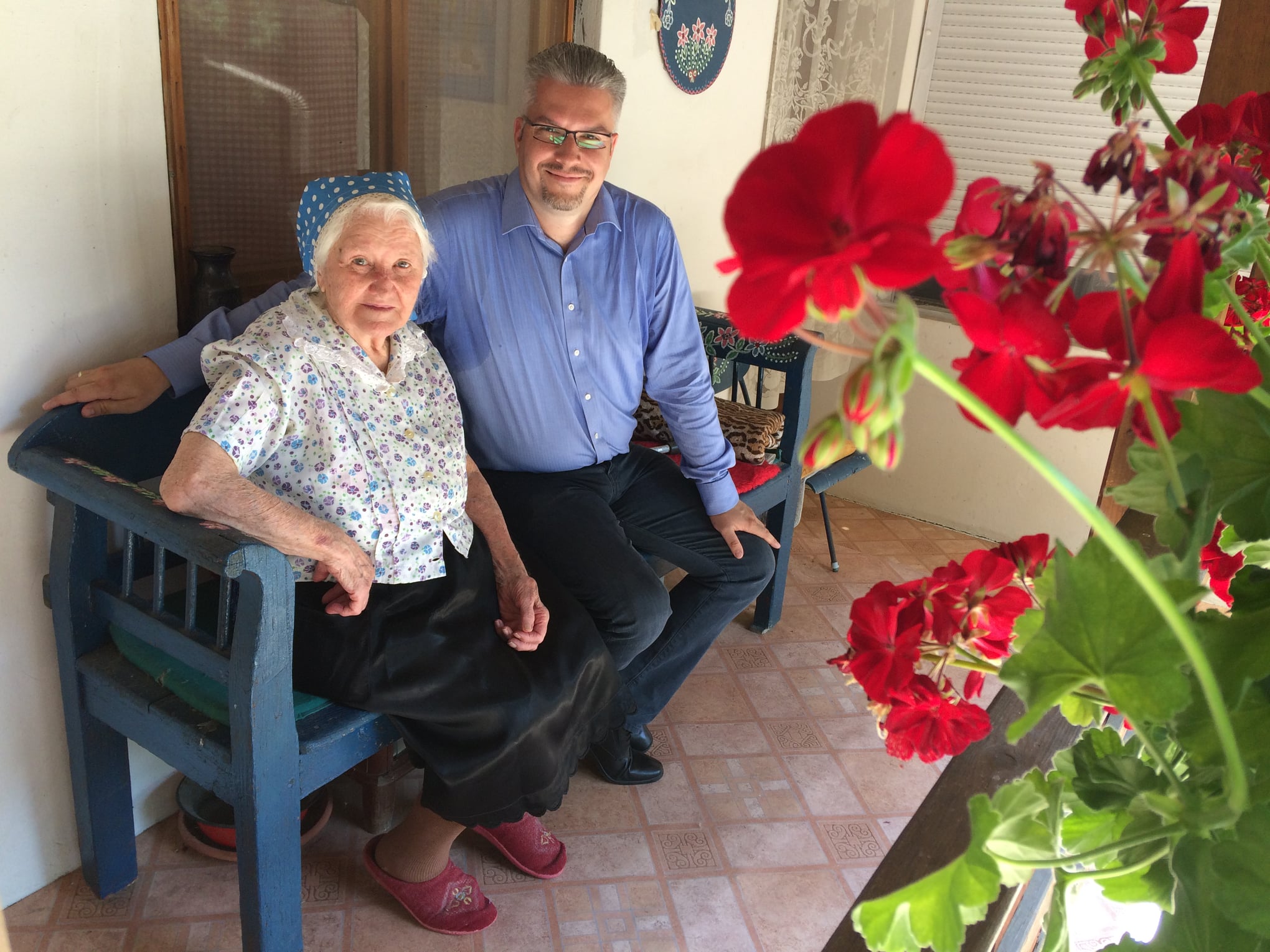
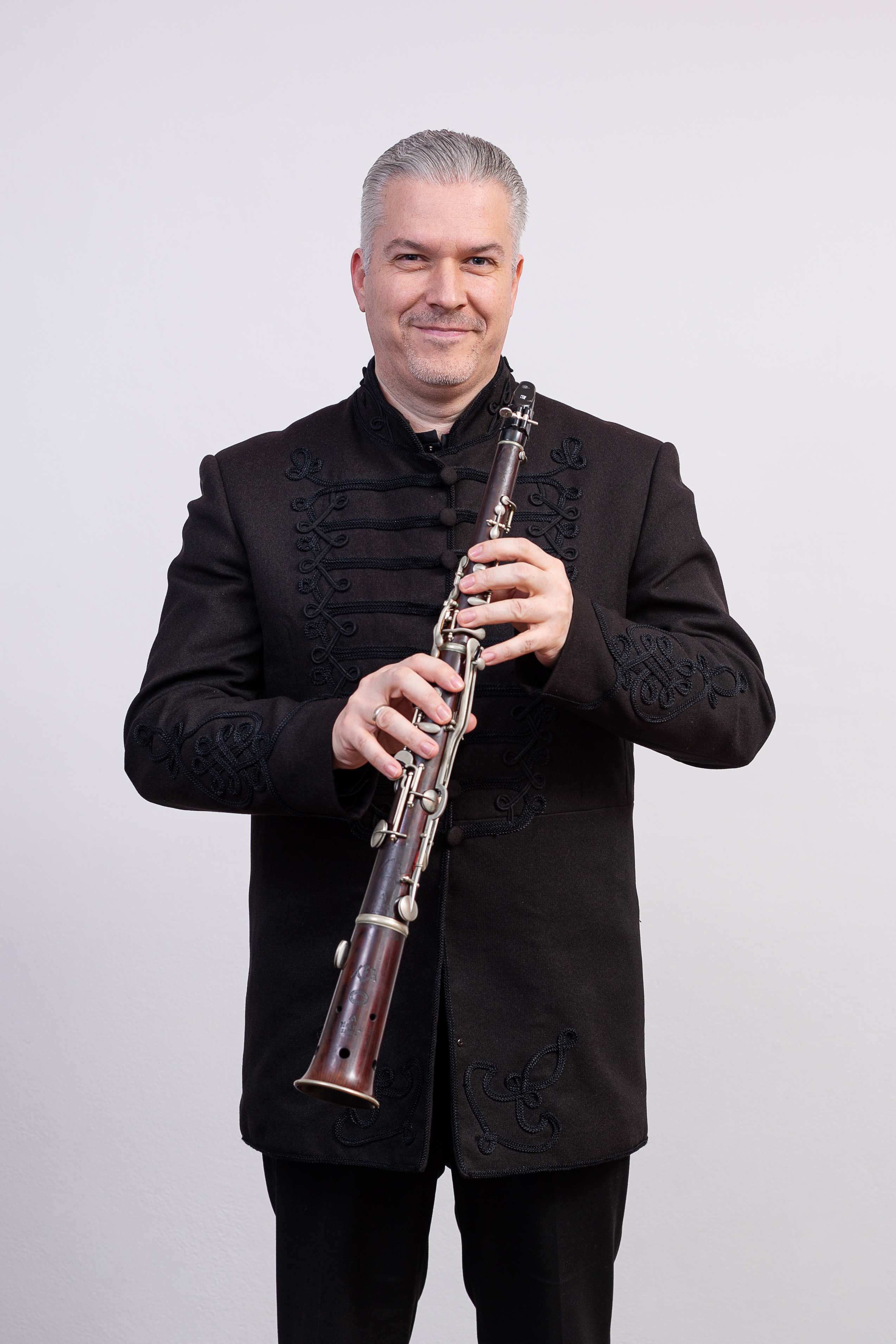
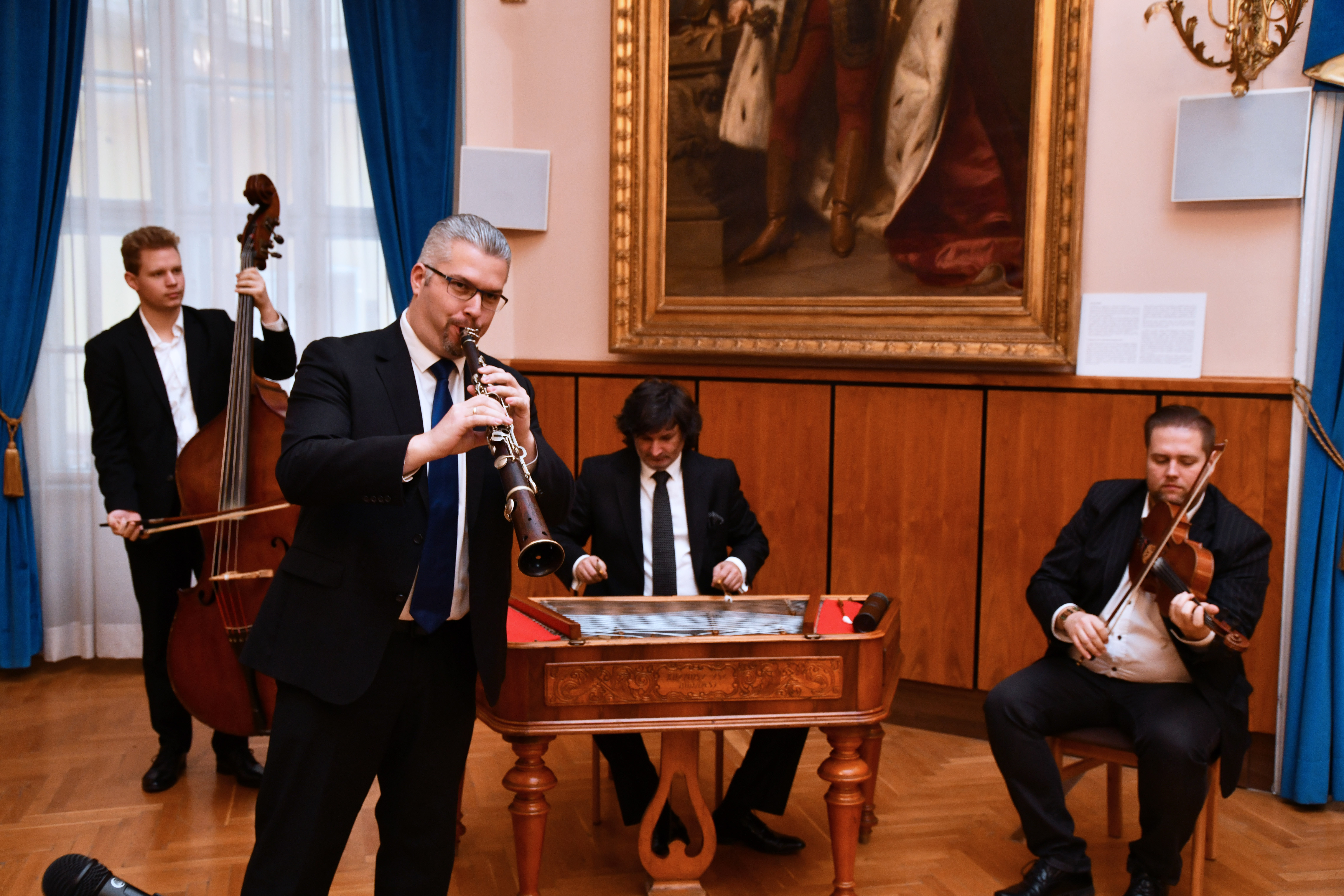
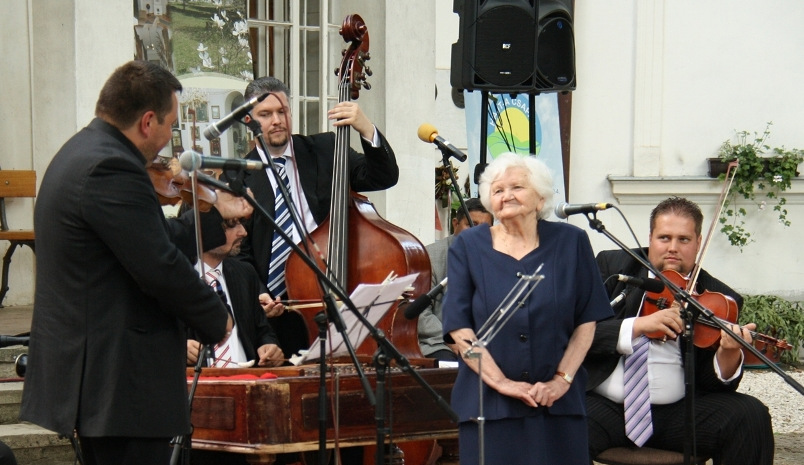
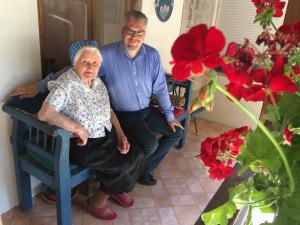
The folk music research of the Tápió region in Pest County, as an ethnographic landscape, began in the early 1800s. As a result of the continuous work of folk music researchers, over the past 225 years, more than 1,500 local folk songs have been documented in 21 settlements of the region. The settlement folk songs of more than 400 local singers have been recorded, which is the unique intangible cultural heritage of the region. Songs related to local customs, folk games, lamentations, songs of notable days, old-style folk songs, new-style folk songs, and contemporary "nóta" works documented by the 60 folk music researchers. By the 21st century, only a few people in the settlements, the oldest, sang local folk songs. Saving local folk songs, having the oldest people sing them, and getting to know the complete documentation, collections, and recordings in scientific institutions became an important task. In 2009, Dr. József Terék, a native of the Tápió region, undertook the task of following in the footsteps of Béla Bartók and Zoltán Kodály, the two greatest folk music researchers of the 20th century, by visiting the oldest people in the countryside and documenting those old folk songs that people know. He explored the research results of the time and felt that if he did not start this work, the folk songs of his homeland would be forgotten. The transmission of local folk songs has become his most important cultural work, and local folk songbooks, Cd's are being prepared one after another, from which local folk songs have become relearnable in schools and communities in the settlements of the Tápió region. Since 2009, he has produced more than 75 cultural heritage protection publications, more than half of which contain folk songs from the Tápió region. This will ensure that local folk songs, which were almost unknown or unsung in the early years of the 21st century, will survive for the next 50-100 years. The unique cultural heritage protection work is today one of the outstanding cultural innovations of the intangible cultural heritage in Hungary.
05-02-2026
| Institutional and human capacities | Cultural heritage protection projects are implemented in cooperation with the local governments and civil society organizations of the settlements along the Tápió region. Among the institutes, the Institute of Musicology, the Ethnographic Museum and the National Széchényi Library have databases containing previous research results that are legally available for scientific use. Local civil society organizations support local governments in implementing local tasks related to the physical implementation of the project. Fulfilling the application conditions necessary for publishing folk songbooks, returning the intangible cultural heritage and teaching it is implemented at the local level. The scientific research work was carried out by Dr. József Terék, who is the most prominent representative of the folk song heritage of the Tápió region. Cultural publications are prepared with the involvement of a scientific reviewer, and folk music CDs containing local folk songs are prepared by Dr. József Terék's orchestra. | |
| Transmission and education | The most important task in order to protect the intangible cultural heritage is to pass on the folk song heritage of the settlements of the Tápió region to the future generation. Following the publication of the publications, children can learn folk games in kindergarten and local folk songs in school, and there is an opportunity to learn local folk songs in art schools and music schools. Children can now complete primary school by getting to know their own folk song heritage by the age of 14. To this end, a book containing local folk songs has been included in the local school curriculum and can be used as an educational aid in several institutions. Local folk songs thus appear at celebrations, events, and folk song singing competitions in the settlements, and form a generational bridge between the youngest and oldest people. Several Tápió rural folk songbooks can now be found in other counties of Hungary, in secondary and higher education institutions, as educational aids, which are used with love by folk song teachers, as they are volumes containing new knowledge. | |
| Inventorying and research | The folk music research of 21 settlements of the Tápió region has been carried out by Dr. József Terék since 2009. He continuously publishes the research results and gives lectures on the experiences gained at conferences in Hungary and abroad. He obtained his PhD degree in 2023 at the Doctoral School of History and Ethnography of the University of Debrecen, where he wrote his dissertation entitled "Folk songs and folk music of the Tápió region in the 20th century". In his dissertation, he summarizes the research results of the past 225 years. His research work consisted of a complete exploration of the databases of scientific institutes, conducting fieldwork in 21 settlements along the Tápió river, making audio and video recordings, and compiling photo documentation. He has conducted research in the settlements more than 200 times, and he passes on his research results to the settlements so that young people can learn and relearn their own folk songs as soon as possible, which only a few elderly people in the villages know. | |
| Policies as well as legal and administrative measures | Dr. József Terék began his work as a folk music researcher based on the works of the leading Hungarian folk music researchers of the 20th century, taking into account their publication system and the systematization of folk songs. Strict rules are taken into account when compiling folk songs into books that are suitable for scientific, educational and everyday use. The Kodály method, which aims to preserve traditional folk music, is included in the UNESCO Intangible Cultural Heritage. The collection, documentation, systematization and transmission of folk songs from the Tápió region shows many similarities with the Kodály method. The transmission of folk songs from the Tápió region is a good example of how, today, in the 21st century, the local folk song heritage can be passed on to the future generation. It encourages researchers and settlements in other counties beyond the Tápió region to do the same. The more settlements get back their own folk song cultural heritage as their unique intangible cultural heritage, the stronger our sense of national identity will be. | |
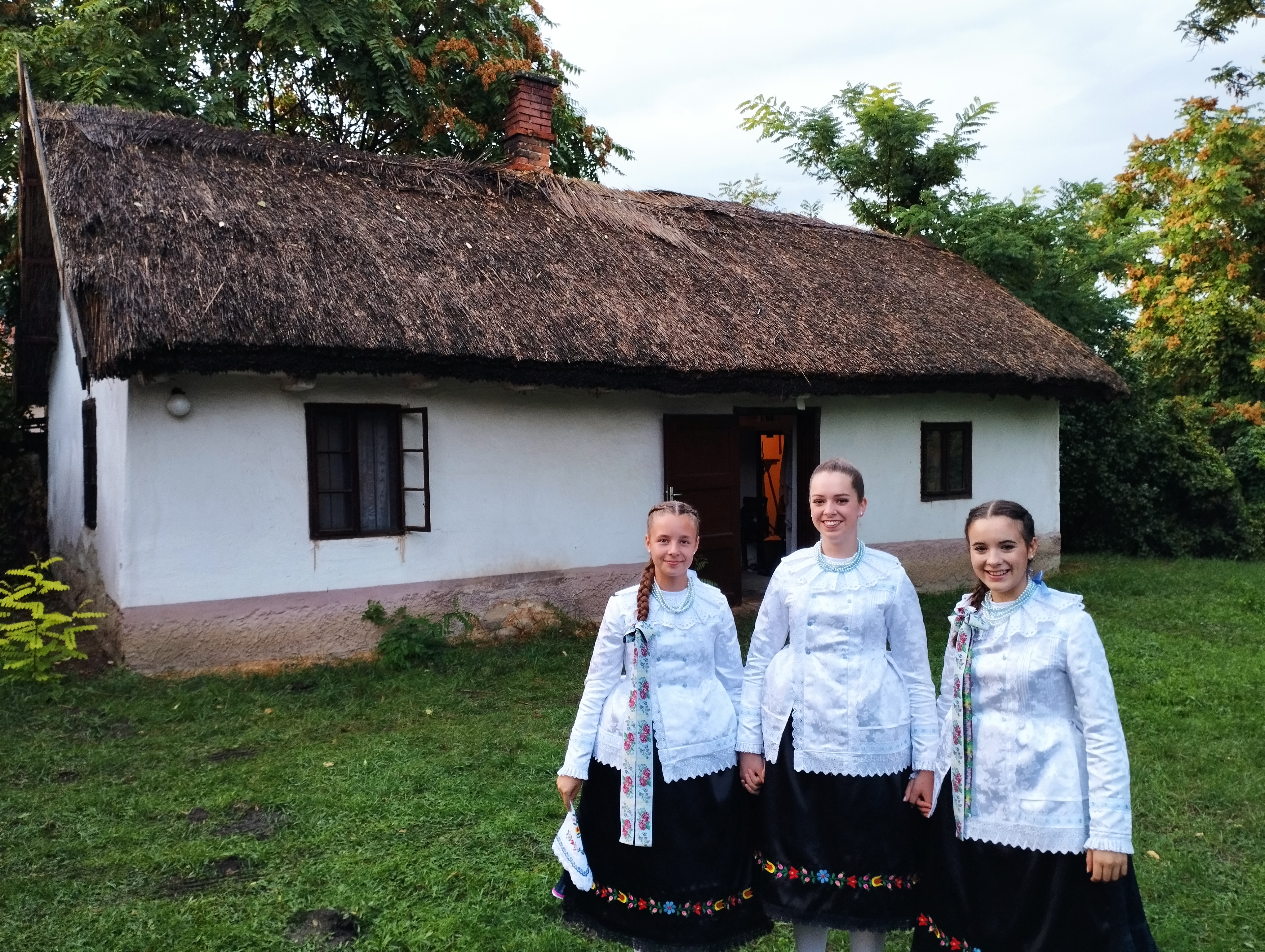
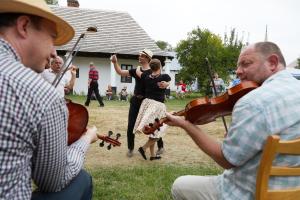
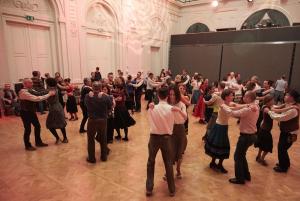
| Role of intangible cultural heritage and its safeguarding in society | The protection and role of intangible cultural heritage is prominent in Hungary today. The protection of the folk song treasure of the 21 settlements of the Tápió region as our intellectual cultural heritage is a priority task of Dr. József Terék. Folk songs ensure a strong local, national identity. They provide a sense of belonging to communities and a connection between generations, which the people living there are proud of. Ethnographic customs, local folk costumes, folk dances, and all folk art values are related to all of this. By getting to know local folk songs, the authentic folk dance program Bartók along the Tápió River was completed in 2023 as a result of the joint work of the Nagykáta Tápiómente Dance Ensemble and Dr. József Terék, from which the folk dance, folk songs, folk costumes, and folk music of the region can now be learned. Many young people sing the songs of the region, and they are happy to present them throughout the country and at international performances. Dr. József Terék founded the Tápió Region Folk Song Competition in 2015, which welcomes talented young folk singers from 187 settlements in Pest County and Budapest every year. Songs from the Tápió region will be only performed at the competition. The researcher regularly performs as a tárogató artist abroad and regularly presents the folk songs of the Tápió region in some musical compositions at his Tárogató Hungarikum Concert. The many Tápió Region folk songbooks and folk music CDs are now a nationally known cultural heritage protection publication series, which is also recognized by researchers, folk singing teachers, folk singers, folk musicians and the settlements. | |
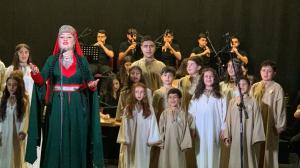
| Awareness raising | The importance of the folk songs of the Tápió region is now not only prominent in the 21 settlements of the region, but also nationally and is continuously present at the international level. In the 21 settlements, local folk songs are sung as an outstanding cultural heritage, which was previously sung by the older generation, but today young people can also learn and sing them again. The folk songs of the Tápió region are present at settlement events, festivals, and regional events. The folk songs can be heard regularly on the Hungarian Dankó radio, which means they reach every continent. Dr. József Terék founded the Tápió Vocal Ensemble in 2019, which consists of the most talented young folk singers of the region. They achieved first place in numerous international competitions with the Tápió region's folk songs. The researcher and tárogató artist presents our Hungarian musical instrument, the tárogató, at international concerts, masterclasses, academies, and at the invitation of embassies, on which the folk songs of the Tápió region also resound. The musical composition made of folk songs has already been performed in China, the Philippines, Vietnam, Cambodia, the Republic of Palau, Macao, Australia, Canada, Palestine, Kosovo, Canada, Morocco and many other countries. In 2016, he founded the Tárogató Festival in his hometown of Tápiószele, and has been its artistic director ever since. It is very important to him that the people present can also get to know the folk songs of the Tápió region among the performing ensembles, because this is one of the most outstanding cultural heritages of the region. As a result of all this, it can be said that the effort to draw attention to the folk songs of the Tápió region has been successful, because they are now known locally, nationally, and internationally. | |
| Engagement of communities, groups and individuals as well as other stakeholders | Many communities and groups have joined the process of passing down and popularizing the folk songs of the Tápió region in recent years. Tradition-preserving groups had been popularizing their local cultural values in several settlements for decades, and the conscious popularization of local folk songs began in 2009, with the beginning of Dr. József Terék's research. The settlements also feel the importance of local folk songs, which is why they are placing increasing emphasis on them. Settlement events now almost everywhere include local cultural heritage and local folk songs. And the communities are happy to relearn their own folk songs, the Tápió region folk dance, which they also perform during events. Hungary's foreign missions are also interested in preserving and popularizing the intellectual cultural heritage. It is an honor for the researcher when, as a tárogató artist, he can present his homeland, the Tápió region folk song treasure, or a fragment of it, during his concert. Cultural heritage protection work is also of paramount importance for musicology, as it is a good example of how the folk song treasure of an ethnographic landscape can be returned to the inhabitants of the settlements, to the communities, and to individuals. In this way, the documented folk song treasure becomes a living folk song treasure, just as it could have been in the region 100 years ago. | |
| International engagement | Dr. József Terék is continuously popularizing the folk songs of the Tápió region. In 2020, he gave a scientific lecture on the folk music research of the Tápió region in the Philippines and in 2024 in Australia. During his masterclasses, the folk songs of the region were presented in a musical composition organized by the Wuhan Conservatory of Music (Wuhan), Ho Chi Minh Conservatory of music (Saigon), Vietnam National Academy of Music (Hanoi),University of the Philippines (Manila), University of Santo Tomas (Manila), Ateneo de Davao University (Davao), Universidade de Macau (Macao), Saudi Music Hub (Riyadh), Royal University of Fine Arts (Phnom Penh) and numerous academies and institutions. Dr. József Terék wrote the first score for a tárogató-piano duo in music history, which was published under the title Performance Pieces for Tárogató and Piano and contains 75 performance pieces, the author's own works, including folk songs from the Tápió region. The folk songs of Tápió region are performed at international festivals by the researcher and tárogató artist. He has been awarded numerous Hungarian and international awards for his activities in promoting and transmission cultural heritage during his 35-year musical career. | |
| References | https://m2.mtmt.hu/gui2/?type=authors&mode=browse&sel=10072190 https://music.youtube.com/search?q=terek+jozsef https://open.spotify.com/artist/3W3BsQltqr3Zprf3LeWpBV/discography/album https://www.youtube.com/channel/UCzFiy8O_LYNoz8tOGoUWTwA https://dea.lib.unideb.hu/items/b33a90f6-719b-45e3-b165-216a2cbfbe08 https://moosz.com/hirek/a-kulturalis-oroksegvedelmi-kiadvanyok-eve-volt-2022-pest-megyeben https://fotinfo.hu/hianypotlo-konyv-jelent-meg-a-foti-nepdalokrol/ https://www.youtube.com/watch?v=JqvHjjvqrlc https://terekjozsef.com/ https://drive.google.com/drive/folders/1k-8lO7I16C1y7BRw1p_t90ikw_QNmjiN?usp=drive_link |
|

























.jpeg)





.png)









.jpeg)

.jpg)


.png)
.jpg)


_(31711258567).jpg)