
Established in 2002, the Cultural Research Foundation (KAV) is a pioneering non-governmental organization dedicated to safeguarding a vast spectrum of Turkey’s Intangible Cultural Heritage (ICH), ranging from culinary traditions and handicrafts to rituals and toy culture. Driven by a core mission to defend cultural rights and cultivate heritage awareness—particularly among the youth—KAV has established a formidable international presence. Recognizing its rigorous scientific methodologies, KAV was granted official advisory status to the Intergovernmental Committee under the 2003 UNESCO ICH Convention in 2012, and holds esteemed accreditations from global institutions including WIPO and FAO. The "Toy Research Program," which was formalized and intensified in 2005, stands as a crown jewel in KAV's historical trajectory.
05-01-2026
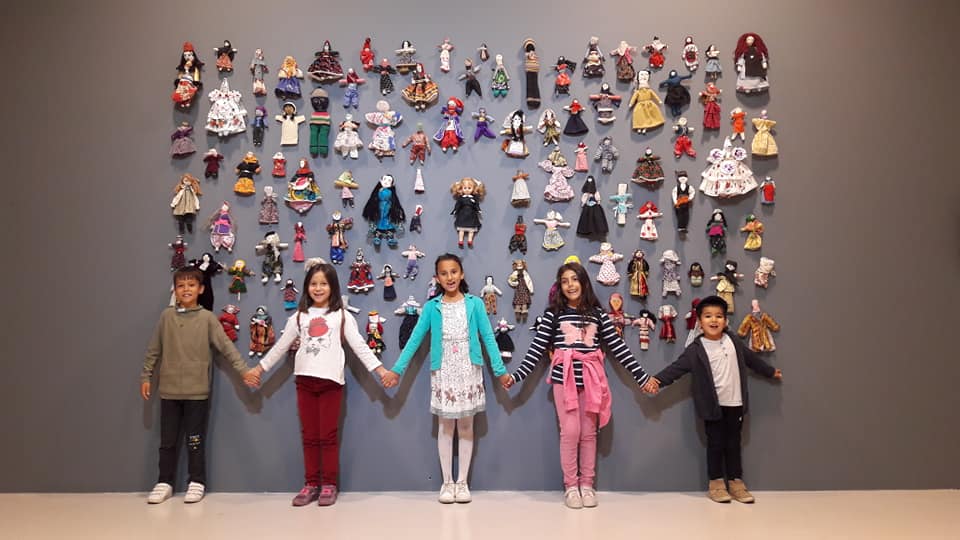
| Institutional and human capacities | • The Cultural Research Foundation (KAV) conducts specialized programs such as the Toy Research Program and the Culinary Culture Research Program for the safeguarding of cultural heritage. • As a result of the Foundation's research, an extensive audiovisual archive has been created, consisting of approximately 200 hours of audio recordings, over 80 hours of documentary footage, and more than 5,000 photographs and digital images. • The Foundation holds a collection of nearly 500 toys compiled from a wide variety of materials such as wood, metal, cloth, and clay, as well as a spinning top collection of nearly 300 pieces, which is the most comprehensive of its kind in Turkey. | |
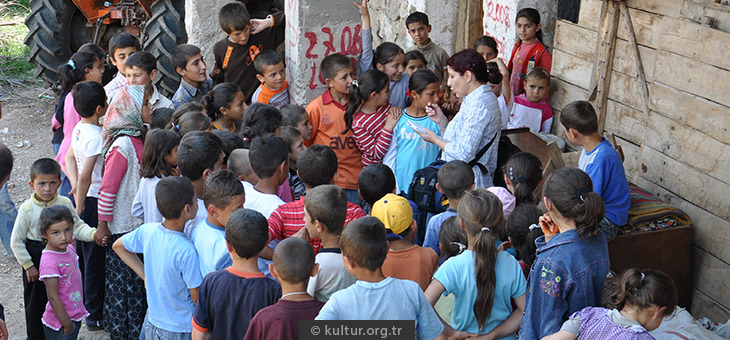
| Transmission and education | • Seminars on the history of traditional games and toys, as well as their effects on motor development, were given to undergraduate and graduate students at various academic institutions such as Muğla, Gazi, Marmara, and Maltepe universities. • Hands-on toy-making workshops were organized for preschool and primary school-aged children in cities such as Ankara and Izmir. • Educational and cultural trips were organized for kindergarten children in Izmir to visit evil eye bead workshops and olive oil presses, enabling children to directly experience, observe, and touch heritage elements. | |
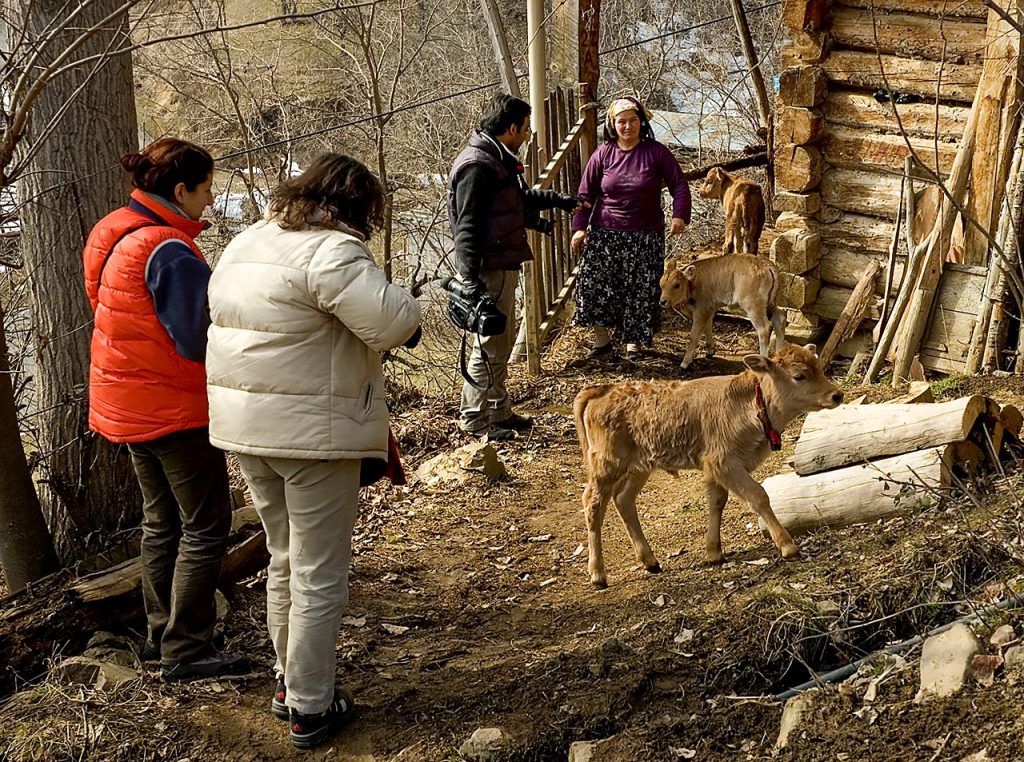
| Inventorying and research | • Face-to-face compilation studies were conducted with various source persons ranging from 7 to 80 years old in almost every province of Anatolia. • Interviews were held with toy collectors across Turkey, and approximately 30 museums were visited to photograph and document the toys registered in their inventories. • A detailed inventory of the Ankara University Toy Museum was created in 2013, and the toys in KAV's own collection were categorized and recorded starting in 2016. • Over 230 names given to the traditional spinning top toy in Anatolia were identified in the field and analyzed. | |
| Policies as well as legal and administrative measures | • An official contract was signed with Ankara University to carry out the inventory studies of the Toy Museum operating within the university. • Official collaborations were carried out with state bodies such as the Ministry of Culture and Tourism, the Turkish Post (PTT), and the Turkish Language Association for exhibitions, publications, and events. | |
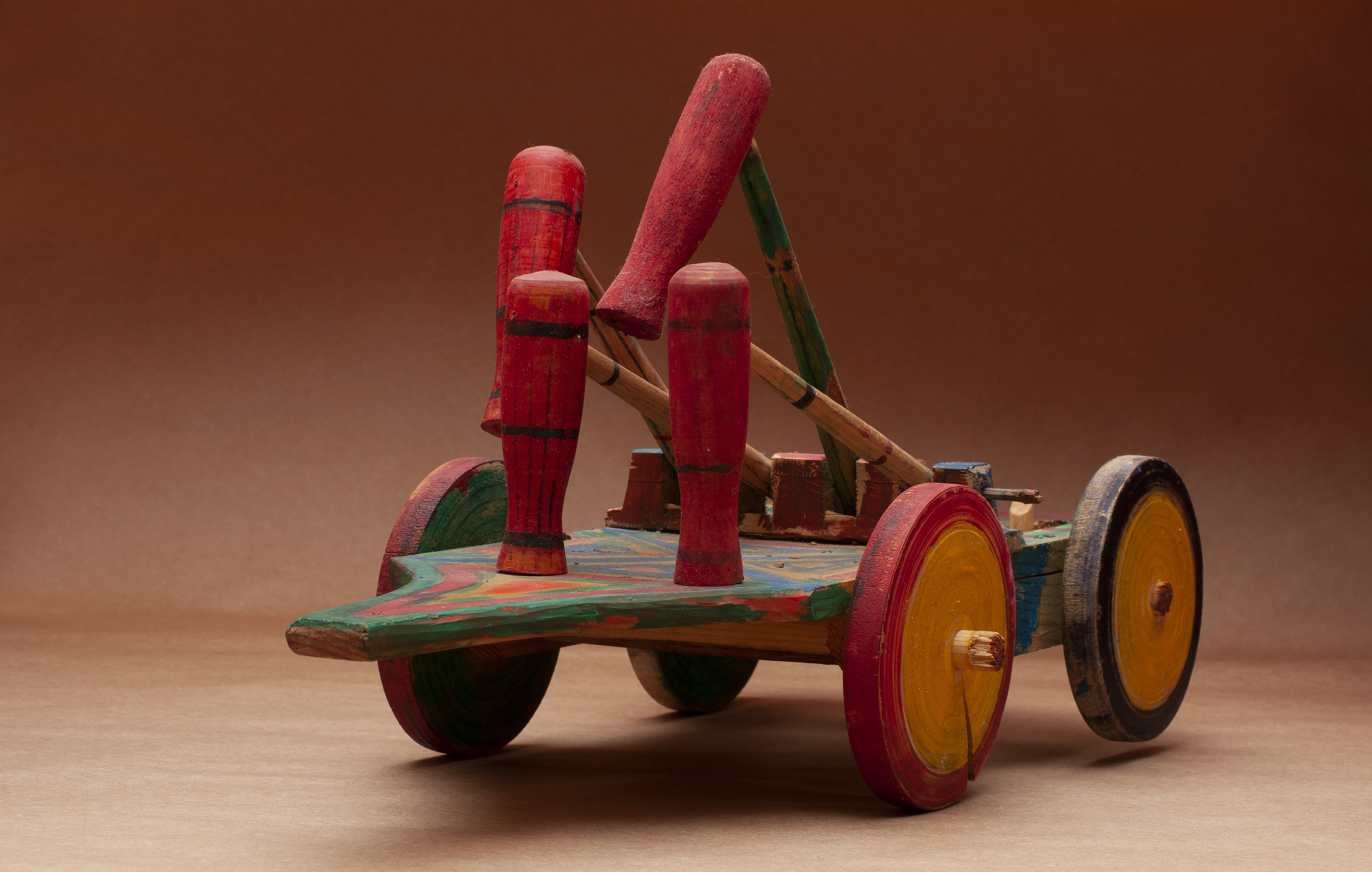
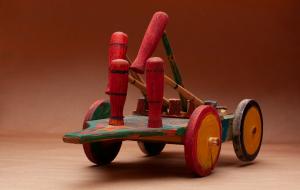
| Role of intangible cultural heritage and its safeguarding in society | • Traditional toys identified during field research were saved from disappearing either by having them reproduced or by purchasing them, thereby adding them to the Foundation's collection. • Photographs of the "Wooden Cradle" and "Wooden Oxcart" from the KAV archive were featured by PTT on commemorative stamps themed "Europe 2015 (Old Toys)," increasing the social visibility of intangible cultural heritage. | |
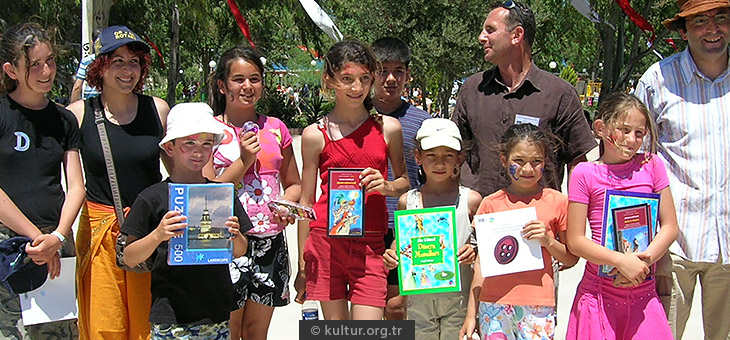
| Awareness raising | • Toy festivals were organized in Datça and Ankara, alongside various exhibitions such as the "Toys from the World and Anatolia Exhibition," the "Anatolian Folk Toys Exhibition," and the "Dreams, Games, and Readings Exhibition" at Cermodern. • Monthly articles were published in Kamil Koç's "Yolculuk" magazine, exhibition catalogs were prepared, and the book "Anatolian Toy Culture" was published by Yapı Kredi Publications, reaching wide audiences. | |
| Engagement of communities, groups and individuals as well as other stakeholders | • Events and research were organized in partnership with local municipalities such as Datça Municipality, Çankaya Municipality, and Izmir Metropolitan Municipality. • Multi-stakeholder projects were carried out with civil society organizations like the Association of Children's Museums and the Contemporary Drama Association, as well as universities and state theaters. • Local communities across Anatolia (source persons) were directly involved in the compilation and transmission processes. | |
| International engagement | • With the support of the European Union Sivil Düşün Program, an information-sharing network on field research and good practices was established with UNESCO-accredited NGOs located in Italy, Spain, France, Norway, Czechia, and Slovakia. • The "Anatolian Toy Exhibition" was held at the 21st Beijing International Book Fair in 2014, where Turkey was the Guest of Honor. • The Foundation's activities were featured in the ICH Courier, a publication of the UNESCO-auspiced, South Korea-based ICHCAP, and were presented internationally at the 2023 JIAPICH Online Symposium. | |
| References | ||












.jpeg)


.png)




.jpeg)
.jpg)

.png)
.jpg)


_(31711258567).jpg)