
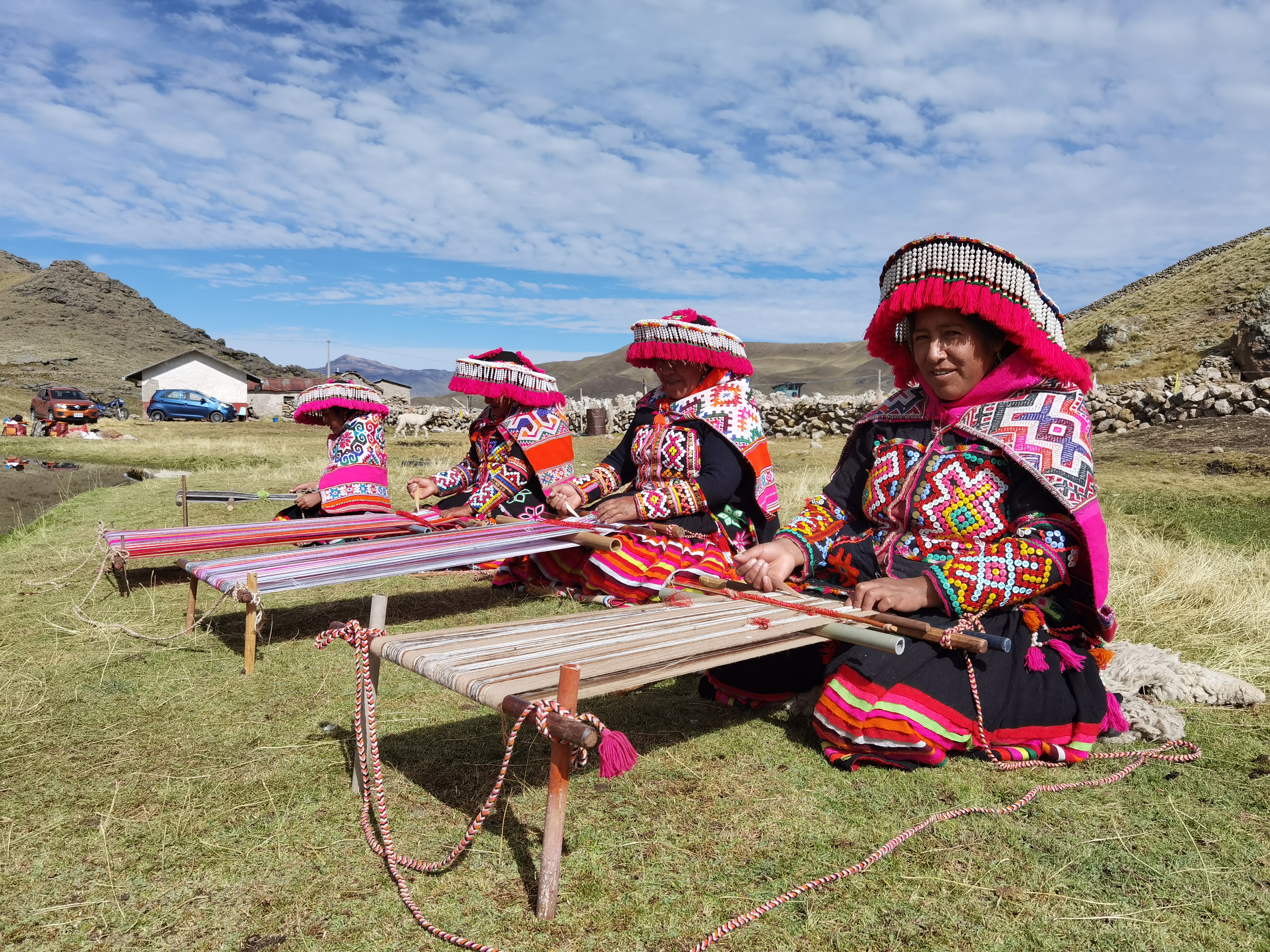
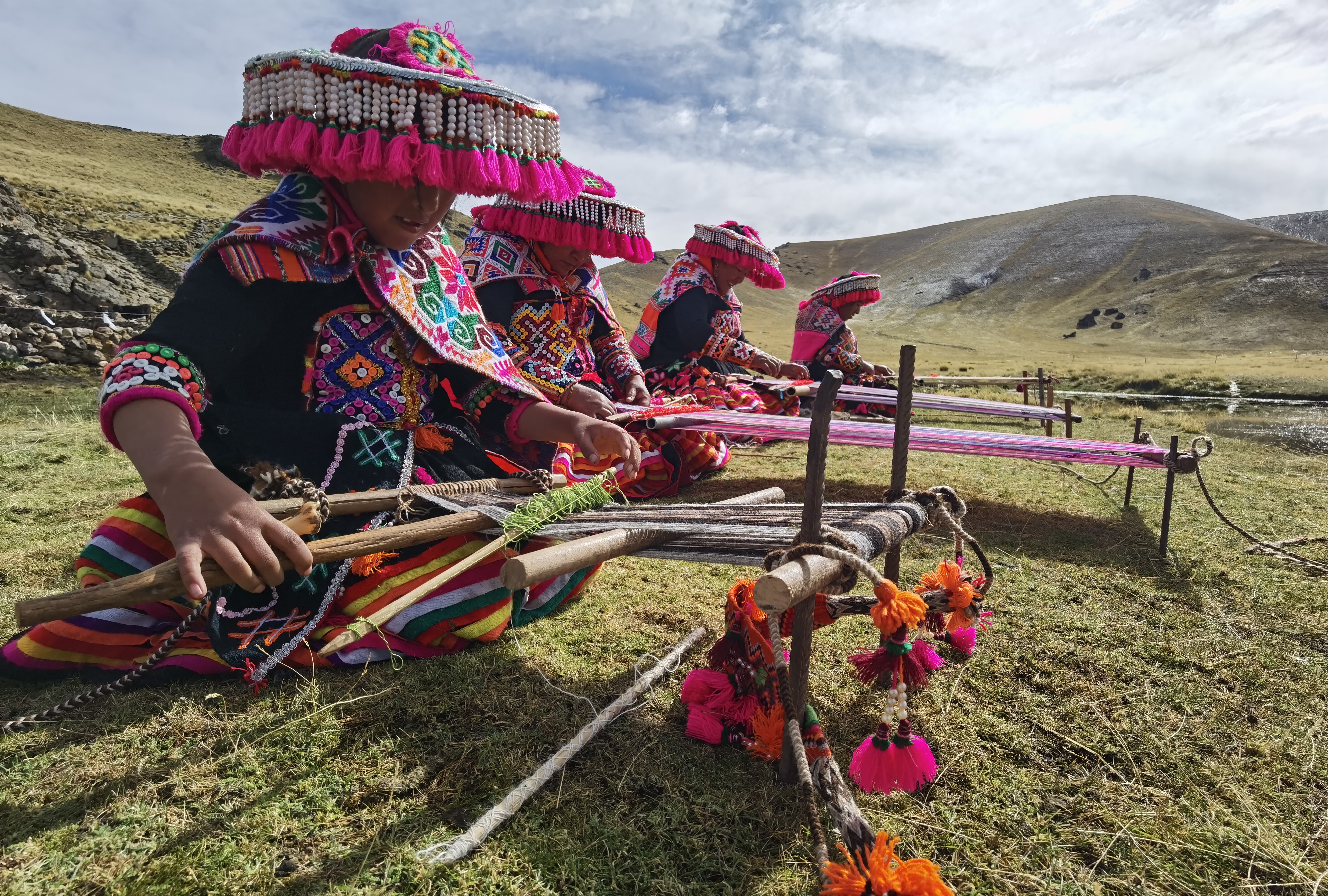
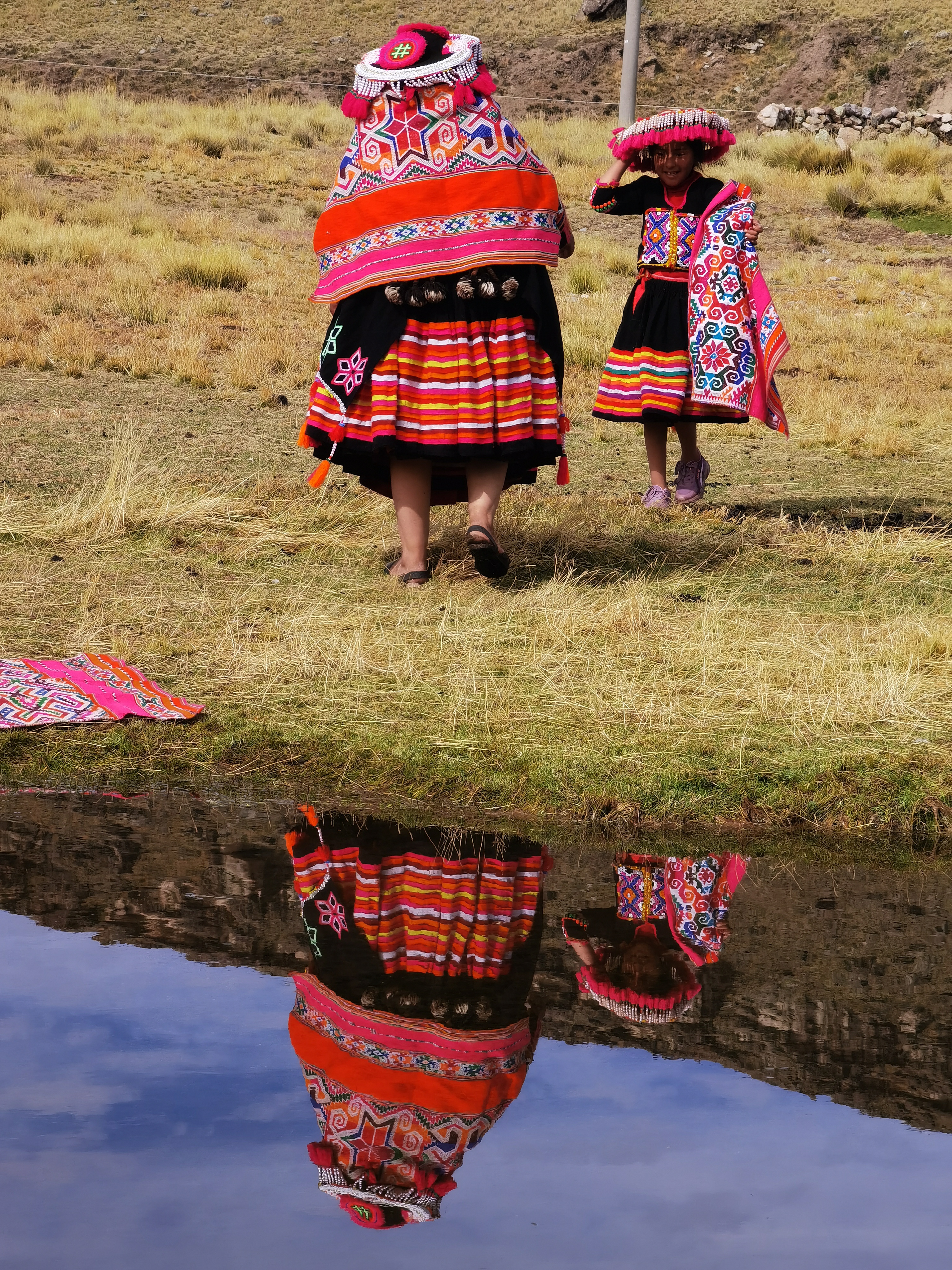
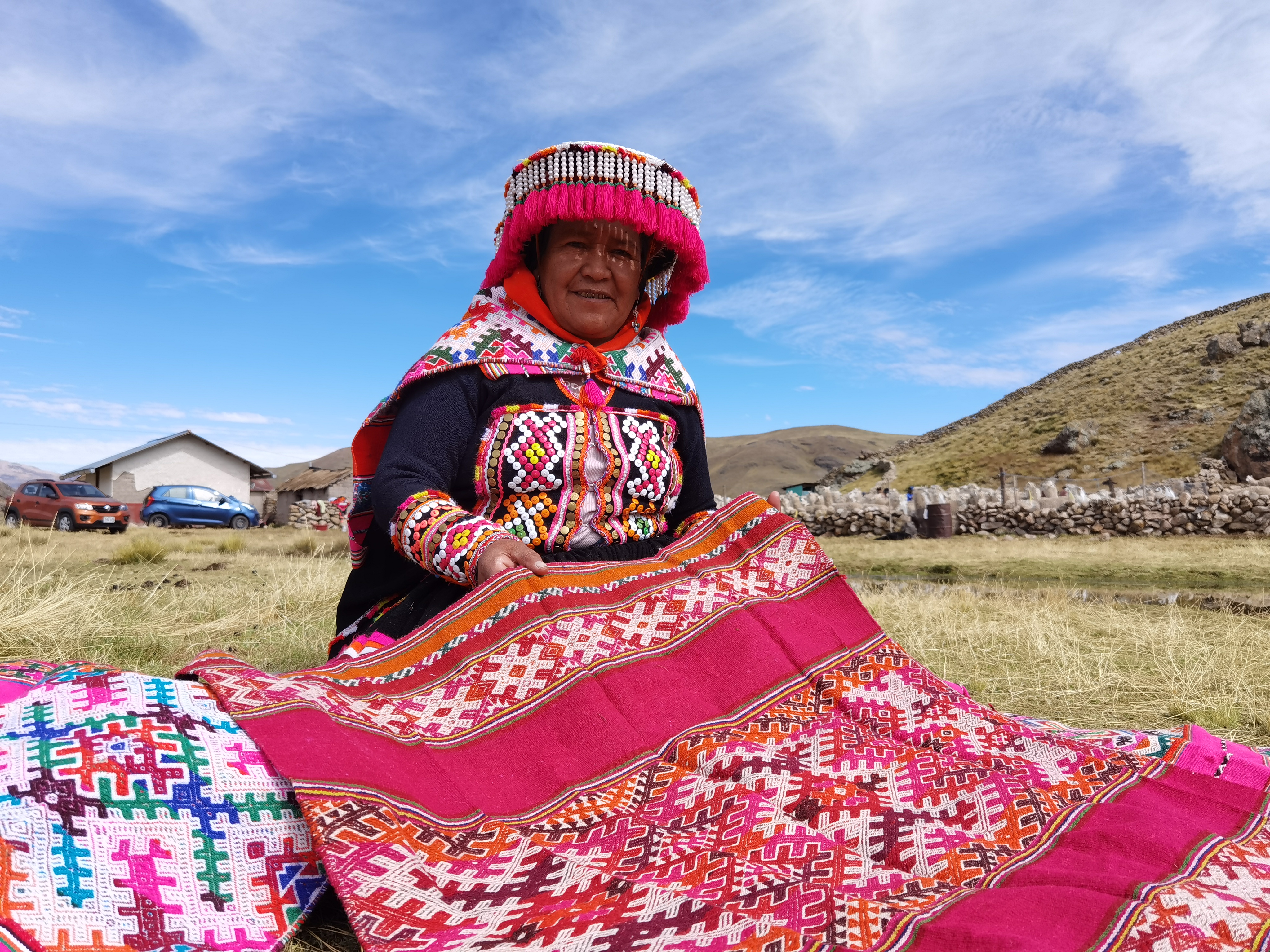
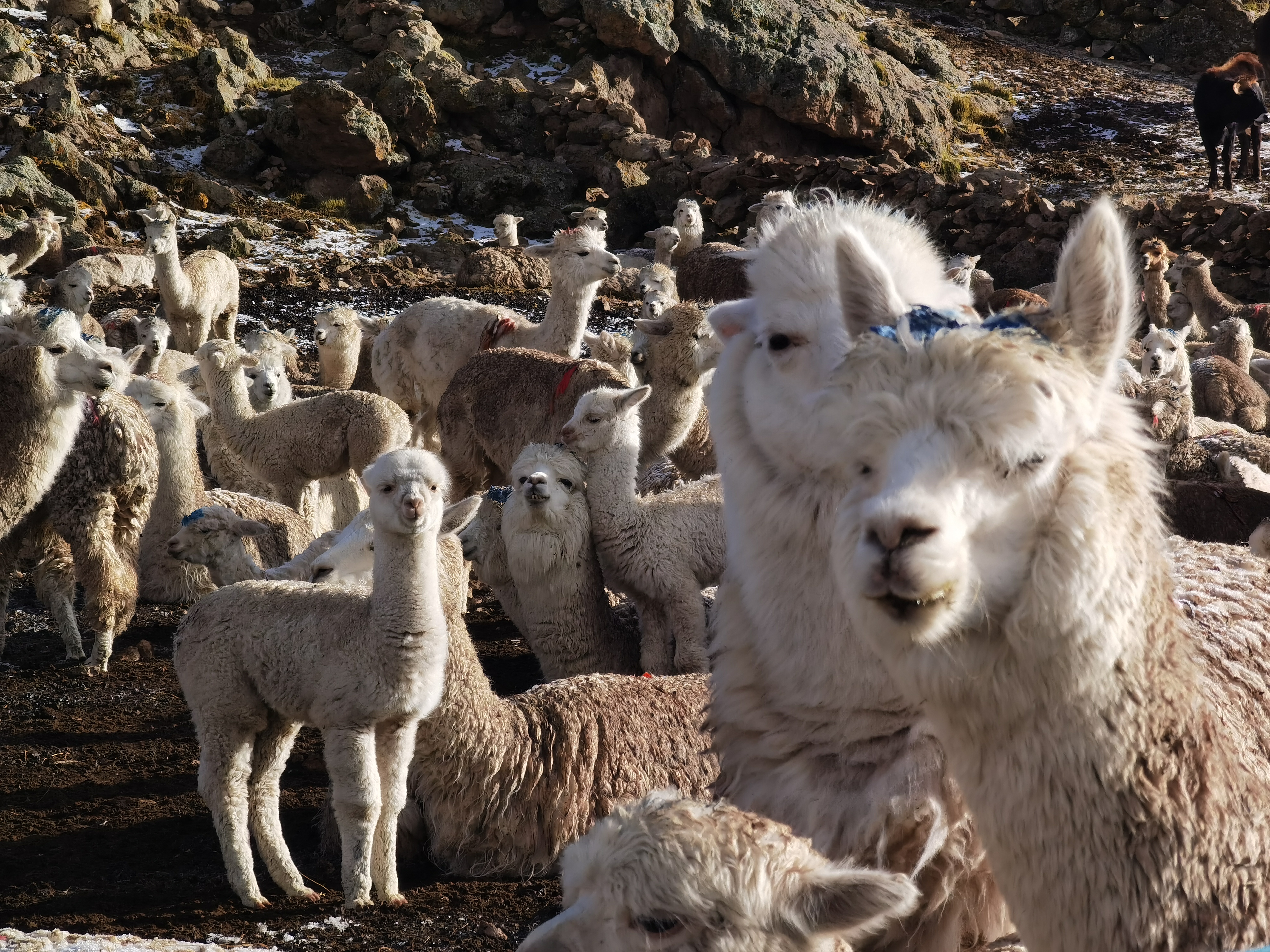
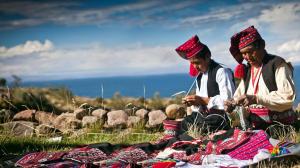
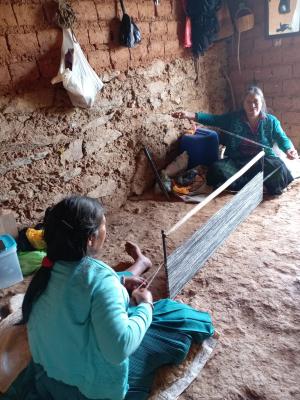
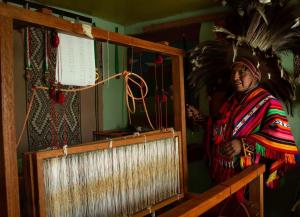
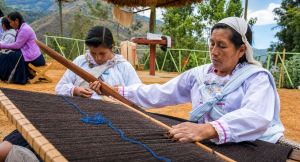
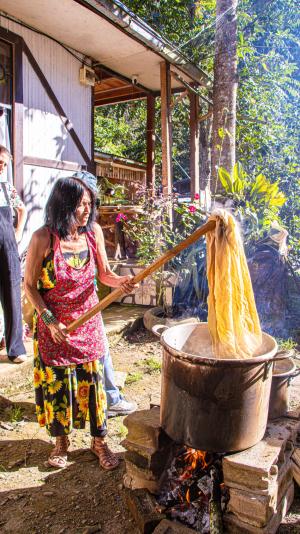
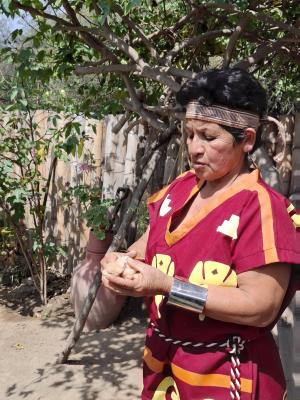
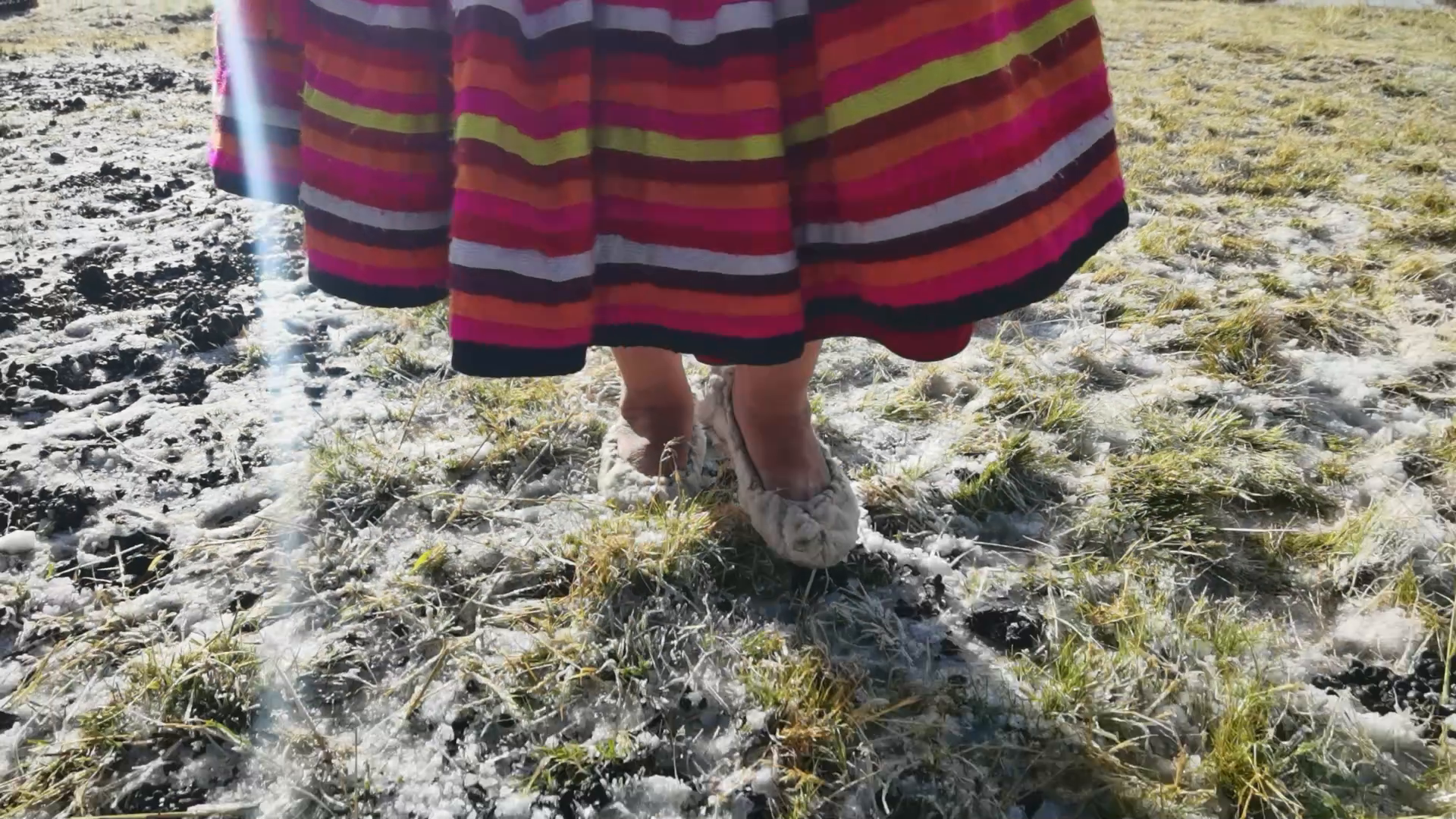
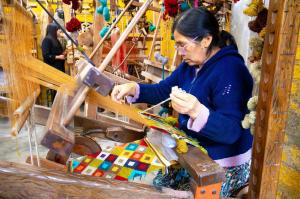
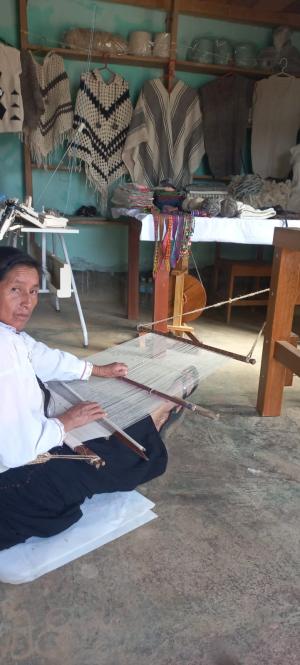
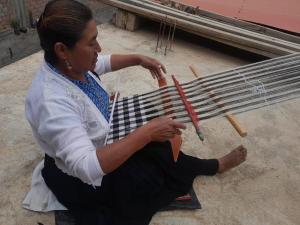
The traditional textile system of the Ayarachi culture in the Paratia community, Lampa, Puno (Peru), is a living heritage passed down over generations. It encompasses the entire production cycle of camelid fiber (alpaca), from selection and hand-washing, to natural dyeing with Andean plants (cochineal, muña, chilca, qolle), hand-spinning with the pushka or drop spindle (an ancestral technique in danger of disappearing), and weaving on various types of looms: telar de cintura (backstrap loom), pedal loom, and the most emblematic, the four-stake loom, used for making large pieces and utilitarian items with unique Ayarachi designs. This system is distinguished by its profound relationship with the Aymara and Quechua cosmovision, as the designs represent symbolic elements of the high-Andean culture. Silvia Condori Mamani, a "Maestra Regional de la Artesanía Puneña" and winner of the "Premio Nacional a la Mujer Artesana 2021" (MINCETUR), is one of the main transmitters of this ICH, having trained hundreds of women, youth, and adults for over two decades. Her work safeguards a unique cultural identity and contributes to the economic sustainability of the region's rural communities.
04-30-2026
| Institutional and human capacities | The institutional capacities for safeguarding this ICH are provided by the CITE Camélidos Sudamericanos Puno, a specialized center supporting the camelid fiber productive chain. Human capacities are led by Silvia Condori Mamani, along with a network of certified artisan women who have been trained by her, who act as multiplying agents in their communities. The Municipalidad Distrital de Paratia also provides local support. Furthermore, the Ministry of Labor (Sunafil) has certified Silvia's competencies, validating her as a qualified trainer. The Heifer International and DIRCETUR Puno organizations have also participated in training and promotion initiatives. | |
| Transmission and education | Transmission is informal and community-based, through a "master of masters" system. Silvia Condori Mamani has trained hundreds of women, youth, and elders in various spaces: at Heifer International (280 hours, 2016), at I.E.S.T.P. Cholecca (84 hours, 2017), and in ongoing workshops in partnership with DIRCETUR Puno and various municipalities (Vilavila, Caylloma, Tisco). She has also received certification from the Ministry of Labor in Textile Design, which validates her educational methodology (2017). Education encompasses everything from raw material selection to packaging, integrating ancestral knowledge with sustainable contemporary practices. | |
| Inventorying and research | The inventory process recorded this ICH element using the methodology of the "Ficha de Postulación" for the "Reconocimiento a la Trayectoria y Liderazgo de la Mujer Puneña" award. The information has been collected through interviews with Mrs. Condori and the artisan women of Paratia, as well as through the verification of technical processes in their workshops and weaving fairs. The community has actively participated, providing information about the textiles and the roles of the weavers. | |
| Policies as well as legal and administrative measures | The safeguarding of this ICH is supported by the General Law of Cultural Heritage of the Nation (Law No. 28296) and its regulations. It is also aligned with the "Plan Estratégico Nacional de Artesanía - PENDAR" , which has specific objectives for artisan development and the safeguarding of traditional techniques. The "Premio Nacional a la Mujer Artesana" , won by Silvia in 2021, is an example of a national policy that reinforces the role of women in ICH safeguarding. The certification of labor competencies by the Ministry of Labor also contributes to the formalization and professionalization of the sector. | |
| Role of intangible cultural heritage and its safeguarding in society | This ICH is fundamental to the cultural identity of the Ayarachi people and, more broadly, the Puno region. Its safeguarding ensures intergenerational transmission, social cohesion, and strengthens cultural diversity. Additionally, it is a tool for economic development and the empowerment of rural women, generating equitable income and improving living conditions. It also contributes to the cultural and touristic image of the region nationally and internationally. | |
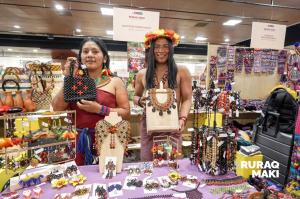
| Awareness raising | Awareness of the value of this ICH is increasing thanks to the multiple awards and recognitions that Silvia Condori Mamani has received: "Premio Nacional Mujer Artesana Lideresa" (MINCETUR, 2021) , "Maestra Regional de la Artesanía Puneña" , "Puneña del Bicentenario" (Congress of the Republic, 2021), her participation as qualified judge in the "XXVI Concurso Maestro Regional de la Artesanía Región Puno (2024)" and the "VIII Feria Artesanal MakiPuray (2017)", and the third place obtained at the Premio Iberoamericano de Tejeduría y Cestería in Cuenca, Ecuador (2024). These achievements have raised the profile of this ICH and generated pride in the community. | |
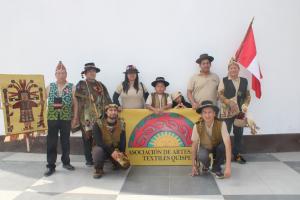
| Engagement of communities, groups and individuals as well as other stakeholders | Community participation is essential. The Paratia community, especially women and youth, are the active subjects of the transmission and practice of this ICH. Silcia Condori Mamani, as a master transmitter, is the main leader. The CITE Camélidos Sudamericanos and the Municipalidad Distrital de Paratia are key actors in the training and promotion. Heifer International supported the creation of productive nuclei in the communities. Finally, MINCETUR and the Ministry of Labor have validated the process through national awards and certifications. | |
| International engagement | This ICH has been recognized internationally through its participation in the Premio Iberoamericano de Tejeduría y Cestería in Cuenca, Ecuador (2024), where Silvia won third place. Her participation in international fairs and virtual courses such as "Sustainable fashion projects for the creation of woven products in natural fibers" also demonstrates her international projection and commitment to the exchange of good practices in textile ICH. | |
| References |
|
|






















.jpeg)






.png)












.jpeg)
.jpg)



.png)
.jpg)


_(31711258567).jpg)