
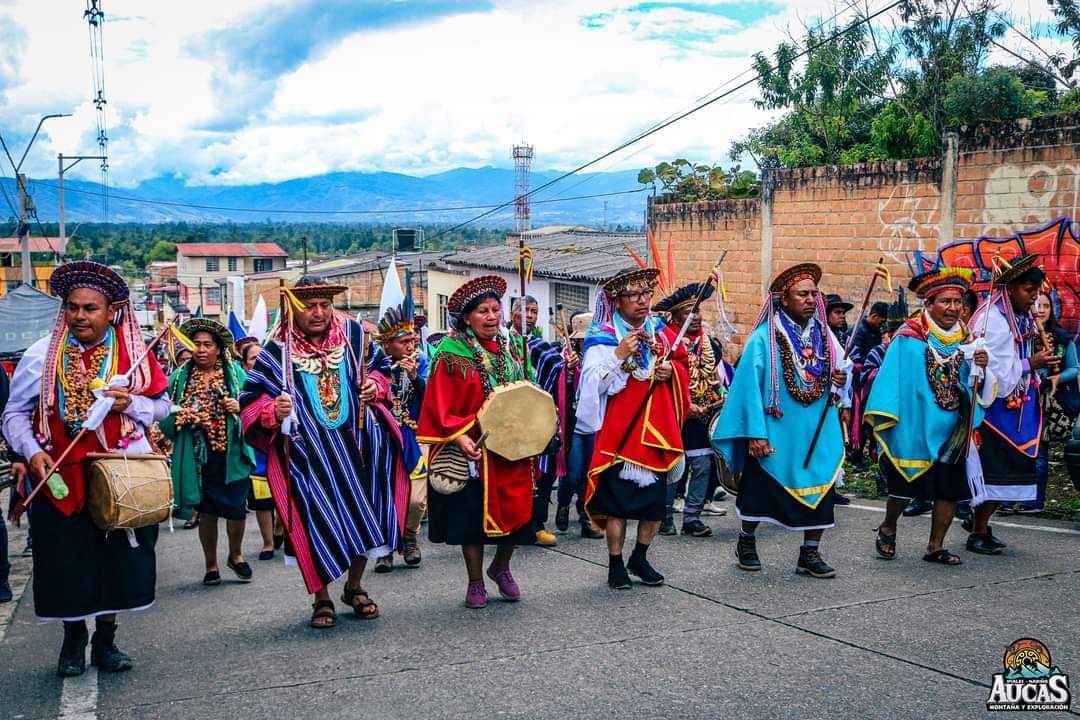
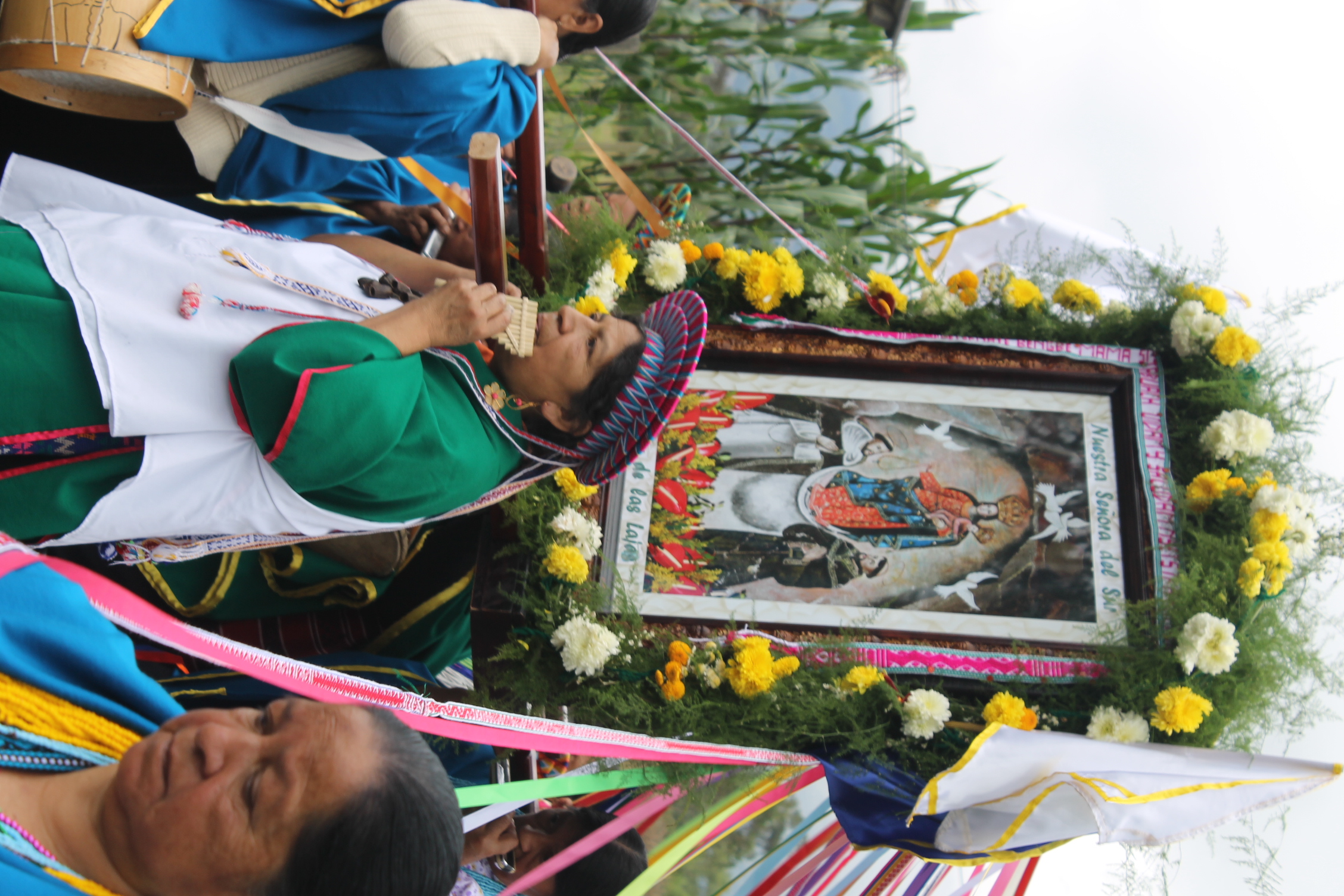
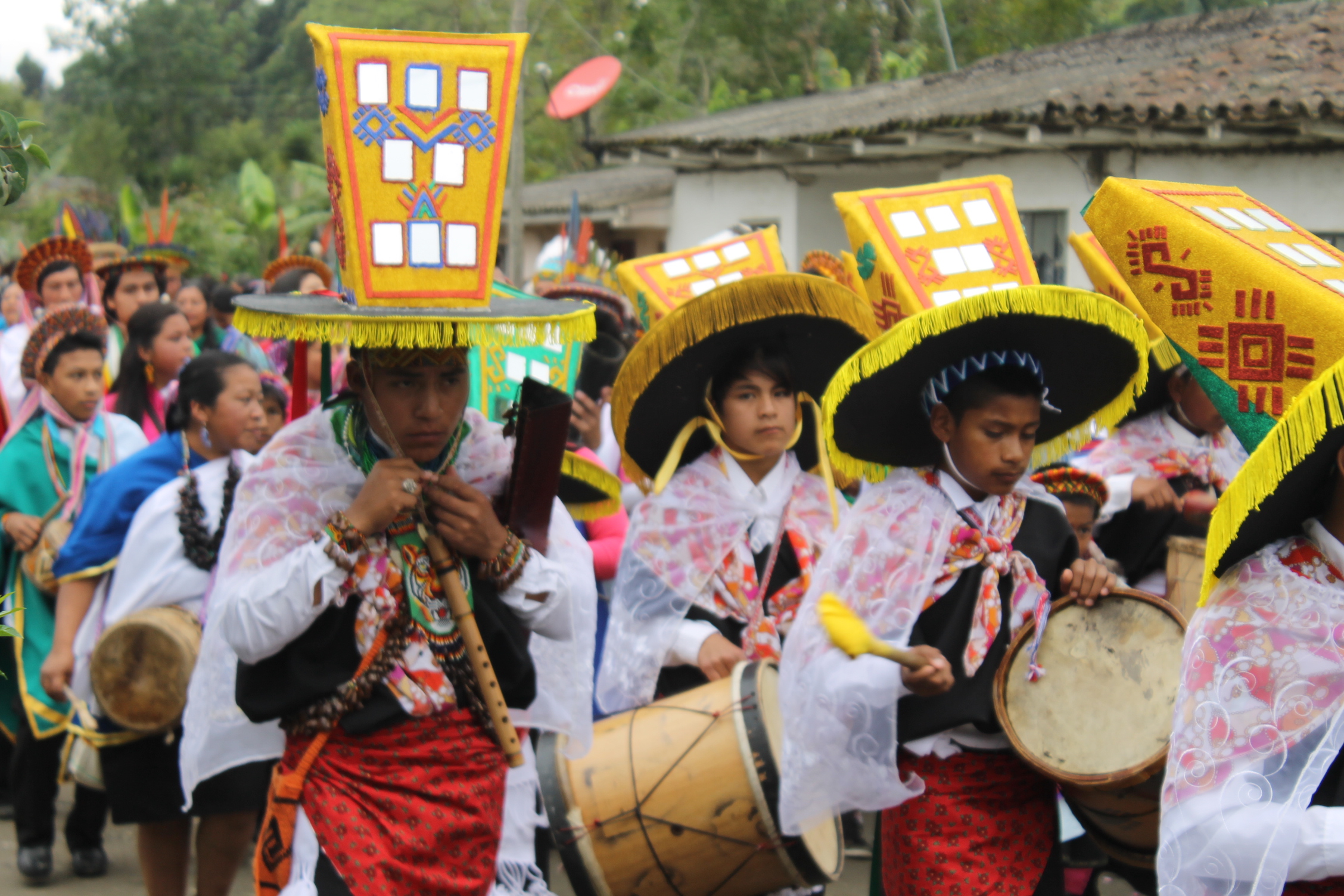
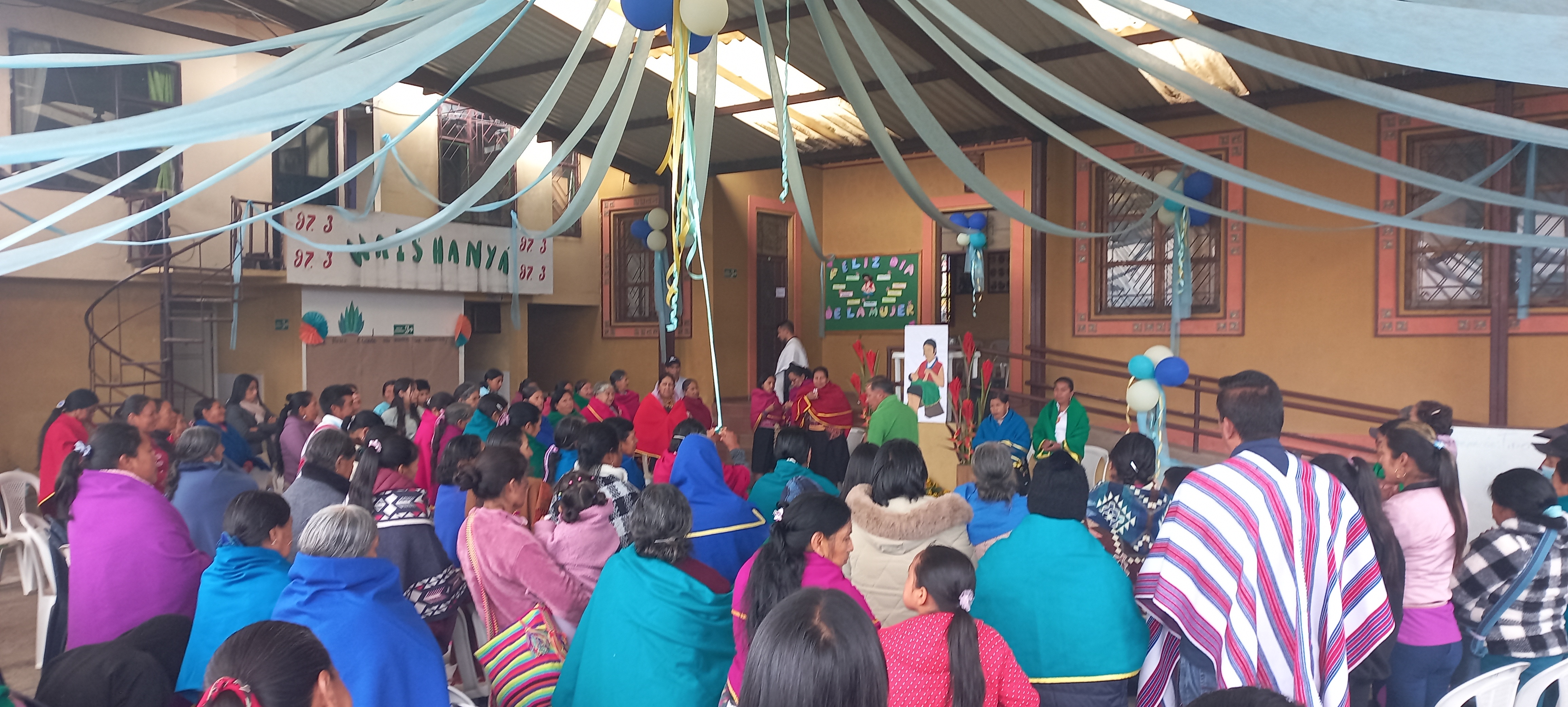
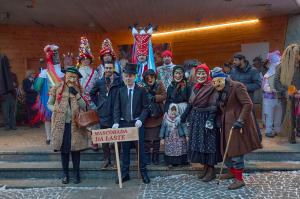
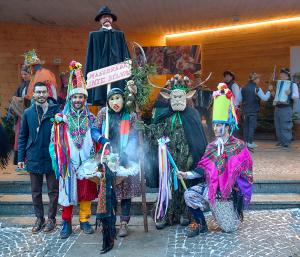
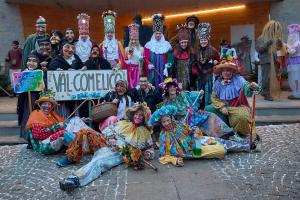
For the Kamëntsá people, Bëtsknaté is the Great Day, a moment in which the most significant expressions of their tradition converge and through which they are collectively identified. The celebration begins with preparatory practices such as Uacjnayte (offerings to the deceased), Uastajuayan (the placement of food as offerings for the deceased), and Uatsembon (the oral offering of food to the deceased). These practices culminate on the day of the celebration, held annually on the Monday preceding Ash Wednesday, and are carried out in remembrance of the teachings transmitted by ancestors, relatives, elders, friends and community members.
Bëtsknaté is celebrated once a year as a moment of collective memory and intergenerational transmission, reaffirming the continuity of knowledge, values and social practices inherited from the ancestors. It constitutes a central mechanism through which the Kamëntsá people maintain the vitality and viability of their Intangible Cultural Heritage.
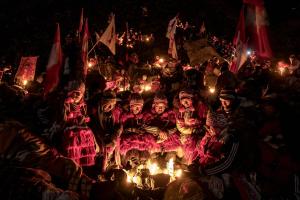
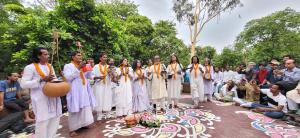
This traditional celebration brings together the essential elements that define Kamëntsá culture. It creates spaces for reconciliation and harmony with the Creator, with nature, with spiritual entities, with oneself, with the family, with other members of the community, and with those who do not belong to it. These processes are enacted through inward prayer and reflection, followed by symbolic gestures such as the placing of flower petals on another person’s head as a sign of greeting, respect and a request for forgiveness, as well as an expression of forgiving others. For this reason, Bëtsknaté is also known as the Day of Forgiveness.
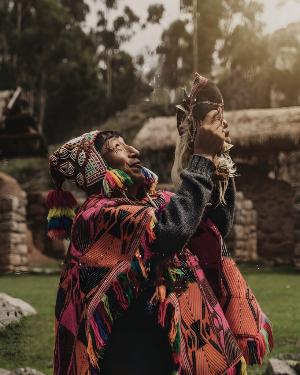
Another significant embodied practice is the act of kneeling before an elder, such as a grandparent, a Taita or a mother, in order to request permission for the celebration and to receive blessings for the year ahead. This practice reinforces respect for elders, the authority of knowledge holders and the ethical values that sustain family and community well‑being.
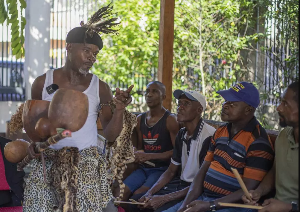
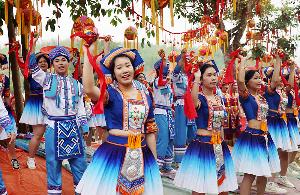
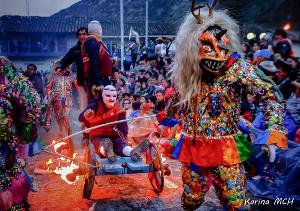
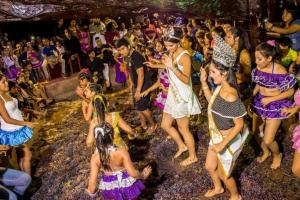
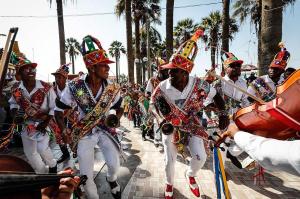
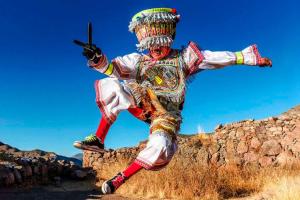
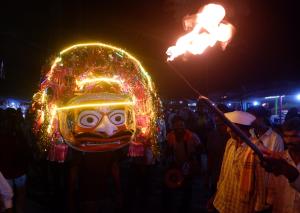
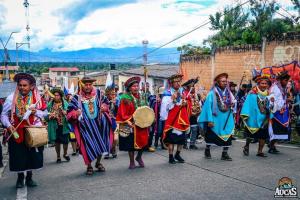
Bëtsknaté is also understood as a celebration of health and life. Community members participate in collective dances, each person expressing themselves according to their character and personal qualities, while singing verses that emerge from individual and collective emotions. Music and dance are performed following melodies and rhythms inherited from the ancestors, forming a complex set of expressions that together constitute a Carnival (Clestrinye) of Kamëntsá cultural expression.
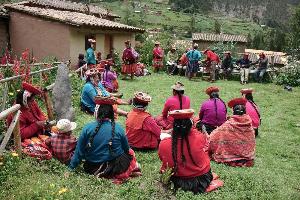
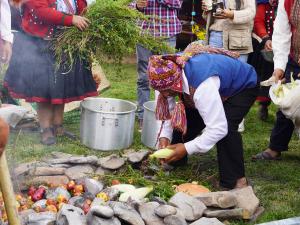
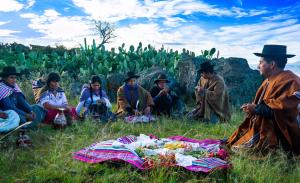
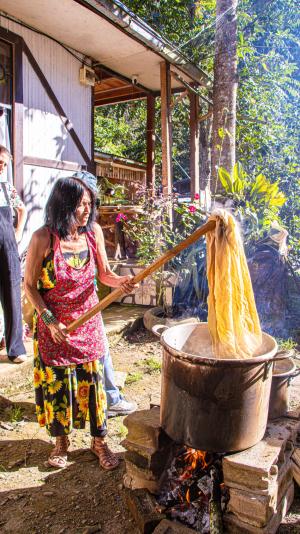
The celebration also marks the Kamëntsá New Year, a time of gratitude to Tsbasana Mama (Mother Earth) and Bëngbe Betsa (the Almighty) for the harvests and for the continuity of life. This gratitude is expressed through the communal sharing of food, both within families and through the Traditional Authority. Special attention is given to former governors, their spouses and other key community figures, who are offered traditional dishes as part of the ritual exchange. Families then continue mutual visits accompanied by music and dance, reinforcing reciprocity and social cohesion.
Bëtsknaté is a moment of reunion, bringing together relatives, friends, visitors and Kamëntsá people who return from other places to remember, share and renew the traditions inherited from their ancestors.
Through the celebration of Bëtsknaté, the Great Day, the Kamëntsá people complete another cycle of cultural continuity, reaffirming their traditions and customs and ensuring the ongoing transmission of a living expression of their ancestral and millenary culture.
04-29-2026
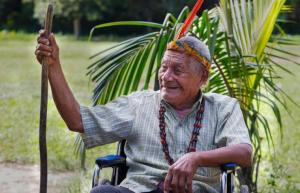
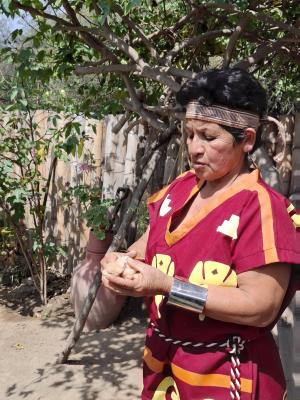
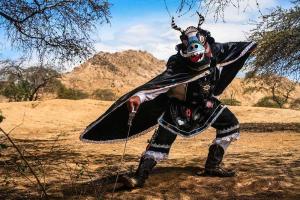
| Institutional and human capacities | The social organization of the Kamëntsá community is clearly manifested through the celebration of Bëtsknaté, where the conservation of cultural expressions and human values of the community members becomes visible, demonstrating a strong and cohesive social structure that sustains the continuity of their living heritage. During the celebration, various forms of customary organization are expressed. At the core is the Indigenous Council (Cabildo), which constitutes the foundational authority of the Kamëntsá people. Another key element is the Carchansha (castle), which symbolically represents authority and governance. An established order is also observed in the ceremonial procession, reflecting the hierarchical organization of the traditional authority and the roles of different participants. Within family groups, internal regulation ensures the appropriate application of traditional practices during the celebration. The successful realization of Bëtsknaté requires collective effort, expressed through communal activities and a culturally defined division of labor, which are fundamental aspects of Kamëntsá social organization. The management and coordination under the responsibility of the Indigenous Council during the celebration of Bëtsknaté The Kamëntsá community is guided by its Traditional Authority, maintaining unity and autonomy as integral elements of Indigenous self-governance. Once elected, the Council’s first and most significant responsibility is to guide the Kamëntsá New Year through a process of respect, continuity and organization in accordance with customary norms. Collective sentiments and values are expressed through the practices enacted during the celebration, all of which are coordinated by the Council in office. The Cabildo convenes and organizes community members for the preparatory phase of the celebration, ensuring consensus, harmony and shared responsibility. Governance is understood as the exercise of authority for and within the community, guided by ethical principles, collective values and the Razón Bojanyá (Reason of the Word), which represents rectitude, equality, credibility and respect. The Traditional Authority assumes social responsibility for promoting well-being and balance, administering justice, offering guidance and advice, and safeguarding the appropriate relationship with nature and the surrounding environment. The Kamëntsá system of social organization is led by the Cabildo, an institutional form established during colonial processes, and is composed of seven members: the Governor, the Senior Mayor, the Chief Constable, the First Constable and three additional constables. While the Governor is the principal authority, traditional leadership roles historically included the caciqueship, achieved through long-term service to the community. Former governors (Shoshoua) and councils of elders, recognized for their integrity and experience, continue to provide guidance and support to the exercise of authority. Within this organizational system of the Cabildo, specific roles are defined. · The Uaishanÿa (Governor) is responsible for protecting the interests of the Kamëntsá people and for directing all aspects of the Bëtsknaté celebration, including the allocation of responsibilities according to traditional norms. The Governor serves as a central figure in maintaining collective unity, autonomy and governance based on the Kamëntsá worldview. This authority is elected annually and assumes office from January 1 to December 31, ensuring rotational leadership and broad community participation. · The Arcanÿe (Senior Mayor) supports and replaces the Governor when necessary, particularly in resource management and coordination of activities. · The Alguacero (Chief Constable) oversees the administration of justice and, traditionally, played a central role in organizing the celebration. Additional constables (Uatëcmá) carry out operational responsibilities, ensuring order, participation and protection of the Governor and ceremonial spaces. · The Lotren, appointed by the Governor, supports logistical needs and plays a key role throughout the year. The entire Kamëntsá community takes part in the Great Celebration, which represents the culmination of the practices and activities carried out throughout the year in accordance with the principle of maintaining the vitality of diverse traditional expressions. In this sense, Bëtsknaté is the result of a continuous safeguarding process rather than an isolated event. Participation in the celebration is inclusive and community-wide: elders and persons who, due to health conditions or other circumstances, are unable to participate physically remain involved through the spiritual and symbolic dimensions of the celebration. This reflects the collective character of the Intangible Cultural Heritage and the recognition of all community members as part of the cultural continuum. At the same time, the community recognizes differentiated roles and degrees of participation in Bëtsknaté, based on age, experience, responsibilities and customary functions. These distinctions form part of the traditional social organization that sustains the celebration and are described in the sections that follow. Nyestcna Pamiliang (All families – The community as a whole): All sectors of the Kamëntsá people are actively involved and come together in the celebration of Bëtsknaté. This includes former traditional authorities such as Taita Pasadang mandadang (former Governors), Taita Pasadang arcanyëng (former Senior Mayors), Taita Pasadang alguacerëng (former Chief Constables) and Pasad Uatëcmëng (former constables). These former members of the Indigenous Council, who have served the community as part of its own system of authority, are honored during the celebration. They constitute a fundamental pillar for the safeguarding of traditions, and their accumulated experience serves as guidance and advice for the Council currently in office. During Bëtsknaté, they wear multicolored sashes or traditional garments, crowns made of woven bands or feathers, beadwork (chaquira), cusma and other elements of traditional attire. Mamang: The spouses of former Council members play a significant role in ensuring the proper conduct of Bëtsknaté, particularly in relation to women’s customary responsibilities. They also provide support to the spouse of the Governor in office when required. On this day, they wear brightly colored sashes, woven crowns, traditional shawls and bead necklaces, among other elements of ceremonial dress. Bëtsananëng (Elders): Elders—grandmothers and grandfathers of the Kamëntsá community—are recognized as the central holders of knowledge and wisdom and participate actively in Bëtsknaté. They are the community members most deeply rooted in the traditions inherited from the ancestors. Their conduct during the celebration is characterized by prudence and respect for all ritual expressions, and they provide guidance when practices are not carried out in accordance with tradition. Elders are regarded as the most valuable custodians of Kamëntsá cultural heritage. Their attire and behavior are moderate and dignified, and their devotion to cultural continuity is visibly expressed during the Great Day. Batang (Aunts) and Bacong (Uncles): Adult Kamëntsá women and men who hold family responsibilities actively collaborate in the activities related to Bëtsknaté and other community events. They participate by singing, dancing and playing traditional instruments, and wear multicolored sashes or traditional garments, as well as crowns made of woven bands or feathers. Tobiasëng (young women) and Bobonsëng (young men): Kamëntsá youth are characterized by their dynamism and play an increasingly active role in the celebration each year. Their participation is motivated by a strong commitment to the preservation of their culture, and Bëtsknaté also serves as a space for social encounter, music, dance and song. Their attire is especially vibrant, with distinctive crowns made of woven bands or feathers. Although many young Kamëntsá pursue higher education in different regions of the country, they make significant efforts to return to their ancestral territory in order to participate in Bëtsknaté, reinforcing intergenerational transmission and cultural continuity. Basetemëng (children): Children are also actively involved in the celebration, accompanied by their parents. Students from schools and educational institutions attended by Kamëntsá children participate directly in Bëtsknaté. They represent the hope for the continuity and viability of the Kamëntsá people in all their cultural expressions, particularly the Great Day of Bëtsknaté. | |
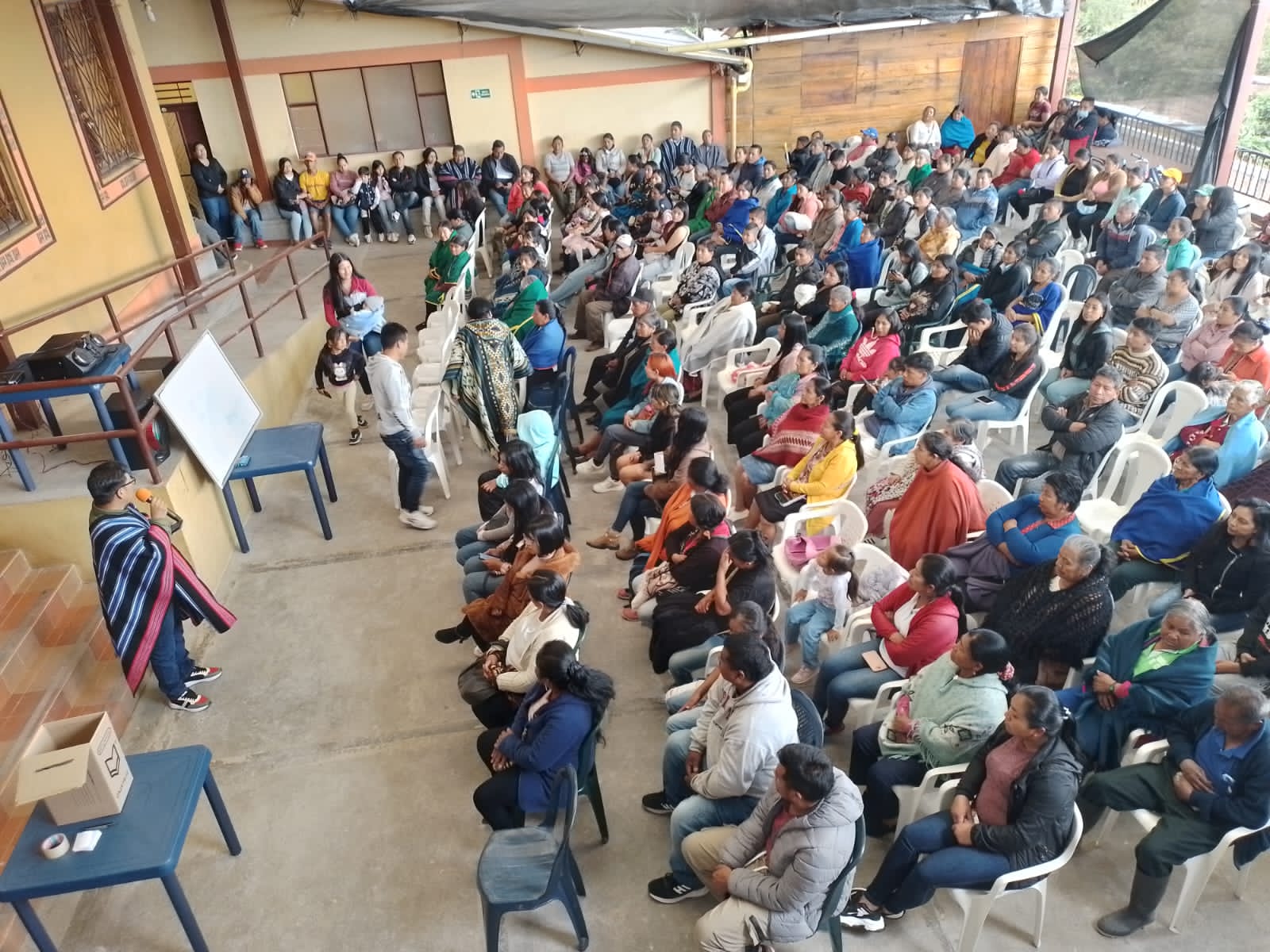
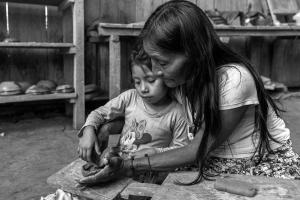
| Transmission and education | According to the elders of the Kamëntsá people, the concept of education has traditionally been exercised through community-based and culturally specific models, developed through their own methodologies, pedagogies and forms of learning. These educational processes emerge naturally within the family unit and the surrounding natural environment, forming the foundation of cultural transmission. The Kamëntsá language, like Kamëntsá culture itself, is of millenary origin and is transmitted primarily within the family. Children are introduced to tradition through stories, myths and legends, shared around the Shinyac. From an early age, most Kamëntsá children become familiar with these practices, which play a central role in the safeguarding of Intangible Cultural Heritage. Being born into a Kamëntsá family entails the responsibility to inherit, practice and share the customs and traditions of parents, grandparents, aunts, uncles and the broader community. For this reason, the family is recognized as the primary agent responsible for the transmission of values, knowledge and cultural practices, ensuring continuity of life within tradition. The family also functions as a key space for ethical formation and social regulation, where the value of the spoken word, exemplary conduct and respect for elders and traditional authority are emphasized. Through dialogue, guidance and lived example, behavioral norms and cultural principles are reinforced. The family is understood as the first school, where individuals learn to speak, work, value the Jajañ (chagra), and practice customs and traditions, including the celebration of the Great Day, Bëtsknaté. Within this system of Indigenous education, women—particularly mothers—play a fundamental role as life-givers and as primary transmitters of the Kamëntsá language. Within the family context, a wide range of myths, legends and cultural practices are woven and sustained. Elders have exercised Kamëntsá education both before and after birth, guiding the process of personal and social maturity (jabochan, to grow), so that individuals may later assume responsibilities as adults and lead others (jonatsan) through example, practice and teaching within the household. These teachings, imparted from early childhood (jenabuacuananan), constitute the core foundations for a good life (jobochan) and ensure the intergenerational transmission of knowledge. Collective Transmission through Community-Based Educational Institutions Currently, the Kamëntsá territory includes bilingual schools and secondary institutions, an early childhood center, community childcare spaces and non-formal educational organizations, as well as educational establishments located in urban areas. In response to concerns regarding the potential loss of certain cultural expressions, including Bëtsknaté, Kamëntsá educational institutions—particularly the Kamëntsá Bilingual Artisanal Educational Center and the Basetemëngbe Yebna Early Childhood Center—have, for many years, implemented integrated educational processes focused on the transmission of knowledge, values and practices associated with Bëtsknaté. At the Basetemëngbe Yebna Early Childhood Center, children are introduced from an early age to Kamëntsá cultural expressions, beginning with language, greetings, attire, instruments, artisanal objects, sacred spaces, and, above all, the meaning of forgiveness and ceremonial language. This is achieved through symbolic and pedagogical re-enactments at an appropriate scale, such as a small ceremonial structure, shared meals, representations of traditional authority and basic ceremonial practices. These experiences strengthen children’s sense of belonging and cultural identity. At the bilingual primary and secondary school levels, emphasis is placed on both the theoretical and practical dimensions of the elements that constitute Bëtsknaté, deepening knowledge of its cultural significance and encouraging active institutional participation in the Great Day. Collective Transmission Led by Traditional Authority Recognizing that not all children and youth attend Kamëntsá educational institutions, the Indigenous Council (Cabildo), as the highest traditional authority, implements community-based educational strategies throughout different areas of the municipality. These include methodologies focused on ritual practices and the cultural significance of Bëtsknaté. Educational activities involve convening interested community members to participate in collective learning spaces, such as conversations held around the Shinyac, as well as communal work activities (mingas). In these contexts, physical collaboration is combined with knowledge exchange through dialogue, thereby enriching collective understanding of the practices, meanings and values associated with Bëtsknaté and strengthening its long-term viability. | |
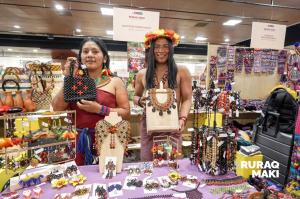
| Inventorying and research | In accordance with Colombian legislation, the Ministry of Cultures, Arts and Knowledge has adopted the national regulatory framework for the safeguarding of Intangible Cultural Heritage (ICH) and has established various mechanisms to advance the processes of identification, valuation and the design of safeguarding pathways. Among these mechanisms, particular importance is given to the National Representative List of Intangible Cultural Heritage. This List functions both as an information registry and as a concerted safeguarding instrument, agreed upon between the concerned community and the competent public authorities. Its purpose is to enable the implementation of a Special Safeguarding Plan (PES) for the cultural expressions inscribed on it. This instrument allows communities, in accordance with their own forms of organization, management and everyday social dynamics, to jointly design a work plan that responds directly to the findings of the diagnostic phase. In this way, a viable safeguarding strategy is ensured, one that is designed, implemented and managed by the heritage bearers themselves. The development of Special Safeguarding Plans supports bearer or managing communities in gaining a deeper understanding of their Intangible Cultural Heritage and in reflecting consciously on its safeguarding. At the same time, these processes strengthen community organizational structures and enhance cultural management capacities in favor of collective well-being. For this reason, each Plan must be tailored to the specific characteristics of the social group responsible for its implementation, underscoring the importance that safeguarding initiatives originate from the initiative of the bearer community itself. It is important to highlight that the formulation of a Special Safeguarding Plan is a process of dialogue, consultation and collective decision-making, which may extend over a period of one to three years. It must be the outcome of participatory and community-based work, guiding the social management of Intangible Cultural Heritage. Accordingly, consensus among community members is essential. The Plan is developed through participatory processes involving all actors concerned with the manifestation to be safeguarded, particularly tradition bearers, practitioners and cultural managers. In this specific case, beginning in 2011, progress was made in the formulation of the Special Safeguarding Plan for Bëtsknaté, through a participatory process supported by departmental and national funding, thereby consolidating public–community partnerships. As a result, Bëtsknaté was inscribed on the National Representative List of Intangible Cultural Heritage through Resolution No. 3471 of 2013, marking the beginning of the implementation of safeguarding measures. These actions have contributed to the strengthening of Indigenous knowledge systems, intergenerational transmission and the continuity of the Kamëntšá language, a unique cultural expression that does not share a common origin with any other linguistic family and therefore constitutes an irreproducible manifestation of the thought and creativity of the Kamëntsá people. The research undertaken for the formulation of the Special Safeguarding Plan for Bëtsknaté identified numerous proposals aimed at strengthening this cultural manifestation and addressing both internal and external challenges. These proposals were developed through the active participation of Taitas, Mamas, former Council members, Bacong, Batang, elders, youth and children, each contributing from their own perspectives, levels of knowledge and cultural practice. The diagnostic findings were organized into four pillars, drawing an analogy with the construction of the traditional Kamëntsá house (yebna), whose structure is rooted in the earth as a space and source of life. From this foundation rise four pillars that support the roof, symbolizing the unity of the Kamëntsá people, which becomes particularly visible during the celebration of Bëtsknaté. These pillars emerged from the thematic discussions held during participatory meetings, and each pillar is further defined by specific sub-themes. These pillars are, in turn, interconnected by eight pathways, which define safeguarding routes for protection, strengthening, promotion, transmission, revitalization, preservation, research and dissemination of the principles underpinning the Special Safeguarding Plan and ensuring the continuity of the celebration. These pathways respond directly and comprehensively to the needs, weaknesses and limitations identified during the diagnostic phase and correspond to each pillar and its associated themes. The safeguarding pathways are as follows: · Tracing the footprints of Bëtsknaté · Learning and teaching the traditional knowledge of Bëtsknaté · Organizational mingas for the celebration days (Bëtsknaté – Uacjnayté – recovery) · Creating spaces for the celebration of Bëtsknaté · Cultivating tradition for the celebration of Bëtsknaté · Promoting coexistence with visitors · Developing the collective memory bank of Bëtsknaté · Weaving institutional harmony agreements for the celebration General Objective To safeguard the most significant cultural manifestation of the Kamëntsá People, Bëtsknaté (the Great Day of Kamëntsá tradition), with emphasis on strengthening, recovery, protection, promotion, transmission, revitalization, respect for tradition and community awareness Specific Objectives · To establish research processes based on the collective memory of Bëtsknaté. · To generate formal and non-formal educational mechanisms related to Bëtsknaté as a foundation for teaching, learning and fostering a sense of belonging. · To implement dissemination strategies aimed at the recovery and protection of Bëtsknaté. · To promote inter-institutional dialogue through external agreements that ensure the continuity of Bëtsknaté. · To develop coexistence strategies that strengthen tradition and encourage visitors to contribute positively to the continuity of Bëtsknaté. · To promote production processes (food, crafts, instruments, music) for the Great Day through traditional subsistence practices. · To generate the necessary means for the preparation of Bëtsknaté in the days leading up to the celebration, with shared responsibilities among support groups and the Indigenous Council, including related commemorations such as Uacjnayté. · To provide the physical and spiritual spaces required for the revitalization of significant sites and for initiatives such as the Bëtsknaté Memory Bank. | |
| Policies as well as legal and administrative measures | The Bëtsknaté is supported by a combination of national cultural policies, institutional frameworks, and community-based administrative practices which allows thus providing tools to safeguard this heritage. · Political Constitution of Colombia of 1991 · Law 397 of 1997, amended by Law 1185 of 2008: Whereby Articles 70, 71 and 72 and other related Articles of the Political Constitution are developed and rules on cultural heritage, promotion and incentives for culture are dictated, the Ministry of Culture is created and some departments are transferred. · Decree 1080 of 2015, Culture Sector, amended by Decree 2358 of 2019: Through which the Single Regulatory Decree of the Culture Sector is issued · Resolution 0330 of 2010: Which develops some technical aspects related to the Intangible Cultural Heritage of the Nation. · Intangible Cultural Heritage Policy: The objective of this Policy is to strengthen the social management capacity of human groups to safeguard and promote their intangible cultural heritage (ICH) as a necessary condition for their collective development and well-being. This objective is not understood in isolation: while safeguarding measures must stem from initiatives and forms of organization generated and accepted by the communities themselves, and in accordance with their ways of life, they must also be coordinated with public and administrative responsibilities, as well as those of the general public, without forgetting the social responsibility that all Colombians have regarding the recognition and safeguarding of ICH. · Resolution 3471 de 2013: Through which the manifestation "Bëtsknaté, or Great Day of the Camëntsá tradition" was officially included in the Representative List of Intangible Cultural Heritage (LRPCI) at the national level, also approving its Special Safeguarding Plan | |
| Role of intangible cultural heritage and its safeguarding in society | Intangible Cultural Heritage (ICH) encompasses a vast field of social life and is constituted by a complex set of social assets of a cultural nature that give a human group meaning, identity, and a sense of belonging. It includes not only the uses, representations, expressions, knowledge, and techniques of a human group, rooted in the past and perpetuated in collective memory, but also those appropriated socially in the contemporary life of communities and social groups. It also includes the instruments, objects, artifacts, and cultural spaces inherent to these social assets. The Camëntsá people, since time immemorial, have interwoven their daily activities with the spiritual, transforming each moment into a ceremonial, ritualistic, commemorative, and folkloric act that is, imbuing them with meaning, importance, and respect, through songs, verses, dance, and other expressions. In this way, a gathering between friends, known as Catsat (brothers), becomes a moment for the ceremonial application of a ritual. This traditional celebration brings together all the aspects that make Camëntsá culture so special: Spaces are sought for reconciliation with the creator, with nature, with the spirits, with ourselves, with family, with other members of the community, and with those outside the community. For this purpose, one prays inwardly, apologizing to the Almighty, to nature, and to the spirits. Then, flower petals are placed on the other person's head as a symbol of greeting and a request for respect, especially forgiveness for offenses committed against them, but also as a manifestation of forgiving the other person. For this reason it is also known as Forgiveness Day. The acts of reconciliation, forgiveness and respect that characterize Bëtsknaté constitute community-based safeguarding mechanisms for Intangible Cultural Heritage, as they strengthen social cohesion, ensure the intergenerational transmission of values, and secure the viability of the manifestation as living heritage. These practices fulfill an essential social function by promoting community harmony, symbolic conflict resolution and intercultural dialogue, thereby contributing to cultural safeguarding and to the well-being of society as a whole. | |
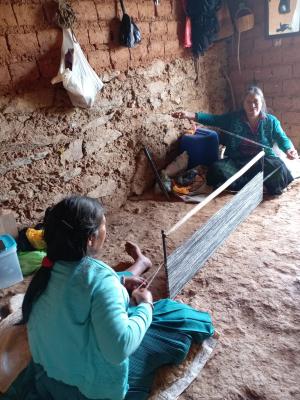
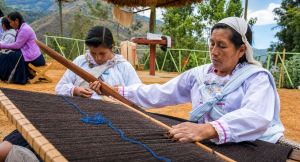
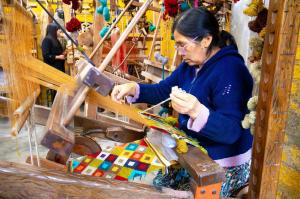
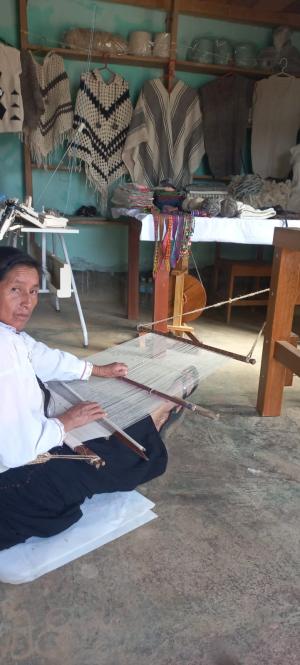
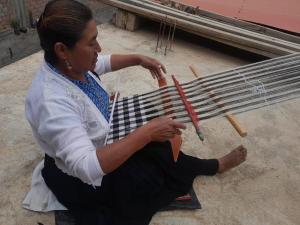
| Awareness raising | The awareness raising identified constitute a central component of safeguarding processes, as they enable the community to share internally both the achievements attained and the challenges that still need to be addressed, as well as to establish and consolidate community-based archives as tools for memory and continuity. In this context, the promotion activities related to the Intangible Cultural Heritage of Bëtsknaté are understood as a continuous process aimed at creating favorable conditions for its safeguarding and long-term viability. Among these actions, intergenerational dialogues play a particularly important role, as they facilitate regular encounters between elders, women knowledge holders (mamitas), youth and children, enabling the direct transmission of memory, knowledge and values to younger generations. Likewise, community-led research and documentation processes have been carried out under the leadership of the Indigenous Council (Cabildo), focusing on the agro-ecological calendar and the relationship between natural cycles and cultivation practices from the Kamëntšá cosmovision. These initiatives have been complemented by sustained documentation of traditional foodways, including the preparation of a recipe book and records of culinary practices. Additional actions have been undertaken to document and transmit knowledge related to weaving traditions, the memory of the ceremonial characters of Bëtsknaté, and the historical role of the Cabildo authorities in the development of the celebration. The strengthening of the mother tongue constitutes another fundamental axis of safeguarding, promoted through its use in songs, narratives and ritual practices. This process begins during gestation, involving pregnant women, and is reinforced throughout the different stages of life, particularly among children and youth, with the aim of ensuring the continuity of Indigenous knowledge systems and ways of thinking. Finally, the ongoing recording and documentation of the celebration through photographs, videos and oral testimonies, together with the production of bilingual pedagogical materials, community radio programs and artistic expressions, contribute to strengthening the transmission of knowledge and enhancing the recognition of Bëtsknaté both within and beyond the community. | |
| Engagement of communities, groups and individuals as well as other stakeholders | The safeguarding of Bëtsknaté is grounded in the broad, active and differentiated participation of the bearer community, as well as of diverse groups, individuals and institutional actors, in line with the principle that communities are the primary agents in the identification, transmission and management of Intangible Cultural Heritage (ICH). The Kamëntsá Biyá People, as a whole, constitute the collective bearer community of Bëtsknaté and participate directly in all phases of the safeguarding process, including preparation, celebration, transmission, reflection and evaluation. Community participation is intergenerational and inclusive, involving families, elders, women, men, youth, girls and boys, each with roles and responsibilities defined according to the community’s own social and cultural organization. Families constitute the primary space for the transmission of knowledge, values and practices associated with Bëtsknaté, ensuring cultural continuity through everyday life. Elders and knowledge holders act as bearers of memory, guiding the ritual, ethical and symbolic dimensions of the celebration. The Indigenous Council (Cabildo) of the Kamëntsá Biyá People, as the traditional authority and self-governing body, plays a central leadership and coordination role in the safeguarding of Bëtsknaté. It is responsible for organizing the celebration, facilitating collective decision-making, convening the community, and articulating actions related to transmission, research and cultural protection. Organized groups linked to Indigenous education, traditional medicine, food production, music, dance, craftsmanship and other cultural practices that form an integral part of the cultural system of Bëtsknaté also participate actively. Various individual bearers perform specific functions in both the celebration and its transmission, including traditional authorities, elders, musicians, dancers, artisans, traditional cooks, ritual guides and community educators. Their participation ensures the specialized transmission of knowledge, both in ritual contexts and in formal and non-formal educational settings. Educational institutions within the territory, such as schools and Indigenous education centers, as well as the early childhood center, actively contribute to the transmission of Bëtsknaté through pedagogical processes adapted to each stage of life. These institutions facilitate the involvement of children and youth as new bearers of heritage, thereby strengthening the viability of the Intangible Cultural Heritage. Other stakeholders include public institutions at the local, departmental and national levels, which provide technical and institutional support while respecting community autonomy; researchers and cultural organizations, whose participation is regulated through community agreements; and visitors, who are incorporated into the celebration under principles of respect, coexistence and intercultural dialogue. The participation of communities, groups and individuals in Bëtsknaté reflects a community-based safeguarding model, in which decisions, practices and strategies emerge from the bearer community itself. This approach ensures the viability of Intangible Cultural Heritage, strengthens social cohesion and promotes the intergenerational transmission of knowledge, values and meanings. | |
| International engagement | The activities carried out by the Kamëntšá Biyá Indigenous Council (Cabildo) in the field of cooperation for the safeguarding of the Intangible Cultural Heritage associated with Bëtsknaté have developed progressively at the local, regional, national and international levels, through the articulation of community and institutional actors that contribute to strengthening this cultural manifestation. At the international level, particular importance is given to the participation of delegates of the Indigenous Council in the UNESCO Intergovernmental Committee for the Safeguarding of the Intangible Cultural Heritage, held in Bogotá in 2019, where the Kamëntšá people presented their practices, ancestral knowledge and the use of their own systems of thought. This space enabled the positioning of Bëtsknaté within global forums and strengthened its recognition within international safeguarding mechanisms. Taken together, these actions demonstrate an articulated process of cooperation that originates in community strengthening, is consolidated through institutional collaboration, and is projected toward international arenas, thereby contributing to ensuring the continuity and viability of Bëtsknaté as living cultural heritage. | |
| References |
|
|




.jpeg)


.png)
.jpeg)
.jpg)
.png)
.jpg)


_(31711258567).jpg)