
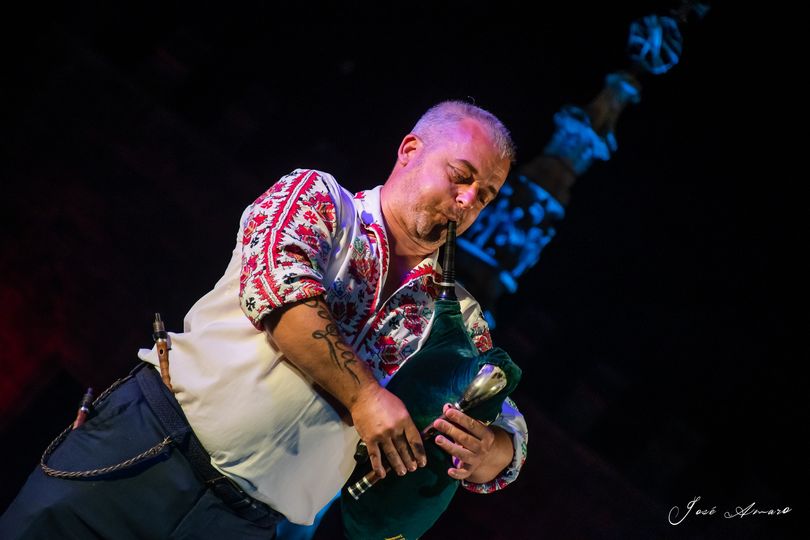
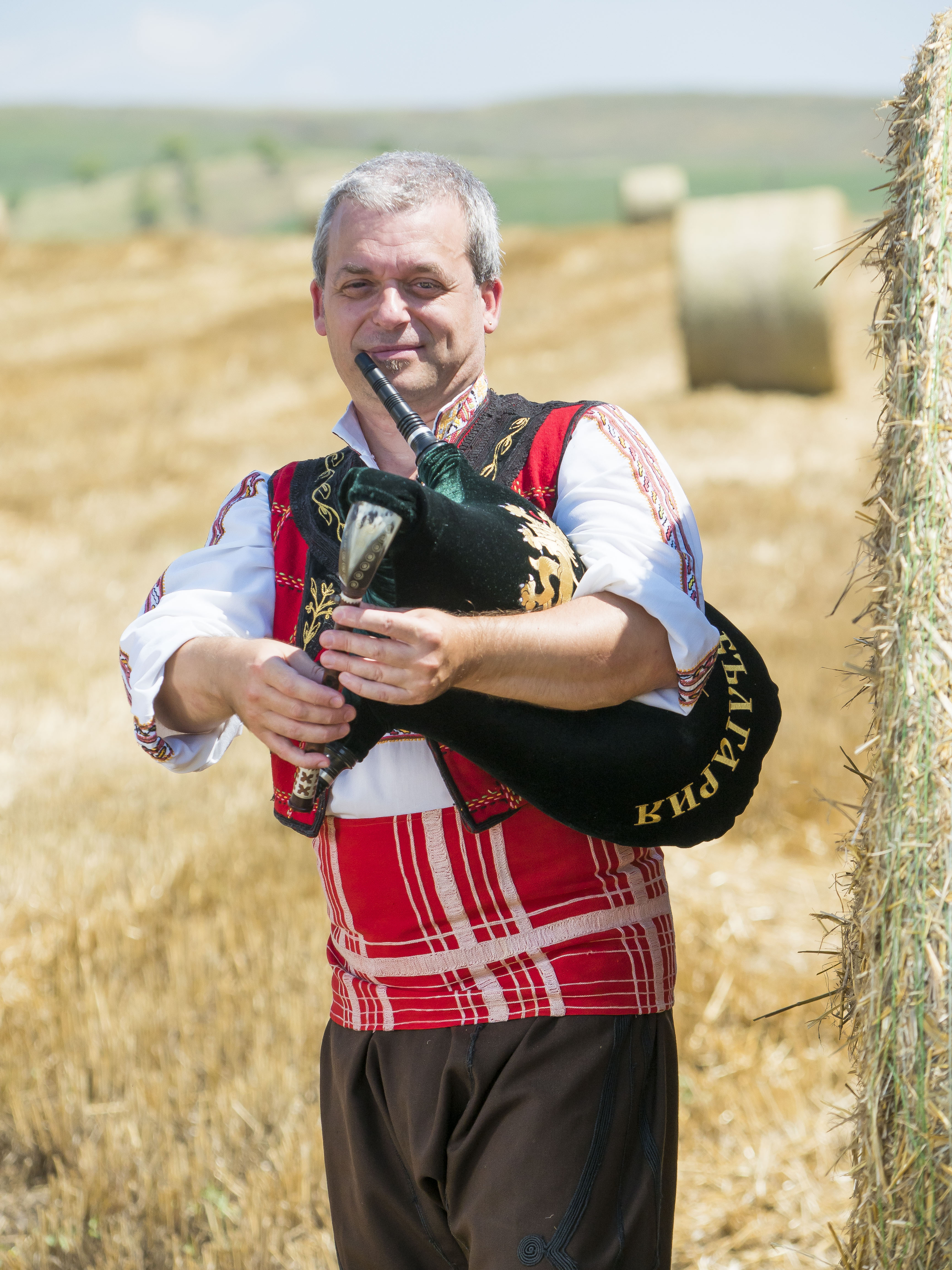
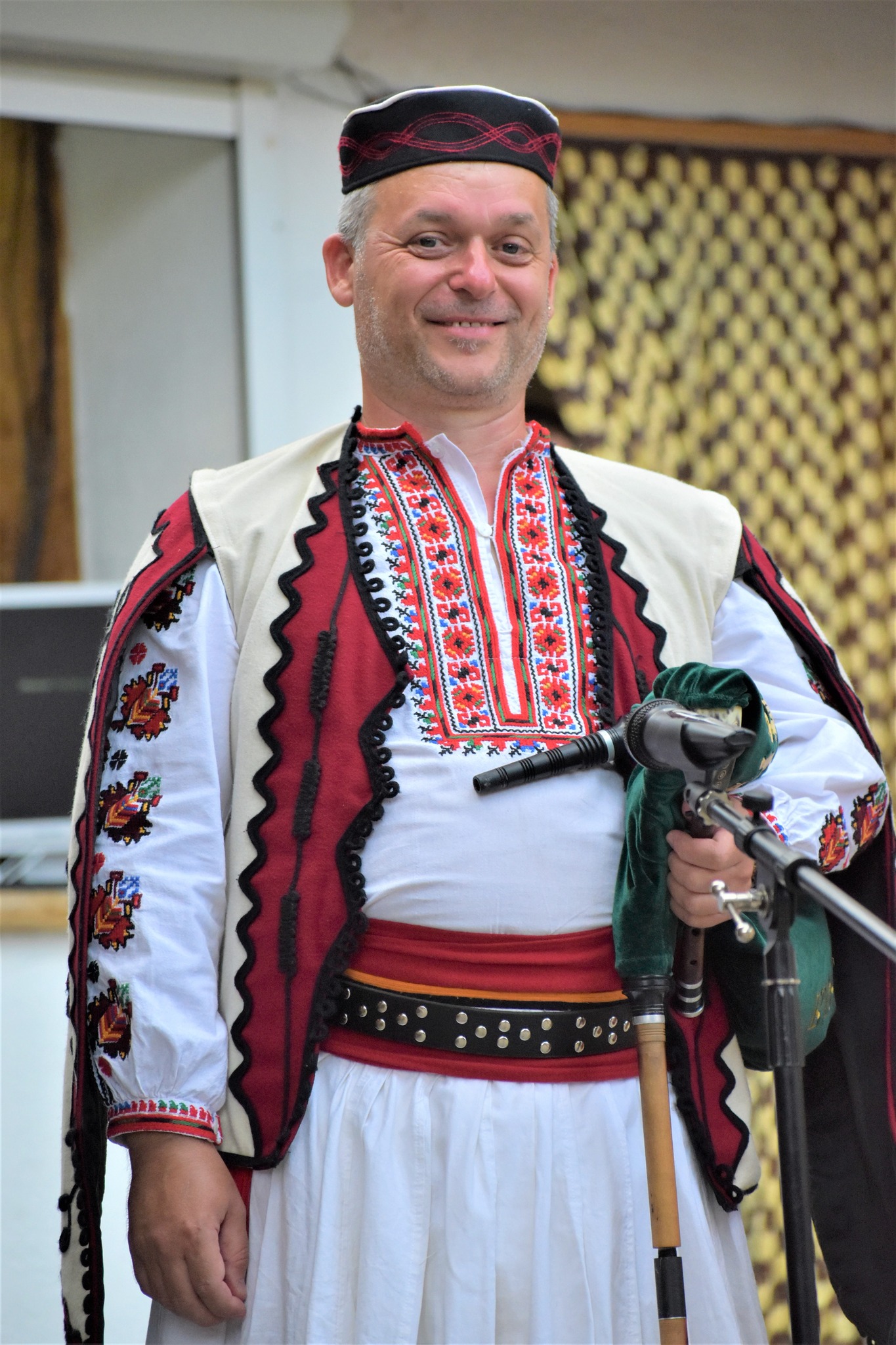
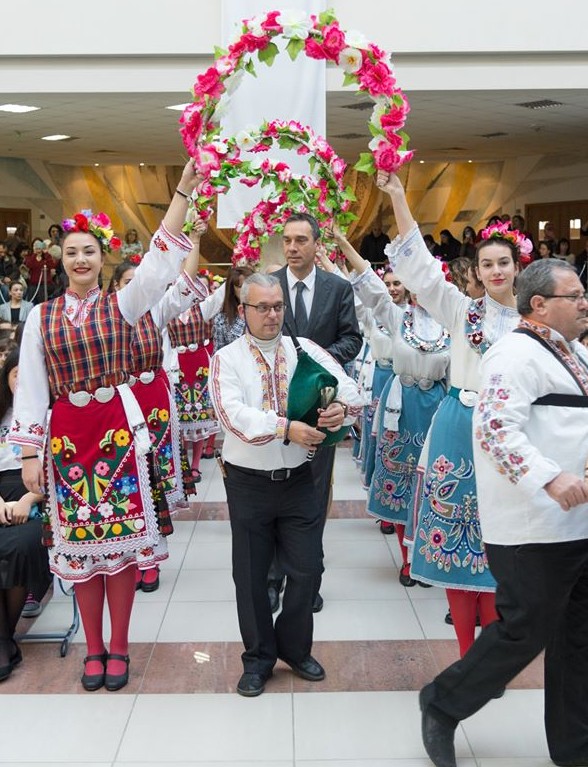
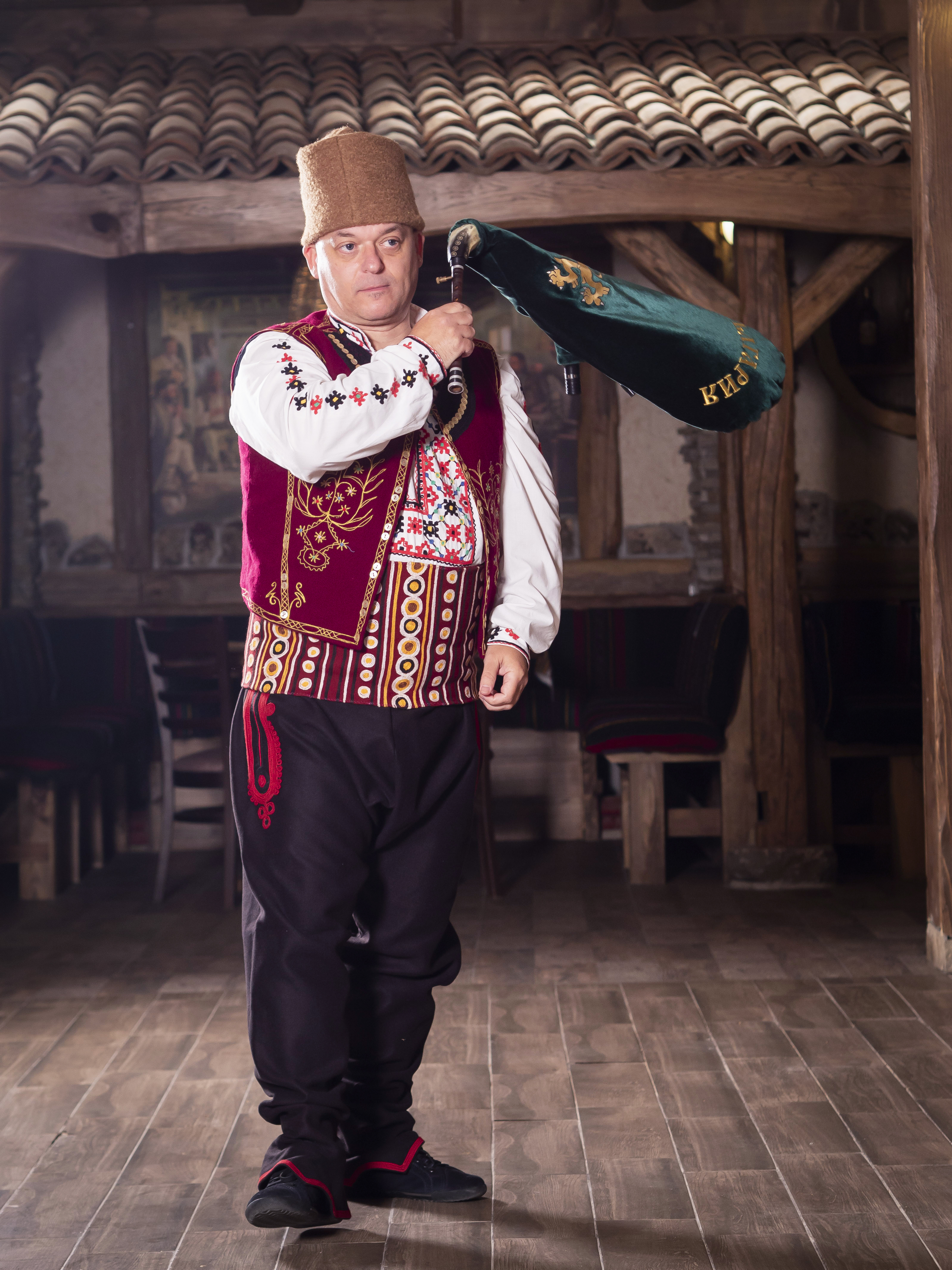
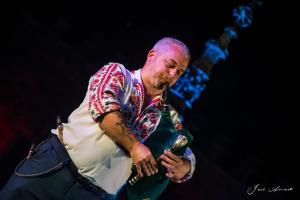
The focus of this candidacy is the Bulgarian bagpipe tradition, specifically the "gaida" – a traditional woodwind instrument that has been a cornerstone of Bulgarian identity for centuries. This element belongs to the domain of "performing arts" and "traditional craftsmanship," as it encompasses not only the mastery of performance but also the specialized knowledge of constructing the instrument and maintaining its authentic repertoire.
In Bulgaria, the gaida is more than a musical instrument; it is a symbol of communal life, present in every ritual, celebration, and social gathering. The specific focus of my work is the Strandja bagpipe style, known for its deep, melodic ornamentation and its unique role in the preservation of the folklore of Southeastern Bulgaria.
It is important to note that "Bagpipe playing and musical knowledge in Bulgaria" was officially inscribed on the UNESCO Representative List of the Intangible Cultural Heritage of Humanity in December 2025. This heritage is characterized by a complex system of transmission – from the specific "kaba" (deep) and "dzhura" (high-pitched) drones to the sophisticated digital archiving of its melodies. The safeguarding of this heritage is vital due to the threats of depopulation in rural regions and the changing social habits of younger generations. My work ensures that this ancient sound remains a living part of the contemporary global musical landscape.
04-28-2026
| Institutional and human capacities | Institutional Capacity: The candidacy is supported by the "Art Crescendo" Association, which provides the administrative and legal framework for project management and international cooperation. Furthermore, the partnership with the "Nikola Ginov" and "Radost" ensembles ensures access to professional rehearsal facilities, extensive folklore archives, and a long-standing organizational tradition in the city of Burgas. Human Capacity: The project relies on a highly skilled team of professionals, led by the candidate, who possesses over 21 years of experience in musical performance and digital preservation. The team includes expert choreographers, professional musicians from the "Fiziev Band," and educators dedicated to ICH. This combined expertise ensures the high quality of artistic output, technical documentation, and the effective transmission of bagpipe mastery to the younger generation. | |
| Transmission and education | My activities are built upon a stable organizational foundation led by the "Art Crescendo" Association, which provides the necessary administrative and legal framework for managing large-scale cultural initiatives and international partnerships. In addition, my close collaboration with the "Nikola Ginov" and "Radost" folklore ensembles in Burgas guarantees access to professional rehearsal facilities, extensive archives, and a long-standing tradition of event organization. This institutional backing is complemented by a highly qualified team of professionals, including proven choreographers, the musicians of the "Fiziev Band," and experienced educators. My methodology for transmitting knowledge is built upon over twenty years of pedagogical experience, the first decade of which was spent in a highly specialized school for Bulgarian folklore, followed by work as a music teacher in general education classes. This combined capacity merges professional academic knowledge with practical experience in adapting folk heritage for various social groups. I utilize digital tools, such as notation software and studio recordings, to create archives that allow my students to study complex melodies at their own pace, bridging the gap between the old school and modern learning habits. My goal is to utilize this accumulated pedagogical resource to transform every student into an active guardian of the Bulgarian bagpipe tradition. My work encompasses a complete cycle of intangible heritage safeguarding, ranging from professional performance art to active social integration and long-term education. At the heart of my work is the preservation of the authentic folklore repertoire. Parallel to this, I implement community-based projects aimed at returning folklore to its natural environment through concerts in remote villages and initiatives for the elderly. Through the "Art Crescendo" Association, these efforts are administratively coordinated to transform traditional bagpipe art into a sustainable tool for social cohesion and national identity. | |
| Inventorying and research | My work involves a systematic approach to the inventorying and research of the folklore repertoire, which is crucial for its authentic preservation. As a PhD student and researcher, I focus on identifying and documenting fading patterns of the Strandja bagpipe tradition, which often exist only in the memory of the eldest performers. My workflow includes field research, audio and video recording of performances, and detailed musical analysis of specific ornaments and technical methods. A key element of my research activity is the transformation of these sound archives into digital scores using specialized notation software. This allows for the creation of a structured and easily accessible inventory that serves not only for academic purposes but also as a practical guide for contemporary musicians. Through the activities of the "Art Crescendo" Association, this research becomes the foundation for new projects, ensuring that every performance is built upon a solid documentary and historical basis. | |
| Policies as well as legal and administrative measures | My activities are strictly aligned with the national and international legal frameworks for the safeguarding of intangible cultural heritage (ICH). On a national level, my work is grounded in the Cultural Heritage Act of the Republic of Bulgaria, which defines the preservation and transmission of traditional arts as a national priority. This legal foundation allows my initiatives, managed through the "Art Crescendo" Association, to operate within a structured administrative environment that encourages the documentation and revitalization of folk traditions. Furthermore, my efforts are directly inspired by the 2003 UNESCO Convention for the Safeguarding of the Intangible Cultural Heritage. The recent inclusion of "Bagpipe playing and musical knowledge in Bulgaria" in the UNESCO Representative List (New Delhi, December 2025) provides a crucial administrative and moral mandate for my work. This international recognition serves as a key policy driver, ensuring that my pedagogical and research activities contribute to a global responsibility. By integrating these legal and administrative measures into my practice, I ensure that the bagpipe tradition is not only performed but also protected and officially recognized as a vital component of human heritage. | |
| Role of intangible cultural heritage and its safeguarding in society | Intangible cultural heritage (ICH) serves as the invisible backbone of society, providing a sense of identity, continuity, and belonging in an increasingly globalized world. Its role extends far beyond artistic expression; it is a vital repository of human knowledge, values, and social practices that foster community cohesion. Safeguarding ICH is essential because it protects the cultural diversity that defines us, ensuring that unique traditions—such as the Bulgarian bagpipe (gaida) mastery—do not become static museum exhibits but remain living, breathing assets for future generations. In society, the safeguarding of ICH plays several critical roles: • Social Cohesion and Identity: By preserving shared traditions, ICH strengthens the bonds within a community, providing a common language and a shared history that bridges generational gaps. • Resilience and Well-being: As demonstrated through my projects in elderly care homes and rural areas, traditional music and practices act as a powerful tool for social inclusion and mental well-being, revitalizing communities that feel marginalized. • Educational Foundation: ICH provides a unique pedagogical resource that fosters creativity and respect for diversity. Safeguarding ensures that this "living library" of skills and wisdom is transmitted effectively, allowing youth to build their future on a solid cultural foundation. Ultimately, safeguarding ICH is not about freezing the past, but about managing change. It allows society to evolve without losing its soul, transforming inherited wisdom into a catalyst for modern social and sustainable development. | |
| Awareness raising | Awareness raising is a cornerstone of my mission to ensure that the Bulgarian bagpipe (gaida) tradition remains a respected and vibrant part of contemporary cultural life. My strategy focuses on increasing the visibility of this heritage through diverse platforms and public engagement. To achieve this, I utilize several key approaches: • Public Performances and Genre Innovation: Through international tours and high-profile concerts, I promote the gaida not only as a traditional instrument but as a versatile professional tool. A key part of my advocacy is placing the gaida in non-traditional musical environments and styles, such as symphonic, jazz, pop, and rock music. By breaking the boundaries of the genre, I demonstrate the instrument's modern relevance and its ability to harmonize with global musical trends. • Educational Outreach: My role as a long-standing music teacher allows me to raise awareness directly within the educational system. By introducing students to the complexity of folklore in a classroom setting, I foster a new generation of informed listeners and practitioners who value intangible heritage as part of their modern identity. • Social Media and Digital Presence: I actively use digital platforms to share performances and educational content. By presenting folklore in a high-quality digital format, I make it accessible and appealing to younger audiences who primarily consume culture online. • Community Engagement: Organizing events in non-traditional venues, such as social care homes and remote rural squares, brings the heritage directly to the people, encouraging local residents to recognize themselves as the primary owners and guardians of this tradition. | |
| Engagement of communities, groups and individuals as well as other stakeholders | My approach to safeguarding intangible cultural heritage is rooted in the active engagement of diverse communities, ensuring that the preservation process is inclusive and collaborative. I act as a bridge between various stakeholders, from local tradition bearers to institutional partners, creating a sustainable ecosystem for the Bulgarian bagpipe tradition. Key areas of engagement include: • Practitioners and Youth: Through my long-term work with various folklore ensembles, I engage young performers not just as students, but as active participants in the creative process. By involving them in professional recordings and international tours, I empower them to become the next generation of stakeholders who carry the tradition forward. • Local Communities in Rural Regions: In the Strandja region, my work involves close collaboration with local residents and community centers (chitalishta). By organizing field research and local performances, I re-engage these communities with their own fading traditions, fostering a sense of collective ownership over their cultural heritage. • Vulnerable Social Groups: My initiatives in elderly care homes provide a unique space for social engagement. Here, the elders are not just an audience; they are often the original keepers of stories and melodies. This interaction promotes intergenerational solidarity and gives these individuals a renewed sense of purpose and social value. • Institutional and Professional Stakeholders: Through the "Art Crescendo" Association, I maintain active partnerships with municipalities, educational institutions, and fellow professional musicians. By integrating the bagpipe into diverse musical genres—such as symphonic, jazz, and rock—I engage new stakeholders from different artistic sectors, expanding the reach and appreciation of folklore in modern society. | |
| International engagement | My commitment to the safeguarding of intangible cultural heritage (ICH) extends to the international stage, where I act as a cultural ambassador for the Bulgarian bagpipe tradition. International engagement is a vital component of my work, as it allows for the exchange of knowledge, the promotion of cultural diversity, and the elevation of folklore to a global professional level. Key aspects of my international activities include: • Global Cultural Diplomacy: I have participated in dozens of international tours, performing at prestigious festivals. These engagements are not merely performances; they are opportunities to present the technical complexity and historical depth of the Bulgarian gaida to international audiences, experts, and fellow musicians. • Cross-Genre and Transnational Collaboration: A central part of my international strategy is the integration of the gaida into diverse musical frameworks. By collaborating with international artists and exploring genres such as symphonic, jazz, and world music, I foster a transnational dialogue that proves folklore is a universal language capable of evolving without losing its authentic soul. • Contribution to Global ICH Awareness: My work aligns with the goals of the 2003 UNESCO Convention, particularly in raising global awareness about the viability of traditional instruments. By showcasing the digital preservation and social application of the gaida on international platforms, I contribute to the global discourse on how traditional arts can be sustained and revitalized in the modern era. | |
| References | https://www.youtube.com/watch?v=vTV8FFbKx5g https://www.youtube.com/watch?v=ihP1LlQcQu0 https://www.youtube.com/watch?v=puJYPXw4PV8 |
|










.jpeg)



.png)

.jpeg)

.jpg)

.png)
.jpg)


_(31711258567).jpg)