
.jpeg)
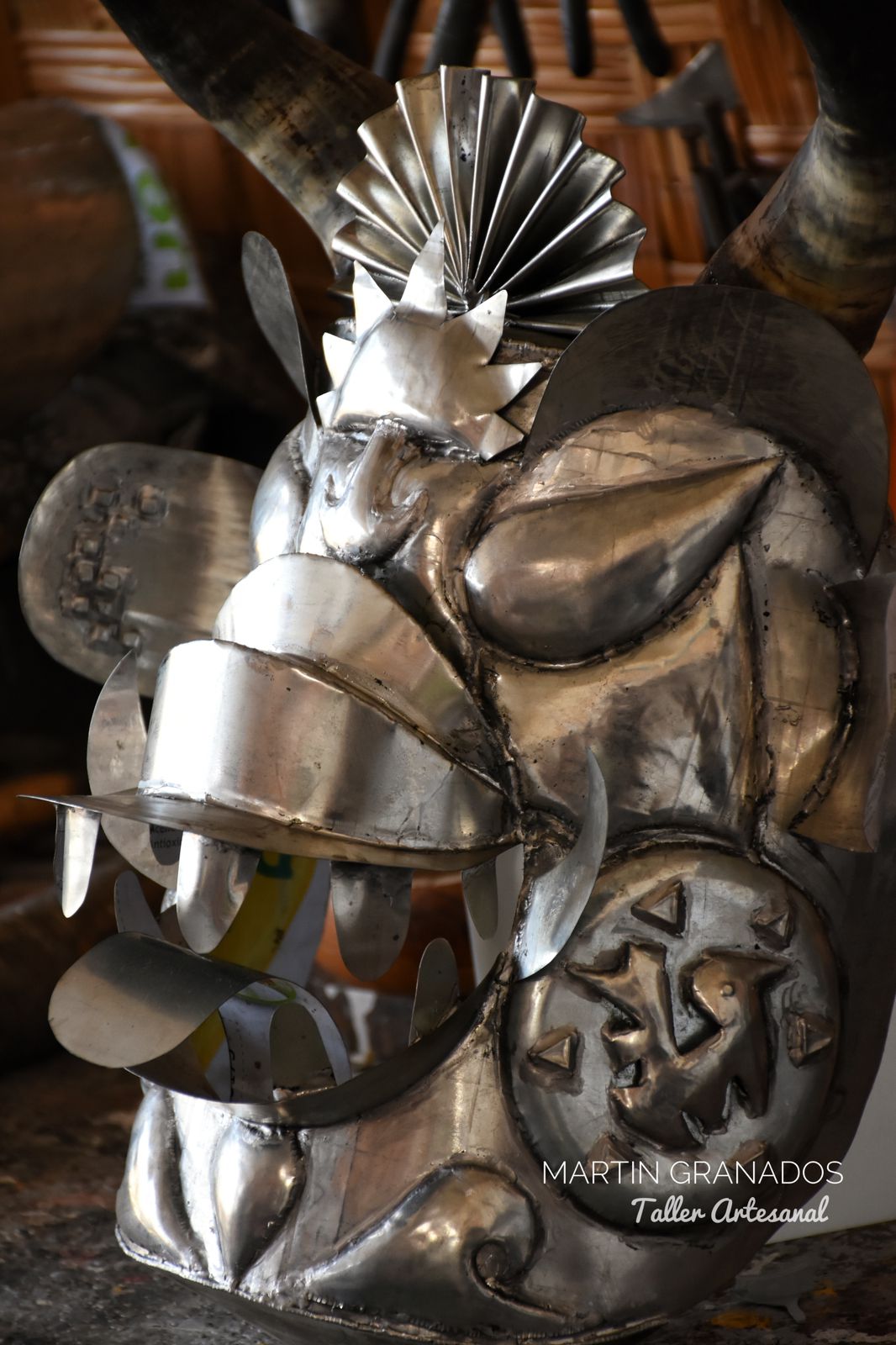
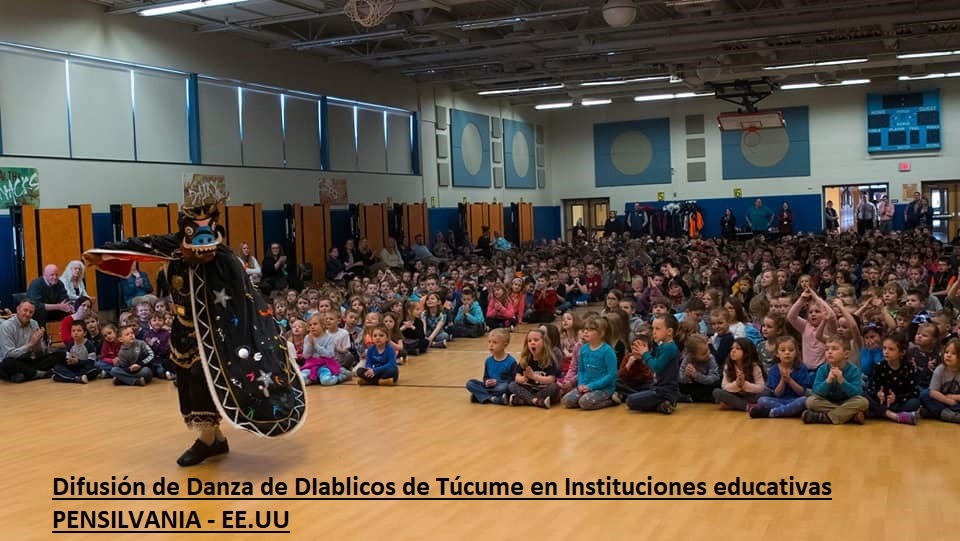
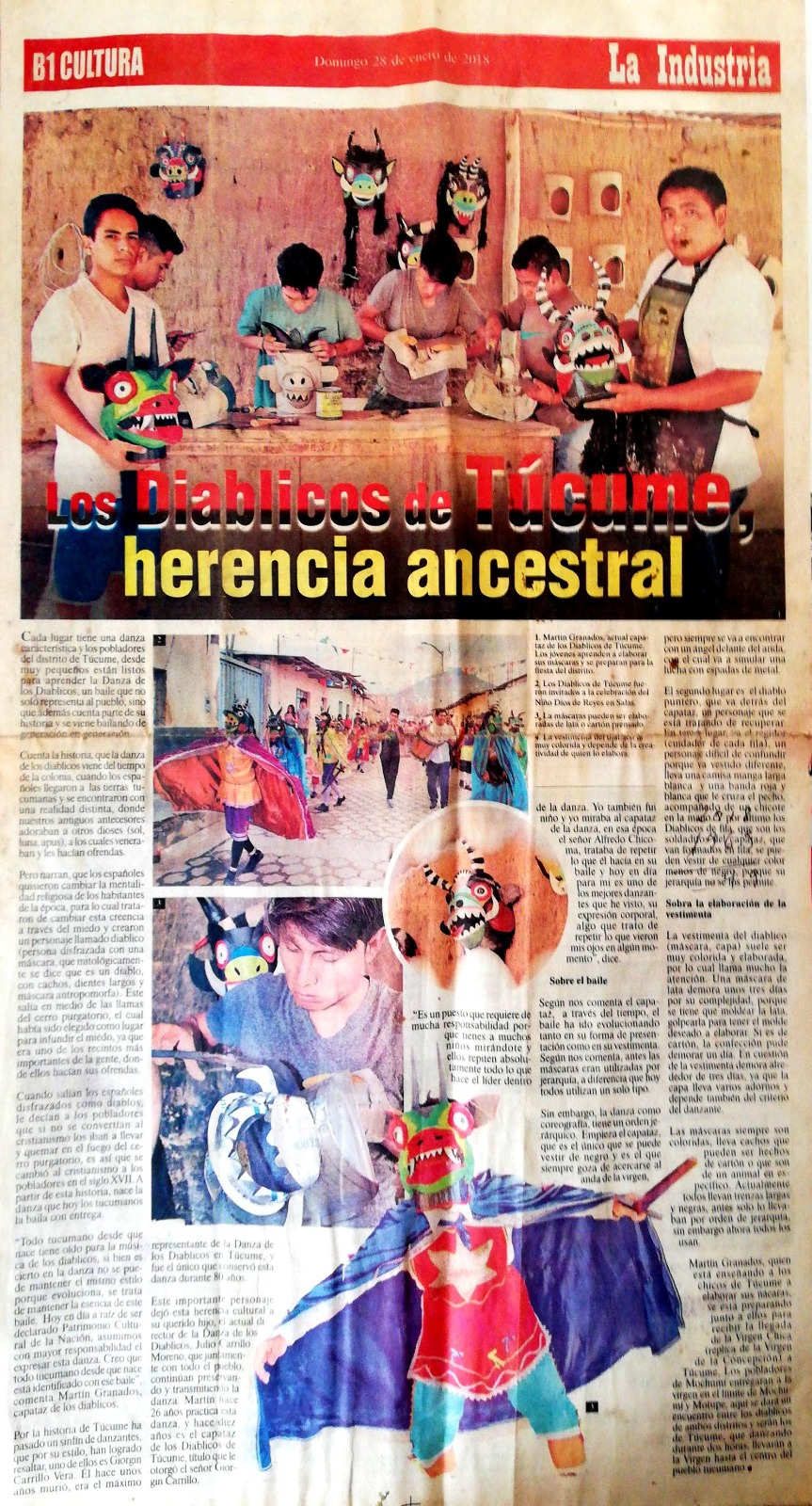
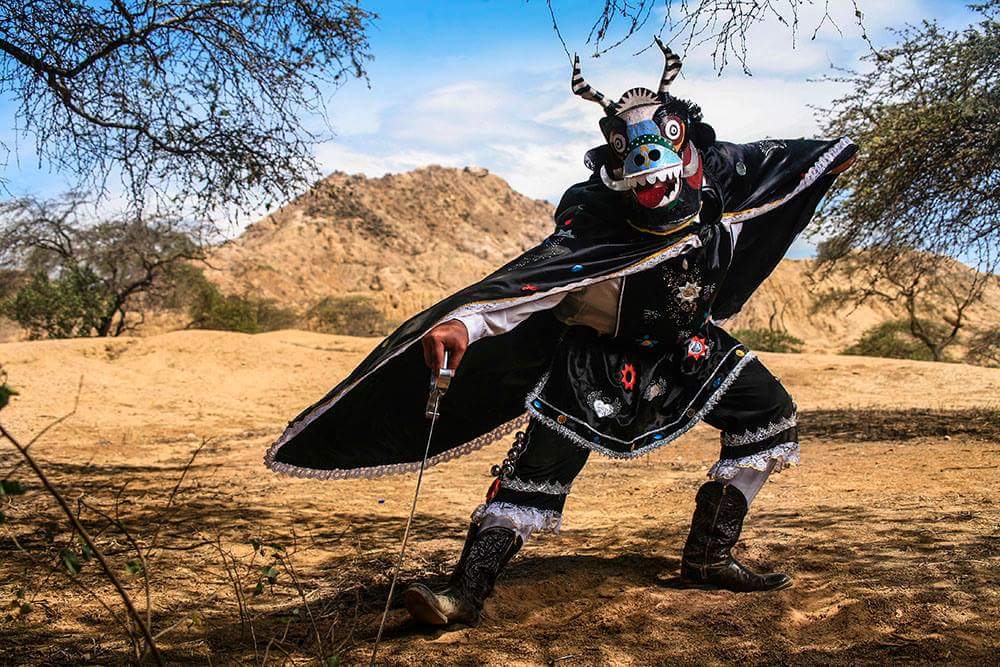
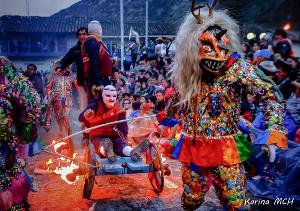
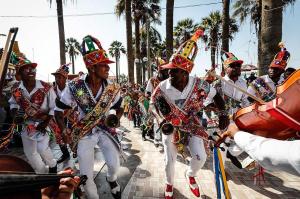
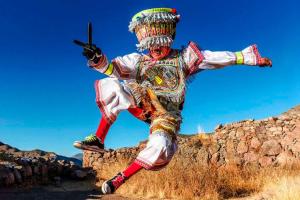
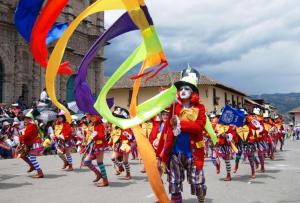
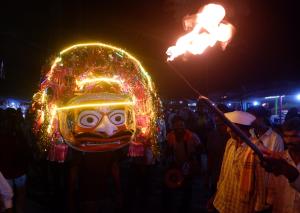
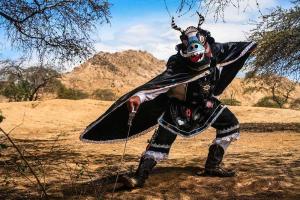
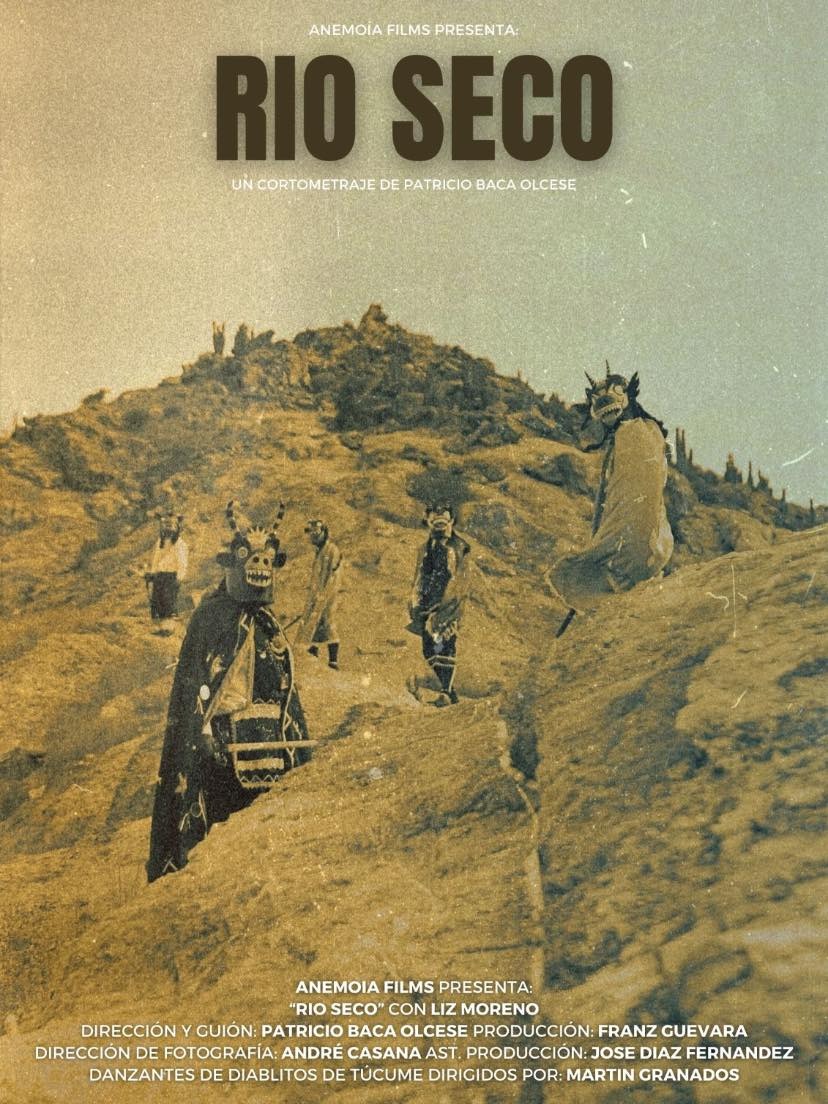
The “Diablicos de Túcume” dance is a living expression of Peru's Intangible Cultural Heritage, representing the history, faith, and identity of its people.
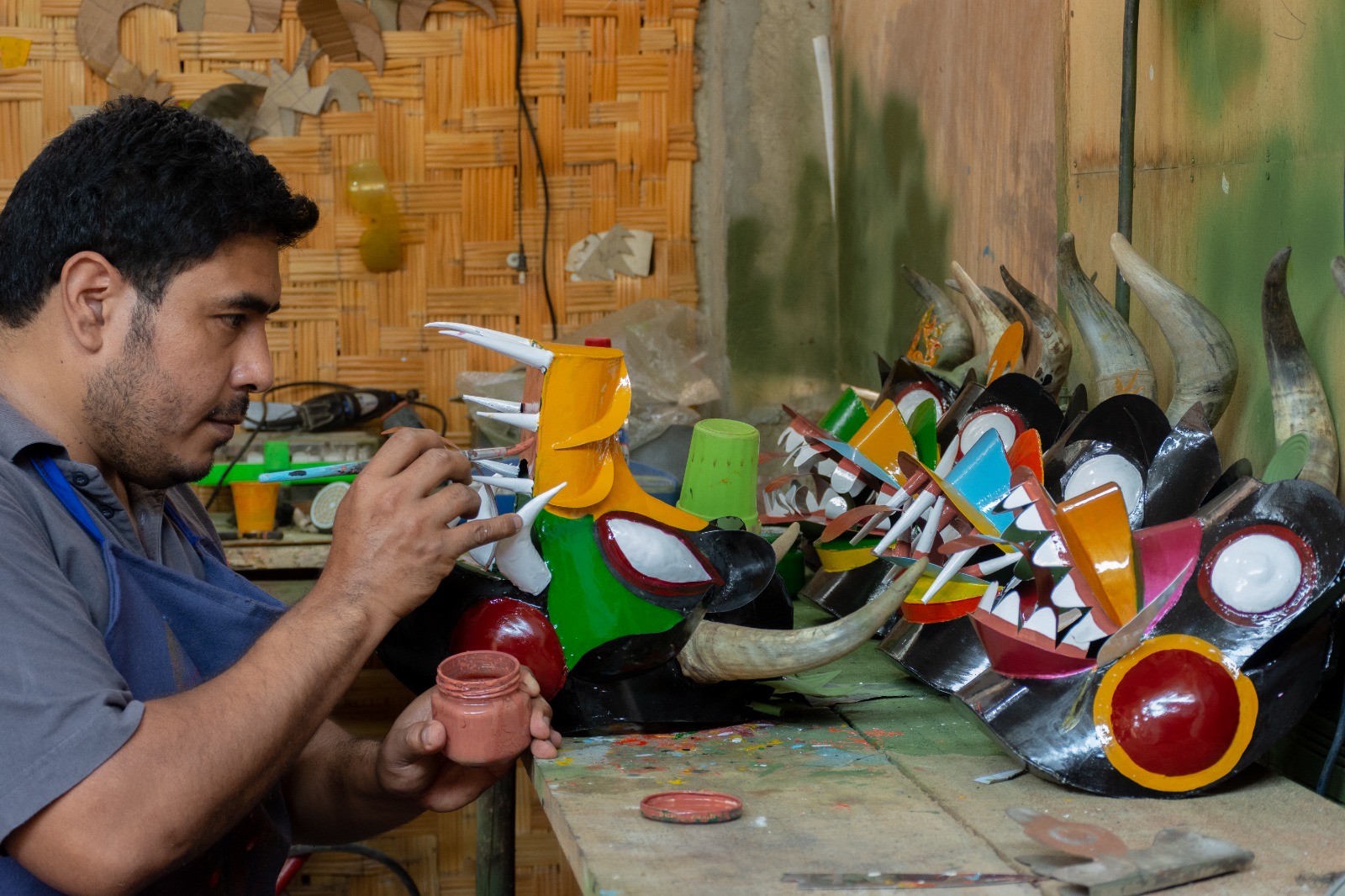
My work as a dancer, General Foreman, and master mask maker has focused on safeguarding this tradition through free instruction for children and young people, the transmission of ancestral knowledge, and the creation of masks using traditional tinsmithing techniques.
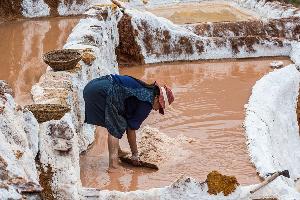
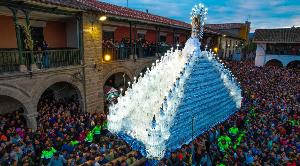
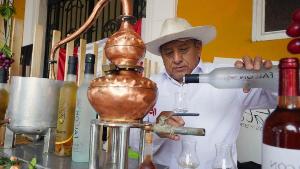
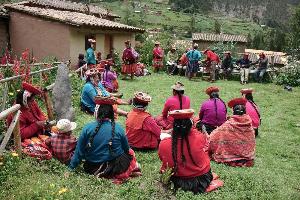
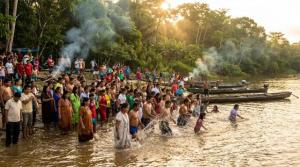
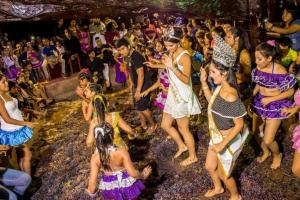
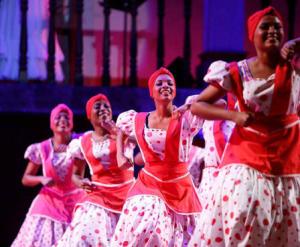
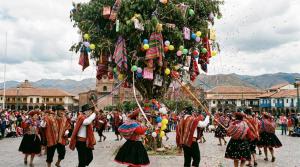
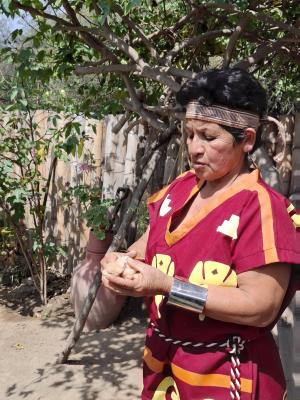
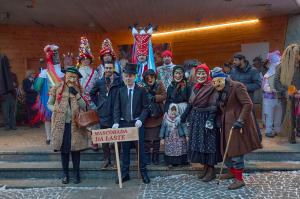
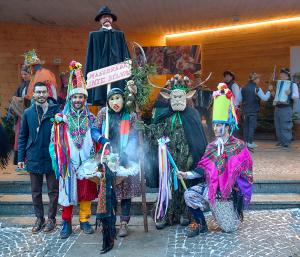
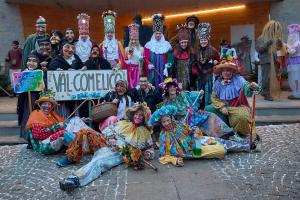
The images presented reflect years of continuous work in the community: workshops, learning processes, the participation of new generations, and cultural activities that keep this expression alive.
This effort stems from a deep conviction: that heritage is protected by teaching it, sharing it, and making it part of people's lives.
Over time, this work has allowed us to train new generations who continue the cultural practice today, some even leading their own groups. Currently, I continue to develop free workshops, especially in the most remote rural areas, so that more children and young people have the opportunity to learn about their heritage, practice it, and feel proud of it. This process doesn't end here. I continue working to strengthen the commitment that future generations will not only inherit this tradition, but also keep it alive and carry it into the future.
“NO ONE LOVES WHAT THEY DON'T KNOW.”
04-28-2026
| Institutional and human capacities | Martín Granados Castro carries out his work safeguarding intangible cultural heritage through a model based on experience, self-management, and community work. He has been a member of the Diablicos de Túcume dance troupe for over 35 years and its General Foreman for 20 years, which has allowed him to acquire extensive knowledge of the organization, meaning, and practice of this tradition. He also has over 25 years of experience as a master mask maker in the tinsmithing technique, which strengthens his role as an integral bearer of this heritage. In the institutional sphere, he has worked in coordination with various entities such as the District Municipality of Túcume, the Túcume Museum, and local cultural organizations, developing workshops, educational projects, and cultural outreach activities. He has also participated in national initiatives promoted by the Ministry of Culture of Peru. Furthermore, he is the founder of a community museum-workshop dedicated to the preservation and teaching of the Diablicos de Túcume masks, which serves as a space for training, practical research, and knowledge transmission. On a human level, his work focuses on the education of children, young people, and new cultural bearers, many of whom have developed their own cultural groups or continue to actively participate in the tradition. His teaching skills, leadership, and social commitment have allowed him to build trust within the community and consolidate support networks based on volunteer participation. Through his experience, leadership, and community work, he has built human and institutional capacities that guarantee the continuity of cultural heritage in his community. | |
| Transmission and education | José Martín Granados Castro dedicates his life to transmitting intangible cultural heritage, educating children and young people from rural and urban areas of Túcume so they may know, value, and love their culture. His vocation began in his youth when he found no one to teach him. This experience led him to become self-taught and to commit himself to ensuring that new generations do not face the same difficulties, building a clearer path for learning their heritage. His teaching unfolds in stages: it begins with raising awareness and recognizing cultural value, continues with the history and meaning of the Diablicos dance of Túcume, and is strengthened through the practice of the dance and the creation of masks using traditional techniques. The process culminates in public performances, where participants recognize themselves as living part of their culture. His work is free and inclusive, also involving families and the community. As a result, he has trained generations who continue the tradition today, some of them as new cultural leaders. His work is based on a deep conviction: “no one loves what they don’t know,” and teaching is the way to keep heritage alive. | |
| Inventorying and research | José Martín Granados Castro contributes to the recording and understanding of intangible cultural heritage through the living documentation of his practice and teaching. From his museum-workshop, he has built an archive based on experience: photographs, mask-making processes, records of workshops, performances, and cultural activities that reflect the continuity of the Diablicos de Túcume dance. This space not only preserves objects but also memories, knowledge, and processes that are part of the tradition. In addition, he uses social media as a tool for documentation and dissemination, where he constantly shares the creative process, the teaching, and the cultural significance of this expression, allowing the knowledge to reach new generations and wider audiences. His work also involves an ongoing process of research based on practice, learning from the elders, exchanging knowledge with other traditional artists, and strengthening his understanding through direct experience. More than a formal inventory, his work represents a living record of heritage, where each mask, each workshop, and each lesson becomes a way to preserve and transmit the cultural memory of his people. | |
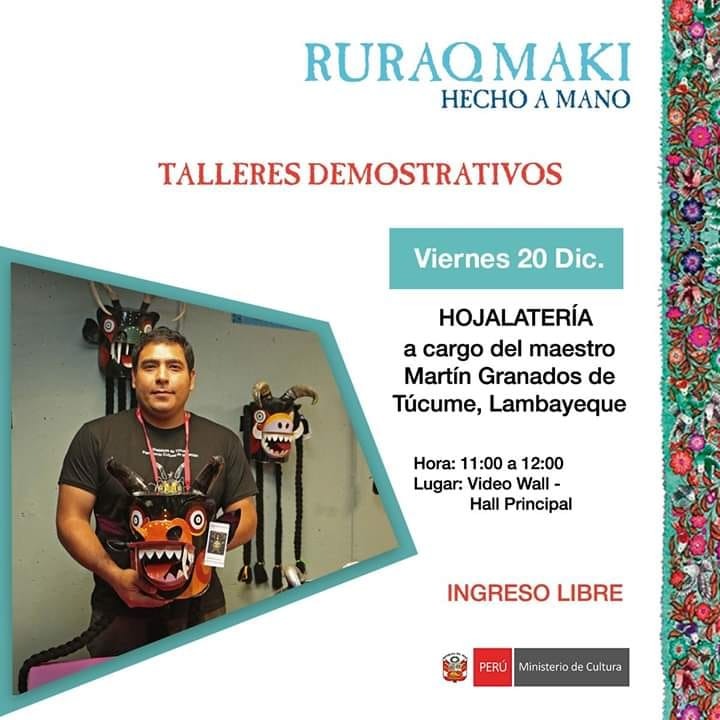
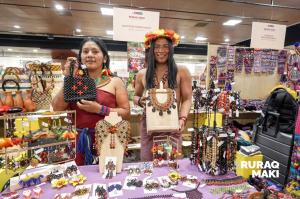
| Policies as well as legal and administrative measures | My work safeguarding intangible cultural heritage has developed in relation to existing cultural policies in Peru, especially those promoted by the Ministry of Culture. A significant milestone was the recognition of the Diablicos de Túcume dance as a National Cultural Heritage in 2013. This achievement was the result of collaborative work between the community, institutions, and bearers of the tradition, and it strengthened the appreciation and protection of our culture. Over the years, I have participated in initiatives that promote traditional art, such as the national exhibition “Ruraq Maki,” and I have worked with local institutions like the Municipality of Túcume and the Túcume Museum, leading workshops and educational activities for children and young people. However, much of my work has been driven by self-management, motivated by the conviction that our heritage must remain alive despite limitations. Through my work, I seek to complement and strengthen these efforts, bringing culture closer to those who need it most. I firmly believe that when the community gets involved and educated, heritage is not only protected, but strengthened and projected into the future. | |
| Role of intangible cultural heritage and its safeguarding in society | For me, intangible cultural heritage is not just a tradition; it's a way of life that unites people, strengthens identity, and fosters a sense of belonging to a community. Through the Diablicos de Túcume dance, I've seen how children, young people, and adults find a space where they feel part of something bigger, where they learn values like respect, discipline, and teamwork. In many cases, art and culture become an alternative to social problems, helping to transform lives. My work not only seeks to preserve a tradition but to keep it alive, to ensure that new generations feel it as their own and continue it with pride. When a child learns, when a young person decides to follow the cultural path, when a community comes together around its tradition, heritage fulfills its true role in society. I firmly believe that protecting cultural heritage is also about building a more united society, with identity and a future. | |
| Awareness raising | For me, raising awareness is the first step in keeping our heritage alive. That's why, before teaching dance or mask-making, I strive to ensure that children and young people understand the value of what they are learning. Through talks, workshops, exhibitions, and activities in my museum-workshop, I create spaces where people can learn about the history, meaning, and importance of the Diablicos de Túcume dance. It's not just about seeing or hearing, but about experiencing the culture firsthand. I also use social media as a tool to reach more people, sharing the process, the teaching, and the meaning of our tradition, making our heritage visible both within and beyond my community. I have seen firsthand that when people understand their culture, they value and respect it. That's why my work always begins with raising awareness, because I am convinced that this is where true commitment to preserving our heritage is born. | |
| Engagement of communities, groups and individuals as well as other stakeholders | My work is born from and sustained by the community. It couldn't exist without the participation of children, young people, families, and tradition bearers who believe in the importance of keeping our heritage alive. Through free workshops, I invite children and young people, including those facing social challenges, to be part of this cultural process. Here, they not only learn a dance or a technique, but they also find a space where they feel valued, where their efforts have a purpose, and where they can build a better future. Families play a fundamental role, supporting and motivating their children, strengthening the bond between culture and home. I also work with local institutions, schools, and other cultural stakeholders to broaden the reach of these initiatives. I also promote the participation of neighboring communities, organizing cultural spaces where they can share their own expressions, creating encounters that strengthen respect and cultural diversity. I firmly believe that heritage doesn't belong to just one person, but to the entire community. Therefore, my work aims to ensure that each participant feels part of this legacy and also responsible for its continuation. | |
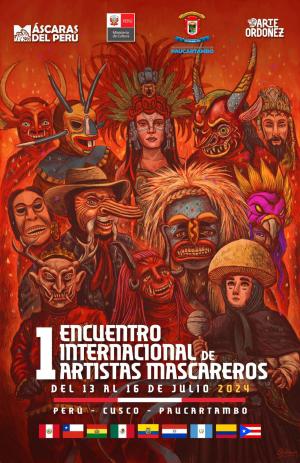
| International engagement | Through my work, I have always sought to ensure that the intangible cultural heritage of my community transcends borders. I have had the opportunity to connect my work with international exchange and dissemination spaces, especially with the United States, where interest has grown in the artistic and symbolic value of our cultural expressions. Likewise, through the export of my traditional pieces and masks, I have taken part of our identity to stages outside the country, allowing our art to engage in dialogue with other cultures without losing its essence. I have also participated in international gatherings where I have been able to share experiences, learn from other safeguarding processes, and reaffirm that living heritage is strengthened when it connects with the world. I firmly believe that the local becomes universal when it is practiced with respect, authenticity, and commitment. | |
| References |
https://youtu.be/D4WZrs6gfqY?si=Qln4_DUY9Yqspv7y https://youtu.be/cq6xy3w7Bag?si=MYIc8fpvALXvyg_f |
|





.jpeg)


.png)
.jpeg)
.jpg)

.png)
.jpg)


_(31711258567).jpg)







.jpeg)