
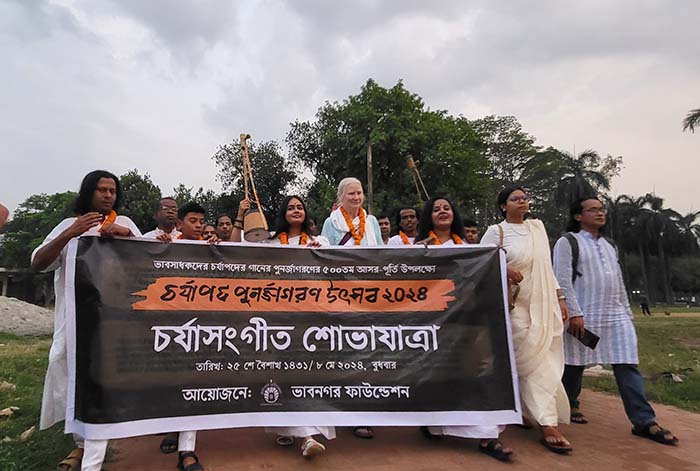
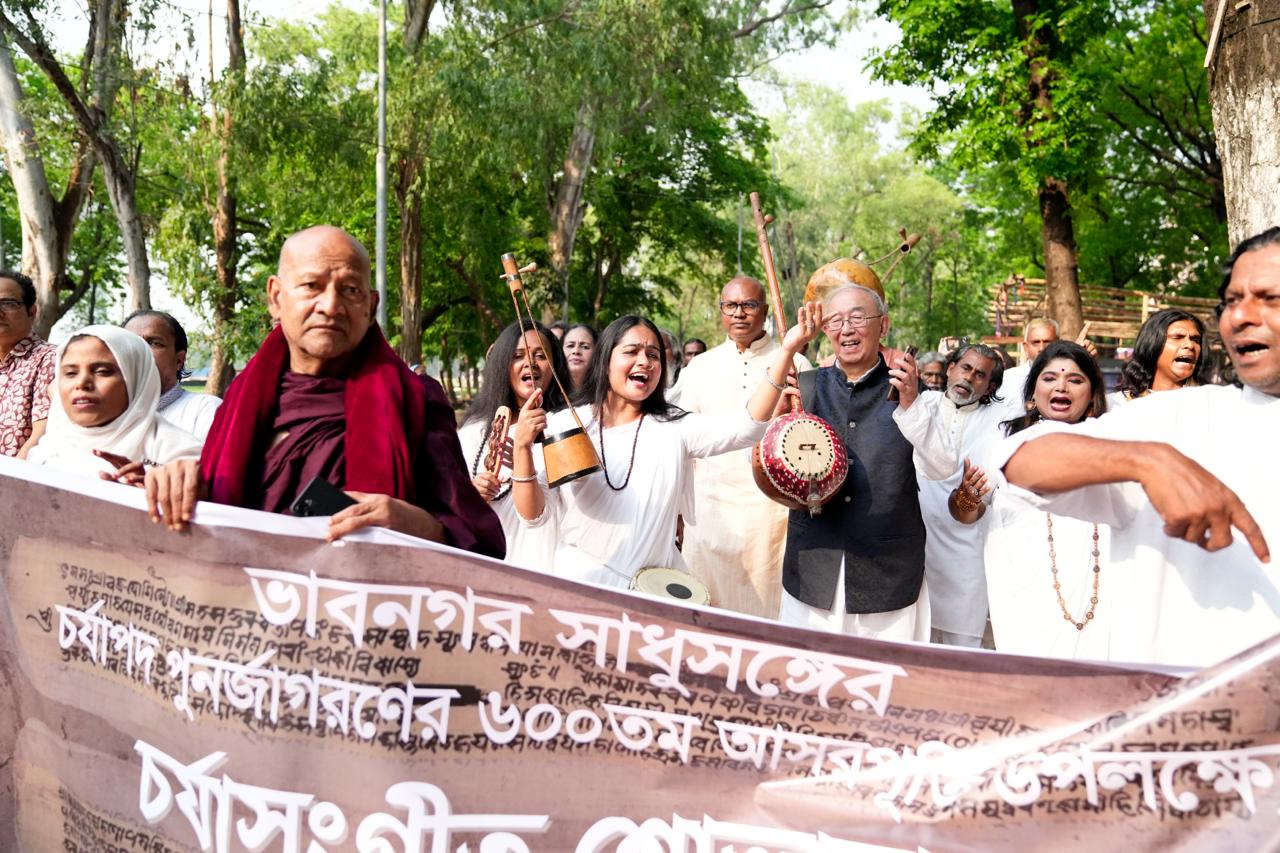
The Revival of Songs of Charyāpada by the Spiritual Devotees refers to a community-based safeguarding initiative that re-establishes the performative tradition of the Charyāpada—one of the earliest extant corpora of Bengali language, esoteric poetry, and spiritual music dating from approximately the 7th to 12th centuries CE. Historically composed by Tantric Buddhist siddhācāryas, these songs embody symbolic, experiential, and philosophical knowledge expressed through coded poetic language.
While the Charyāpada survived in manuscript form, its embodied musical and performative practice had long disappeared from the Bengali cultural landscape. The present revival, led by the Vabnagar Foundation in collaboration with Baul-Fakir spiritual practitioners (bhāva-sādhakas), reactivates this tradition as a living cultural expression. The initiative integrates ethnographic field research, study of medieval musicological treatises, and reconstruction of rāga–rāginī frameworks to restore performance practices.
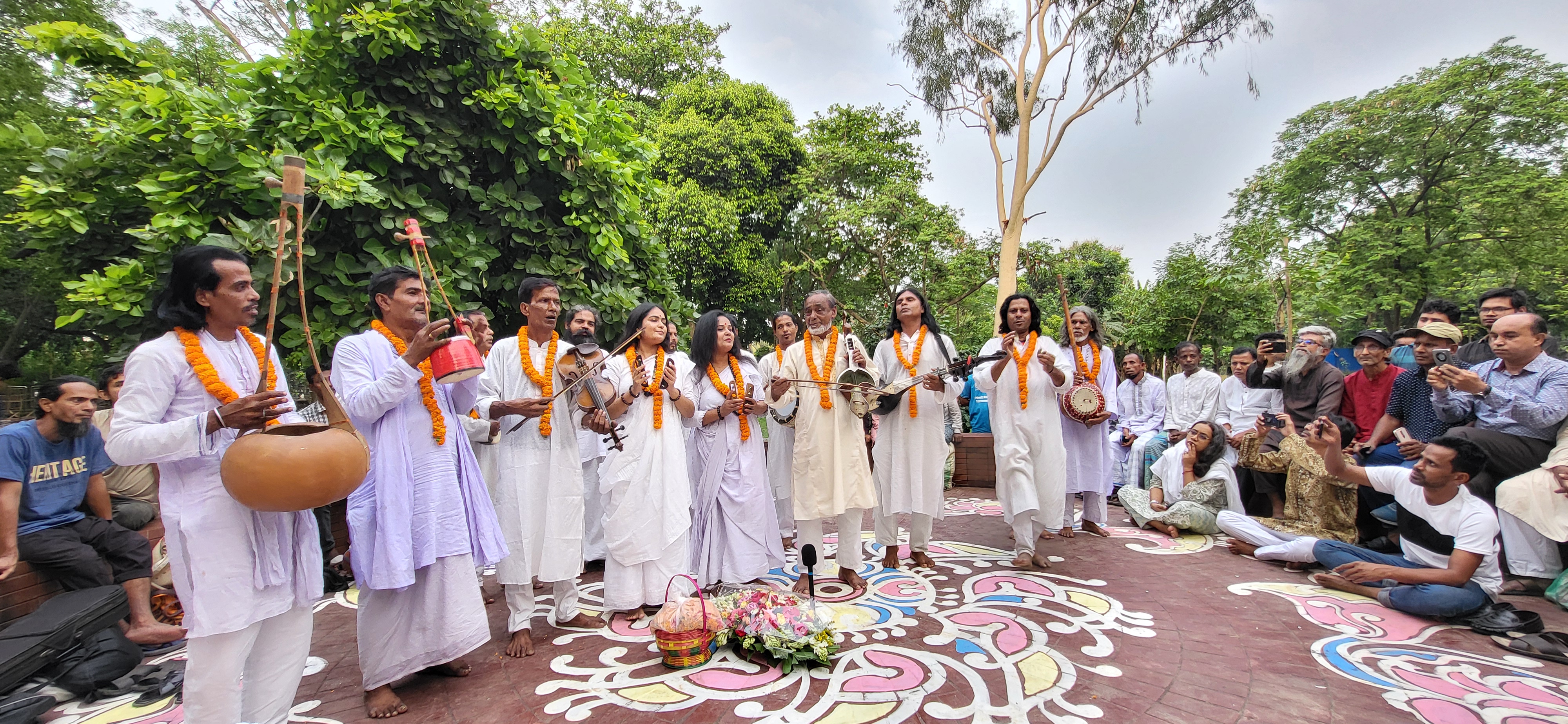
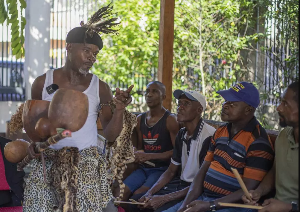
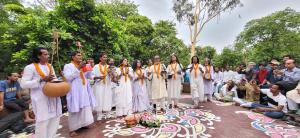
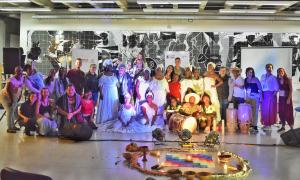
Central to this revival is the participatory transmission of knowledge through regular sādhusanga (spiritual gatherings), where practitioners learn, perform, and reinterpret the songs collectively. Traditional instruments such as the ektārā, duggi, and khamak accompany vocal and embodied expressions, emphasizing the unity of music, spirituality, and lived experience.
The practice is now actively sustained across multiple regions of Bangladesh and has extended into international academic and cultural platforms through workshops, performances, and scholarly engagements. Annual festivals, training centres, and inclusive participation—including marginalized groups such as visually impaired artists—further strengthen its continuity.
Today, the revived Charyāpada tradition functions as a dynamic form of intangible cultural heritage, ensuring intergenerational transmission while reaffirming its historical, spiritual, and cultural significance in contemporary society.
04-20-2026
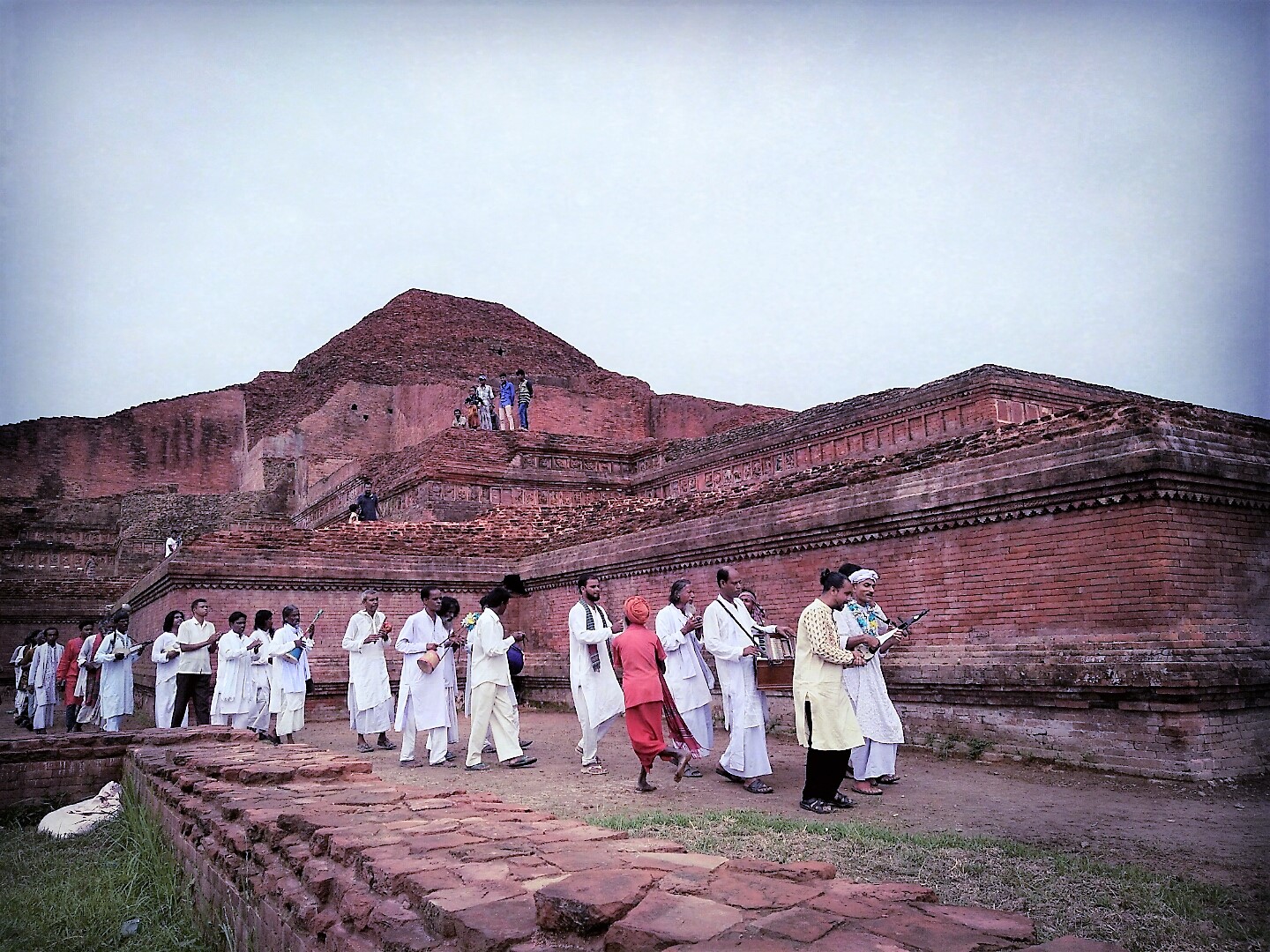
| Institutional and human capacities | The revival of Charyāpada songs in Bangladesh is supported by a strong combination of institutional frameworks and community-based human capacities, primarily led by the Vabnagar Foundation. At the institutional level, the Foundation has developed a sustained safeguarding structure, including weekly Bhābanagara Sādhusanga sessions (since around 2014), national-level festivals, training workshops, and research initiatives. It collaborates with key cultural institutions such as Bangladesh Shilpakala Academy, Bangla Academy, and Bangladesh National Museum, ensuring both policy-level support and cultural recognition. In 2024 and 2025, the Foundation further strengthened institutional capacity by organizing annual three-day Charyāpada Revival Festivals, incorporating seminars, processions, and structured training programs. These initiatives demonstrate an integrated model combining research, performance, and transmission. At the human level, the revival is driven by Baul-Fakir spiritual practitioners (bhāva-sādhakas), who serve as primary knowledge bearers. The involvement of women, youth, and visually impaired artists reflects a growing and inclusive practitioner base. Additionally, researchers, trainers, and cultural facilitators contribute to documentation, pedagogy, and international dissemination. Through this synergy, the revival of Charyāpada has developed a sustainable, community-led safeguarding ecosystem with expanding national and global reach. | |
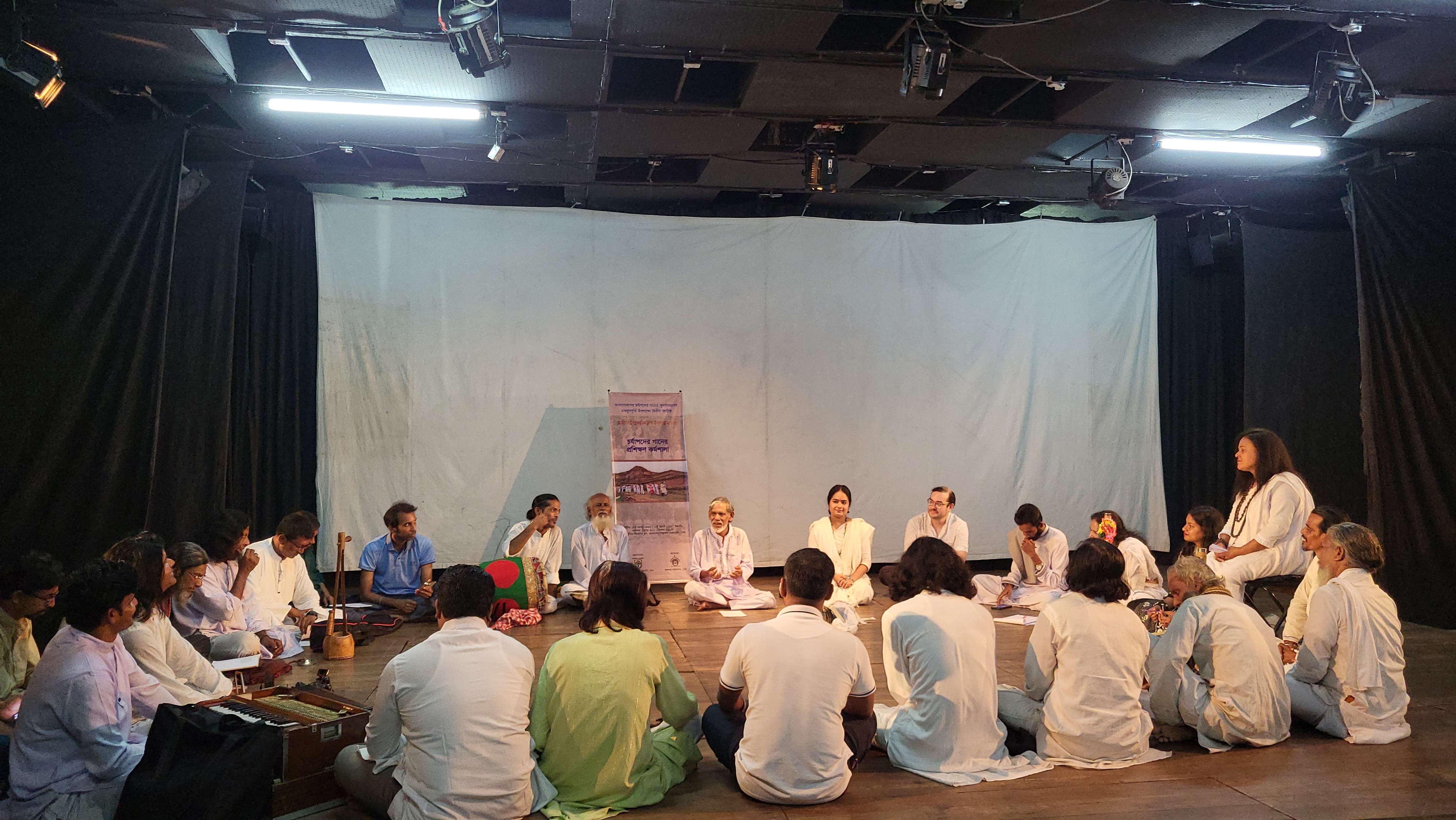
| Transmission and education | The transmission and education of Charyāpada songs are carried out through a community-based, practice-oriented system led by the Vabnagar Foundation. At the core of this process is the Guru–Śiṣya (teacher–disciple) paramparā, through which Baul-Fakir spiritual practitioners (bhāva-sādhakas) transmit musical knowledge, performance techniques, and esoteric interpretations directly to disciples. This traditional mode is reinforced by regular Bhābanagara Sādhusanga sessions, held weekly since around 2014, where participants engage in collective singing, learning, and interpretative discussion. The Foundation also organizes structured training workshops and community-based learning programs across different regions of Bangladesh, enabling systematic transmission beyond individual lineages. In 2024 and 2025, annual three-day Charyāpada Revival Festivals incorporated training modules, seminars, and practical sessions, significantly expanding access to learning. Importantly, the process is inclusive and intergenerational, involving women, youth, and visually impaired artists, thereby aligning with the inclusive principles of the UNESCO 2003 Convention. In addition, academic collaborations, lectures, and international workshops have introduced Charyāpada to global audiences, creating a bridge between traditional knowledge systems and contemporary educational platforms. Through this integrated approach, transmission is sustained as both a living community practice and an evolving educational process. | |
| Inventorying and research | The inventorying and research of the revival of Charyāpada songs are carried out through a community-based, participatory, and practice-led approach, primarily facilitated by the Vabnagar Foundation. Inventorying has been undertaken with the prior informed consent and active involvement of Baul-Fakir practitioners (bhāva-sādhakas), who serve as primary knowledge holders. Rather than treating Charyāpada as a static textual tradition, the process identifies and documents it as a living performative heritage, integrating musical practice, embodied performance, and spiritual interpretation. Research activities combine ethnographic fieldwork, oral history collection, and performance documentation across different regions of Bangladesh. These are complemented by the study of medieval textual sources—such as rāga–rāginī frameworks and related Sanskrit and Apabhraṃśa materials—to support the reconstruction of musical structure and performance context. Regular Bhābanagara Sādhusanga sessions function as dynamic sites of documentation and knowledge exchange, where performances, interpretations, and training practices are continuously observed and recorded. In addition, national and international academic engagements—including lectures, workshops, and symposiums—have contributed to the scholarly dissemination and validation of the revival process. Thus, inventorying and research are not separate activities but are integrated into an ongoing cycle of practice, documentation, and knowledge production, ensuring both authenticity and sustainability. | |
| Policies as well as legal and administrative measures | The revival of Charyāpada songs in Bangladesh is supported by a combination of national cultural policies, institutional frameworks, and community-based administrative practices, with a central coordinating role played by the Vabnagar Foundation. At the policy level, Bangladesh’s commitment to the UNESCO 2003 Convention for the Safeguarding of the Intangible Cultural Heritage provides an overarching framework that recognizes community participation, inclusivity, and safeguarding as key principles. The activities of the Foundation align closely with these principles by ensuring community-led practice, inclusive participation (including women and visually impaired artists), and ethical documentation. At the national level, institutions such as Bangladesh Shilpakala Academy, Bangla Academy, and Bangladesh National Museum—under the Ministry of Cultural Affairs—provide administrative and programmatic support through festivals, performances, and research initiatives. These engagements contribute to the formal recognition and institutional integration of Charyāpada revival activities. Administratively, the Vabnagar Foundation has developed its own safeguarding structure, including: • Regular Bhābanagara Sādhusanga sessions • Community-based training and documentation programs • Organization of national-level Charyāpada Revival Festivals (2024–2025) These measures ensure systematic coordination, continuity, and transparency in safeguarding practices. Furthermore, the inclusion of Charyā performers in national broadcasting platforms reflects a form of cultural recognition and administrative endorsement, enhancing both visibility and sustainability. Overall, the revival operates within a multi-layered governance system, combining international policy frameworks, national cultural institutions, and community-led administrative practices. | |
| Role of intangible cultural heritage and its safeguarding in society | The revival of Charyāpada songs demonstrates the vital role of intangible cultural heritage (ICH) in strengthening cultural identity, social cohesion, and spiritual continuity in contemporary society. Through the initiatives of the Vabnagar Foundation, Charyāpada has been re-established as a living cultural practice, reconnecting present-day communities with one of the earliest layers of Bengali civilization. At the community level, the revival fosters collective participation and intergenerational dialogue. Weekly Bhābanagara Sādhusanga gatherings and national festivals create inclusive spaces where Baul-Fakir practitioners, youth, women, and marginalized groups—including visually impaired artists—actively engage in performance, learning, and interpretation. This strengthens social inclusion and cultural continuity, in line with the principles of the UNESCO 2003 Convention. At the societal level, safeguarding Charyāpada contributes to the preservation of indigenous knowledge systems, particularly those related to music, spirituality, and embodied practice. It also promotes cultural diversity and mutual respect, as the tradition integrates influences from Buddhist, folk, and devotional practices. Moreover, the revival has enhanced national cultural pride and international cultural dialogue, with performances and academic engagements extending across multiple countries. Thus, the safeguarding of Charyāpada not only protects a historical tradition but also enriches contemporary society by fostering inclusivity, creativity, and cultural resilience. | |
| Awareness raising | Awareness of the revival of Charyāpada songs has been significantly enhanced through coordinated community, institutional, and international initiatives led by the Vabnagar Foundation. At the community level, regular Bhābanagara Sādhusanga sessions (since around 2014) function as open platforms where audiences directly experience Charyā performances and their interpretative meanings. These gatherings play a crucial role in reintroducing Charyāpada to the public as a living tradition. At the national level, large-scale initiatives—particularly the three-day Charyāpada Revival Festivals (2024–2025)—have raised awareness through processions, seminars, performances, and training workshops, attracting diverse audiences and participants from across Bangladesh. These events ensure visibility not only among practitioners but also among the general public, students, and cultural stakeholders. Media exposure, including national television broadcasts and digital platforms (e.g., online video channels), has further contributed to wider dissemination and accessibility. The inclusion of Charyā performances in major cultural events such as the Ekushey Book Fair has also strengthened public engagement. Internationally, academic lectures, workshops, and performances in countries such as the United States, France, Japan, Germany, Nepal, India, Austria, and Hungary have expanded global awareness and scholarly interest. Through these combined efforts, Charyāpada has gained recognition as a revitalized and relevant intangible cultural heritage in both national and global contexts. | |
| Engagement of communities, groups and individuals as well as other stakeholders | The revival of Charyāpada songs is driven by active, multi-level engagement of communities, groups, individuals, and institutional stakeholders, coordinated primarily by the Vabnagar Foundation. At the core are Baul-Fakir spiritual practitioners (bhāva-sādhakas), who act as primary knowledge bearers and co-creators. They are involved in decision-making, performance, training, and interpretation, ensuring that safeguarding remains community-led. Engagement is intergenerational and inclusive, with increasing participation of women, youth, and visually impaired artists. Community engagement is sustained through weekly Bhābanagara Sādhusanga sessions, regional Charyā practice centres, and field-based activities across Bangladesh. In 2024 and 2025, the annual three-day Charyāpada Revival Festivals brought together practitioners from diverse regions, strengthening nationwide collaboration and shared ownership. At the institutional level, national cultural bodies—such as Bangladesh Shilpakala Academy, Bangla Academy, and Bangladesh National Museum—support performances, research, and public dissemination. Academic institutions and international scholars contribute through research collaboration, workshops, and global platforms, expanding the scope of engagement beyond national boundaries. Other stakeholders—including event organizers, media professionals, instrument makers, and cultural activists—also play important roles in facilitating practice, documentation, and outreach. This collaborative ecosystem ensures that the revival of Charyāpada is not confined to a single group but is sustained through broad-based participation, shared responsibility, and dynamic interaction among all stakeholders. | |
| International engagement | The revival of Charyāpada songs has developed a strong dimension of international engagement, facilitated primarily by the Vabnagar Foundation through academic collaboration, performance, and knowledge exchange. At the academic level, Charyāpada has been presented in international lectures, workshops, and symposiums at institutions such as the University of Chicago and the University of California, Berkeley, where both scholarly discussions and live demonstrations have taken place. Notably, the revival was presented at the UNESCO ICH NGO Forum Symposium in Paraguay, contributing to global discourse on safeguarding intangible cultural heritage. In addition, training in Charyāpada songs has been conducted at the University of Chicago, particularly within the Department of Music, where practitioners and students engaged directly with the performative tradition. The revival has also expanded through cultural exchange programs, training sessions, and performances in multiple countries, including the United States, France, Japan, Germany, Nepal, India, Austria, and Hungary. In these contexts, Baul-Fakir practitioners have directly participated, ensuring that the tradition is represented by its authentic community bearers. Additionally, collaborations with international researchers and institutions have contributed to documentation, translation, and comparative research, strengthening both academic validation and cross-cultural understanding. Through these initiatives, Charyāpada has emerged as a globally recognized living heritage, fostering intercultural dialogue while maintaining its community-based roots. | |
| References |
|
|
















.jpeg)





.png)






.jpeg)
.jpg)

.png)
.jpg)


_(31711258567).jpg)