

‘Khöömii’, literally meaning pharynx, refers to the vocal technique in which one person intentionally superimposes multiple and simultaneous sounds with his/her voice, where appear two distinct partials: a harmonic melody ‘overtones’ over a fundamental tone ‘drone’, accompanied by many resonances.
Practiced by the Mongolian and Turkic peoples throughout the area of Altai mountain chain (at national level in Mongolia; the regions of Altai Republic, Khakassia and Tuva in Russia, as well as the north of Xinjiang and Inner Mongolia in China), khöömii is an ancestral vocal technique. Its origins are difficult to date precisely. Legends say that khöömii comes from the imitation of the sound of the wind, the water, and birds singing. It is practiced by men in most cases, but also by women since two generations. A living and dynamic tradition, khöömii is a rich and multifaceted cultural heritage of the Mongols.
Regarding the technical aspect of khöömii, emitted from the vocal drone, the overtones are produced by a simultaneous pressure of the pharynx and diaphragm. To perform a melody, the performer of khöömii or ‘khöömiich’ modulates his/her lips or tongue. Depending on the modulation, the height of the drone and the pressure on the throat, found a number of khöömii techniques, identifiable by the vocal timbre variations. They are grouped under two main styles: kharkhiraa khöömii (deep khöömii) and isgeree khöömii (whistle khöömii).
- Performance of the kharkhiraa khöömii: the khöömiich makes a drone in a throaty voice, and then by pressing simultaneously on the throat, abdomen and diaphragm, after taking a deep breath, he/she produces a deep sound that vibrates one octave lower than the fundamental tone. The khöömiich vibrates his/her ventricular band (or false vocal cords) in addition to the vocal cords. This deep and hoarse sound appears in the foreground characterizes the kharkhiraa style. Over this double-bass, the khöömiich makes a high melody of overtones.
- Performance of the isgeree khöömii: the khöömiich makes a drone in a throaty voice, and then by pressing simultaneously on the throat, abdomen and diaphragm, after taking a deep breath, he/she produces an overtone whistle that can vibrate one to several octaves above the fundamental tone. This is how a melody of very high overtones is produced. Isgeree khöömii is also called nariin khöömii (acute khöömii), uyangyn khöömii (melodious khöömii) and Altain shingen khöömii (high khöömii of Altai).
In both cases, for kharkhiraa khöömii and isgeree khöömii, the way to make overtones is common. The melody is created by the modulation of the oral cavity, by opening and closing the lips, or moving the tongue back and forth, while keeping its tip stuck to the palate, or by moving the central part of the tongue back and forth, while keeping its tip placed against the lower teeth.
In addition to that, there are several techniques to enrich vocal timbre, or the ones of ornamental character. They can be used in combination as well. Among more than twenty existing techniques, we can mention bagalzuuryn khöömii (throat khöömii), tsuurai khöömii (echo khöömii), khamryn khöömii (nasal khöömii) and dangildakh khöömii (syllabic khöömii), to name but a few. The khöömiich also uses the shakhaa vocal emission to sing the magtaal praises, retaining a guttural timbre close to the khöömii installation phase.
In Mongolia, practiced in the pastoral nomadic context of the western regions, following its spectacularization and recordings from the 1950s, khöömii started to be widely diffused. Thus, by the cultural policy of the Soviet period, it became one of the emblems of the Mongolian national music, reinforced by its regular participation in international tours from the 1960s.
Since the democratic revolution of 1990, through the opening of Mongolia and academisation of khöömii, this oral tradition is in dynamic evolution with increase of styles and techniques, expansion of the repertory and development of formal transmissions. Nowadays, khöömii is practiced nationwide in Mongolia and abroad. The wide spread of khöömii not only helped to raise public awareness on this art and increase the number of practitioners, but also to develop the khöömii studies worldwide. Many academic works on khöömii were produced by researchers from Mongolia, Russia, USA, France, Japan, Germany and Canada etc. in the disciplines of anthropology, ethnomusicology, acoustics, phonology and medicine. Despite these efforts, there is a significant gap in the coherence and exchanges between the work of foreign and Mongolian researchers.
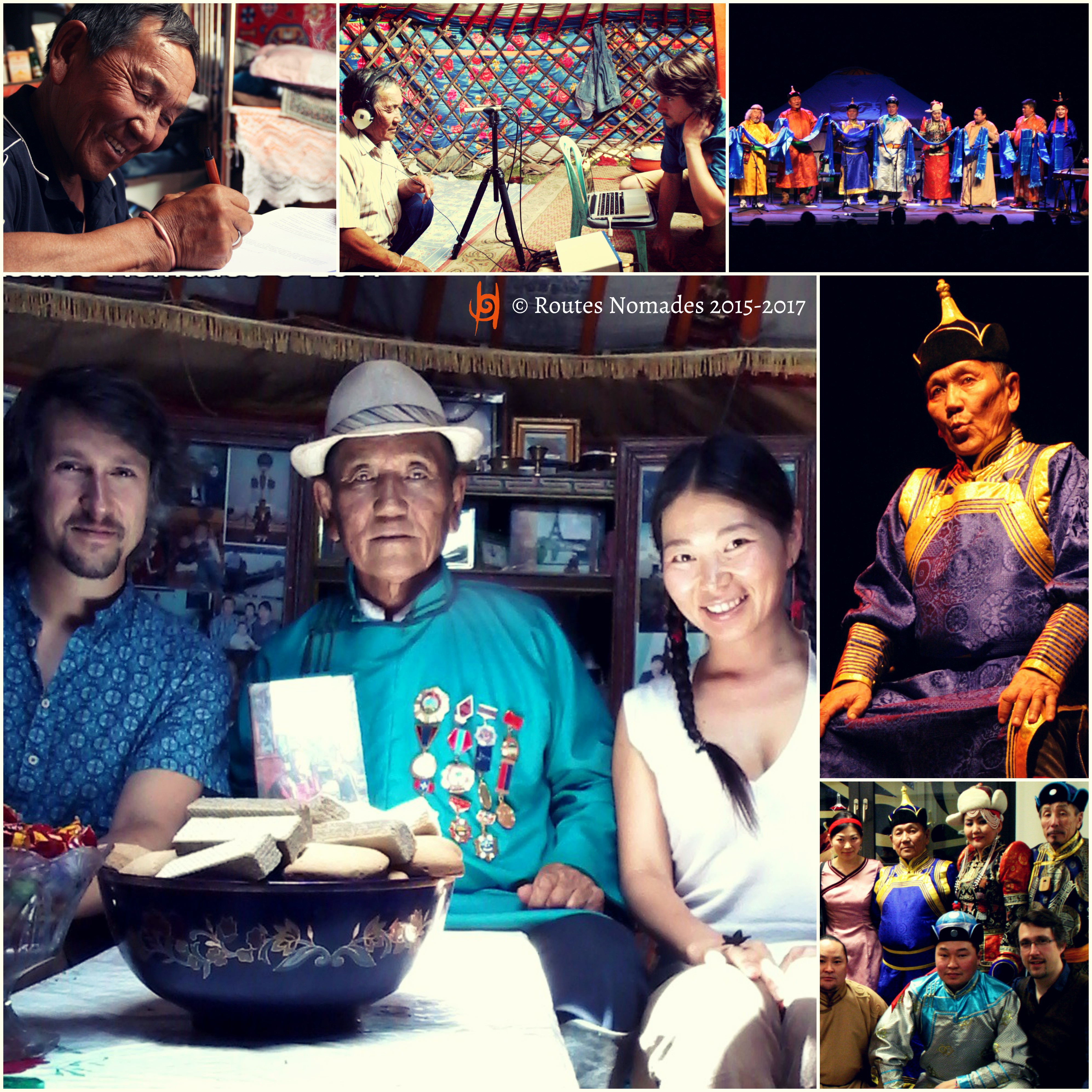
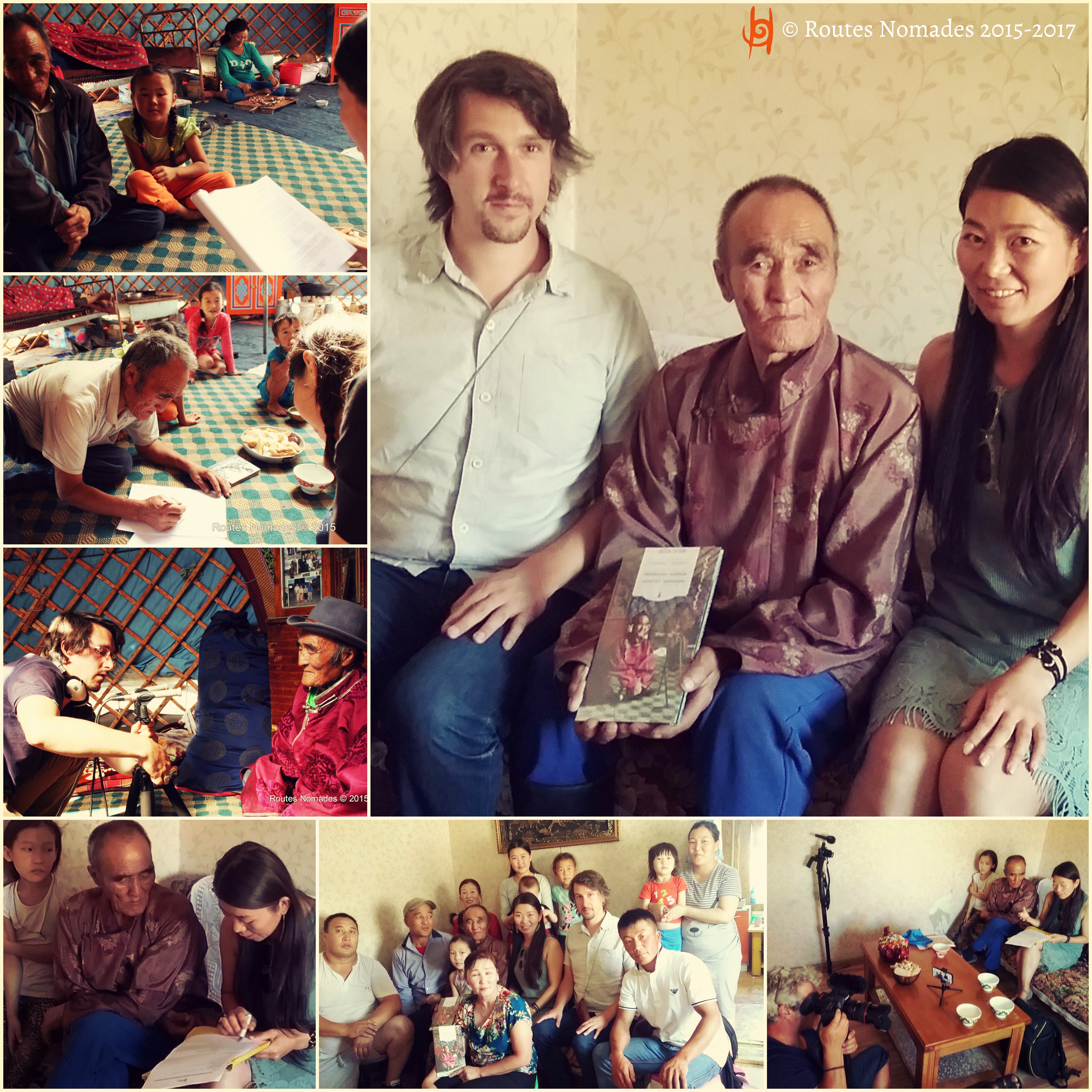
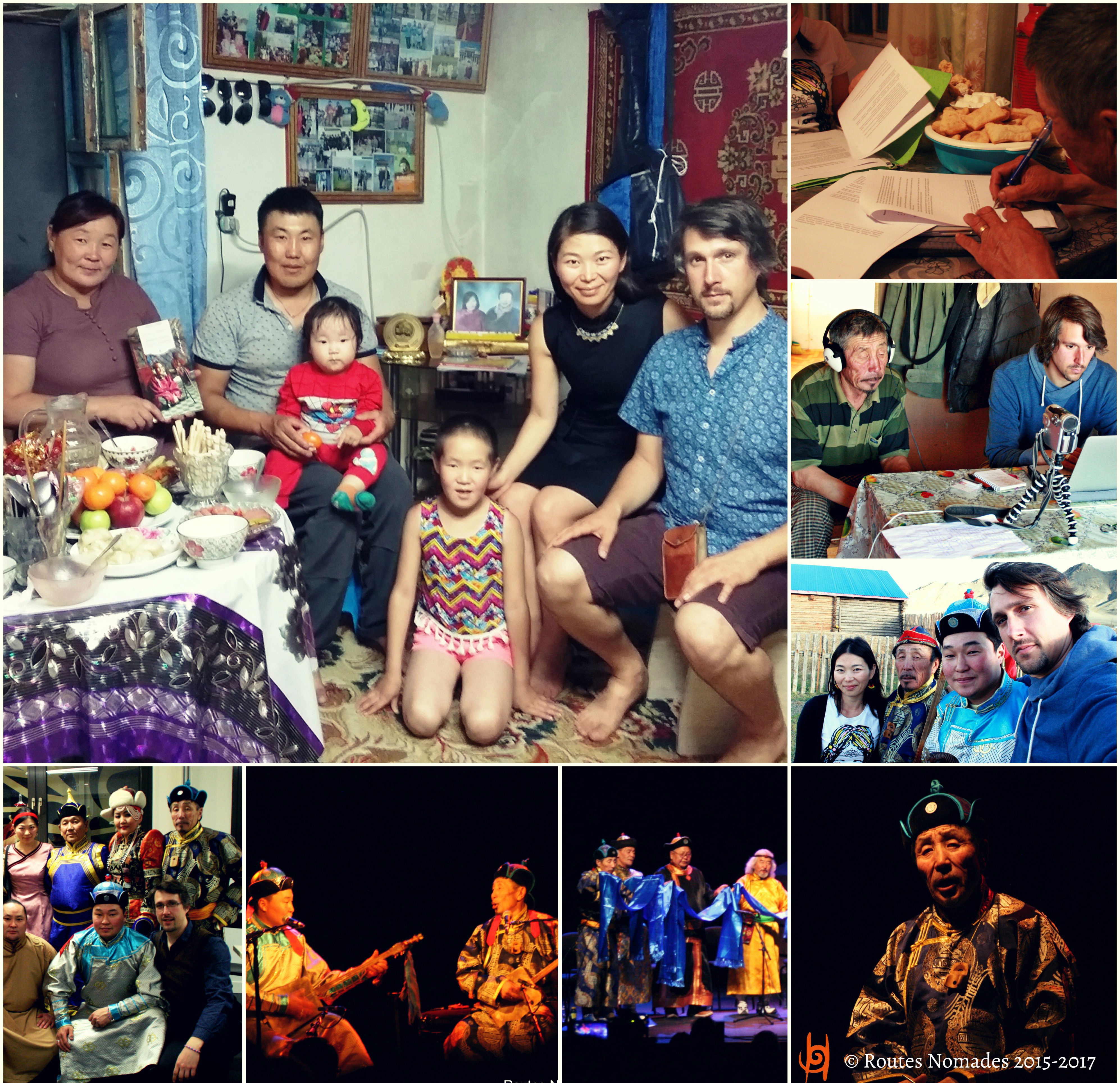
Since 2010, the Mongolian Traditional Art of Khöömii is on the Representative List of Intangible Cultural Heritage of Humanity at UNESCO. Researches of Dr. Johanni Curtet and records published by Routes Nomades have contributed among others, to document the nomination of khöömiito UNESCO.
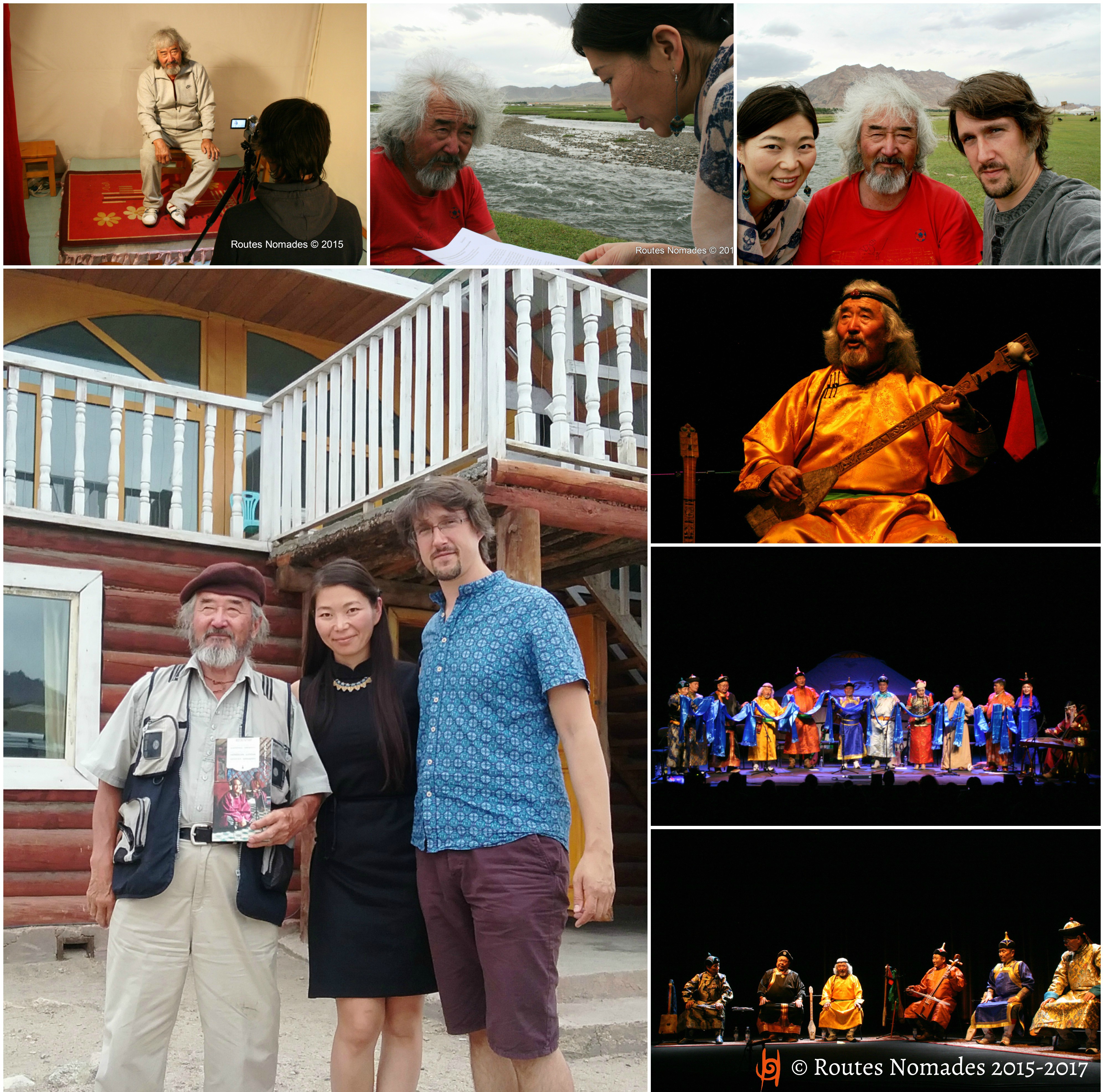
Among the khöömiich that Routes Nomades invites, N. Sengedorj, B. Odsüren, R. Davaajav, D. Tserendavaa, E. Toivgoo and B. Papizan are included in the main actors of the development of khöömii, while N. Ganzorig, B. Amartüvshin, Ts. Tsogtgerel, D. Batsükh and P. Ösökhjargal, Ya. Nemekhbayar, D. Mandakhjargal represent the younger generation of professional musicians with more recent vocal experiments.
04-10-2026
| Institutional and human capacities | Besides the khöömii bearers keeping its traditional aspect intimately linked to the nomadic pastoralism in different regions in Mongolia, there are several organizations making efforts for the vitality of this vocal technique. A number of institutes, public organizations and NGOs, such as "Association of Mongol Khöömii", “Foundation for the Studies on the Throat Singing Art and Heritage, ”Blue spot” Khöömii training centre, “Khöömii and Morin khuur training centre”, and “Khuurchiinkhan” are engaged in transmitting the Khöömii art with classroom training in cooperation with the State Morin Khuur Ensemble, and other public and private ensembles. More recently the Cultural Centre of Chandmani soum is becoming a Khöömii international centre to teach Khöömii to its residents and foreigners. In 2020, Dr. Johanni Curtet, Artistic Director of the association Routes Nomades established the first-ever and diploma-granting curriculum at the International Institute of World Music (IIMM) in France. The opening of this 4-year Mongolian khöömii class at the Aubagne Conservatory, integrating throat-singing into a Western formal education curriculum marks a major step in the history of khöömii and its diffusion throughout the world. In the recent years, the Khöömii studies and research, and promotional activities have been broadened up in variety of ways. A number of NGOs, associations and centres have been set up on the Khöömii studies, transmission and cooperation and undertaking diverse activities, working hand in hand with the key stakeholders. “Foundation for the Studies on the Throat Singing Art and Heritage” and “Association of Mongol Khöömii” are one of these NGOs keeping close collaboration with the Ministry of Education, Culture and Sciences of Mongolia to promote developing and safeguarding the traditional art of Khöömii both in Mongolia and worldwide. Several research papers and abstracts have been produced in Mongolia by the musicologists and ethnomusicologists such as Badraa J., Enebish J., Kherlen L., Tseden-Ish A. and Sandagjav E. Also, there are number of foreign ethnomusicologists focused on Khöömii such as, Zoya Kirghiz in Tuva, Theodore Levin in USA, Carole Pegg in the UK, as well as Trân Quang Hai, Alain Desjacques and Johanni Curtet in France. Khöömii performers, practitioners and bearers take great endeavor for the maintenance and enhancement of the Khöömii while concerning to keep the balance of its traditional authenticity with the modern ways of development. | |
| Transmission and education | Current mode of transmission of the khöömii is as follows: Apprenticeship training - Traditionally, Khöömii has been handed down from the bearer to the learner, or master-to-apprentice way. It has still been practiced especially in the rural areas of Western Mongolia. Key practitioners maintaining the diversity of apprenticeship training by oral way, include state honoured artists, such as Tserendavaa, Sengedorj, Davaajav, Toivgoo, Ganbold and Bapizan. The Khöömii practitioners engaged to the apprenticeship training often find themselves in a family chain and broadened relatives, as well as neighbourhood area. Classroom training – This type of training was started in 1992 by the concerned practitioners, bearers and the researchers of Khöömii. It has been developed with various types of courses, and even integrated to the formal educational system such as the University of Culture and Arts, National University of Mongolia, Music and Dance College and also through theatres in rural areas in the city of Khovd, Ulaangom in Uvs aimag and the school of Tsengel soum in Bayan-Ölgii aimag. | |
| Inventorying and research | The Centre of Cultural Heritage is an official body in charge of the inventorying of the ICH in Mongolia. Engaging the heritage bearers, researchers and relevant officials, it established two national ICH inventories according to the 2003 Convention. The National Representative Inventory of ICH and the Natioanl Inventory of ICH in Need of Urgent Safeguarding lists the elements in 7 domains. Mongolian traditional art of khöömii is on the National Representative Inventory of ICH. In Mongolia, the Research Institute of Culture and Arts, Mongolian National University and University of Arts and Culture are the main organizations conducting researches on khöömii. In abroad, the association Routes Nomades is the key NGO pursuing research, promotion and safeguarding of khöömii since 20 years. Expert on Mongolia, Routes Nomades has been actively promoting Mongolian arts and culture in the West since 2006. Artistic production and the safeguarding of intangible heritage are the two axes around which our projects are structured. Festivals, concerts, creations, meetings, conferences, workshops, screenings, exhibitions, artistic advice, media accompaniment – through our multiple activities of production and cultural mediation, we contribute significantly to Mongolia’s renown on the international scene. Having started our endeavors by promoting khöömii (Mongolian throat-singing), we now have a professional network of prestigious partners across Europe, North America and North Africa. As the only French NGO working on Mongolia to be accredited by UNESCO, Routes Nomades is unique in its kind. Inviting Mongolian artists and bearers of intangible cultural heritage every year, we have organized concerts of traditional or fusion music (Anthology of Khöömii, Khusugtun, Sara Teamusician), creations (Voix Nomades Sardaigne-Mongolie, epic Le vieillard blanc sage), discoveries (Batsükh Dorj, Mohanik), always accompanied by numerous workshops of music, traditional writing, painting, games and produced 6 records with the labels Buda Musique and Pan Records. All these adventures are told in two films by director Jean-François Castell, “Maîtres de chant diphonique” (2010) and “Voyage en Diphonie” (2018), in which Routes Nomades participated in the carrying out. To date, we have presented more than forty artists of traditional music or world music in 20 countries around the world. Since 2018, Routes Nomades has been accredited by the UNESCO Convention for the Safeguarding of Intangible Cultural Heritage to provide advisory services to its Intergovernmental Committee. This accreditation recognizes us as a non-governmental organization with proven expertise in the field of intangible cultural heritage and reinforces our commitments to the safeguarding of intangible heritage, as well as the promotion of cultural diversity and intercultural dialogue. | |
| Policies as well as legal and administrative measures | The Constitution of Mongolia (1992), State Strategy on Culture (1996), Law on Culture (1996), and Law on the Protection of the Cultural Heritage (2001) are the major legal instruments constituting the initial favourable condition for the safeguarding of ICH. Mongolia ratified the UNESCO Convention for the Safeguarding of Intangible Cultural Heritage in 2005 and the Parliament of Mongolia amended ‘Law on the protection of cultural heritage’ with the articles concerning the ICH, which became the fundamental base for the establishment of legal background for the safeguarding of ICH. The Mongolian Presidential Decree on the Promotion and Development of Khöömii Art (2006) and the National Program ‘Mongol Khöömii’ (2007) demonstrate the national-level effort for keeping the Mongolian folk art of Khöömii under the state patronage, improving the dissemination and promotion of Khöömii as well as strengthening the Khöömii studies and researches. Within the framework of the implementation of the National Program on the promotion of Traditional Folklore (1999-2006), and National Program ‘Mongol Khöömii’ (2008-2014) a number of decisive actions and activities for the promotion and enhancement of the Khöömii have been taken, including the international and national symposiums, seminars, meetings, festivals, variety of contests, workshops and etc. | |
| Role of intangible cultural heritage and its safeguarding in society | Although the national pride of Mongolians has revived since the 1990s, triggering considerable efforts to be taken for the overall safeguarding of the intangible cultural heritage, traditional culture and folklore are still under the threat of gradual disappearance, distortion and deviation due to the globalization, urbanization and modernization. In addition, it should be noted that incorrect training methods and techniques are existing particularly in foreign countries, which dimming the traditional authenticity of Khöömii. Moreover, one of the factors that deteriorating the traditional characteristics of Khöömii is that, it is under increasing manufacture for commercial purpose. It is important to broaden public awareness and understanding on Khöömii through various ways and means and increase the number of the heritage bearers and practitioners, especially in the areas of Central, Eastern and Southern regions of Mongolia. Furthermore, it is necessary to take appropriate measures for increasing financial sources and budget allocation for the research, propagation and dissemination of outstanding and exceptional intangible cultural heritage. | |
| Awareness raising | With the socio-economic development and evolution, khöömii and other intangible heritages are in gradual change. This change has both negative and positive aspects on the heritage, so it is high of importance to maintain the positive side, such as enhancement and enrichment of the khöömii repertoire and composition, dissemination to worldwide thereof, and etc., while eliminating the risks and dangers to the heritage and its authenticity, including distortion, fragmentation, and deterioration and so on. As a result of the negative effects of modern era, such as over centralization of urban population and technological waves, humankind loses some rooting and native skills on interaction with the natural world and hearing and sensing the voice and echo of the mountain, river, forest and their spirits. However, one of the new forms of communication might become traditional music to promote help humanity to live in harmony with nature and with each other. And Mongolia has its khöömii. This is one of the importance to spread the khöömii art. | |
| Engagement of communities, groups and individuals as well as other stakeholders | Khöömii trainings, conferences, traditional art festivals and khöömii shows organized by the relevant governmental and non-governmental organizations in Chandmani soum of Khovd aimag, city of Khovd; Bayankhairkhan and Asgat soums of Zavkhan aimag; the city of Ulaangom, and Tes soum in Uvs aimag; and Tsengel soum in Bayan-Ölgii aimag and etc., are showing positive influences for the safeguarding of Khöömii art in a wide range. There are a number of khöömii practitioners who are making notable effort on the effective transmission of the khöömii by training local youths and children, such as Tserendavaa D., Davaajav R., Bapizan, Toivgoo E., Sengedorj E., Ganbold T., Odsuren B., Ulanbayar M., and Jamiyan Ts, and so on. The participants from various administrative and professional affiliations, all concerned khöömii heritage, such as Cultural Centers and well-known practitioners from aforementioned aimags, NGOs, training centres including “Foundation for the Studies on the Throat Singing Art and Heritage”, “Association of Mongol Khöömii”, “Blue Spot”, and “Khuurchiinkhan” participated in the Great Assembly of the Mongolian Khöömii performers in 2009 and unanimously agreed the decision to nominate Mongol khöömii to the Representative List of the Intangible Cultural Heritage of Humanity. This Assembly directed its activity for reviving and safeguarding this heritage before losing its native and original characters. Dogsom G., the governor of Chandmani soum, Khovd aimag initiated to establish the khöömii centre in Chandmani soum together with the concerned individuals and taking considerable efforts for the transmission, dissemination and maintenance of the khöömii art in local level. This is a good practice engaging and encouraging the heritage bearers, concerned communities, researchers and relevant officials for the effective safeguarding of the khöömii. | |
| International engagement | There are number of foreign countries interested in khöömii studies, namely France, USA, Japan, UK, Netherlands and etc., and the interest on khöömii from different cultures are increasing dramatically over the time. The researchers and scholars of those countries have been studying khöömii on variety of aspects, and considerable amount of research materials have been produced. Yet, it should be further noted that the original Mongolian authenticity on khöömii should be further studied and disseminated appropriately throughout the world. In regard with this, cooperation and collaboration between the foreign and domestic entities should be further ensured and strengthened. With the socio-economic development and evolution, khöömii and other intangible heritages are in gradual change. This change has both negative and positive aspects on the heritage, so it is high of importance to maintain the positive side, such as enhancement and enrichment of the Khöömii repertoire and composition, dissemination to worldwide thereof, and etc., while eliminating the risks and dangers to the heritage and its authenticity, including distortion, fragmentation, and deterioration and so on. As a result of the negative effects of modern era, such as over centralization of urban population and technological waves, humankind loses some rooting and native skills on interaction with the natural world and hearing and sensing the voice and echo of the mountain, river, forest and their spirits. However, one of the new forms of communication might become traditional music to promote help humanity to live in harmony with nature and with each other. And Mongolia has its khöömii. This is one of the importance to spread the khöömii art. | |
| References | Websites of UNESCO, Routes Nomdes, Mongolian National Centre for Cultural Heritage, nomination dossier of Mongolian traditional art of khöömii to its inscription on the Representative List of Intangible Cultural Heritage of Humanity. |
|















.jpeg)






.png)








.jpeg)
.jpg)



.png)
.jpg)


_(31711258567).jpg)