
Title of Intangible Cultural Heritage
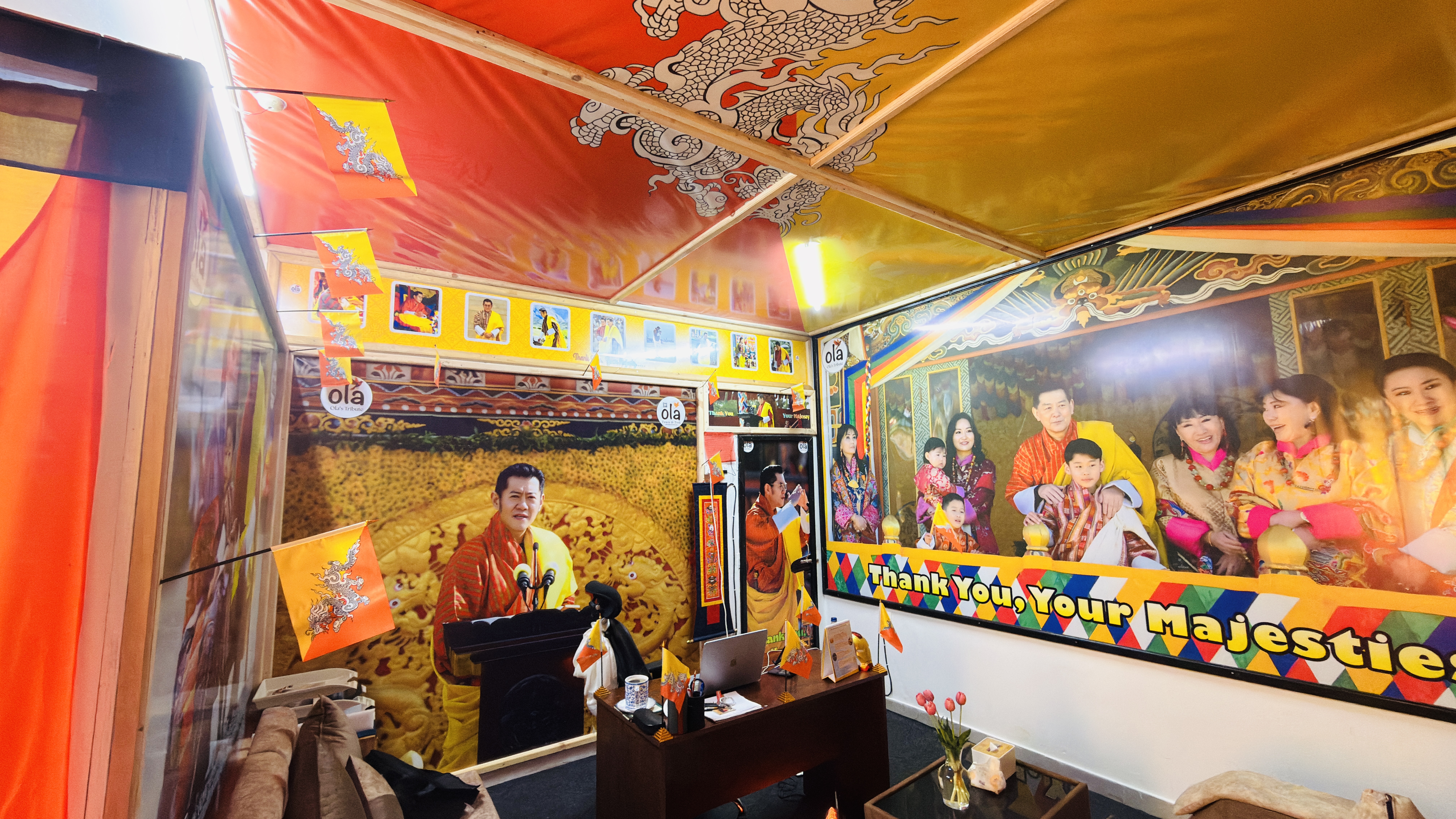
Living Cultural Values and Practices of Reverence for Compassionate Leadership — Temple of Monarch (Bhutan)
Short Description
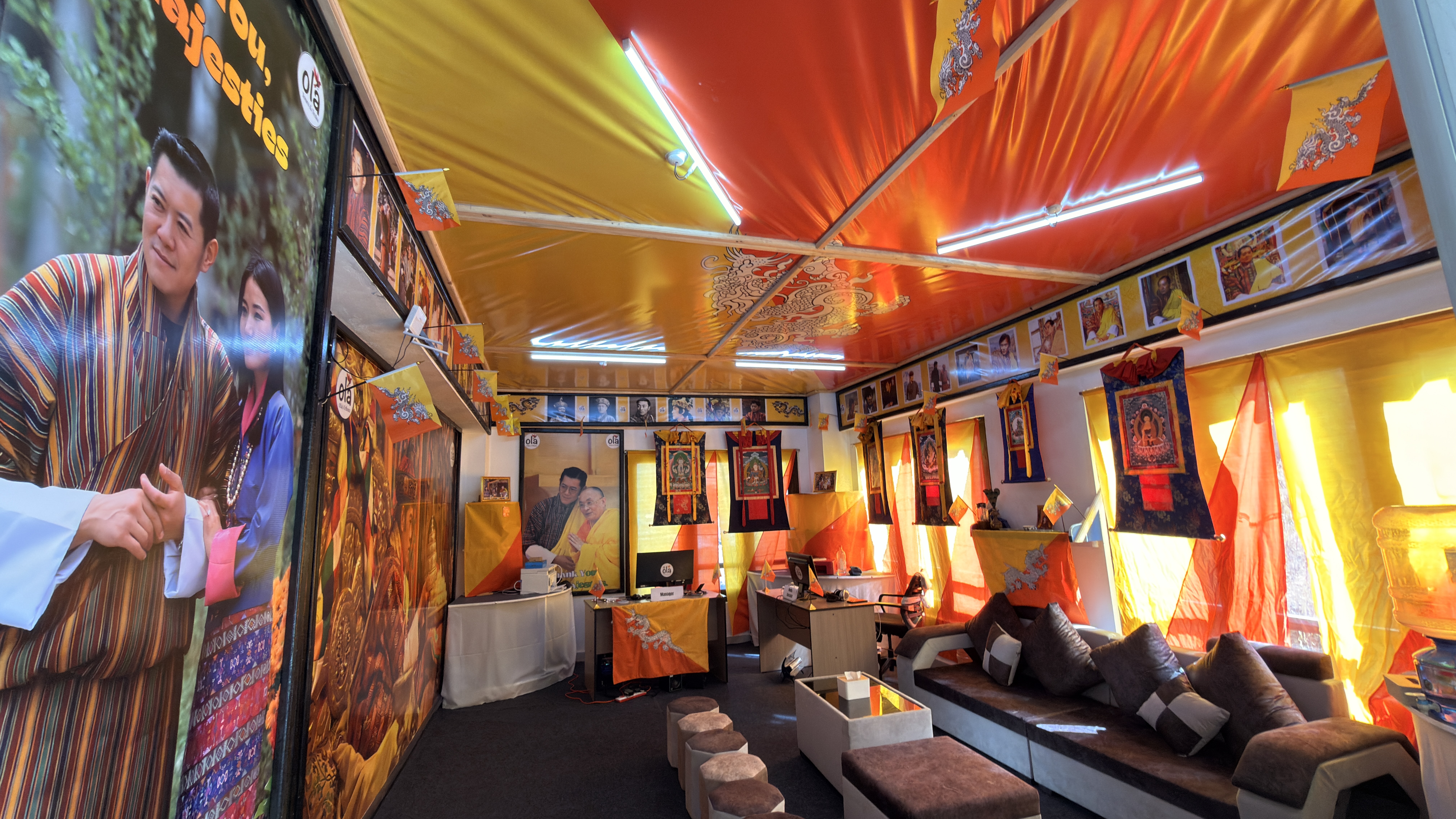
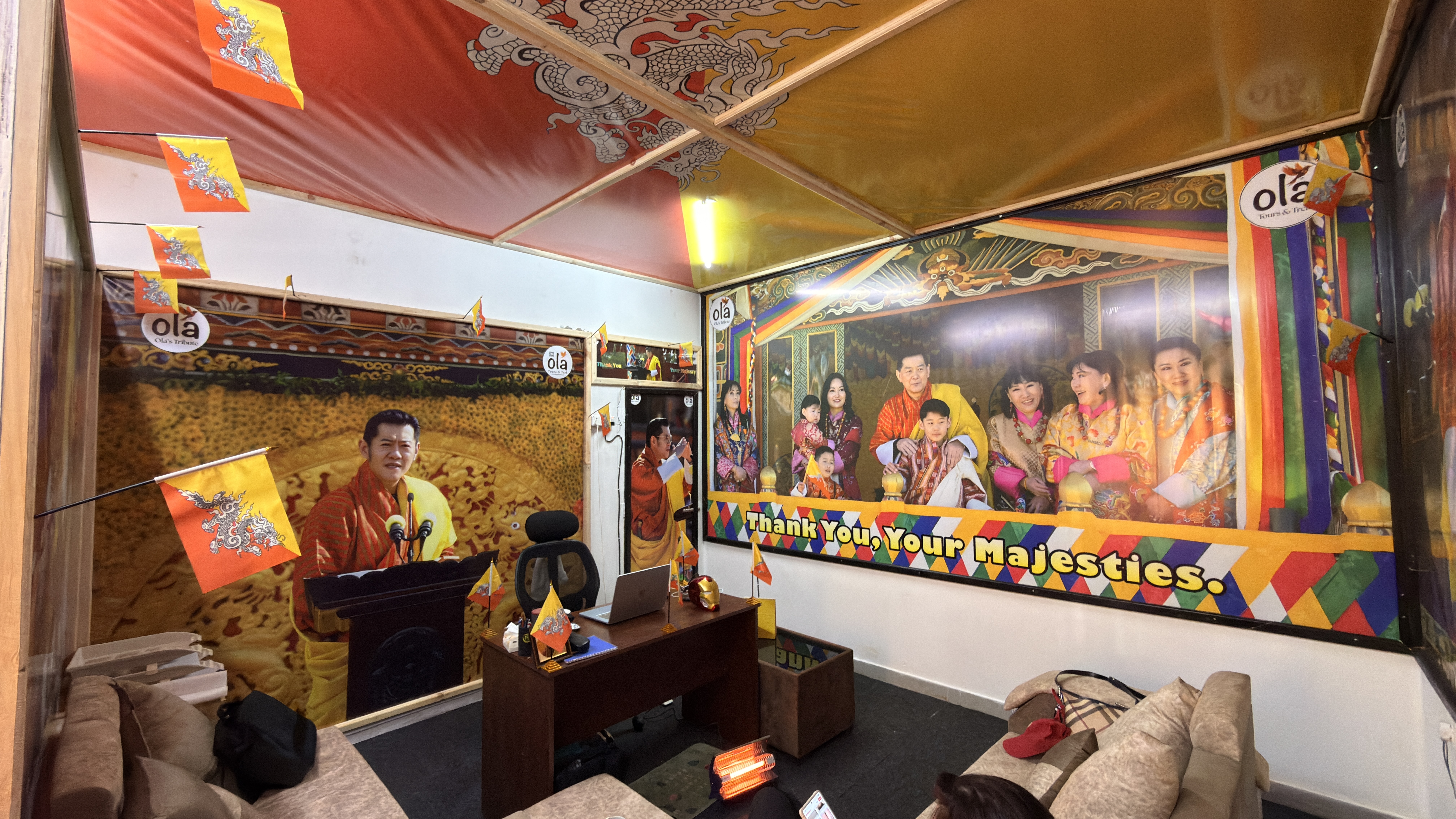
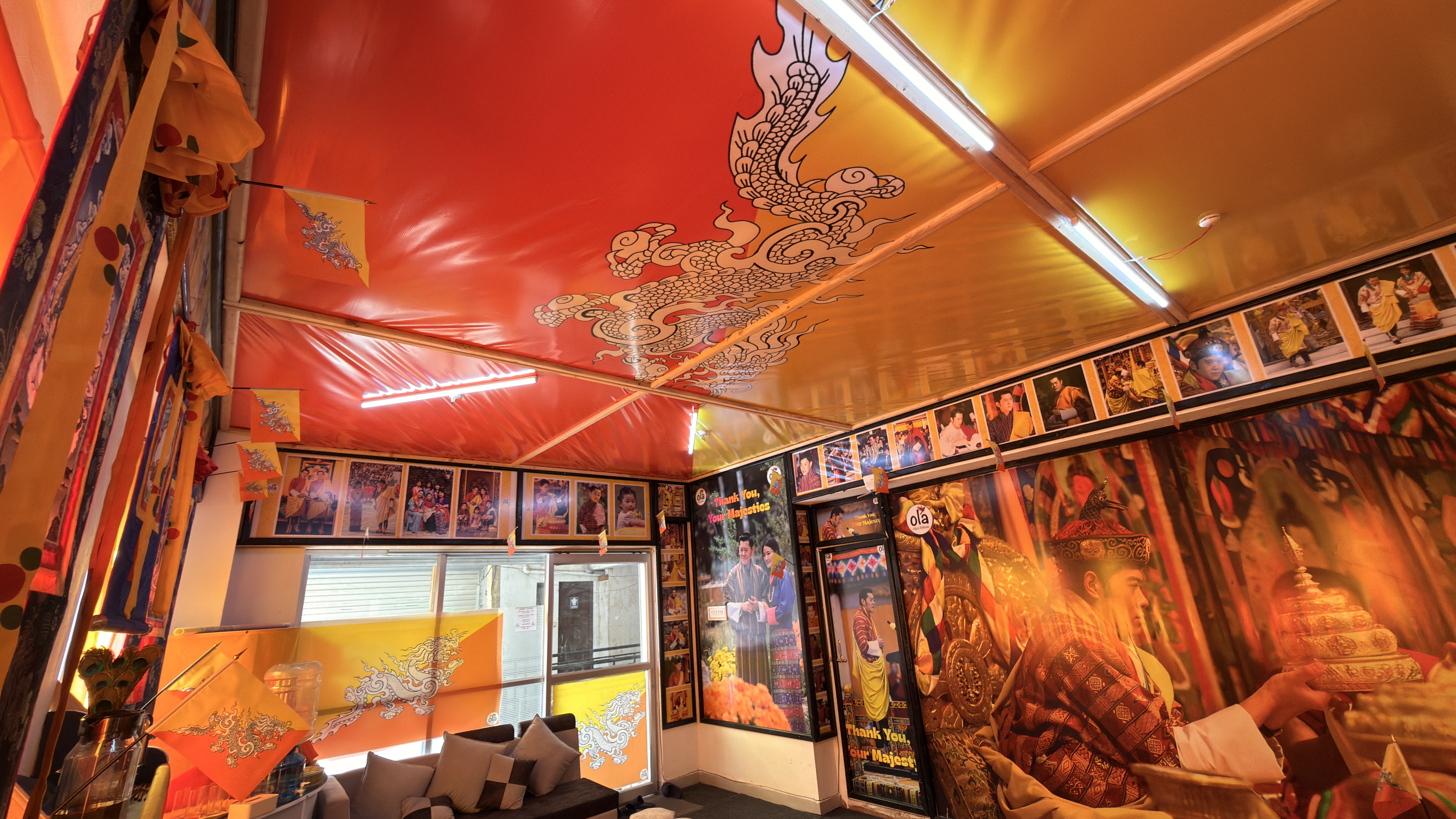
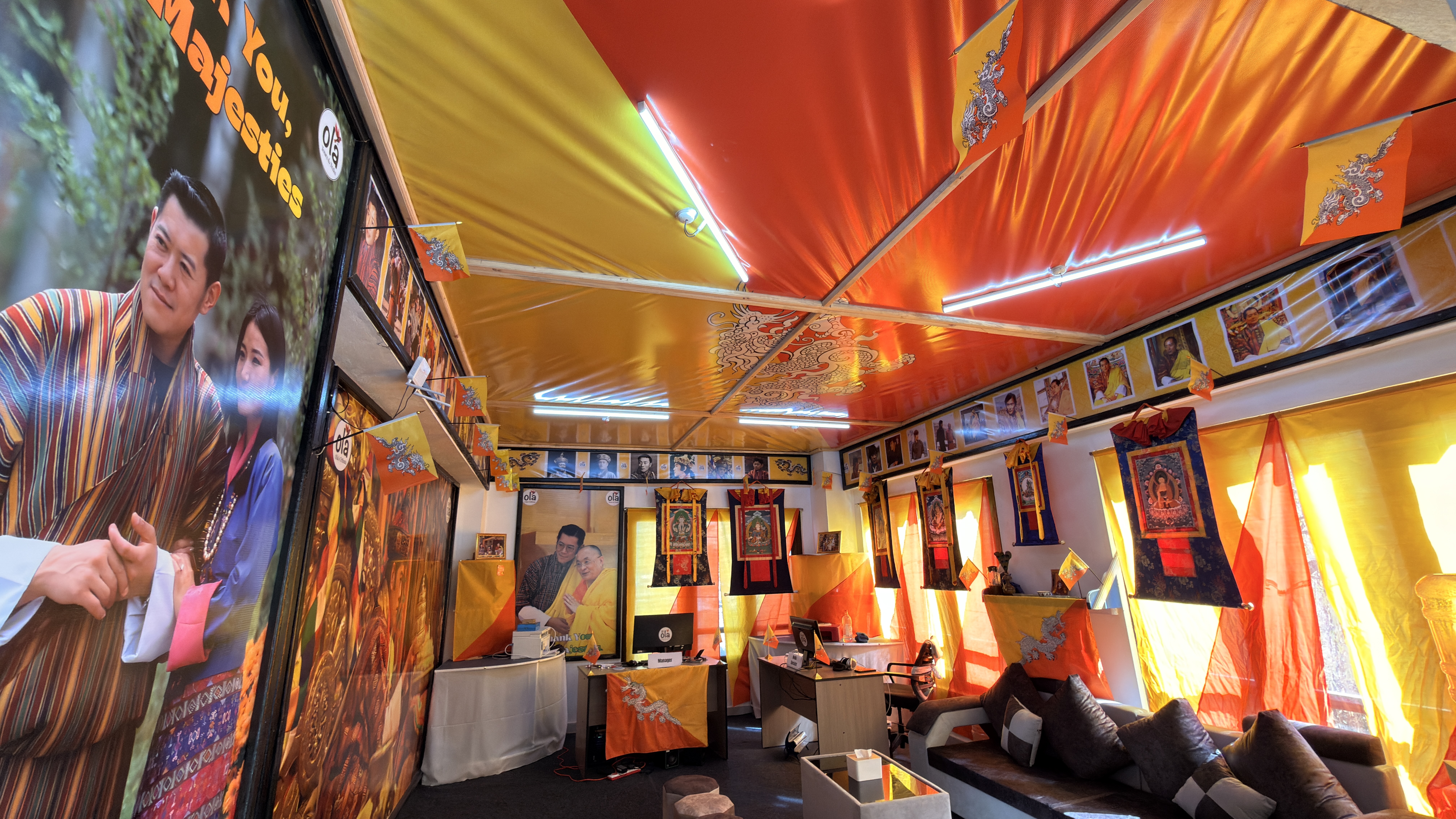
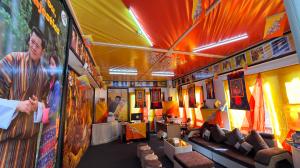
The Temple of Monarch embodies a unique living cultural heritage where reverence, gratitude, unity, compassion, humility, and service are practiced daily as active cultural expressions. It reflects Bhutan’s living tradition of honoring leadership that serves with integrity and devotion, and transforms these values into ongoing, participatory practices that connect communities, generations, and global audiences.
Detailed Description
The Temple of Monarch preserves and transmits Bhutan’s intangible cultural heritage by safeguarding living cultural expressions that articulate a deep emotional bond between the people and their compassionate leadership. Unlike traditional monuments or archival preservation, the heritage safeguarded here is lived, shared, and reflected in daily practices, storytelling, visual expressions, and communal participation.
This heritage comprises:
- Ritual expressions of gratitude and reverence toward living monarchs
- Community storytelling and reflections on cultural values of loyalty, unity, and service
- Symbolic practices and oral traditions that convey ethical and spiritual leadership
- Intergenerational dialogues that transmit cultural meanings between elders, youth, and visitors
- Digital testimony and multimedia narratives that enable global access and ongoing engagement
These elements are continuously documented, shared, and renewed through participation, ensuring that heritage remains dynamic and relevant. Through public engagement, reflective practice, digital presence, and community contribution, the Temple of Monarch documents a living ICH inventory that sustains cultural identity, emotional connection, and shared meaning.
Category of ICH (UNESCO Domains)
- Social practices, rituals, and festive events
- Oral traditions and expressions
- Knowledge and practices concerning nature and the universe
- Traditional values and ethical principles
Location
Temple of Monarch — Thimphu, Bhutan
Bearers / Practitioners
Community members of all ages, cultural narrators, elders, youth participants, visitors, and volunteers connected to the Temple of Monarch’s living heritage practices.
Transmission
Heritage elements are transmitted through:
- Daily participation in living practices
- Informal dialogue and mentorship
- Storytelling and reflection sessions
- Digital documentation (videos, posts, visual narratives)
- Intergenerational engagement
Safeguarding Measures Undertaken
- Continuous daily practice of cultural values
- Digital archiving and storytelling
- Public documentation of practices on multimedia platforms
- Community participation and cultural dialogue
- Global outreach and visibility through international recognition
02-10-2026
| Institutional and human capacities | Institutional and Human Capacities The safeguarding of intangible cultural heritage at the Temple of Monarch is sustained through a strong foundation of ethical leadership, community participation, and dedicated human commitment. Although the initiative is independent and community-driven, it demonstrates a resilient institutional structure rooted in responsibility, transparency, and long-term vision. The Temple of Monarch is founded and guided by Sonam Tshering, who serves as the principal custodian, cultural steward, and strategic coordinator. He oversees all safeguarding activities, documentation processes, community engagement, and digital outreach initiatives. His role ensures that the cultural integrity, authenticity, and values of the heritage remain protected and consistently transmitted. Supporting this leadership is a growing network of community members, volunteers, youth contributors, cultural advocates, and digital collaborators who participate in daily practices, storytelling, documentation, and awareness activities. These individuals act as cultural bearers, transmitting values through lived experience rather than formal instruction. Their participation strengthens intergenerational learning and ensures the continuity of living traditions. Institutionally, the Temple operates as a living cultural platform, integrating heritage practice into everyday activities. Though modest in scale, its operational model is sustainable, adaptable, and inclusive. Digital platforms serve as an extension of the institution, allowing for documentation, communication, outreach, and archival preservation of intangible heritage practices. Capacity-building occurs organically through mentorship, participation, shared reflection, and creative collaboration. This collective structure ensures that safeguarding does not rely on one individual alone, but is shared across a growing community network. Together, these institutional and human capacities provide a strong, ethical, and sustainable foundation for the ongoing safeguarding and transmission of Bhutan’s living intangible cultural heritage. | |
| Transmission and education | The safeguarding of intangible cultural heritage at the Temple of Monarch rests on ethical leadership, community participation, and committed human effort. Though independent and community-driven, the initiative maintains a resilient institutional structure grounded in responsibility, transparency, and long-term vision. Founded and guided by Sonam Tshering, the principal custodian and cultural steward, the Temple ensures the protection and transmission of cultural integrity, authenticity, and values. He oversees safeguarding activities, documentation, community engagement, and digital outreach. A growing network of community members, volunteers, youth contributors, and cultural advocates actively participates in practices, storytelling, documentation, and awareness efforts. Acting as cultural bearers, they strengthen intergenerational learning and the continuity of living traditions. Institutionally, the Temple functions as a living cultural platform, integrating heritage into daily life. Though modest in scale, its model is sustainable, adaptable, and inclusive, with digital platforms supporting documentation, communication, outreach, and archival preservation. Capacity-building occurs organically through mentorship, participation, reflection, and collaboration, ensuring that safeguarding is shared across the community rather than reliant on one individual. Together, these human and institutional capacities provide an ethical, resilient, and sustainable foundation for preserving and transmitting Bhutan’s living intangible cultural heritage. | |
| Inventorying and research | Our inventory and research initiative systematically identifies and documents living intangible cultural heritage practices within our community, combining field engagement with participatory methodologies. We have developed a dynamic, community‑led inventory that records oral histories, performance traditions, ritual practices, and embodied knowledge, ensuring the voices of knowledge bearers guide the process and content. Through direct engagement with practitioners, cultural bearers, and intergenerational knowledge holders, we capture nuanced descriptions of heritage expressions, their meanings, contexts, and transmission pathways. Research is grounded in ethical documentation and respects community consent, agency, and cultural protocols. Digital archiving complements field records, providing accessible documentation while safeguarding sensitive cultural content according to community preferences. This inventory serves not only as a repository of heritage knowledge but as a living research tool that informs safeguarding strategies, supports awareness‑raising, and strengthens community pride in sustaining intangible cultural heritage. | |
| Policies as well as legal and administrative measures | Our safeguarding work is guided by ethical policies that prioritize community consent, cultural integrity, and transparent documentation practices. We adhere to national and international frameworks on intangible cultural heritage, ensuring respect for knowledge holders’ rights and sensitive content protection. Administrative measures include community‑driven protocols for inventorying, recording, and sharing heritage expressions, with clear guidelines on authorship, use, and digital access. Decision‑making processes involve collective consultation, and roles are defined to support accountability and continuity. While independent, our initiative aligns with Bhutan’s cultural policies and contributes to broader national efforts to recognize, protect, and sustain living intangible cultural heritage. | |
| Role of intangible cultural heritage and its safeguarding in society | Intangible cultural heritage sustains community identity, resilience, and social cohesion by connecting people to shared histories, values, and worldviews. Its safeguarding strengthens intergenerational bonds, fosters cultural pride, and nurtures living traditions that adapt to contemporary life. By actively engaging practitioners, elders, and youth in documentation, practice, and transmission, we reinforce social continuity and mutual respect. Safeguarding practices promote creativity, cultural expression, and dialogue, contributing to community wellbeing and inclusive development. In recognizing intangible cultural heritage as a living resource, society affirms diversity and cultivates a sense of belonging that enriches both local and global cultural landscapes. | |
| Awareness raising | Our awareness‑raising efforts focus on fostering appreciation, understanding, and active engagement with intangible cultural heritage across generations. Through digital platforms, we share documented narratives, audiovisual materials, and heritage profiles to reach broader audiences while honoring cultural protocols and consent. Collaborations with schools, cultural organizations, and local media amplify heritage visibility and encourage community pride. By making intangible cultural heritage relevant and accessible, our awareness activities support intergenerational transmission and inspire sustained participation in safeguarding living cultural expressions. | |
| Engagement of communities, groups and individuals as well as other stakeholders | Our approach places communities, groups, and individuals at the heart of safeguarding intangible cultural heritage. Cultural bearers, elders, youth, and volunteers actively contribute to documentation, practice, storytelling, and decision‑making. We also work with local cultural organizations, educators, and digital partners to broaden outreach and support sustainability. By fostering inclusive dialogue, shared responsibility, and mutual learning, we ensure diverse voices are respected and heritage continues to thrive as a living, dynamic expression of collective identity. | |
| International engagement | Through cross‑cultural partnerships, we highlight Bhutan’s heritage expressions and learn from diverse experiences worldwide, strengthening mutual respect and shared commitment to cultural diversity. Digital outreach initiatives extend this engagement, allowing communities abroad to connect with heritage bearers and practitioners. | |
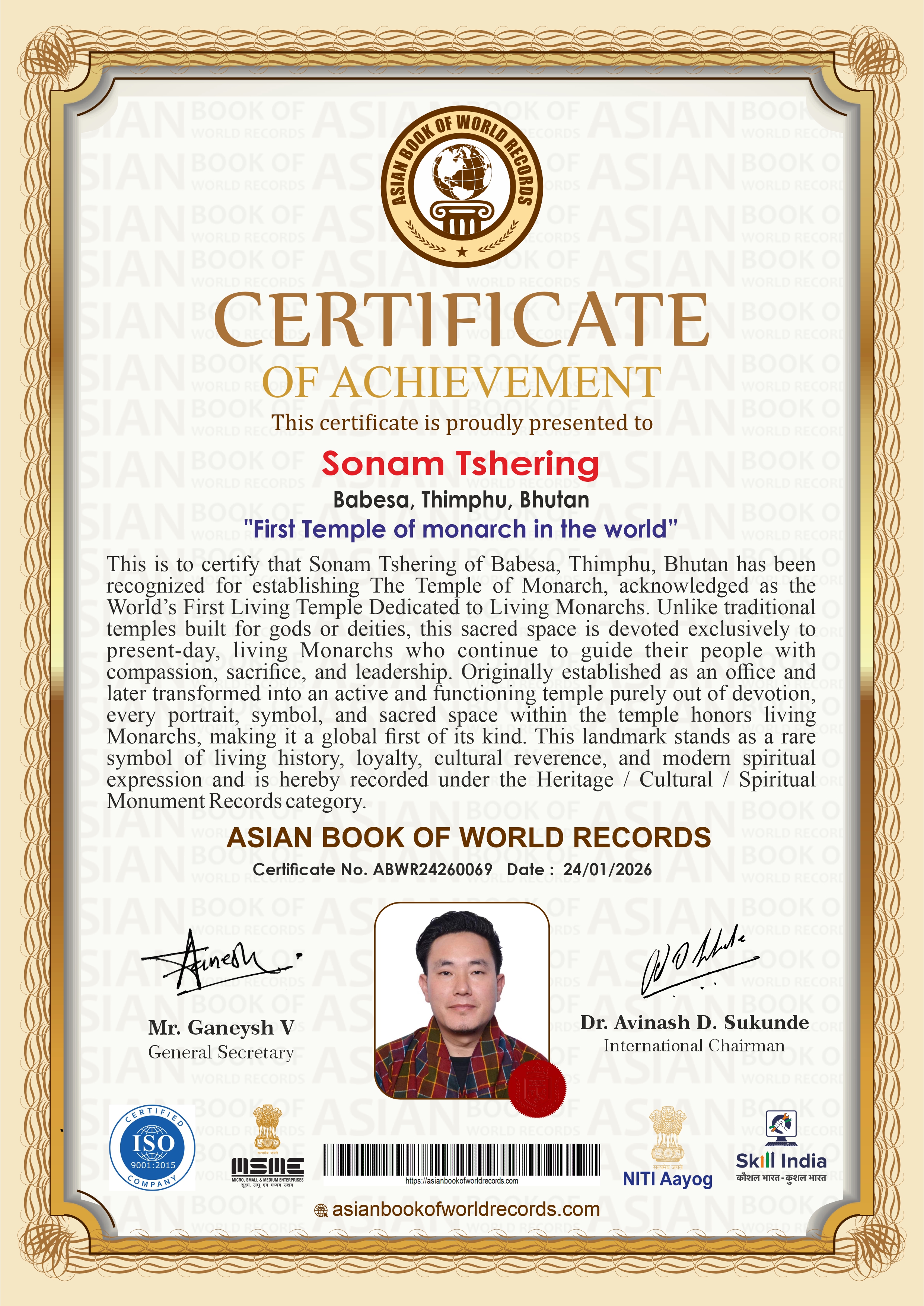
| References | Reference: Temple of Monarch - Thimphu Bhutan The Book of World Records Golden International Awards Asian Book of World Records |
|








.jpeg)



.png)

.jpeg)
.jpg)

.png)
.jpg)


_(31711258567).jpg)