
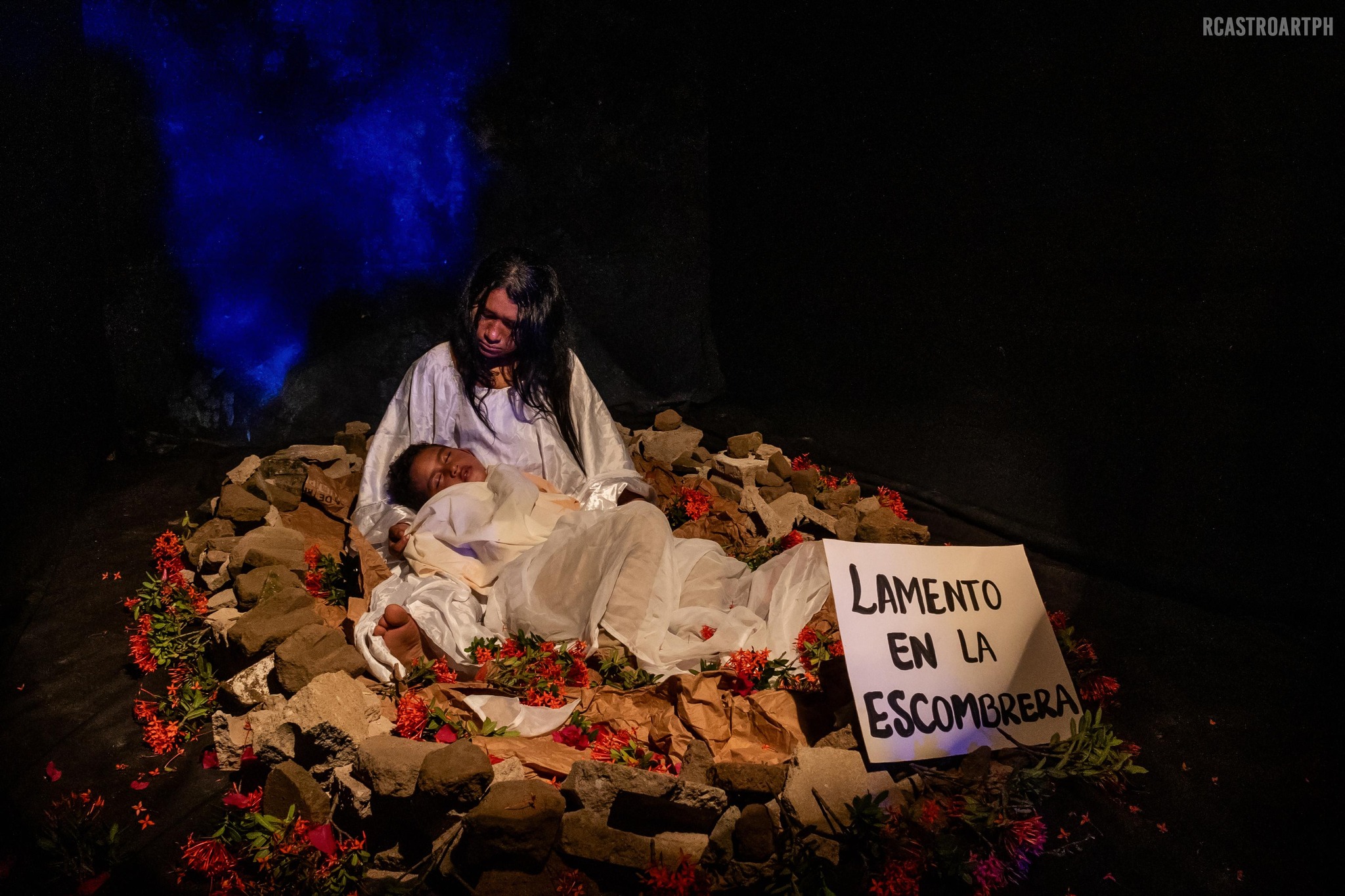
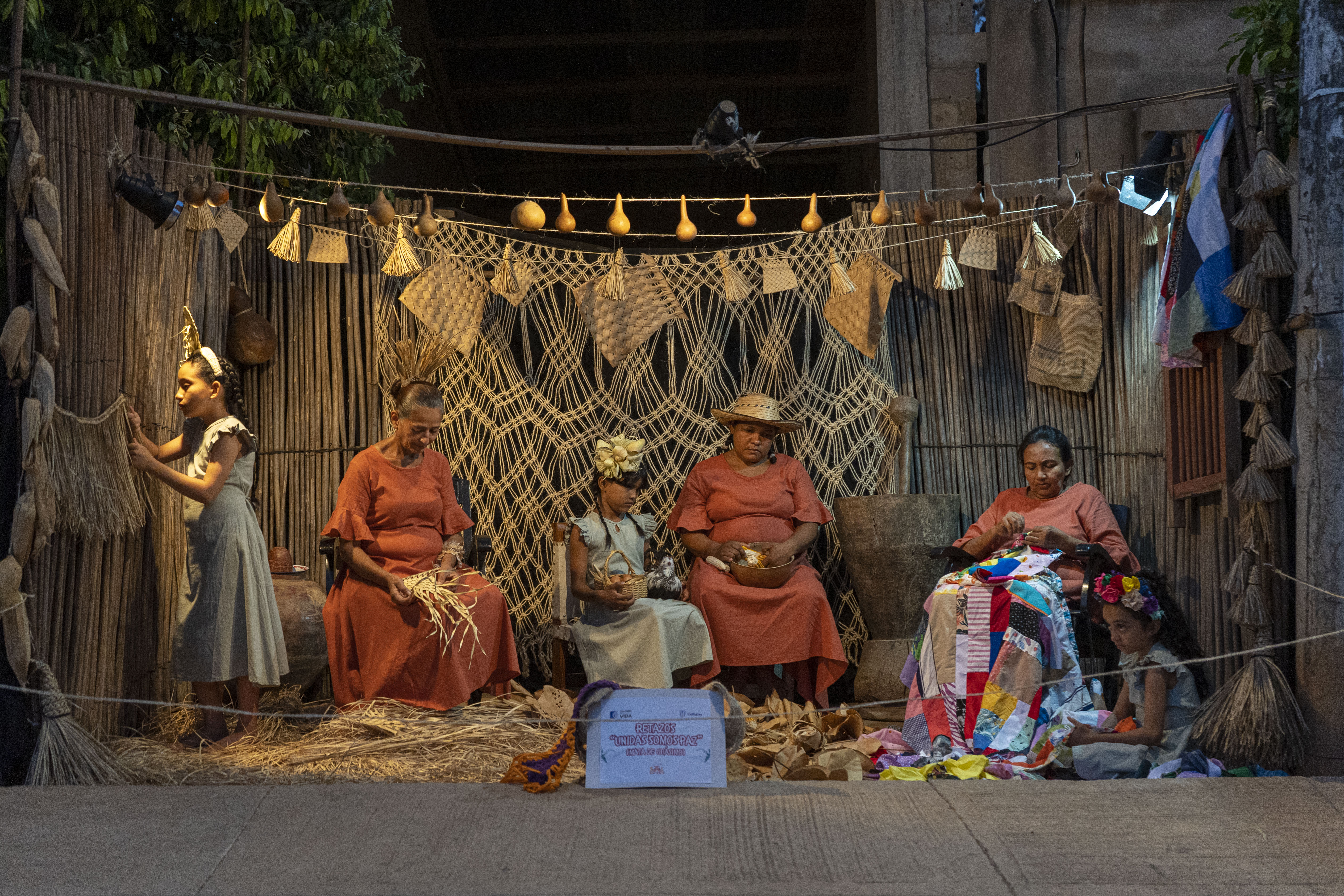
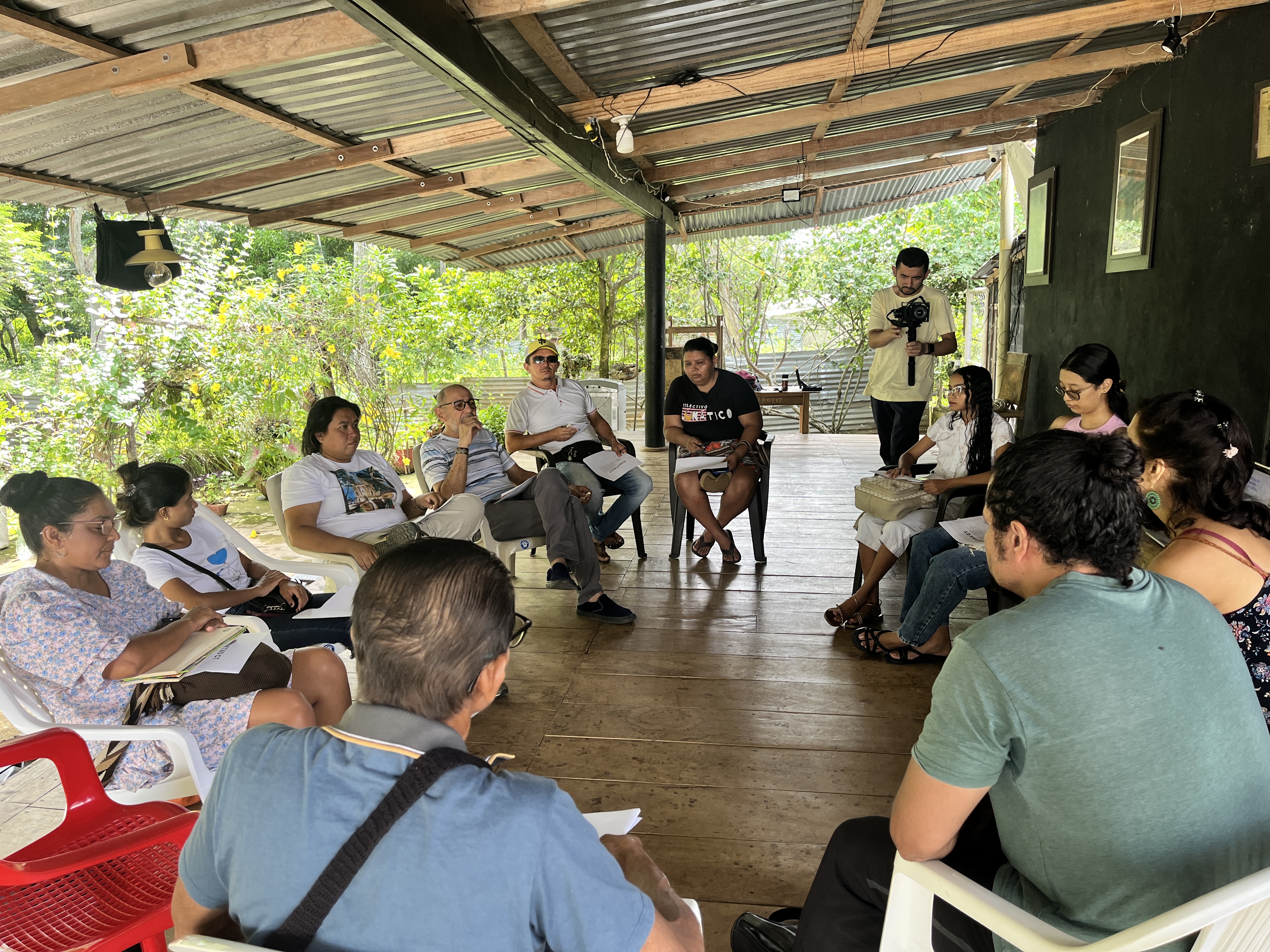
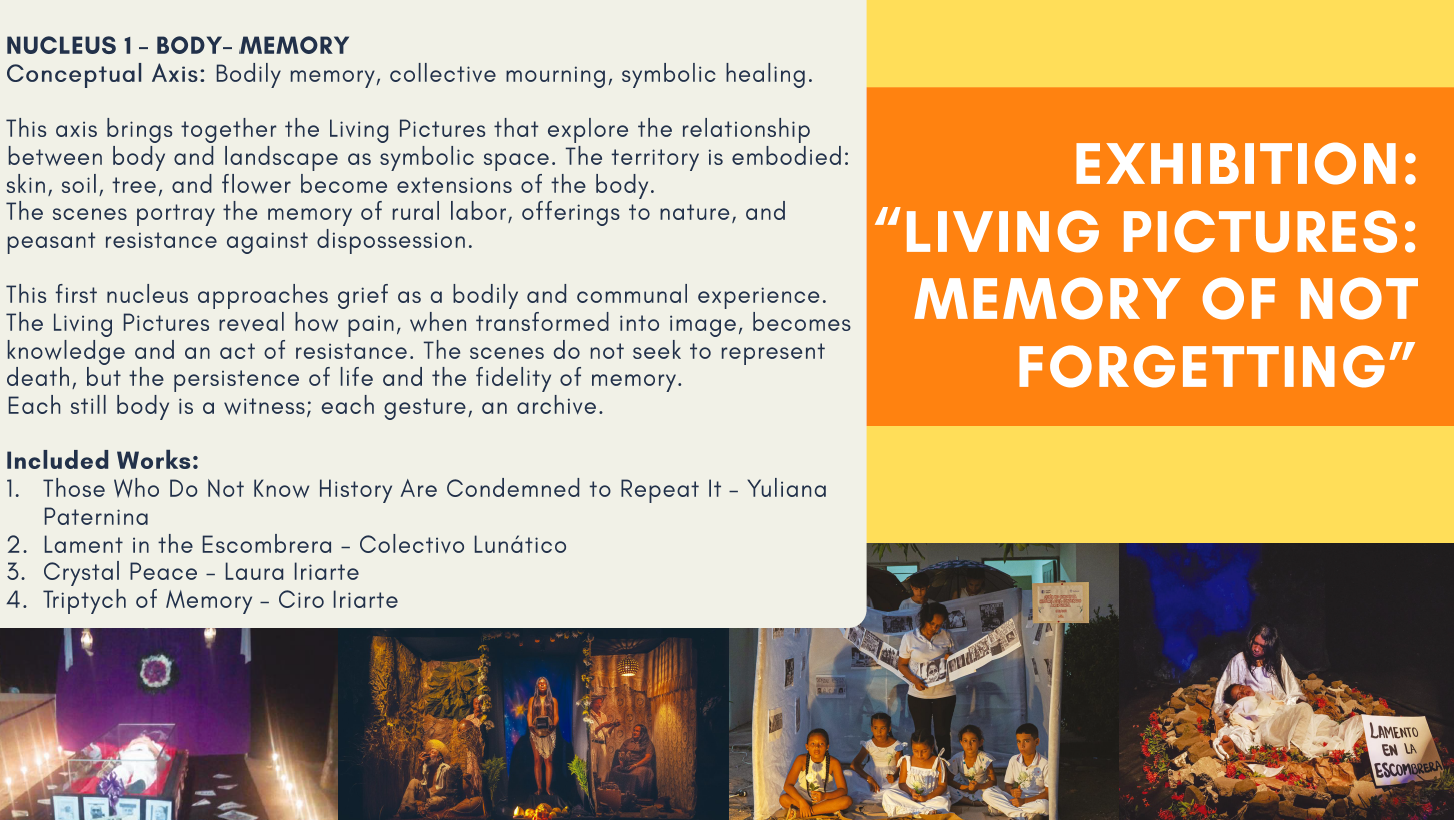
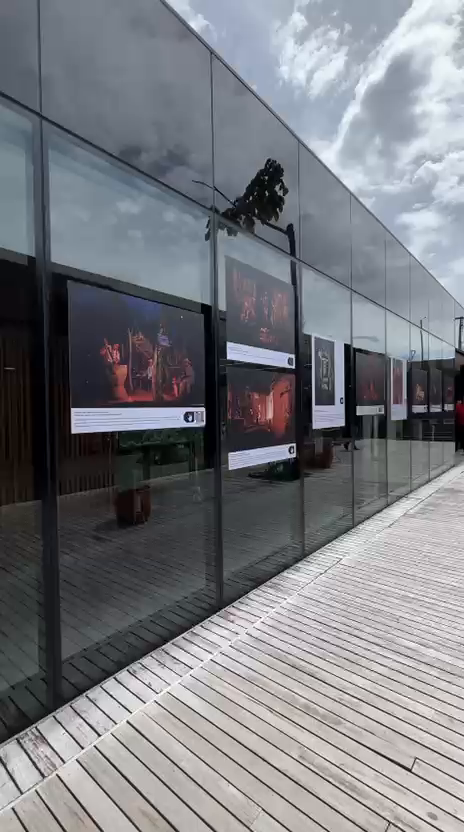
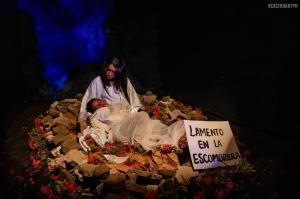
Cuadros Vivos (Living Pictures): Memory of Not Forgetting is a long-term, community-based safeguarding system of intangible cultural heritage, developed continuously since 2016 in Galeras, Sucre (Colombia). It emerges from a sustained territorial research–creation process rooted in embodied memory, oral transmission, ritual practices, collective creation, and intergenerational knowledge systems, where heritage is lived, enacted, and transmitted through daily community life rather than institutional extraction.
The process is conceived as a living heritage safeguarding architecture, where the body functions as a living archive, the territory as a cultural memory space, and community practices as systems of transmission. Memory, symbolic creation, rituality, and collective embodiment operate as mechanisms of continuity, cultural identity formation, and social cohesion, transforming lived experience into collective cultural meaning and supporting long-term peacebuilding processes in a post-conflict territorial context.
This inventory documents Cuadros Vivos as a model of good safeguarding practices through a hybrid community inventory system composed of three interconnected layers:
- a Community Digital Inventory,
- a printed community dossier (physical archive), and
- a living embodied archive sustained through community practice.
The physical dossier compiles micro-capsules for each creator, documenting each Living Picture through narratives, visual records, symbolic meanings, social contexts, memory narratives, and safeguarding dimensions. This ensures cultural durability, accessibility, and community ownership beyond digital environments, avoiding technological dependency and guaranteeing long-term preservation under community custodianship.
Traditional Knowledge (TK) Labels provide an ethical governance layer defining collective authorship, consent-based access, cultural rights, conditions of use, and protection against misappropriation. The integrated system links ICH safeguarding, memory, peacebuilding, cultural rights, ethical governance, and community sovereignty within a single transferable framework, positioning the inventory not as a database, but as a living safeguarding infrastructure with strong potential for international replication.
,
Cuadros Vivos (Living Pictures): Memory of Not Forgetting is a long-term, community-based safeguarding system of intangible cultural heritage, developed continuously since 2016 in Galeras, Sucre (Colombia). It emerges from a sustained territorial research–creation process rooted in embodied memory, oral transmission, ritual practices, collective creation, and intergenerational knowledge systems, where heritage is lived, enacted, and transmitted through daily community life rather than institutional extraction.
The process is conceived as a living heritage safeguarding architecture, where the body functions as a living archive, the territory as a cultural memory space, and community practices as systems of transmission. Memory, symbolic creation, rituality, and collective embodiment operate as mechanisms of continuity, cultural identity formation, and social cohesion, transforming lived experience into collective cultural meaning and supporting long-term peacebuilding processes in a post-conflict territorial context.
This inventory documents Cuadros Vivos as a model of good safeguarding practices through a hybrid community inventory system composed of three interconnected layers:
- a Community Digital Inventory,
- a printed community dossier (physical archive), and
- a living embodied archive sustained through community practice.
The physical dossier compiles micro-capsules for each creator, documenting each Living Picture through narratives, visual records, symbolic meanings, social contexts, memory narratives, and safeguarding dimensions. This ensures cultural durability, accessibility, and community ownership beyond digital environments, avoiding technological dependency and guaranteeing long-term preservation under community custodianship.
Traditional Knowledge (TK) Labels provide an ethical governance layer defining collective authorship, consent-based access, cultural rights, conditions of use, and protection against misappropriation. The integrated system links ICH safeguarding, memory, peacebuilding, cultural rights, ethical governance, and community sovereignty within a single transferable framework, positioning the inventory not as a database, but as a living safeguarding infrastructure with strong potential for international replication.
Short documentary “Cuadros Vivos, Memory of Not Forgetting: https://youtu.be/fqJ7DT31Odk?si=Baw7stJs2eEJYrpP
01-27-2026
| Institutional and human capacities | The safeguarding system is sustained by a long-term territorial alliance between Embodying Reconciliation and community-based organizations in Galeras (Sucre), operating continuously since 2016. This alliance has generated a stable institutional ecosystem rooted in trust, continuity, and territorial legitimacy, rather than project-based interventions. The process is supported by a stable local structure composed of community leaders, cultural facilitators, educators, women creators, youth leaders, ritual practitioners, and territorial organizers who ensure continuity, legitimacy, ethical governance, and sustainability of safeguarding actions. These actors are not intermediaries but direct heritage bearers, knowledge holders, and cultural custodians, actively shaping documentation, safeguarding strategies, and transmission systems. Human capacities are strengthened locally through continuous leadership development, community facilitation training, cultural management skills, research capacities, and documentation competencies. This generates territorial institutional memory, autonomous safeguarding capacities, and local governance structures that allow the community to sustain the inventory system independently over time. The hybrid inventory system (digital + physical + living archive) is maintained through shared responsibilities, community protocols, and distributed custodianship, ensuring local ownership, long-term preservation, ethical governance, and sustainability beyond external funding cycles. ,The safeguarding system is sustained by a long-term territorial alliance between Embodying Reconciliation and community-based organizations in Galeras (Sucre), operating continuously since 2016. This alliance has generated a stable institutional ecosystem rooted in trust, continuity, and territorial legitimacy, rather than project-based interventions. The process is supported by a stable local structure composed of community leaders, cultural facilitators, educators, women creators, youth leaders, ritual practitioners, and territorial organizers who ensure continuity, legitimacy, ethical governance, and sustainability of safeguarding actions. These actors are not intermediaries but direct heritage bearers, knowledge holders, and cultural custodians, actively shaping documentation, safeguarding strategies, and transmission systems. Human capacities are strengthened locally through continuous leadership development, community facilitation training, cultural management skills, research capacities, and documentation competencies. This generates territorial institutional memory, autonomous safeguarding capacities, and local governance structures that allow the community to sustain the inventory system independently over time. The hybrid inventory system (digital + physical + living archive) is maintained through shared responsibilities, community protocols, and distributed custodianship, ensuring local ownership, long-term preservation, ethical governance, and sustainability beyond external funding cycles. | |
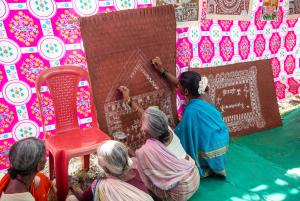
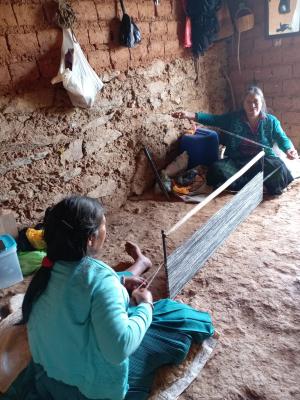
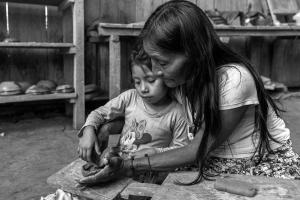
| Transmission and education | Transmission is organized as a living community pedagogy grounded in intergenerational learning, embodied education, ritualized collective practices, and symbolic transmission systems. Knowledge is transmitted through movement, storytelling, collective rituals, artistic creation, memory laboratories, and shared reflective spaces, enabling cultural continuity through lived experience rather than formal institutional education alone. Children, youth, educators, families, elders, and cultural practitioners learn cultural meanings, values, ethical principles, and memory narratives through participation in collective creation processes, making learning an embodied, emotional, and relational experience rather than a purely cognitive one. The printed dossier with creator micro-capsules functions as a community educational resource, allowing heritage knowledge to circulate locally in schools, community centers, cultural spaces, and family environments. This ensures intergenerational continuity, accessibility in low-connectivity contexts, and the transmission of heritage knowledge across social, educational, and cultural spaces, reinforcing heritage as a living pedagogical system. ,Transmission is organized as a living community pedagogy grounded in intergenerational learning, embodied education, ritualized collective practices, and symbolic transmission systems. Knowledge is transmitted through movement, storytelling, collective rituals, artistic creation, memory laboratories, and shared reflective spaces, enabling cultural continuity through lived experience rather than formal institutional education alone. Children, youth, educators, families, elders, and cultural practitioners learn cultural meanings, values, ethical principles, and memory narratives through participation in collective creation processes, making learning an embodied, emotional, and relational experience rather than a purely cognitive one. The printed dossier with creator micro-capsules functions as a community educational resource, allowing heritage knowledge to circulate locally in schools, community centers, cultural spaces, and family environments. This ensures intergenerational continuity, accessibility in low-connectivity contexts, and the transmission of heritage knowledge across social, educational, and cultural spaces, reinforcing heritage as a living pedagogical system. | |
| Inventorying and research | The inventory is produced through a long-term territorial research–creation methodology developed since 2016, integrating participatory action research, ethnography, embodied methodologies, community conversations, focus groups, collective memory practices, artistic laboratories, and participatory documentation systems. Research and creation operate as a single integrated epistemic process: communities generate knowledge through lived experience, symbolic representation, ritual practice, and collective reflection, rather than external extraction or academic appropriation. Documentation integrates technical heritage records with affective narratives, emotional testimonies, symbolic meanings, and community-defined cultural values, producing a Community Digital Inventory that functions as a living archive of memory, practice, identity, and meaning. In parallel, a physical printed dossier consolidates the inventory through micro-capsules for each creator, documenting each Living Picture with narrative descriptions, visual references, symbolic interpretations, safeguarding contexts, and ethical governance elements. This hybrid structure safeguards heritage not as static information, but as living knowledge embedded in community life, ensuring durability, accessibility, resilience, community custodianship, and long-term continuity while remaining transferable as a good safeguarding practice model. ,The inventory is produced through a long-term territorial research–creation methodology developed since 2016, integrating participatory action research, ethnography, embodied methodologies, community conversations, focus groups, collective memory practices, artistic laboratories, and participatory documentation systems. Research and creation operate as a single integrated epistemic process: communities generate knowledge through lived experience, symbolic representation, ritual practice, and collective reflection, rather than external extraction or academic appropriation. Documentation integrates technical heritage records with affective narratives, emotional testimonies, symbolic meanings, and community-defined cultural values, producing a Community Digital Inventory that functions as a living archive of memory, practice, identity, and meaning. In parallel, a physical printed dossier consolidates the inventory through micro-capsules for each creator, documenting each Living Picture with narrative descriptions, visual references, symbolic interpretations, safeguarding contexts, and ethical governance elements. This hybrid structure safeguards heritage not as static information, but as living knowledge embedded in community life, ensuring durability, accessibility, resilience, community custodianship, and long-term continuity while remaining transferable as a good safeguarding practice model. | |
| Policies as well as legal and administrative measures | Safeguarding is grounded in a community-based ethical governance framework that includes informed consent processes, collective authorship recognition, community-defined rules for access, circulation, reproduction, documentation, archiving, and use of cultural materials. Traditional Knowledge (TK) Labels are applied as a formal safeguarding mechanism to protect cultural sovereignty, define rights over knowledge, images, narratives, and representations, and prevent cultural misappropriation, extractivism, and commodification. The hybrid inventory structure (digital and physical) further strengthens cultural sovereignty by ensuring that heritage knowledge is not dependent on external digital platforms, reinforcing community control, long-term preservation, ethical circulation, and territorial custodianship as core safeguarding principles. ,Safeguarding is grounded in a community-based ethical governance framework that includes informed consent processes, collective authorship recognition, community-defined rules for access, circulation, reproduction, documentation, archiving, and use of cultural materials. Traditional Knowledge (TK) Labels are applied as a formal safeguarding mechanism to protect cultural sovereignty, define rights over knowledge, images, narratives, and representations, and prevent cultural misappropriation, extractivism, and commodification. The hybrid inventory structure (digital and physical) further strengthens cultural sovereignty by ensuring that heritage knowledge is not dependent on external digital platforms, reinforcing community control, long-term preservation, ethical circulation, and territorial custodianship as core safeguarding principles. | |
| Role of intangible cultural heritage and its safeguarding in society | Intangible cultural heritage functions as a social infrastructure for dignity, identity construction, social cohesion, emotional repair, and community resilience in a territory historically affected by violence, exclusion, and marginalization. Safeguarding practices strengthen community agency, rebuild social fabrics, restore symbolic dignity, and support processes of reconciliation and collective healing. Heritage is not treated as symbolic capital but as a living social resource that structures community life, education, ethics, and coexistence. Cuadros Vivos demonstrates how living heritage can operate simultaneously as cultural continuity, community education, ethical governance, and a peacebuilding mechanism—mobilizing memory, rituality, embodiment, and collective creation as tools for long-term social transformation and sustainable territorial development. ,Intangible cultural heritage functions as a social infrastructure for dignity, identity construction, social cohesion, emotional repair, and community resilience in a territory historically affected by violence, exclusion, and marginalization. Safeguarding practices strengthen community agency, rebuild social fabrics, restore symbolic dignity, and support processes of reconciliation and collective healing. Heritage is not treated as symbolic capital but as a living social resource that structures community life, education, ethics, and coexistence. Cuadros Vivos demonstrates how living heritage can operate simultaneously as cultural continuity, community education, ethical governance, and a peacebuilding mechanism—mobilizing memory, rituality, embodiment, and collective creation as tools for long-term social transformation and sustainable territorial development. | |
| Awareness raising | Awareness raising is developed through community exhibitions, public cultural encounters, educational programs, institutional exhibitions, documentaries, and audiovisual dissemination at local, national, and international levels. These strategies communicate the value of living heritage, memory, dignity, and cultural rights to broader audiences while respecting community-defined ethical protocols, cultural sensitivities, and governance structures. The hybrid inventory (digital and printed dossier) supports awareness raising in both connected and low-connectivity contexts, allowing cultural materials and creator narratives to circulate safely under community governance. Public visibility strengthens recognition of intangible cultural heritage as a living social process, not as folklorized or commodified representation. ,Awareness raising is developed through community exhibitions, public cultural encounters, educational programs, institutional exhibitions, documentaries, and audiovisual dissemination at local, national, and international levels. These strategies communicate the value of living heritage, memory, dignity, and cultural rights to broader audiences while respecting community-defined ethical protocols, cultural sensitivities, and governance structures. The hybrid inventory (digital and printed dossier) supports awareness raising in both connected and low-connectivity contexts, allowing cultural materials and creator narratives to circulate safely under community governance. Public visibility strengthens recognition of intangible cultural heritage as a living social process, not as folklorized or commodified representation. | |
| Engagement of communities, groups and individuals as well as other stakeholders | The safeguarding process is led directly by community-based collectives and territorial actors in Galeras (Sucre), particularly Colectivo Sol Naciente and Nicho de Creadores, who have co-led the research–creation process since 2016. Communities define safeguarding priorities, documentation protocols, ethical boundaries, transmission strategies, governance rules, and cultural meanings. Participation is not consultative but co-governed, ensuring shared decision-making power and cultural sovereignty. Community members act as creators, knowledge holders, researchers, curators, custodians, educators, and decision-makers throughout documentation, inventory construction (digital and printed), safeguarding governance, and transmission processes. Other stakeholders include educators, local cultural organizations, memory institutions, and allied institutions that support ethical dissemination, training, research, and long-term sustainability of safeguarding actions without displacing community leadership. ,The safeguarding process is led directly by community-based collectives and territorial actors in Galeras (Sucre), particularly Colectivo Sol Naciente and Nicho de Creadores, who have co-led the research–creation process since 2016. Communities define safeguarding priorities, documentation protocols, ethical boundaries, transmission strategies, governance rules, and cultural meanings. Participation is not consultative but co-governed, ensuring shared decision-making power and cultural sovereignty. Community members act as creators, knowledge holders, researchers, curators, custodians, educators, and decision-makers throughout documentation, inventory construction (digital and printed), safeguarding governance, and transmission processes. Other stakeholders include educators, local cultural organizations, memory institutions, and allied institutions that support ethical dissemination, training, research, and long-term sustainability of safeguarding actions without displacing community leadership. | |
| International engagement | Cuadros Vivos is conceived as a globally replicable safeguarding model grounded in territorial research–creation, community governance, ethical protection, embodied transmission, and hybrid documentation systems. Its hybrid inventory structure (digital + physical dossier + living archive) increases transferability by providing a complete safeguarding architecture adaptable to diverse contexts, including low-connectivity environments, museum systems, memory institutions, and community heritage platforms. The model’s ethical governance layer (TK Labels) offers a transferable rights-based safeguarding framework for the protection of cultural sovereignty, prevention of misappropriation, and ethical management of heritage knowledge in both museum and digital heritage environments. Together, these components position Cuadros Vivos as a reference model of good safeguarding practices with strong potential for adaptation and implementation in multiple cultural, social, and geopolitical contexts worldwide ,Cuadros Vivos is conceived as a globally replicable safeguarding model grounded in territorial research–creation, community governance, ethical protection, embodied transmission, and hybrid documentation systems. Its hybrid inventory structure (digital + physical dossier + living archive) increases transferability by providing a complete safeguarding architecture adaptable to diverse contexts, including low-connectivity environments, museum systems, memory institutions, and community heritage platforms. The model’s ethical governance layer (TK Labels) offers a transferable rights-based safeguarding framework for the protection of cultural sovereignty, prevention of misappropriation, and ethical management of heritage knowledge in both museum and digital heritage environments. Together, these components position Cuadros Vivos as a reference model of good safeguarding practices with strong potential for adaptation and implementation in multiple cultural, social, and geopolitical contexts worldwide | |
| References |
Complementary references:
,
Complementary references:
|
|




.jpeg)

.png)
.jpeg)
.jpg)
.png)
.jpg)


_(31711258567).jpg)